

I remember sitting at my kitchen table, coffee getting cold, when my phone vibrated so hard it nearly slid onto the floor. It was 8:01 AM. Another ‘Unknown’ number. My chest tightened. For months, I was a prisoner to my own ringtone, terrified of every notification. I made the classic mistake of thinking that if I just disputed the debt over the phone, they would listen to reason. They didn’t. In fact, my attempts to be ‘reasonable’ only made the harassment worse because I was giving them exactly what they wanted: my attention and my data. Today, I’m going to show you how to take your power back. We aren’t just going to ignore them; we are going to use the law to build a wall they can’t climb over. [IMAGE_PLACEHOLDER]
Shut Down the Harassment Once and for All
I spent years thinking I had to just ‘deal with it’ until I realized that a few pieces of paper carry more weight than a thousand phone calls. You can stop collection calls without filing for bankruptcy, and honestly, it’s easier than you think.
Is this actually legal or am I going to get sued?
This is the big fear, right? You think if you tell them to stop calling, they’ll just hit the ‘sue’ button immediately. But here is a surprising fact: the Consumer Financial Protection Bureau reports that debt collection is consistently the top source of consumer complaints, yet most people don’t realize they have the power to legally end the contact. I learned the hard way that you should stop calling debt collectors and start mailing these forms instead. It provides a paper trail that protects you in ways a recorded phone call never will. Have you ever had a collector call your workplace or your family members? It’s a violation of your peace, and I want to hear your story. You aren’t alone in this.
The Magic Words That Change Everything
The turning point for me was discovering the simple phrasing that stops collection calls forever. It’s not about being aggressive; it’s about being precise. When I finally sent my first formal ‘cease and desist’ letter, the silence that followed was the most beautiful thing I’d heard in months. We are going to dive into exactly how to craft those letters so you can finally leave your phone on the table without that familiar knot of dread in your stomach.The first thing you have to realize is that a phone call is a collector’s playground. They are trained to trigger your ‘fight or flight’ response to get you to commit to a payment you can’t afford. To level the field, you need to use the Fair Debt Collection Practices Act to win by moving the conversation entirely to paper. When you send a partial cease and desist letter, you are essentially putting up a ‘No Trespassing’ sign on your digital life. This isn’t just about peace of mind; it’s about control. Once they can’t call, they have to write, and once they write, they leave a trail of evidence you can use if they break the law. 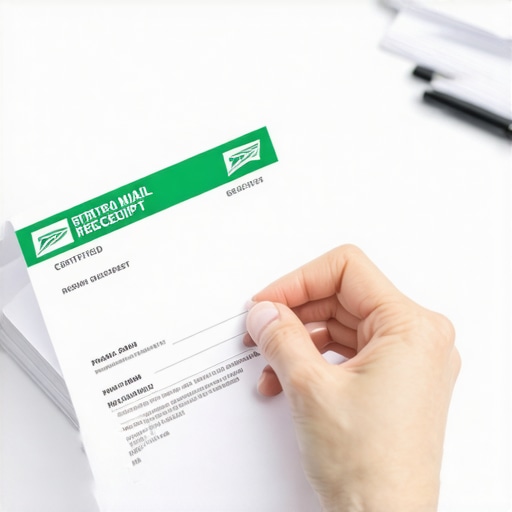
Stop the harassment with a legal no-contact order
Think of a cease and desist letter like a legal restraining order for your phone. Under federal law, if you tell a debt collector in writing to stop contacting you, they must comply, with only a few specific exceptions like notifying you of a lawsuit. I remember the first time I sent one. I was terrified they would just sue me immediately. Instead, the silence was absolute. It gave me the breathing room to actually look at my finances without someone screaming in my ear. Before you even mail that letter, you need to look at key credit score factors every borrower must know so you don’t accidentally make a move that hurts your rating.
Demand the original receipts before paying a cent
Never take a collector’s word that you owe money. These companies buy debt in bulk for pennies on the dollar, often with nothing more than a spreadsheet containing your name and a dollar amount. I once challenged a junk debt buyer who claimed I owed $400 for a gym membership from years prior. I used the strategy to force a creditor to produce the original signed contract. They sent back a generic printout with no signature and a different address. Because I demanded proof, they couldn’t validate the debt, and the account was ‘closed and purged.’ You must scrub junk debt buyers from your report permanently by highlighting these gaps in their records. This is the science of credit repair: it’s not about hiding the truth, it’s about demanding accuracy and strict adherence to the law.
Use the post office as a legal weapon
Stop thinking of the post office as a relic; it is actually your most powerful ally. The ‘Certified Mail Hack’ is the only way to ensure your disputes aren’t ignored. The certified mail hack that forces bureau responses ensures that Equifax, Experian, or TransUnion cannot claim they never received your paperwork. It puts a legal clock on their desk that they are obligated to respect. When you dispute errors effectively through the mail, you are building the paper trail that kills collection accounts for good. Avoid the ‘convenient’ online dispute buttons; those often waive your right to a full investigation and can lead to automated rejections. Stick to the physical mail to keep your rights intact.
While most financial gurus scream from the rooftops that you must ‘pay what you owe’ to fix your life, the credit bureaus operate on a much colder logic. I’ve seen people flush thousands of dollars down the drain paying off a six-year-old medical bill, only to watch their score drop 40 points the next day. Why? Because you accidentally ‘refreshed’ the date of last activity, making an old, dusty mistake look brand new to the FICO algorithm. You need to learn how to identify re-aged debt before you pay a cent, or you might end up rewarding a collector for sabotaging your future.
Stop paying old collections until you check the date
The biggest myth in this industry is that ‘paying it off’ solves the problem. In reality, once a debt is in collections, the damage is largely done. Paying it changes the status to ‘Paid Collection,’ which is still a negative mark. However, by making a payment, you might inadvertently restart the statute of limitations. There are 5 things collectors do not want you to know about old debt, and the most important one is that their leverage evaporates as the debt ages. If you don’t use a pay-for-delete agreement, you are essentially giving away your money for a receipt that doesn’t help your score. 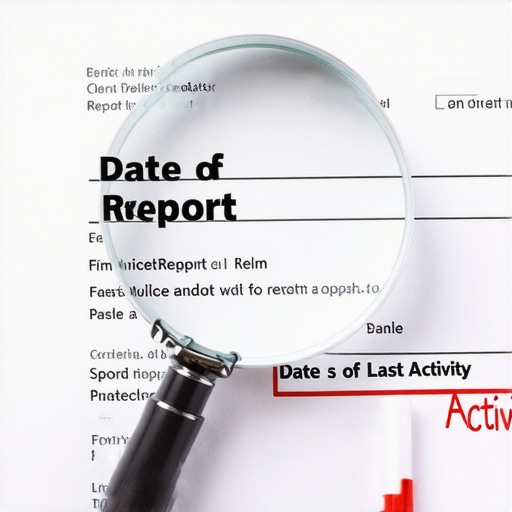
Why a zero balance might actually hurt your score
Here is the ‘oops’ factor that catches almost everyone: the ‘All-Zero’ penalty. If you are hyper-focused on the science of credit repair, you might think having $0 balances across every card is the goal. It isn’t. FICO models often penalize profiles where every revolving account shows a zero balance because it makes you look ‘inactive.’ This is often why your score won’t budge despite paying down debt. To maximize points, you want one small balance reporting on a single card—a strategy known as ‘AZEO’ (All Zero Except One).
Can a non-profit credit counselor really save your home loan?
People see the word ‘non-profit’ and assume it’s a charity. It’s not. Many of these agencies are funded by the very banks you owe money to through ‘fair share’ contributions. While they can help lower interest rates, entering a Debt Management Plan (DMP) can sometimes appear as a negative signal to specific mortgage lenders. You need to know credit counseling secrets to achieve financial freedom without locking yourself out of future financing. According to the National Consumer Law Center (NCLC), some consumers find that these plans don’t offer the flexibility needed during financial emergencies, leading to a total collapse of the repayment strategy. Always ask the one question to ask before signing with a credit counselor: ‘Will this plan be reported to the bureaus in a way that flags my account?’ Don’t just take their word for it; get the reporting policy in writing. We’ve all been told that being ‘honest’ with creditors is the only way out, but in the world of credit scoring, accuracy and strategy beat honesty every single time. Have you ever fallen into this trap where doing the ‘right’ thing actually lowered your score? Let me know in the comments.
Moving beyond those initial hurdles requires a shift from ‘fixing’ to ‘managing.’ I used to think I could just repair my credit once and then never look at it again, but that’s like cleaning your house once and expecting it to stay spotless forever. To stay in the high 700s, I stopped relying on those free ‘credit monitoring’ apps that only give you a VantageScore. Lenders rarely use that. Instead, I moved toward the easiest way to track your FICO score for free, ensuring I’m seeing the same data that a mortgage officer or auto lender sees. 
Ditch the generic score apps for actual FICO data
I personally use a simple encrypted spreadsheet to log my monthly balances and ‘statement closing dates.’ Most people confuse their ‘due date’ with their ‘statement date.’ If you pay on the due date, the high balance has already been reported to the bureaus, and your score takes a hit. By paying three days before the statement date, you ensure a low utilization rate is reported. I’ve found that unlocking your credit score potential with expert tips for 2025 means mastering this timing. It’s not about how much you spend; it’s about what the bureaus see when they take their monthly snapshot of your accounts.
The software I actually trust to organize my disputes
When things get complicated, you might be tempted by automated platforms. I’ve compared the truth about credit repair software vs. professional services and realized that while software helps with organization, it often lacks the nuance needed for a ‘factual dispute.’ According to the CFPB’s 2023 Consumer Response Annual Report, the bureaus are increasingly using AI to flag and dismiss disputes that look ‘templated’ or automated. To avoid this, I use a physical folder for every bureau and keep a ‘chain of custody’ for every piece of mail. It sounds old-fashioned, but in an era of digital rejections, the physical paper trail is your only real protection. You must continue to improve your credit score with proven repair techniques that emphasize manual customization over mass-produced letters.
How do I keep my score from dropping after all this work?
Maintenance is about anticipating the ‘Trended Data’ shift. I predict that within the next two years, FICO 10T and VantageScore 4.0 will become the standard. These models don’t just look at your score today; they look at your behavior over the last 24 months. If you are constantly maxing out cards and paying them off, the new models will see that as high-risk ‘revolving’ behavior. To stay ahead, you need to avoid common pitfalls in credit counseling programs that might encourage you to close old accounts. Closing an account is the fastest way to shrink your ‘age of credit’ and tank your score. Instead, keep those old cards in a drawer and put one small recurring subscription on them to keep them active. Start this today: Take your oldest credit card, set one small $10 monthly bill to autopay on it, and set the card’s internal autopay to cover the full balance. This creates a permanent, ‘active’ positive history without you ever having to touch the plastic again.
What Nobody Told Me About Fighting the Credit Bureaus
After years of trial and error, I realized that the credit bureaus aren’t some untouchable government monoliths; they are private data brokers that make mistakes constantly. The hardest lesson I learned is that the burden of proof is actually on them, yet they will try to make you feel like you’re the one under a microscope. When you learn how to dispute errors on your credit report and improve score, you aren’t asking for a favor; you are demanding accuracy as required by federal law. I also discovered that speed is the enemy of quality. If you rush a dispute, you’ll likely get a canned response. True effective credit repair requires a methodical, step-by-step approach where you treat every letter like a legal exhibit.
Another lightbulb moment was realizing that essential credit score boosters aren’t just about deleting the bad stuff. It’s about feeding the algorithm the ‘good’ data it craves, like consistent on-time payments and low utilization. If you’ve had a rough patch, remember that the best way to rebuild after a foreclosure or a series of collections is to start small and be relentless with your follow-ups.
Tools That Kept Me Sane During My Credit Journey
I wouldn’t have made it through the “Unknown Caller” era without a few specific resources. First, I kept a copy of the Fair Debt Collection Practices Act (FDCPA) bookmarked on my phone. It’s your shield. Secondly, I stopped trusting “free” scores and invested in real FICO monitoring, which gave me the clarity I needed to buy my first home. If you’re feeling overwhelmed, don’t ignore professional guidance; you can master credit counseling to find a path that doesn’t involve filing for bankruptcy. Finally, I always kept a “Negotiation Log.” Whenever I had to negotiate a settlement with a collection agency, I recorded names, dates, and badge numbers. This level of organization is what separates those who get their credit fixed from those who stay stuck in the loop.
The Future of Your Financial Freedom Starts Today
You have the tools, the legal knowledge, and the strategy to turn this around. Credit repair isn’t a sprint; it’s a series of intentional moves that eventually add up to a life of lower interest rates and easier loan approvals. Don’t let the fear of a “rejected” letter stop you. The system is designed to test your persistence, and I promise you, the view from a 750 score is worth every stamp you buy. You’ve got this.
Have you ever had a dispute rejected even though you knew the information was wrong? Let me know in the comments below!