

I was sitting on my floor with a calculator that had a sticky ‘5’ key, trying to figure out how $12,000 in debt had started feeling like $100,000. I was desperate. I called a credit counseling agency because the word ‘non-profit’ sounded like a warm hug for my bank account. It wasn’t. I made the massive mistake of assuming they were on my side simply because of their tax status. That mistake cost me years of trying to find fast credit repair tips and a lot of lost sleep. I didn’t realize that the person on the other end of the phone had a quota to fill, just like any other salesperson. My ‘help’ ended up being a one-way ticket to a damaged report because I didn’t know the right question to ask. Today, I’m going to share that specific question with you so you don’t repeat my heartbreak.
The Secret Funding Behind Your Free Counseling
The neighborly truth? These agencies aren’t all saints. I learned the hard way that many credit counselors receive ‘fair share’ payments from the very credit card companies you owe money to. It’s essentially a kickback. If you don’t ask about their funding, you might end up in a plan that benefits the bank’s bottom line more than your own wallet. I wish I had looked into how credit counseling can transform your financial future before I signed away my autonomy. Most people don’t know the truth about most non-profit credit counselors and how they operate behind the scenes. You need to know if they are truly objective or just a debt collector in a nicer suit. Have you ever felt like a financial professional was pushing you toward a solution that felt slightly ‘off’?
Will this actually ruin my credit score more than the debt?
That is the fear that keeps us up at 2:00 AM, isn’t it? You want help, not a scarlet letter on your report. I once signed a Debt Management Plan (DMP) without realizing the agency would mark my accounts as ‘third-party managed.’ To a future mortgage lender, that notation can look almost as bad as a bankruptcy. You have to be incredibly careful about why most debt management plans ruin your future credit. According to the Federal Trade Commission, some debt relief companies claim to be non-profit but hide high fees or provide advice that leaves consumers even deeper in debt. Before you sign, you must ask: ‘How much of your operating budget comes from the creditors you are negotiating with?’ This transparency is the only way to ensure you are receiving the right kind of credit counseling. We are going to break down exactly how to spot the red flags before they cost you your financial freedom.
Demand to see the ‘Fair Share’ agreement
I remember sitting in a cramped office with a guy named Derek. He had a framed certificate from a ‘National Foundation’ on the wall, so I felt safe. He suggested a plan where I’d pay $400 a month. What he didn’t mention was that $60 of that was a ‘contribution’ to his agency from the bank. When I asked him point-blank if the bank paid him to set up these plans, he started stuttering. That was the moment I realized I wasn’t the client; I was the product. You need to demand a written disclosure of their ‘Fair Share’ percentages. If they get more than 10% back from the creditors, their advice is compromised. You have to learn how to choose between credit counseling and debt settlement based on your actual numbers, not their commission. This is about your survival, not their operating budget.

Stop using online portals for your disputes
Think of the credit bureau’s online portal as a ‘shredder’ masquerading as a ‘submit’ button. When you click that ‘dispute’ button on their website, you often waive your right to a full investigation under the Fair Credit Reporting Act. I once spent six months clicking ‘dispute’ on an error that wasn’t mine, only to have it ‘verified’ in seconds every single time. It was maddening. I finally learned the risks of using a bureau portal for complex disputes and switched to physical paper. You want to create the paper trail that kills collection accounts for good. Use the certified mail hack that forces bureau responses. When a physical letter lands on a desk, a human usually has to look at it, and the 30-day clock starts ticking with a legal record of receipt. This is how you actually dispute errors effectively.
Audit your report for re-aged debts before talking to anyone
Before you even pick up the phone to a counselor, you need to be the expert on your own data. Debt collectors love to ‘re-age’ accounts—moving the date of last activity forward to keep a zombie debt on your report for another seven years. It’s illegal, and it’s common. I found a $200 medical bill from my college days that should have dropped off years ago, yet there it was, looking brand new. You must learn how to identify re-aged debt before you pay a cent. If you acknowledge the debt or make a tiny payment, you might accidentally restart the statute of limitations. This is a core part of the ultimate blueprint for effective credit repair. You aren’t just looking for big mistakes; you’re looking for the subtle ‘data-entry errors’ that act like anchors on your score.
Force them to produce the original contract
One of the most powerful moves in your arsenal is the ‘Validation’ request, but most people do it wrong. They ask the agency if the debt is ‘real.’ Of course, the agency says yes. Instead, you need to force a creditor to produce the original signed contract. If they can’t prove they have the right to collect, they have to delete it. I’ve seen thousands of dollars in collections vanish simply because the debt had been sold so many times that the original paperwork was lost in a digital void. This is one of those top credit repair strategies to boost your score faster that requires nothing but a stamp and a little bit of patience. Don’t let a counselor tell you that ‘paying it’ is the only way out. Often, the difference between a paid collection and a deleted one is the difference between a 620 and a 720 score. You want deletions, not ‘paid’ notations.
Everyone tells you that paying down your balance is the magic bullet for your score, but I’ve seen countless people frustrated by why your score won’t budge despite paying down debt. The reality is that credit scoring models are far more nuanced than simple addition and subtraction. If you pay off an old collection that’s been sitting stagnant for five years, you might actually see your score drop temporarily because the ‘last date of activity’ was updated. It’s a cruel irony of the system. This is where most people get tripped up—they mistake a moral victory (paying a debt) for a strategic credit victory. You need to understand the difference between a paid collection and a deleted one before you send a single cent to a collector.
Does a ‘paid’ status actually improve your mortgage odds?
Here is the nuance: while FICO 9 and 10 might ignore paid collections, most mortgage lenders are still using older versions of FICO that do not. According to a report by the Consumer Financial Protection Bureau (CFPB), the persistence of medical debt and older collection data on reports can continue to penalize consumers even after the balance hits zero. If your goal is a home loan, simply paying isn’t enough; you need the mark removed. This is why I always tell people to look for boost your credit score in 2025 top strategies that work that focus on deletion rather than just settlement. Have you ever fallen into this trap? Let me know in the comments.
The hidden trap of disputing your oldest active account
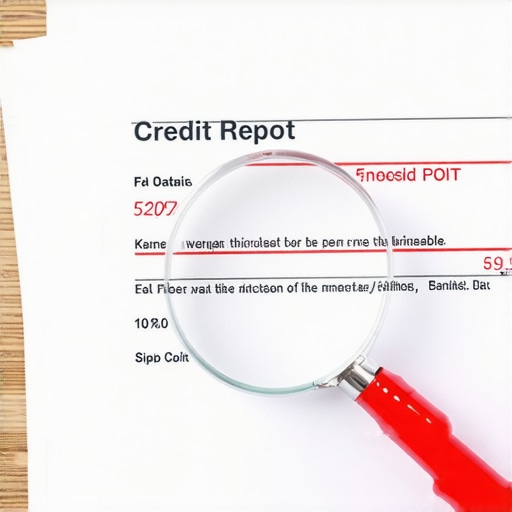
I once saw a client who was so focused on how to dispute errors on your credit report and improve score that they accidentally nuked their own history. They found a tiny $15 clerical error on a credit card they had owned for fifteen years. They filed a dispute through a portal, and the bank, rather than investigating the $15, simply closed the account to ‘resolve’ the dispute. Their score plummeted 50 points overnight because their average age of accounts was cut in half. You must know why you should never dispute an account you still use daily over minor issues. It’s better to call the bank’s customer service directly for active accounts than to trigger a formal credit bureau dispute that could lead to account closure.
Watch out for the ‘fee-only’ counselor facade
Even when you avoid the ‘fair share’ traps, you need to watch for the hidden fees inside debt management plans. Some agencies charge ‘voluntary’ monthly contributions that can add up to thousands over the life of a plan. If you aren’t auditing these costs, you’re just trading one creditor for another. This is part of master credit counseling unlock your path to financial freedom: knowing that every dollar diverted to a ‘fee’ is a dollar not going toward your principal balance. You have to be your own advocate because, at the end of the day, these agencies are businesses, even the ones with the non-profit tax filing.
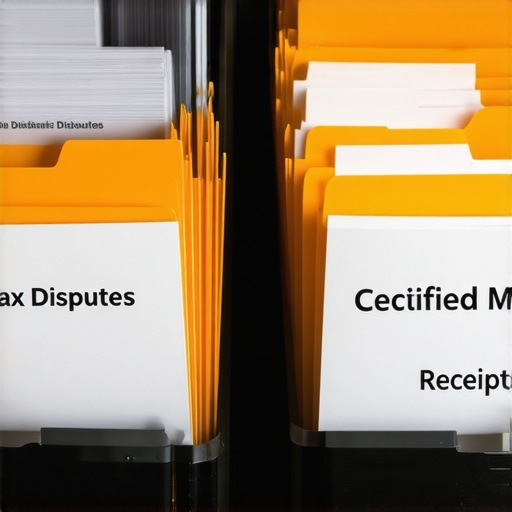
Once the initial fires are out, the game shifts from survival to maintenance. I used to think a simple spreadsheet was enough to track my progress, but I quickly learned that the credit bureaus thrive on consumer disorganization. Now, I advocate for a physical ‘Dispute Binder.’ It sounds old school, but when you need to dispute credit errors swiftly and securely in 2025, having a physical tab for every bureau is a lifesaver. You need to keep hard copies of every letter you send and every green certified mail receipt you receive. If you want to dispute errors like a pro improve your credit with ease, you cannot rely on digital storage that might fail or apps that don’t capture the full legal wording of a bureau’s response.
I’m also a huge proponent of using monitoring tools that give you the ‘raw data’ rather than a pretty interface. Most people stick to the free versions of apps, but those often use VantageScore, which can be misleading since most lenders use FICO. To really unlock your credit score potential expert tips for 2025, you need to see what the lenders see. I personally check my data against key credit score factors every borrower must know at least once a quarter to ensure no ‘zombie debt’ has crawled back onto my report from a junk debt buyer.
How do I maintain my credit momentum for the long haul?
The secret isn’t checking your score every morning—it’s about building a defensive perimeter. I recommend setting up ‘micro-reminders’ for your ‘Last Date of Activity’ on any older accounts. This is the science of credit repair expert advice to elevate your score: knowing that the older an account gets, the more valuable it is to your history. I also suggest keeping a ‘hard inquiry’ freeze in place when you aren’t actively shopping for a loan. This is how you improve your credit score with proven repair techniques in 2025 without constantly stressing over small fluctuations. It prevents administrative errors or unauthorized pulls from chipping away at your hard-earned points.
Prepare for the shift toward trended data
Looking toward the horizon, the industry is moving rapidly toward ‘Trended Data.’ FICO 10T is the latest evolution, and it is fundamentally changing the repair landscape. According to FICO’s technical white paper on the 10T model, the system now analyzes the trajectory of your debt levels over the previous 24 months. It is no longer just a snapshot of whether you paid on time last month; it’s about whether your balances are growing or shrinking over time. This shift means credit repair secrets proven steps to boost your credit score fast are now as much about long-term behavioral trends as they are about correcting individual errors. You can’t just pay off a card today and expect a miracle score tomorrow if your history shows a pattern of increasing debt.
Don’t wait for a mortgage rejection letter to start your deep-dive audit. My favorite ‘power move’ is to how to read the data fields collectors use to track you and find the inconsistencies yourself. Try picking just one account on your report today and cross-referencing the ‘Date of Last Payment’ with your actual bank statements from two years ago. If they don’t match, you’ve found the leverage you need to force a deletion using the ultimate blueprint for effective credit repair. Go look at your most recent statement now and find that discrepancy.
The Brutal Truth I Had to Swallow About Credit Counseling
Looking back at my stack of denial letters, I realized my biggest hurdle wasn’t the debt itself—it was the belief that someone else cared more about my score than I did. I spent months waiting for a counselor to wave a magic wand, but real progress only happened when I stopped being a passive observer and started acting like a forensic auditor. First, I had to accept that ‘non-profit’ is a tax designation, not a personality trait; some of the most helpful advice I ever received came from aggressive consumer advocates, not the friendly voices on the ‘free’ help lines. Second, I learned that a single well-crafted letter is worth more than fifty phone calls to a collector who is trained to manipulate your emotions. If you really want to change your trajectory, you must dive into the ultimate guide to credit counseling take control of your financial future and realize that you are the CEO of your own data. No one is coming to save you, but with the right information, you can absolutely save yourself.
The Only Tools I Actually Use to Fight the Bureaus
I’ve wasted hundreds of dollars on fancy software, but my actual ‘war chest’ is surprisingly simple. My most trusted resource is a physical ‘Dispute Binder’ where I keep my certified mail receipts—this is the only evidence that holds up if you ever have to take a bureau to court. I also rely heavily on mastering credit disputes a step-by-step guide to success to ensure my wording is legally precise. For monitoring, I ignore the ‘educational’ scores offered by banks and strictly use services that provide my actual FICO 8 and FICO 9 scores, as those are what lenders actually see. Lastly, I keep a digital archive of every single ‘Result of Reinvestigation’ letter I’ve ever received, because bureaus often try to re-insert deleted items years later, and having that old deletion letter is your ‘get out of jail free’ card. Using fast credit repair tips navigating dispute errors with confidence has saved me more time than any automated app ever could.
#IMAGE_PLACEHOLDER_E#
Your Path to a 750 Score Starts Tonight
The journey from a damaged report to financial freedom isn’t a sprint; it’s a series of strategic moves that build on one another. You’ve already taken the hardest step by educating yourself on the traps and the ‘fair share’ kickbacks that keep most people stuck. Now, it is time to apply credit counseling secrets achieve financial freedom in 2025 to your specific situation. Whether you are dealing with a re-aged debt or a stubborn medical collection, remember that the law is on your side, provided you document every step. You have the power to rewrite your financial narrative and open doors that have been closed for years. Your credit score is just a reflection of data, and data can be corrected, challenged, and improved with persistence. Have you found a specific error on your report that you are planning to challenge this week? Let me know in the comments below so we can celebrate that first win together.