

I remember sitting at my kitchen table on a Tuesday afternoon, my phone buzzing for the fourteenth time that day. I knew the area code—it was that debt mill in Georgia that wouldn’t leave me alone. My stomach did that familiar somersault, a mix of shame and pure frustration. At the time, I owed about $1,200 on an old card I’d let slip during a job transition, and a guy named ‘Mike’ was calling me every hour to tell me I was a deadbeat. I actually believed him for a second. I made the ultimate rookie mistake: I tried to argue my case over the phone, and I nearly crumbled when he threatened to sue. That was my rock bottom, but it was also the moment I realized that debt collectors aren’t judges—they are just commission-based salesmen who want a file off their desk. Today, I am going to show you how to flip the script so you can finally breathe again. We are going to turn that paralyzing fear into a cold, calculated business transaction where you hold the cards.
Collectors Want Your Cash and That Is Your Only Leverage
Most people think they are at the mercy of the agency, but the reality is that these companies often buy your debt for pennies on the dollar. Sometimes they pay as little as four cents for every dollar of debt. Every cent they squeeze out of you above that price is pure profit. I didn’t understand this when I first started trying to boost my credit score. I actually thought they were doing me a favor by ‘allowing’ me to pay them back. It’s a psychological game, and once you realize they are more desperate for a settlement than you are to pay the full amount, the power shifts. You need to focus on how to negotiate a pay for delete so that your payment actually cleans up your history rather than just updating a status.
Does Negotiating Actually Work for Regular People?
You might be sitting there thinking, ‘I’m not a lawyer, I’m just someone with a stack of bills and a low bank balance.’ I get it. I felt the exact same way when I was trying to dispute errors effectively on my own report. The truth is, you aren’t alone in this fight. According to the Consumer Financial Protection Bureau, nearly 1 in 3 Americans with a credit report have a debt in collections. This is a massive industry, and because of that volume, agencies prefer a quick ‘win’ over a long, drawn-out legal battle. If you offer them a lump sum that covers their initial cost and a bit of profit, they will usually take the money and run. My biggest early mistake was sending a partial payment without a written agreement, which just restarted the clock on my debt. To avoid that, you must stop calling debt collectors and start mailing these forms to ensure you have a physical record of every promise they make. Have you ever had a collector try to bully you into a payment you couldn’t afford? Let me know in the comments, because chances are, what they told you wasn’t even legal.
Make Them Prove the Debt is Even Real
The biggest mistake people make is assuming the collector actually has the legal right to take their money. Think of a debt collector like a guy selling a ‘slightly used’ Rolex on a street corner; you wouldn’t hand over your cash without seeing the paperwork, right? You must demand a formal validation of the debt within the first thirty days of contact. Most agencies are just counting on you being too scared to ask. Use the first letter you should send to a new collection agency to force them to produce the original contract or at least a detailed accounting of the balance. If they can’t produce it—and often they can’t because these files are sold in bulk like digital scrap metal—they legally have to stop bothering you. I once spent four months arguing with a collector over a supposed gym membership from three years prior. I was losing sleep until I finally stopped talking and started writing. Once I demanded the original signed agreement, they went silent. Two weeks later, the account vanished from my report because they realized they had no legs to stand on.
The Certified Mail Paper Trail is Your Best Weapon
Stop picking up the phone. Every time you talk to a collector, you risk saying something that resets the statute of limitations or admits to a debt that might not even be yours. You need to how to use the fair debt collection practices act to win by moving all communication to the US Postal Service. Specifically, use the the certified mail hack that forces bureau responses. This gives you a green return receipt that serves as a physical receipt of their receipt. It’s the only way to prove they received your dispute if you ever have to take them to court or show a judge you did your due diligence. 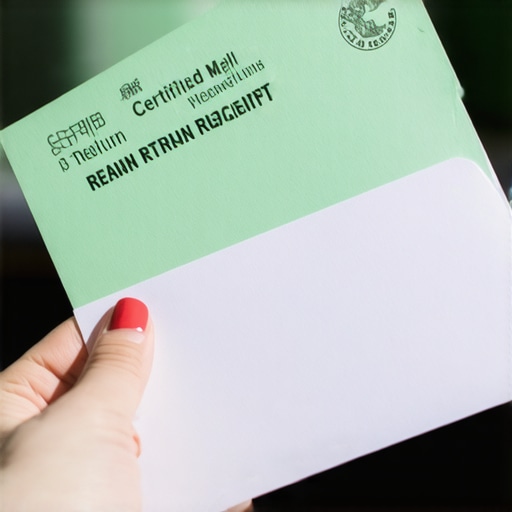
Don’t Let Them Re-Age Your Old Mistakes
One of the slimiest things a collector can do is ‘re-age’ a debt. This happens when they change the ‘date of last activity’ on your credit report to make an old debt look brand new. It’s like a store changing the expiration date on a gallon of milk. This keeps the negative item on your report for another seven years, which is a massive blow when you are trying to dispute errors like a pro-improve your credit with ease. You need to learn how to identify re-aged debt before you pay a cent. If the dates don’t match your original records, you have them dead to rights on a Fair Credit Reporting Act violation.
Seal the Deal with a Written Agreement
If the debt is legitimate and you decide to settle, never—and I mean never—pay a single penny until you have a ‘Pay for Delete’ agreement in your physical mailbox. A verbal promise over the phone is worth less than the air used to speak it. They will tell you anything to get your debit card number. You need to secure the paper trail that protects you during debt settlements. This document must explicitly state that in exchange for your payment, they will completely remove the account from all three credit bureaus, not just mark it as ‘paid.’ A ‘paid collection’ is still a collection, and it hurts your score nearly as much as an unpaid one. This is about building the paper trail that kills collection accounts for good, ensuring that once you pay, the ghost of that debt doesn’t come back to haunt your future mortgage or car loan applications.Most people assume that ‘non-profit’ credit counseling is a safe haven for those drowning in debt. It sounds noble, right? In reality, many of these agencies receive ‘fair share’ payments from the very creditors you owe, which can create a massive conflict of interest. According to the National Consumer Law Center, some of these programs function more like collection arms for the banks than advocates for the consumer. You need to look at the truth about most non-profit credit counselors before you sign any agreements that might restrict your future financial moves. While they can help lower interest rates, they often overlook how to avoid common pitfalls in credit counseling programs, such as the fact that some lenders view a debt management plan as a negative signal equivalent to a Chapter 13 bankruptcy. Have you ever fallen into this trap? Let me know in the comments.
The Convenience Trap of One-Click Online Disputes
The absolute biggest ‘oops’ factor I see today is the ‘Dispute’ button on popular credit monitoring apps. It is a trap designed to save the bureaus money, not to help you. When you use that button, you often waive your right to a full investigation under the Fair Credit Reporting Act (FCRA) and you are limited to a tiny drop-down menu of generic reasons. This is why you should stop using the dispute button on credit karma right now. If you want results, you need a nuanced approach that identifies the difference between a factual dispute and a general denial. An online click is processed by a machine in seconds, whereas a physical letter demands a human (or at least a more sophisticated protocol) to review your specific evidence. This is often why your online dispute was rejected in seconds without any real consideration of the facts.
Can a Computer Really Decide the Fate of Your Credit Score?
The secret the bureaus don’t want you to know is that they use a system called e-OSCAR to automate the process. Your carefully written four-page letter is often reduced to a three-digit code by a low-wage worker who has less than four minutes to process your file. To win, you have to learn how to bypass the automated rejection filters at transunion and the other bureaus. This involves using specific formatting and including evidence that the machine can’t simply ignore.  This is where why your dispute letter needs a real signature not a script becomes vital; robotic, templated letters are flagged as ‘frivolous’ by the system before they even reach a human desk. By mastering the science of credit repair expert advice to elevate your score, you move from being a victim of the algorithm to someone who knows exactly how to trigger a manual review. If you’ve been wondering why your last dispute letter got ignored by equifax, it’s likely because you didn’t provide the specific, unignorable proof that forces them to actually do their jobs. It’s time to stop playing the game by their rules and start using the law to dispute credit errors swiftly and securely in 2025.Once you’ve successfully forced a bureau’s hand, the real work shifts from offense to defense. I don’t just rely on luck; I use a very specific digital paper trail to ensure those deleted items never sneak back onto my report. My personal ‘tech stack’ for this isn’t fancy—it’s a dedicated Fujitsu ScanSnap for digitizing every single piece of mail and a color-coded Google Sheet. I track the date I mailed the letter, the certified mail tracking number, and the date the response is due. If you aren’t tracking these details, you are essentially flying blind. You need the document checklist for a successful credit dispute to stay organized. Without a system, it is too easy to lose track of which ‘verification’ came from which agency, and that’s exactly what the bureaus want.
My Secret Weapon is a Three-Ring Binder and a ScanSnap
For those of you who want to go pro, stop relying on the bureaus’ internal websites to save your history. I personally keep a physical binder where I store the original ‘deletion letters.’ These are your golden tickets. If a zombie debt buyer tries to report a settled account three years from now, that physical letter is the only thing that will save you. This is the core of the ultimate blueprint for effective credit repair. I also use a specialized tool called ‘Credit Hero Score’ or the official MyFICO app to see the ‘mortgage’ and ‘auto’ versions of my score, not just the generic VantageScore you see on free apps. This gives me the same view a lender has, which is unlock your credit score potential expert tips for 2025 that most people overlook. 
How do I keep my score from dropping after I fix it?
Maintenance is a habit, not a one-time event. I set calendar alerts for the first of every month to check the easiest way to track your fico score for free. It takes five minutes, but it catches errors before they become catastrophes. Long-term success also means knowing how to keep your credit healthy during a job loss or other life emergencies. The bureaus are legally bound by Section 611(a)(1)(A) of the Fair Credit Reporting Act, which, as noted by the National Association of Consumer Advocates, requires a ‘reasonable reinvestigation’ of any disputed item. If you notice a score dip, you must act within thirty days to preserve your rights under this statute.
AI is Changing the Way We Fight the Bureaus
Looking ahead, I predict that ‘Automated Dispute AI’ will become the standard for both sides. The bureaus are already using machine learning to flag ‘template’ letters, which is why the science of credit repair expert advice to elevate your score now emphasizes handwritten signatures and unique phrasing. To stay ahead, you must treat your credit report like a living document. If you’ve reached a plateau, I challenge you to try this: go back and look for a ‘Social Security Number Mismatch’ or an ‘Address Variation’ you ignored before. Removing these ‘minor’ errors often triggers a systemic refresh that can push you into the next tier. Start by focusing on how to build a 700 score from zero in six months and never stop auditing your own data.
What I Wish Someone Told Me Before I Mailed That First Letter
The most important thing I realized is that patience is your greatest asset. When you first start using credit repair secrets, you expect an overnight miracle. The reality is that the bureaus are designed to wear you down with stall tactics. I once had a dispute rejected three times before they finally admitted I was right. Don’t let their form letters discourage you; they are just testing to see if you are serious. Also, remember that a ‘verified’ debt isn’t the end of the road. It just means you need to dig deeper into the mastering credit disputes process by demanding the actual data fields and metadata they used for that verification.
My Go-To Tools for a Bulletproof Financial Rebuild
You don’t need a thousand-dollar software suite to win this fight, but you do need the right intel. First, I always recommend using a dedicated tracking app because it provides the actual scores lenders use, not the ‘educational’ scores that can be off by 50 points. Second, if you find yourself overwhelmed by debt, reading an ultimate guide to credit counseling can help you decide if you need a structured plan or if you can handle it solo. I personally use a simple physical scanner to keep every single letter organized, which has saved my skin more than once when a collector tried to claim they never received my cease and desist. Understanding how credit counseling can transform your financial future is about knowing which tools to pick up and which to leave on the shelf.
#IMAGE_PLACEHOLDER_E#
The Road to 800 Starts with One Stamp
It is easy to feel like the system is rigged against you, but the Fair Credit Reporting Act exists for a reason. You have the legal right to an accurate, verifiable report, and you are the only one who cares enough to enforce that right. Don’t wait for the ‘perfect’ time to start cleaning up your history. Whether you are aiming for a new home, a better interest rate on a car, or just the peace of mind that comes with a clean file, that journey begins with a single certified letter. You have the strategy, the laws are on your side, and now you have the leverage to finally take back control. Have you ever felt like you were making progress only to have an old debt resurface out of nowhere? Share your story in the comments below so we can troubleshoot it together!