

I sat there for three years, watching my phone light up like a Christmas tree with calls from agencies I’d never even heard of. I thought if I just picked up and explained my situation—you know, the ‘human’ approach—they would see I was a good person who just hit a rough patch. I was dead wrong. Every time I spoke to them, I was inadvertently restarting the clock or giving away information that made my situation worse. It wasn’t until I stopped talking and started typing that things actually changed. Today, I’m going to show you why the mailbox is your secret weapon and how to use it to reclaim your peace of mind.
Your Voice Has No Power in a Call Center
When I first started my journey toward effective credit repair, I made the massive mistake of thinking a phone conversation was a legal record. It’s not. Collection agents are trained to push your buttons and get you to admit to a debt you might not even owe. I remember one specific afternoon when I spent forty minutes on the phone with a guy named ‘Mike’ who promised he’d stop calling if I made a tiny payment. I did it, and not only did the calls continue, but I also accidentally acknowledged the debt, resetting the statute of limitations. That’s a mistake I don’t want you to repeat. If you want to stop collection calls for good, you have to realize that these agencies only respect what is documented in writing. According to the Consumer Financial Protection Bureau (CFPB), debt collection is the top industry consumers complain about, with many reporting harassment for debts that were either already paid or never existed.
Is sending a physical letter actually worth the effort?
Many of my neighbors ask me if in the age of email and apps, a physical stamp and envelope really make a difference. The answer is a resounding yes. When you use a debt validation letter, you are invoking federal laws like the Fair Debt Collection Practices Act in a way that is legally binding and traceable. You are forcing them to prove the debt is legal before they can take another dime from you. Have you ever felt like you were being bullied by a voice on the other end of the line with no way to fight back? That feeling of helplessness ends when you switch mediums. By the end of this, you’ll see why people who chase loans claiming no credit check are looking in the wrong place, when the real solution is often sitting right in their printer tray. We are going to go through the exact forms that move the needle.
Move from the Phone to the Physical File
I spent hundreds of hours squinting at my monitor before I realized that the digital path is actually a trap. When you use those ‘easy’ one-click buttons on a credit bureau’s website, you are often waiving your right to a full investigation. To truly dispute errors like a pro, you need to step away from the keyboard and head to the post office. I remember my first attempt at a dispute for a $400 utility bill that wasn’t mine; I used an online portal and was rejected in forty-eight hours. It felt like a punch in the gut. I realized then that the automated system is built for speed, not for your justice. The real power lies in your ability to read the data fields collectors use to track you and challenge them on paper. 
Check the Data Points Like a Forensic Accountant
Most people just look at the balance, but the magic is in the metadata. You need to look for discrepancies in the ‘Date of Last Activity’ or the ‘Account Type.’ If a debt collector has listed a past-due credit card as a ‘Factoring Company Account,’ they are likely breaking the law. This is where you apply the method of verification trick that bureaus hate. You aren’t just saying ‘this isn’t mine’; you are demanding they show the specific accounting logs that prove the balance is accurate. If you want to dispute a debt that isnt yours effectively, you have to be more meticulous than the algorithm that flagged you. I once found an error where a collector was reporting the same debt twice under different names. By highlighting that specific data mismatch in a physical letter, I forced a deletion that boosted my score by thirty points in a single month.
Why You Need a Physical Signature on Every Letter
There is a huge industry built around selling people templates, but the truth about those generic dispute letter templates is that the bureaus have scanners designed to recognize and ignore them. They see a form letter and immediately label it ‘frivolous.’ This is why your dispute letter needs a real signature not a script. When a human at the bureau sees a handwritten or personally signed document, they are legally required to treat it with a different level of scrutiny. It proves a real person is behind the claim, not a bot.
Force Them to Show Their Cards
Once you’ve identified the errors, it’s time to send the first letter you should send to a new collection agency. This isn’t a request; it’s a legal demand for validation. Think of it like a game of poker where you are calling their bluff. Many collectors buy debt for pennies on the dollar and don’t actually have the original contract or the itemized billing statement. When you challenge a debt collector to prove the debt is legal, you are betting that they don’t have the paperwork. If they can’t produce it within thirty days, they must stop collection efforts and remove the entry. This is the paper trail that kills collection accounts for good. Always remember that why you should never pay a collection agency over the phone is simple: once the money is gone, your leverage is gone too. By staying on the physical path, you maintain total control over the narrative and the evidence.I’ve seen people throw thousands of dollars at old debts thinking their score would skyrocket the next day. It’s the most common heartbreak in this business. Most folks assume that once a balance hits zero, the credit bureaus reward them for their honesty. In reality, the scoring models—especially older versions still used by mortgage lenders—often don’t care if a collection is paid or unpaid; they only care that it is there. Knowing the difference between a paid collection and a deleted one is the gap between a 620 and a 740. If you don’t negotiate a pay-for-delete agreement, you are essentially handing over your leverage for a status update that says ‘Settled,’ which carries almost as much negative weight as a ‘Default’ in the eyes of a cold algorithm.
Does a higher salary actually make you more creditworthy?
One of the biggest myths I encounter is the belief that a promotion or a six-figure salary will fix a broken score. It won’t. In fact, why your income level does not dictate your credit score is a fundamental rule of the FICO system. According to a study by the Consumer Federation of America, credit scores measure the risk of default based on past behavior, not the size of your bank account. I’ve met doctors earning $300,000 with scores in the low 500s because they missed utility bills, and retirees living on modest pensions with perfect 850s. 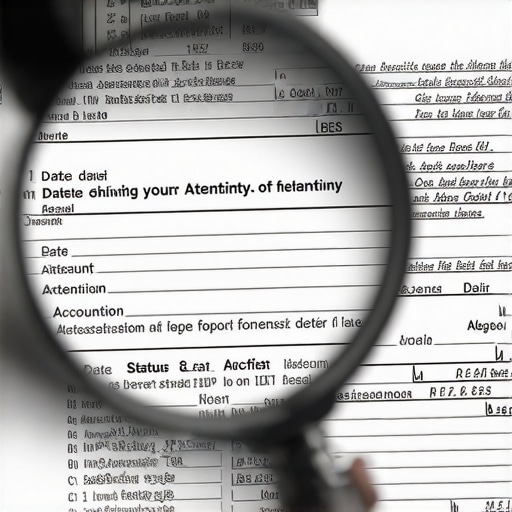 Let’s talk about the ‘Oops’ factor that ruins most DIY attempts. People get so excited about ‘cleaning house’ that they start closing a paid-off credit card, thinking it shows responsibility. This is a massive mistake. Closing an account—especially your oldest one—slashes your ‘age of credit’ and spikes your utilization. You are effectively erasing your own history. Have you ever fallen into this trap of trying to be ‘too clean’ and seeing your score drop? Let me know in the comments. Finally, beware of the ‘magic bullet’ syndrome. YouTube is full of people claiming the 609 letter actually works as some secret legal loophole. It’s not a loophole; it is just a request for verification. If you rely on a template without the data-field precision I mentioned earlier, you are just wasting stamps. If you feel overwhelmed, credit counseling secrets can offer a path, but even then, you must ensure the plan doesn’t involve closing your lines of credit. Always look at the fine print of the ultimate guide to credit counseling before you sign anything. Focus on the data, not the emotions.Once you move past the initial shock of fixing errors, you need a system that ensures those ghosts don’t come back to haunt your file. I don’t just rely on memory; I use a dedicated hardware setup to manage my financial life. I personally swear by a high-speed document scanner like the Fujitsu ScanSnap iX1600. Why? Because when you are dealing with the ‘paper trail’ I mentioned earlier, you need a digital, searchable backup of every certified mail receipt and every response from a bureau. This is the foundation of the ultimate blueprint for effective credit repair. If a deleted collection suddenly reappears—a process known as ‘re-aging’—having your original deletion letter scanned and ready to fire back is the only way to dispute errors effectively without starting from scratch.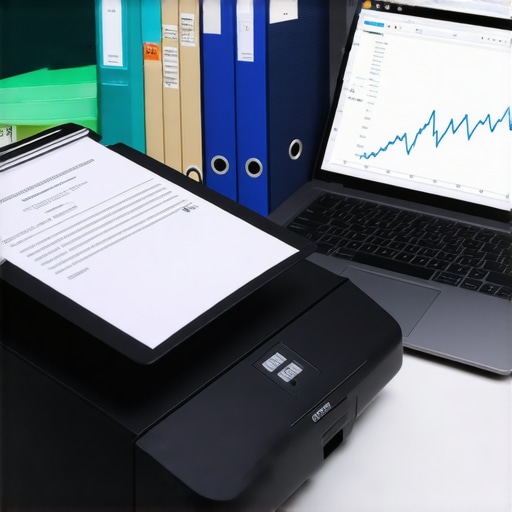
Stop Guessing With Your Score Tracking
Most people are addicted to free apps that show a ‘VantageScore,’ which is basically a participation trophy in the lending world. Lenders don’t use it. I use MyFICO to get my actual FICO 8, 9, and the older mortgage scores (2, 4, and 5). It’s the easiest way to track your fico score for free or through a paid tier that gives you the deep data. This helps you unlock your credit score potential because you are finally looking at the same dashboard as the bank. I’ve found that seeing the specific ‘reason codes’ on these reports allows me to dispute credit errors swiftly and securely in 2025 before they can drag my average down.
How do I maintain my credit score over time?
Consistency is more important than intensity. I follow a strict routine called the mid-month payment move that lowers your utilization. By paying my balance before the ‘statement closing date’ rather than the ‘due date,’ the bureaus see a 0% or 1% usage instead of whatever I spent that month. I also apply the 2-point rule for lowering credit utilization to ensure my revolving debt never crosses a threshold that triggers a hard drop. Looking ahead, we are moving toward a ‘trended data’ environment. According to the Fair Isaac Corporation’s technical brief on FICO Score 10T, lenders are now looking at whether you are paying down debt over 24 months rather than just your current balance. This means your long-term habits are finally being rewarded over short-term fixes. To stay ahead of this shift, you should improve your credit score with proven repair techniques that focus on age and history. Try this today: Go through your last three bank statements and find one small recurring subscription. Move it to your oldest, least-used credit card and set it to autopay. This keeps the account ‘active’ without you having to think about it, preventing the lender from lowering your credit limit or closing the account for inactivity. For more personalized guidance, check out master credit counseling resources to keep your momentum going.
The Expensive Truth I Had to Unlearn
Looking back at the years I spent fighting collectors, I realized that the system isn’t broken; it’s designed to reward those who know the rules. One of the biggest ‘lightbulb moments’ for me was discovering that credit repair secrets aren’t about magic tricks, but about meticulous documentation. I spent far too long thinking my integrity would speak for itself, only to find that bureaus only speak ‘Evidence.’ Another hard lesson was realizing that a high income doesn’t shield you from errors; in fact, it can make you a bigger target for aggressive collectors. Finally, I learned that key credit score factors every borrower must know are often counter-intuitive, like the fact that paying off an old account can actually lower your score temporarily. Understanding the science of credit repair changed my perspective from being a victim to being an auditor.
Gear That Keeps My Financial Life in Check
If you are serious about this, you need more than just hope. I personally use a three-pronged approach for my records. First, a physical ‘Credit War Chest’—an accordion folder where I keep every single certified mail receipt. Second, I rely on MyFICO because it is the only place I can see the exact data models lenders use. Third, I keep a digital copy of the ultimate guide to credit counseling on my phone as a reference for whenever a debt collector tries to use a new tactic. These tools ensure that if I ever need to dispute errors effectively, I am never starting from zero.
#IMAGE_PLACEHOLDER_E#
Take Your Power Back From the Algorithms
The journey toward a better credit score isn’t just about getting a new car or a lower interest rate; it is about the peace of mind that comes when a phone call from an unknown number doesn’t make your heart skip a beat. Whether you choose to go it alone or seek how credit counseling can transform your financial future, the most important step is the one you take today. You don’t have to fix everything at once—you just have to stop being a passive observer of your own report. Your financial future is waiting for you to pick up the pen. Have you ever felt like you were doing everything right only to see your score drop for no reason? Let me know in the comments below!