

I remember sitting in that stiff plastic chair at a local car dealership, palms sweating, waiting for the finance guy to come back with a yes. I knew my score was a solid 740. I had done the work. But when he walked back in, he did not have keys; he had a confused look. You have got a serious delinquency from a surgical center, he said. I was floored. I did not owe anyone a dime. That moment was my wake-up call that the Big Three bureaus are not the only ones keeping tabs on us. There is a whole world of specialized medical credit reports out there—shadow files that most people do not even know exist until they get slapped with a high interest rate or a flat-out rejection.
The Hidden Reports Quietly Sabotaging Your Financial Reputation
Most of us obsess over our FICO scores, but lenders are increasingly looking at secondary agencies like LexisNexis or SageStream to see your medical payment history. I made the massive mistake early on of thinking if my Experian report looked clean, I was golden. I was wrong. These specialized reports often contain outdated or flat-out incorrect information that never makes it to the main stage but still ruins the show. According to the Consumer Financial Protection Bureau (CFPB), medical billing data is notoriously unreliable, yet it is used to judge your riskiness every single day. Today, I am going to show you how to peel back the curtain, find these inaccuracies, and dispute errors effectively so you can stop paying for mistakes you did not make.
Is checking these niche reports really worth the extra effort?
You might be thinking, I already have enough to do without hunting down obscure reports. I get it. But let me tell you, finding the most common errors found on medical collections before a lender does is the difference between a 3% and a 7% interest rate. It is about taking back control. When you dispute errors like a pro, you are not just fixing a number; you are protecting your family’s future. Have you ever been blindsided by a debt you were sure you had already paid off? I would love to hear how you handled it. We are going to dive deep into exactly which reports you need to pull and how to spot the tiny typos that cost thousands.
Expose the Ghost Bureaus Holding Your Data
Think of your credit profile like a high school permanent record. While the Big Three bureaus are the main office, companies like LexisNexis and SageStream are the specialized teachers keeping detailed notes in the hallway. To start, you need to request your ‘Full File Disclosure’ from LexisNexis. It is often hundreds of pages long and contains everything from previous addresses to every medical provider you have ever visited. If you do not look at this, you are essentially walking into a financial battle blindfolded. These hidden data points that lenders use beyond your score can influence your insurance premiums and even job offers. I remember the first time I pulled my own report; I found a record of a ‘stray’ hospital visit from a town I had never even lived in. It turned out a data entry clerk had mistyped a Social Security number by one digit. Because I did not catch it immediately, my interest rates were higher than they should have been. I had to learn exactly how to fix a credit file that has been merged with a relative or a total stranger.
Grab Your Full File Disclosure Today
Go beyond the annualcreditreport.com site. You must contact LexisNexis and SageStream directly to request your consumer disclosure. By law, they must provide this to you for free once a year. When it arrives, do not just skim it. Look for names that are slightly off, old addresses where you never lived, and medical providers you do not recognize. This is the foundation of mastering credit disputes. If you find a name variation that is not yours, you need to use the best way to handle a wrong name on your credit profile to ensure those medical debts are not being tied to you by mistake.
Audit Your File Like a Forensic Accountant
Once you have the reports, compare them against your actual medical receipts. Check the ‘Date of Last Activity’ and the balance. Often, a medical provider will bill your insurance, get a partial payment, and then send the remaining ‘balance bill’ to collections without ever notifying you. This creates the most common errors found on medical collections. If the debt is older than seven years, it should not be there at all. Use the proof needed to delete a collection that is past the statute of limitations to force its removal. I once found a $40 lab fee from 2012 still haunting my LexisNexis file in 2021; a single letter citing the age of the debt wiped it out in days.
Stop Falling for the Online Dispute Trap
When you find a mistake, do not use the ‘easy’ button on the bureau’s website. Why online dispute portals are a trap for consumers is simple: you often waive your right to a full reinvestigation and cannot provide the specific paper trail needed to win. Instead, use certified mail with a return receipt. This creates a legal clock that the bureau must respect.
Demand a Method of Verification
If the bureau claims the medical debt is ‘verified,’ do not take their word for it. You have the right to ask exactly how they checked it. This is why you should ask for a method of verification every time. If they cannot prove they spoke to a human at the hospital who confirmed the records, they must delete the entry. Using the method for beating automated dispute scanners at the bureau involves sending handwritten letters and specific evidence that a computer cannot easily dismiss. You are not just asking for a correction; you are enforcing your rights under the Fair Credit Reporting Act.Let’s dig deeper because most people stop at the surface, and that is exactly where the banks want you. I have seen countless folks head straight for a non-profit credit counseling agency thinking they are taking the moral high ground. But here is a contrarian reality: the difference between non-profit and for-profit counseling is often paper-thin. Many non-profit agencies are heavily subsidized by the credit card companies themselves. This creates a conflict of interest where why most credit counselors don’t want you to settle becomes clear—they want you on a repayment plan that ensures the bank gets every cent plus interest. Before you sign anything, you must learn how to read the fine print in a credit counseling agreement. I once worked with a client who thought they were being ‘rescued,’ only to realize the hidden fees in some debt management plans were costing them more than the interest they were trying to avoid. According to a report by the National Consumer Law Center (NCLC), some debt management plans can actually leave consumers in a worse position if they do not account for the impact on their credit mix and the high fees hidden in the fine print.
Stop Assuming Every Non-Profit Has Your Best Interests at Heart
The label ‘non-profit’ is a tax status, not a guarantee of altruism. If you are not careful, you might be handed a one-size-fits-all plan that does not address your specific medical debt crisis. This is where you need to look into mastering credit counseling on your own terms. Have you ever fallen into this trap? Let me know in the comments. I have found that individual strategy usually beats a corporate ‘plan’ every single time.#IMAGE_PLACE_HOLDER_C#
The Zero Balance Paradox That Keeps Your Score Stuck
Another massive ‘oops’ factor I see is the obsession with zero balances. People think that if they pay off every single card, their score will skyrocket. Instead, they find the reason your score stalled despite no new collections is the ‘All Zero’ penalty. FICO models actually like to see a tiny bit of activity. I learned this the hard way after paying off significant debt only to see my score drop 15 points. This is why keeping a zero balance on all cards might hurt your score. You want one card to report a balance of about 1% of its limit to show active, responsible management. It sounds counterintuitive, but playing the math game is how you win. Furthermore, do not get distracted by flashy shortcuts. I tell everyone why you should avoid rapid rescore services for small gains; they are often expensive band-aids for deeper wounds.
Can I Outsmart the Credit Bureau’s Automated Systems?
This is the question I get from people who have tried everything and failed. The answer is yes, but it requires understanding the truth about credit repair software vs. professional help. Software is great for identifying errors, but it cannot argue the nuance of the law or handle a stalled reinvestigation. When you dispute errors like a pro, you are moving beyond simple ‘not mine’ claims. You are attacking the procedural integrity of the data. Use top credit repair strategies to boost your score faster by focusing on the ‘Metro 2’ compliance of the data being reported. If the bureau’s computer cannot verify the exact character count of your address across all fields, that is a reporting violation. This is the level of detail that separates a 700 from an 800. Take a look at the ultimate blueprint for effective credit repair and start looking at your file like a prosecutor, not a victim. Your financial reputation is worth the extra hour of study.
Once you have successfully navigated the trenches of credit repair, the focus must shift to preservation. I do not just ‘check’ my score; I manage it like a high-stakes portfolio. I personally keep my files in a permanent state of suspension because why a credit freeze is your best defense against identity theft becomes obvious the moment you realize how many third parties are pinging your data. By locking the door, you stop the ‘soft pulls’ that lenders use to profile you for predatory products.
Keep the Vultures at Bay with a Strategic Freeze
Most people assume a freeze is for after a crisis, but I use it as a preventative shield. It also forces you to be intentional about new credit applications. While you are at it, you should learn how to stop the bureau from selling your information to lenders. Opting out of ‘prescreened’ offers through official channels like OptOutPrescreen.com is a non-negotiable step for long-term health. It keeps your mailbox empty and your data out of the hands of ‘trigger lead’ sharks who call you the second you apply for a mortgage. 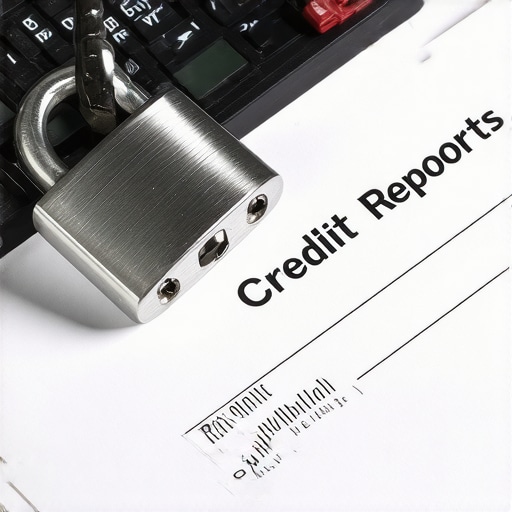
How do I maintain a flawless credit score over the long haul?
Maintenance is about consistency and the right tools. I do not rely on the free apps that update once a month. I track the truth about how often your score actually refreshes by using a dedicated monitoring service that provides ‘Daily FICO’ updates. This allows me to see if a utility company or an old medical biller tries to sneak a ‘zombie’ collection onto my file in real-time. If they do, I immediately apply how to dispute errors on your credit report and improve score by launching a targeted strike before the damage cements.
AI is Changing the Way Bureaus Ignore You
Looking ahead, the credit reporting landscape is shifting toward heavy automation. The ‘Big Three’ are already utilizing sophisticated AI models to flag and dismiss disputes that look ‘templated.’ This means the method for beating automated dispute scanners at the bureau—using handwritten elements and non-standard font sizes—is no longer just a ‘hack’; it is becoming a necessity for human eyes to ever see your evidence. According to the CFPB 2023 Annual Report on Credit Reporting Complaints, over 90% of consumers cited ‘automated’ responses as their primary frustration when trying to fix errors. You must be more human than the machine. My top advice? Go to OptOutPrescreen.com and stop the data flow today. It is the single fastest way to clean up your financial reputation without spending a dime.
Hard Truths About Fighting the Credit Machine
Looking back on my journey, the most jarring lesson I learned was that silence from a bureau is a tactical move, not an accident. They bank on you getting frustrated and giving up. I also realized that your medical data is often traded like a commodity, and if you aren’t actively policing it, no one else will. It is vital to remember that a credit score is not a reflection of your character, but a reflection of how well you can manage a flawed reporting system. To truly succeed, you have to shift from a defensive mindset to an offensive one, where you dispute credit errors swiftly and securely in 2025 before they can settle into your permanent history.
My Personal Arsenal for Permanent Financial Health
I don’t leave my financial future to chance, and neither should you. My toolkit starts with a physical accordion file for every medical explanation of benefits (EOB)—it is the only way to catch double-billing before it hits a report. I also swear by setting a calendar reminder every four months to pull a different niche report, ensuring I never have a ‘blind spot’ for more than 120 days. If things get too complex, I look toward the ultimate guide to credit counseling take control of your financial future to find structured paths that don’t compromise my long-term goals. Finally, I keep a library of template letters ready to go, so I can handle a credit bureau that ignores your evidence without a second thought.
Take the Reins of Your Financial Reputation
You have the power to rewrite the narrative that these bureaus have created for you. The journey from being blindsided by a medical debt to having a pristine file is paved with persistence and the right information. By applying these credit repair secrets proven steps to boost your credit score fast, you are not just fixing a number; you are opening doors to lower interest rates, better housing, and peace of mind. Your financial reputation belongs to you, not a database in a remote server farm. It is time to start treating it with the care it deserves. Have you ever discovered a medical bill on your report that you knew was covered by insurance? Let me know how you fought back in the comments below!