

I remember the cold sweat that hit me when I realized I was paying $400 a month to a credit counseling agency, yet my balances weren’t actually moving. I thought I was doing the ‘responsible’ thing. I was following the rules. But what I didn’t realize back then was that the person on the other end of the phone wasn’t just a guide—they were essentially a collection arm for the banks I owed. It took me losing thousands in interest to realize that settling my debts was often a faster, cheaper, and more effective path to freedom than the long-haul plans they were selling me. Today, I want to peel back the curtain on why these ‘helpful’ advisors are so terrified of you settling your accounts for less than you owe.
The Real Reason They Push Debt Management Plans
Most folks walk into a credit counseling office thinking they’ve found a sanctuary. I did too. But you have to understand how the money flows. Many of these agencies receive ‘fair share’ payments from the very creditors you owe money to. When you sign up for a Debt Management Plan (DMP), the bank sends a percentage of your payment back to the counselor as a kickback. If you settle, that revenue stream disappears. This creates a massive conflict of interest. I learned the hard way about the risks of using a non-profit credit counseling agency when I realized my counselor was more interested in keeping me on a five-year payment plan than helping me get out in six months. Have you ever felt like your ‘counselor’ was actually just a polite debt collector? It’s a frustrating spot to be in, and you’re definitely not alone. You need to know how to avoid common pitfalls in credit counseling programs before you sign your life away.
Is settling actually going to wreck my future?
This is the big bogeyman they use to keep you in line. They’ll tell you that settling will ‘scar’ your credit report for a decade. Look, I’m not going to sugarcoat it—settling does impact your score. However, staying in high-interest debt for years while your credit utilization remains maxed out isn’t exactly doing you favors either. In my experience, once I figured out how to negotiate a settlement with a collection agency, I was able to clear the deck and start rebuilding much faster than if I had stayed in that stagnant DMP. In fact, a study by the National Consumer Law Center highlights that many consumers are actually better off with a direct settlement because ‘fair share’ contributions from creditors to counselors have significantly declined, yet the bias toward DMPs remains. If you’re looking for the ultimate guide to credit counseling, you have to look at the options they *don’t* want to talk about. We’re going to dive into the math of why settling might be your best move, regardless of the scary stories they tell.
Stop Talking and Start Auditing Your Debt
Before you ever pick up the phone to talk to a collector, you have to know exactly what they are looking at. I learned this the hard way when I tried to settle a $1,200 medical bill. I called in, ready to pay, and the collector actually convinced me I owed $1,500 due to ‘processing fees.’ If I had known how to read your credit report like a professional auditor, I would have seen those fees were fabricated. Your credit report is the only evidence that matters. Treat it like a legal discovery process. You aren’t just looking for big errors; you’re looking for the tiny technicalities—the wrong date of last activity, a misspelled name, or a balance that doesn’t match your records. These small flaws are your leverage. If they can’t prove the debt is 100% accurate, they shouldn’t be reporting it at all. 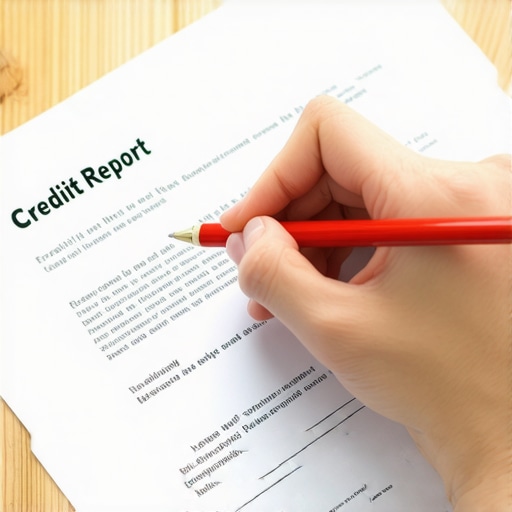
Force the Bank to Negotiate on Your Terms
Banks and collection agencies are like high-stakes poker players; they only fold when they think they’re about to lose the whole pot. When I decided to stop playing the ‘Debt Management Plan’ game, I took my power back by letting my accounts go into a specific stage of delinquency. It’s a nerve-wracking game of chicken, but once a debt hits that 120-to-150-day window, the bank is often desperate to get anything back before they have to sell it to a junk debt buyer for pennies on the dollar. This is when you strike. You don’t ask them for a favor; you tell them what you have available. I once settled a $5,500 credit card balance for exactly $1,900 because I knew how to negotiate a settlement with a collection agency by staying firm on my ‘lump sum’ offer. They’ll try to put you back on a payment plan—don’t fall for it. A payment plan just keeps the wound open. A settlement closes it for good.
The Secret Sauce of Pay-for-Delete
The biggest mistake people make is paying a debt and leaving the ‘Settled’ or ‘Paid’ mark on their report. A ‘Paid Collection’ is often just as damaging to your score as an unpaid one. You need to use the the secret to negotiating a pay-for-delete agreement that sticks. This means getting the creditor to agree, in writing, that they will completely remove the tradeline from all three bureaus in exchange for your payment. It’s like a legal exchange of value. When I was cleaning up an old apartment lease dispute, I refused to send a single dime until I had a signed letter stating the account would be deleted. It felt like pulling teeth, but that one letter resulted in a 45-point jump in my score within thirty days. You must learn how to negotiate a pay-for-delete without admitting the debt, because once you admit the debt is yours, you lose your strongest legal leverage.
Clean Up the Mess with Precision Disputes
Once you’ve settled, the credit bureaus become your next hurdle. They use automated scanners that are designed to reject your letters if they look too ‘templated’ or robotic. Think of the bureaus as a giant, mindless machine; if you don’t feed it the right code, it won’t process your request. You need to use the method for beating automated dispute scanners at the bureau by hand-signing your letters and including very specific, unique evidence for every claim. I used to think the online portals were the way to go because they were fast. I was wrong. Fast is a trap. I realized that why you should never use an online portal to dispute errors is because those portals often force you to waive your right to re-dispute or sue if they get it wrong. Sending physical mail via certified delivery creates a paper trail that the bureaus cannot ignore. When you dispute errors like a pro, you aren’t just asking them to check a box; you are demanding they fulfill their legal obligation under the Fair Credit Reporting Act to verify every single data point. This level of precision is the difference between a score that stalls and a score that soars.
The Efficiency Trap That Gets Your Letters Ignored
I’ve seen it a thousand times: someone gets fired up, finds twenty errors, and sends one massive letter. They think they’re being efficient. In reality, they’re handing the bureaus a reason to hit the ‘frivolous’ button. Most people assume the bureaus are actually reading these letters. They aren’t. They use a system called e-OSCAR to turn your heartfelt explanation into a two-digit code. According to a report by the Consumer Financial Protection Bureau (CFPB), these automated systems often fail to convey the actual evidence consumers provide, leading to ‘verified’ errors that shouldn’t be there. This is why the method for beating automated dispute scanners at the bureau is all about making your letter look as ‘human’ and non-templated as possible. If it looks like it was generated by a generic software, it’s going in the trash.  When you deal with the bureaus, you have to realize you’re fighting a business model optimized for low-cost compliance. The Fair Credit Reporting Act (FCRA) mandates that bureaus perform a ‘reasonable’ investigation, but the definition of ‘reasonable’ is where the battle is won or lost. If you use the same template as ten thousand other people, you’re not disputing; you’re just noise. To get a real result, you have to force a manual review. Focusing on the two or three most impactful errors with specific, documentary evidence forces the bureau to actually look at the file. This is how you dispute errors like a pro and avoid the cycle of automated rejections.
Why a Paid Collection Can Be a Financial Ghost
Then there’s the ‘Paid’ trap. Everyone tells you to just pay your debts. But here is the nuance most people miss: FICO 8—the model most lenders still use—doesn’t care if a collection is paid or unpaid. It treats them both as a massive red flag. I’ve watched clients pay off five-year-old debts only to see their scores stay exactly the same, or even drop. Why? Because the reason your score stalled despite no new collections is often tied to the fact that you didn’t negotiate the removal of the item. You just changed the status. A ‘Paid Collection’ is like a scar; even if it’s healed, it’s still visible to any lender looking at your report.
Why did your score drop after you finally did the right thing?
It feels like a slap in the face. You pay off a card, or you settle a debt, and the needle moves backwards. This usually happens because you’ve inadvertently changed the ‘date of last activity,’ making an old mistake look brand new to the algorithm. This is exactly why you should never use an online portal to dispute errors, as they often trick you into confirming details that reset these legal clocks. Before you take any action, you must understand how to avoid common pitfalls in credit counseling programs that might encourage you to pay in ways that don’t actually benefit your scoring model. Have you ever fallen into this trap? Let me know in the comments.Once you have successfully navigated the initial minefield of disputes, the real work begins: staying at the top. I’ve seen too many people do the hard work of cleaning their reports only to let ‘error creep’ ruin their progress six months later. To avoid this, I rely on a very specific stack of tools. I personally use MyFICO because, unlike free apps that give you a generic VantageScore, it provides the actual industry-specific scores lenders use for mortgages and auto loans. Understanding why your credit score might be different on every app you check is the first step toward professional-level management. I also keep a physical log of every certified mail receipt. When you dispute errors effectively, that paper trail is your only insurance policy if a deleted item suddenly reappears.
Stop Guessing with These Pro-Level Monitoring Tools
If you aren’t looking at all three bureaus at least once a month, you are flying blind. I recommend a service like IdentityIQ or MyFICO because they alert you the second a new inquiry or balance change hits. This is vital for how to ensure your credit limit increase is reported fast so you can leverage that lower utilization immediately. According to the 2023 CFPB Annual Report on Credit Reporting Complaints, nearly 75% of all consumer complaints are now related to credit reporting errors, which means the system is more broken than ever. You need a tool that doesn’t just show a number, but allows you to read your credit report like a professional auditor. I personally set a ‘low-balance alert’ on all my cards at $10. If a subscription I forgot about hits a card, I know instantly before it can even think about affecting my score. 
Why a 90-Day Audit is Your Best Defense Against Error Creep
Every three months, I perform a ‘deep clean’ audit. This isn’t just about looking for big errors; it’s about checking the metadata of your financial life. I look for ‘soft’ inquiries that shouldn’t be there and verify that my personal data—like old addresses—is still suppressed. This is the strategy for keeping your credit score high while carrying debt during major life transitions. If you find a tiny discrepancy, pounce on it immediately using fast credit repair tips before it becomes a permanent fixture.
How do I maintain a perfect score over the long haul?
Maintenance is about discipline, not magic. You must learn the truth about how often your credit score actually updates so you don’t panic when a payment doesn’t show up the next day. I also suggest keeping your oldest accounts active with a small, recurring $5 charge. This preserves your ‘age of credit,’ which is one of the hardest factors to rebuild if lost.
The AI Era is Changing the Way We Dispute Forever
Looking ahead, we are moving toward a world where AI will handle both sides of the credit battle. The bureaus are already using advanced machine learning to flag ‘suspicious’ dispute patterns. To stay ahead, your letters need to be more human, more detailed, and more evidence-heavy than ever before. This is why I always tell people to dispute credit errors swiftly and securely in 2025 by avoiding any digital shortcuts. If you want to see a real jump this week, go into your oldest credit card account and request a limit increase—but make sure you know how to get a credit limit increase without a hard credit pull first.
The Most Expensive Lesson I Learned the Hard Way
Looking back, the biggest mistake I made wasn’t missing a payment; it was trusting a system that profited from my debt. I spent years in a cycle of frustration because I didn’t realize that credit counselors often have their own bottom line to protect. If I could go back, I would have focused on learning how credit counseling actually works before signing those contracts. The real breakthrough came when I stopped asking for permission and started demanding accuracy. Realizing that I had the legal power to challenge every single line item was a lightbulb moment that changed my life. You don’t need a middleman to play nice with the banks; you need to understand how credit counseling can transform your financial future when you use it as a tool, not a crutch.
My Personalized Kit for Credit Mastery
I don’t believe in generic advice, so I want to share the specific tools that kept me sane during my repair journey. First, I stopped relying on free apps and moved to MyFICO so I could see the exact scores my mortgage lender would see. Second, I started using a dedicated physical folder for every piece of certified mail I sent—this paper trail is your only real weapon against the bureaus. To truly unlock your credit score potential, you have to treat your credit report like a legal document, not a suggestion. I also recommend following top credit repair strategies to boost your score faster by focusing on the high-impact deletions first rather than the small stuff.
Your Financial Future is Still Within Your Reach
It is easy to feel defeated when the scores don’t move, but remember that the system is designed to be slow and discouraging. Every dispute you send and every settlement you finalize is a step toward a life where you aren’t defined by a three-digit number. By using these credit score boosters and essential tips, you are taking back the control the banks have had for too long. Don’t let the fear of a temporary dip stop you from achieving long-term solvency. You have the tools, the knowledge, and the legal right to a fair report. Have you ever felt like your credit counselor was actually working for the bank instead of you? Let me know your story in the comments below.