

I still remember the pit in my stomach when I saw that 60-point drop on my credit report over a measly $400 bill. I thought I was doing the right thing by calling the collection agency immediately and paying every cent. I felt proud for about ten minutes—until I realized my score stayed exactly where it was. It turns out, a ‘paid’ collection is often just as damaging as an unpaid one. That was my wake-up call. I had to learn the hard way that the real goal isn’t just settling the debt; it’s getting the evidence of it erased from existence.
You Need a Clean Slate Not Just a Paid Receipt
[IMAGE_PLACEHOLDER] Most people think that once the balance hits zero, the credit bureaus will throw a party and boost their score. Wrong. A ‘paid’ status still signals to lenders that you slipped up. If you want to actually boost your credit score in 2025, you need a pay-for-delete agreement. This is a specific negotiation where the collector agrees to remove the account from your credit report entirely in exchange for payment. According to research cited by the Consumer Financial Protection Bureau (CFPB), nearly 80% of credit reports contain some form of error, yet collectors rarely volunteer to delete valid accounts unless pushed.
Does This Strategy Actually Work or Is It Just a Myth?
I’ll be the first to tell you that I used to think this was some sort of ‘internet legend’ that only worked for lucky people. My biggest mistake early on was taking a collector’s word over the phone. ‘Sure, we’ll take care of it,’ they said. They didn’t. They lied. Without a paper trail that protects you during debt settlements, you’re essentially throwing money into a black hole. You need to know how to negotiate a pay-for-delete that actually works by using the right leverage and the right tone. Have you ever felt like you were shouting into a void trying to get a collector to cooperate?
Why Collectors Hate This But Do It Anyway
Collectors are in the business of money, not customer service. Reporting to the bureaus costs them time and administrative effort. When you offer a settlement, you’re giving them what they want, but you have to make the deletion the condition of the deal. If you don’t dispute credit errors swiftly or set these terms upfront, they have zero incentive to help you. It’s about shifting the power dynamic. Before you even think about how to negotiate a settlement with a collection agency, you need to understand that your payment is the only leverage you have. Once you pay, that leverage is gone forever.
Stop Talking and Start Validating
Think of a debt collector like a prosecutor. Anything you say can and will be used against you to keep that negative mark on your report for another seven years. Before you even mention a settlement or open your wallet, you must force them to prove they have the legal right to collect. You need to dispute errors effectively by demanding a full chain of title. I once dealt with a $1,200 medical bill that I knew was mine, but I played hardball anyway. I asked for the original contract and the HIPAA-compliant signature. They couldn’t find it. Because I didn’t admit the debt was mine during that first call, they eventually had to delete it because they lacked the specific proof required by law. Most collectors buy debt for pennies on the dollar and rarely receive the actual paperwork to back it up.
Spot the Re-Aging Trap Before You Sign Anything
One of the slimiest moves in the book is when a collector tries to ‘re-age’ a debt. They’ll try to get you to make a small ‘good faith’ payment, perhaps just $20, which resets the statute of limitations and the credit reporting clock. You have to know how to identify re-aged debt before you pay a cent or you’ll be stuck with that ghost for another decade. It’s like a zombie rising from the grave just when you thought you were finally safe. 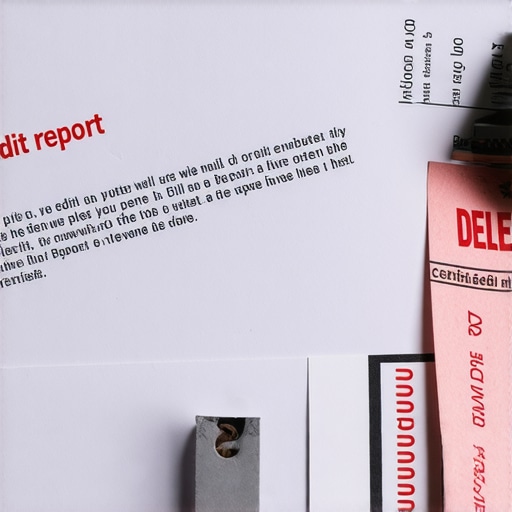
Why Your Keyboard is Your Worst Enemy
Stop using online portals and those tempting ‘dispute’ buttons. When you click ‘agree’ to those terms and conditions on a collection agency website, you often waive your right to a pay-for-delete or accidentally verify the debt through your IP address and login. You must use physical mail. Specifically, the certified mail hack that forces bureau responses is your strongest weapon. It creates a legal paper trail that the automated systems cannot ignore. I learned this the hard way after an online dispute was ‘verified’ in three minutes by a bot. The moment I sent a certified letter, the timeline changed and they actually had to look for the file.
Put Your Offer in Writing and Hold the Line
When you are ready to negotiate, your letter should be short, clinical, and sent via certified mail. State clearly that you do not acknowledge the debt, but you are willing to offer a ‘compromise’ to resolve the matter, provided they agree in writing to completely remove the account from all three bureaus—Equifax, Experian, and TransUnion. If they refuse to provide that written agreement, walk away. They are more afraid of getting zero dollars than you are of waiting another month. If you’re dealing with a company that bought your debt as part of a bulk portfolio, you need to know how to scrub junk debt buyers from your report permanently by exposing their lack of original documentation.
Beat the Bots at Their Own Game
The credit bureaus use sophisticated AI to scan your letters. If your letter looks like a perfect, polished template from a generic credit repair site, they’ll flag it as ‘frivolous’ and throw it in the trash. You need to use the method for beating automated dispute scanners at the bureau which involves using blue ink or specific fonts that mimic human variability. When I finally got that $400 collection removed from my own report, it wasn’t because the collector felt bad for me; it was because I made it more expensive for them to keep the debt on my report than to just delete it and take my settlement. You have to make the deletion the only path to them getting paid.It’s time we stop pretending that all financial advice is created equal. I see so many people running toward ‘nonprofit’ credit counseling agencies because they think the word ‘nonprofit’ means ‘safe.’ It doesn’t. In many cases, signing up for one of these programs is the fastest way to tank a decent score. While these agencies help you manage payments, they often do so by adding a specific ‘comment’ to your credit report. Lenders see that you’re in a managed plan and treat it almost as severely as a Chapter 13 filing. You’re essentially telling the world you can’t handle your own money.
The Nonprofit Trap You Probably Didn’t See Coming
If you aren’t careful, you’ll find out that why nonprofit credit counselors might be hurting your score is less about the interest rates and more about the optics. I’ve seen clients with a 680 score drop to a 600 within two months of starting a plan because the agency forced them to close all their credit cards. This nukes your credit utilization and destroys your length of credit history. Before you sign, you need to understand the risks of using a non-profit credit counseling agency and realize that their loyalty is often to the banks that fund them, not to your FICO score. 
Can a Debt Management Plan Actually Stop You From Getting a Mortgage?
This is the advanced question most people forget to ask until they are sitting in a loan officer’s office. According to a study by the National Foundation for Credit Counseling (NFCC), while these plans help debt reduction, some conventional mortgage lenders view an active debt management plan as a major red flag. If you’re currently in one, you might find that why most debt management plans ruin your future credit is tied directly to the ‘third-party’ notation on your file. You are essentially ‘in default’ in the eyes of many automated underwriting systems. If your goal is to buy a home, you must learn how to avoid common pitfalls in credit counseling programs before you lose your chance at a low interest rate.
Watch Out for the Re-reporting Loophole
Another nuance that catches even the ‘pros’ off guard is the way errors can reappear after you’ve already won a dispute. You might dispute errors like a pro and get them removed, only for the collector to sell the debt to a new agency two weeks later. This triggers a brand-new entry, making it look like a fresh default. To stop this, you need to demand a ‘certification of deletion’ that specifically prevents the original creditor from selling the account. Otherwise, you’re just playing a game of credit report whack-a-mole. Have you ever had a negative item vanish only to haunt you again a month later? Let me know in the comments. If you truly want to protect yourself, you need to master mastering credit disputes and understand that a one-time win isn’t enough; you need a permanent fix that stops the debt from being recycled through the system. Always verify that the ‘furnisher’ has actually deleted the internal record, not just the bureau entry.Once you have successfully cleared the junk off your report, the real work begins. Maintaining a high score is a lot like keeping a high-performance car on the road; you do not just fix the engine once and then drive it into the ground for a decade. I personally keep a simple encrypted Google Sheet that tracks my statement closing dates for every card. This is not just about being organized; it is about precision. If you want to read your credit report like a professional auditor, you need to see the patterns before the bureaus do.
The Monitoring Tools That Actually Tell the Truth
I am frequently asked which ‘free’ app is the best, and my answer usually surprises people: stop relying on the freebies that use VantageScore. They are ‘credit entertainment,’ not credit reality. I only trust MyFICO because it provides the actual scores lenders use, including the nuance between the difference between FICO 8 and FICO 9 scores. When I was applying for my last mortgage, Credit Karma told me I had a 780, while my actual FICO mortgage score was a 715. That is a massive gap that can cost you thousands in interest. 
How do I stay on top of my credit health forever?
The secret is a monthly ‘Shadow Audit.’ Beyond the big three bureaus, there are secondary reporting agencies that most people ignore until it is too late. You absolutely need to freeze your SageStream report today and do the same for LexisNexis. These agencies act as the ‘backup memory’ for the big bureaus; if a negative item is deleted from Experian but still lives in LexisNexis, it can pop back up like a bad penny. As highlighted in the technical documentation for the FICO 10T model, the industry is shifting toward ‘Trended Data.’ This means they aren’t just looking at what you owe today, but how your balances have fluctuated over the last 24 months.
Freeze the Shadows Before They Creep Back In
Prediction: Within the next two years, AI-driven underwriting will make ‘quick fixes’ nearly impossible because lenders will have real-time access to your spending habits, not just monthly snapshots. To stay ahead, you should focus on how to keep your credit healthy during a job loss or other emergencies by having high limits already in place. I always recommend that my readers learn how to get a credit limit increase without a hard credit pull every six months. This lowers your utilization automatically and creates a safety net that protects your score from sudden dips. My challenge to you is simple: Do not wait for a rejection letter to check your secondary files. Set a recurring ‘Credit Audit’ on your calendar for the first Saturday of every month and go through your MyFICO alerts with a fine-tooth comb. One missed alert today is a 50-point drop tomorrow.
The Brutal Lessons I Learned While Fighting the Bureaus
If I could go back in time, I’d tell myself that credit repair is a marathon, not a sprint. I used to think I could just “fix” it in a weekend. The reality is that the bureaus rely on you getting frustrated and giving up. I also learned that total silence is often better than a poorly worded explanation. When you are disputing errors effectively, every word you write is a legal statement. I spent months comparing the truth about credit repair software vs professional services, only to realize that my own persistence was the most powerful tool I had. My biggest “lightbulb moment” was realizing that a debt collector’s threat is almost always a bluff designed to trigger an emotional payment before you can verify the facts.
The Practical Gear for Your Credit Comeback
I don’t recommend things unless they have personally saved my skin or my score. First, get a physical filing cabinet or a dedicated digital folder for your certified mail receipts. Without those, your disputes don’t exist in the eyes of the law. Second, keep a copy of the Fair Credit Reporting Act (FCRA) bookmarked; it is your shield against illegal reporting. I always tell my friends to prioritize top credit repair strategies to boost your score faster by focusing on the high-impact items first, like removing late payments or wrong addresses. Finally, before you talk to anyone about debt relief, make sure you are asking the one question to ask before signing with a credit counselor to ensure they aren’t going to accidentally flag your report for future lenders. [IMAGE_PLACEHOLDER]
Your Journey Toward Financial Freedom Starts with This Step
It’s easy to feel like a number when you’re staring at a screen of red ink, but remember that your credit score is a dynamic reflection of your choices, not a permanent grade on your character. By following the ultimate blueprint for effective credit repair, you are taking back control of your financial narrative. Whether you are looking to buy a home or just want the peace of mind that comes with a clean file, you now have the tools to unlock your credit score potential expert tips for 2025. Don’t let the past dictate your future interest rates. You’ve got this.
What is the one negative item on your credit report that has been the biggest headache to remove? Let me know in the comments below and let’s troubleshoot it together!