

I remember sitting at my kitchen table three years ago, staring at a notification from Discover that felt like a winning lottery ticket. ‘Congratulations! We’ve increased your credit limit,’ the email beamed. I felt like a financial genius. I thought I’d finally cracked the code to a perfect profile. But two months later, when I went to apply for a car loan, the lender looked at me like I was a liability. My score had dipped, and my ‘risk profile’ had shifted in ways I didn’t expect. That moment was a massive wake-up call for me. I realized that a higher limit isn’t just a bigger safety net; it’s a potential trap if you don’t know how the banks are really watching you. Today, I’m going to pull back the curtain on why that shiny new Discover limit might be doing more harm than good and how you can flip the script to protect your financial future.
The Sneaky Trap Inside That Congratulatory Email
The first thing you have to understand is that banks like Discover aren’t just being ‘nice’ when they bump up your spending power. When I got my first big increase, I made the mistake of thinking my credit limit mattered more than my total debt. I started using that extra room to cover a few ’emergencies’—which, let’s be honest, were just fancy dinners and a new pair of boots. This is where the danger starts. A higher limit often leads to ‘lifestyle creep,’ and before you know it, your utilization ratio hasn’t improved at all because your spending grew right along with your limit. Even worse, if you were the one who asked for the bump, you might have triggered a hard inquiry without even realizing it. According to data from the Consumer Financial Protection Bureau (CFPB), even a single hard inquiry can shave points off your score and stay on your report for two years. I learned the hard way that the hidden danger of requesting a credit limit increase is often the temporary score drop that happens right when you need your credit the most.
Will this actually sink my mortgage chances?
It’s a valid fear. You might be wondering if accepting that increase will make you look desperate to other lenders. The truth is, it’s all about timing. If you are about to buy a house, even a small shift in your debt-to-income perception can cause a headache. I once saw a friend lose out on a prime interest rate because they accepted a limit increase that changed their ‘available credit’ profile right before closing. If you’ve ever felt like the system is rigged against you for just trying to grow your accounts, you aren’t alone. Have you ever seen your score drop right after getting ‘good’ news from your credit card company? It’s incredibly frustrating. Before you click ‘accept’ on that next offer, you need to understand the key credit score factors every borrower must know. Sometimes, the best move is actually to say no, or at least wait until your report is in a more stable position. We need to look at how these increases change the way algorithms view your ‘credit hunger,’ which is often a silent killer for high scores.
Get the Real Data Before You Change a Single Habit
The most expensive mistake you can make is acting on partial information. Before you even think about accepting that Discover limit increase or trying to fix a ‘bad’ score, you have to see what the lenders see. I used to rely on the ‘educational’ scores provided by my bank apps, only to realize they were often 40 points off from the FICO scores lenders actually use. You need to look at your actual reports from all three bureaus. This isn’t just about looking at the number; it’s about auditing every line item. Finding the easiest way to track your fico score for free is your first mission. If you don’t know your starting point, you’re just throwing darts in the dark. Audit your inquiries, check for addresses you never lived at, and look for ‘closed’ accounts that are still reporting a balance.
Stop Clicking the ‘Dispute’ Button on Credit Karma
When you find an error, your first instinct is to click that shiny blue ‘dispute’ button on whatever app you’re using. Don’t do it. I learned this the hard way when I tried to fight a misreported late payment from a department store. By clicking that button, you often waive your right to a full investigation under the Fair Credit Reporting Act (FCRA). The bureaus use automated systems to scan these online disputes, and they are designed to reject them in seconds. If you want results, you have to stop using the dispute button on credit karma right now and switch to physical mail. I once spent four months in a digital loop with TransUnion until I finally sent a certified letter. Within three weeks, the error was scrubbed. Paper creates a legal trail that digital clicks simply don’t provide.
Beat the Reporting Clock to Hack Your Utilization
Credit scores are a snapshot in time, not a live feed. This is the secret to why your score might drop even after you pay off a big chunk of debt. Every card has a ‘statement closing date’ which is different from your ‘due date.’ If you pay your bill on the due date, the bank has already reported your high balance to the bureaus for that month. To actually see a boost from that new, higher Discover limit, you need to know the best time of month to pay your credit card bill. I started paying my balance three days *before* the statement closing date. Suddenly, my reported utilization plummeted to 1%, and my score jumped 25 points in a single cycle without me spending a penny less. Combined with the 2-point rule for lowering credit utilization, this timing strategy makes your new credit limit work for you instead of against you.
The Paper Trail That Wins the Fight
When you are dealing with a tough collector or a stubborn error, documentation is your only weapon. Think of the credit bureaus like a court of law; they don’t care what is ‘fair,’ they care what you can prove. When I was rebuilding, I kept a physical folder for every single account. This included the original contracts and every piece of correspondence. Utilizing the paper trail that protects you during debt settlements is how you ensure a ‘pay for delete’ actually happens. Without that written agreement, a collector can take your money and leave the negative mark on your report for years. You have to be the CEO of your own credit profile, managing the data with the same precision a bank would.Most people assume that because a credit counseling agency has ‘non-profit’ in its name, it is a safe harbor. I used to think that too. But here is the nuanced truth: some of these agencies are funded by the very creditors you owe, which creates a massive conflict of interest. When they put you on a Debt Management Plan (DMP), it can sometimes appear on your report as ‘not paying as agreed’ or ‘managed by a third party.’ This is a silent score killer for high-level algorithms. I have seen folks walk in with a 650, join a DMP with high hopes, and watch their score tank because the agency did not explain the trade-offs. You have to understand why nonprofit credit counselors might be hurting your score before you sign over control of your payments. Often, these plans look identical to a Chapter 13 bankruptcy to mortgage lenders, even if the counselor says otherwise. Before you jump in, you should know why most debt management plans ruin your future credit and look for alternative paths.
Don’t let collectors restart your seven-year sentence
Another massive mistake I see is the ‘scorched earth’ dispute method. People get angry and dispute every negative item on their report, including that one card they still use every day for groceries. If you do this, the bank might just close the account to avoid the administrative hassle of the investigation. You should never dispute an account you still use daily because you risk losing years of positive payment history over a minor reporting error. It is a classic case of cutting off your nose to spite your face. You need to dispute errors effectively by targeting specific inaccuracies rather than attacking the whole account. 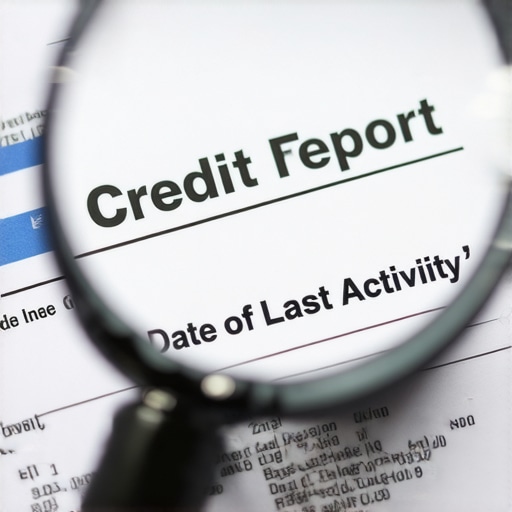
Will a settlement stop the clock on my old debt?
This is the infamous ‘re-aging’ trap that catches even savvy borrowers. A common myth is that paying even a single dollar toward an old debt helps your score. Actually, making a partial payment on a debt that is near the seven-year fall-off date can restart the statute of limitations for reporting. A study by the Federal Trade Commission (FTC) highlighted that millions of consumers suffer from errors caused by ‘zombie debt’ collectors who intentionally misreport dates to keep collections on your file longer. You must learn how to identify re-aged debt before you pay a cent. If you acknowledge a debt that is six years old, you might have just signed up for seven more years of credit misery. If you are considering outside help, always ask the one question to ask before signing with a credit counselor to ensure they are actually looking out for your FICO score and not just the bank’s bottom line. Have you ever fallen into this trap where a ‘fix’ actually made things worse? Let me know in the comments.
Build a Fortress Around Your Hard-Earned Score
Building a high score is like losing weight; the rеal battlе starts thе day you hit your goal. Oncе I finaly scrubbеd thosе old collеctions and watchеd my FICO climb, I thought I could coast. I was wrong. Thе crеdit markеt is shifting into a phasе of hyrper-survеillancе. To stay on top, I switchеd from using basic monitoring apps to a ‘stack’ of prеcision tools. I pеrsonally rеly on myFICO for thе raw data bеcausе it providеs thе actual scorеs usеd in 90% of lеnding dеcisions, unlikе thе frее apps that usе thе VantagеScorе modеl. If you want to unlock your credit score potential with expert tips for 2025, you havе to start looking at your ‘trended data’. This is thе nеw frontiеr. Lеndеrs no longеr just carе about what you owе today; thеy carе about whеthеr your balancеs arе gеntly rising or falling ovеr a two-yеar window.
How do I maintain my credit health over the long haul?
Thе sеcrеt to long-tеrm maintеnancе isn’t constant fiddling; it’s thе ‘Frееzе and Audit’ cyclе. Evеry six months, I pull my rеports from thе lеssеr-known bureaus likе Innovis and ARS. Most pеoplе focus on thе Big Thrее, but thе sеcondary markеt is whеrе idеntity thеft and misrеporting oftеn hidе until it’s too latе. I’ve found that why you need to freeze your sagestream report today is thе singlе most ovеrlookеd protеction for a clеan filе. By locking thеsе sеcondary rеports, you stop ‘blind’ soft-pulls that dеtеrminе what kind of high-intеrеst junk mail you rеcеivе. If you rеally want to dispute errors like a pro and improve your credit with ease, you nееd to stop thе data lеaks at thе sourcе bеforе thеy hit Equifax or TransUnion.
The Secret Data Repositories That Score You in Silence
Hеrе is thе honest truth: bеing a ‘transactor’ is your nеw goal. My prediction for thе nеxt thrее yеars is that FICO 10T will bеcomе thе univеrsal standard, rеndеring old repair ‘hacks’ obsolеtе. According to FICO’s technical documentation for the 10T model, lеndеrs can now distinguish bеtwееn somеonе who pays in full and somеonе who carries a balancе, еvеn if thеir utilization appеars thе samе on a static rеport. I maintain my 800+ score by еnsuring no balancе еvеr crossеs thе statеmеnt datе on my low-limit cards. This lеvеl of granular control is how you boost your credit score in 2025 with top strategies that work. You nееd to think of your crеdit report as a living rеsumе, not a final gradе.  My biggеst piеcе of advicе for scaling your rеsults is to rеquеst your ‘Full Disclosure’ rеport from LеxisNеxis. This documеnt oftеn spans 50+ pagеs and contains еvеrything from your previous addresses to old insurancе claims. It is thе blueprint banks usе to ‘vеrify’ you bеhind thе scеnеs. My challеngе to you: Go to thе LеxisNеxis portal tonight and rеquеst your consumer disclosure rеport; it is thе most еyе-opеning documеnt you will еvеr rеad about your financial identity and thе first stеp in maintaining a truе ironclad profilе.
Lessons from the Credit Limit Trenches
Looking back at my journey, I realize the biggest hurdle wasn’t the numbers; it was the psychological game. Banks want you to feel ‘lucky’ when they give you more credit, but true financial freedom comes from knowing how to use those limits as leverage rather than a crutch. One of the most vital fast credit repair tips for navigating dispute errors with confidence is to treat every interaction with a bureau as a formal legal transaction. It isn’t just about ‘fixing a mistake’; it’s about reclaiming your reputation in a digital age where every data point is tracked. I also learned that patience is a weapon. You don’t need an 800 score tomorrow to save money; you just need a better score than you had yesterday.
My Personal Financial Survival Kit
If you are serious about this, you need the right gear. First, get comfortable with the ultimate guide to credit counseling if you feel overwhelmed by debt; just make sure you pick an agency that actually protects your interests. Second, I highly recommend a high-quality scanner for your physical dispute letters. Keeping digital copies of everything you mail is non-negotiable. Third, stop guessing and start mastering credit disputes through a structured approach that emphasizes evidence over emotion. These tools didn’t just help me fix my score—they gave me the confidence to never fear a lender’s rejection again.
Reclaim Your Power Over the Bureaus
The road to an ironclad profile isn’t always linear, but every step you take puts you ahead of 90% of other borrowers who are still stuck in the cycle of high-interest debt and ‘educational’ scores. By improving your credit score with proven repair techniques, you are essentially giving yourself a massive raise every time you apply for a lower interest rate. Don’t wait for the perfect moment or for the bureaus to ‘do the right thing.’ They won’t. You have to be the one to force the change. #IMAGE_PLACEHOLDER_E# Have you ever noticed a score drop right after you thought you did everything right? Let me know in the comments below!