

I remember the panic I felt when a letter from a company I’d never heard of landed in my mailbox, claiming I owed them $2,400 for an old credit card I’d closed years ago. My stomach did a somersault. I almost reached for my checkbook right then and there just to make the anxiety go away. That would have been the biggest financial mistake of my life. I was terrified of a lawsuit or my credit score tanking even further, but blindly paying is like handing your wallet to a stranger because they claimed you owe them lunch money from the third grade. Today, I’m going to show you how to stand your ground and why that piece of paper they sent is often legally worthless without a fight.
Why Writing a Check to a Debt Buyer is a Gamble You’ll Probably Lose
Debt buyers are essentially scavenger hunters for what the industry calls “junk debt.” They buy thousands of accounts for pennies on the dollar, often with zero actual proof that you owe the money or that they even have the right to collect it from you specifically. When I was first starting my journey into credit repair secrets, I made the classic rookie mistake of thinking a “settlement” was my fastest ticket to freedom. I once paid off a $400 collection without asking for a single shred of evidence. Not only did my score stay stagnant, but the debt collector didn’t even bother to negotiate a pay for delete agreement. I essentially gave away my hard-earned cash for nothing. The reality is that these companies thrive on your fear. They expect you to be too intimidated to ask for the original contract. But the paper trail needed to prove a debt is too old to collect is your greatest shield. If they can’t produce the goods—meaning the original signed agreement and a full breakdown of the balance—they legally cannot continue to harrass you or report that item to the bureaus.
Is demanding verification actually worth the hassle?
It’s easy to feel like the “little guy” against a massive collection agency, but the law is surprisingly on your side here. According to the Consumer Financial Protection Bureau (CFPB), debt collectors are frequently caught attempting to collect on debts that are either inaccurate, already paid, or completely unsubstantiated. By forcing them to provide a method of verification, you are essentially calling their bluff. Many times, they will simply drop the case because it costs them more to locate the actual paperwork from the original creditor than the debt is worth to them. Have you ever received a collection notice that felt “off” or came out of nowhere? You aren’t alone, and you definitely shouldn’t pay a cent until you’ve followed the steps I’m about to lay out. We are going to dive into how to dispute errors like a pro so you can stop the bleeding and finally start seeing that score climb.
First, Grab Your Full Credit History
To win this fight, you need to see exactly what the bureaus are seeing. Think of your credit report as a restaurant tab. If the waiter tries to charge you for three steaks when you only ordered a salad, you wouldn’t just pay it to avoid a scene. You’d demand to see the ticket. You need to pull your reports from Equifax, Experian, and TransUnion because why your credit score might differ across all three bureaus usually comes down to one bureau reporting a mistake the others didn’t catch. When you have these in front of you, you aren’t just looking for big things like identity theft; you’re looking for the small, sloppy errors that debt buyers make when they transfer files.
Look for the Flaws That Make Debt Buyers Panic
Once you have the reports, how to read your credit report like a professional auditor becomes your primary skill. Check the dates, the account numbers, and especially the balances. I remember trying to clear a $1,200 medical bill that wasn’t mine. I spent three hours on the phone getting nowhere until I realized that phone calls have no legal weight in this arena. I found that the debt buyer had listed the wrong original creditor—a tiny detail, but a legal loophole big enough to drive a truck through. If you find a debt that has been passed around like a hot potato, you need to know how to challenge a debt that has been sold three times, as the chain of custody for the paperwork is usually broken. 
Gather Your Proof Before You Write a Word
Before you send a single letter, you must assemble your evidence. This isn’t about writing a long, emotional story; it’s about presenting facts. You need the document checklist for a successful credit dispute to ensure you aren’t missing things like cancelled checks, old statements, or even a simple identity affidavit if the account isn’t yours. I’ve seen people lose valid disputes simply because they didn’t include a copy of their ID, which gave the bureau an excuse to label the request as “frivolous.”
Send the Validation Letter That Actually Works
The biggest mistake you can make is using an online portal. Why you should never use an online portal to dispute errors is simple: you waive your right to a full investigation and lose the ability to track the paper trail. Instead, follow mastering credit disputes a step-by-step guide to success by sending a physical letter via Certified Mail with a Return Receipt Requested. This puts the credit bureau on a 30-day clock. When that green card comes back in the mail with a signature, you have the ultimate weapon—legal proof that they received your evidence. This paper trail that protects you during debt settlements or disputes is the only thing that holds these billion-dollar companies accountable. Stop asking nicely for them to fix it; start demanding they prove the debt is valid or remove it immediately.Let’s dig deeper into the machinery that actually processes your letters. Most people believe a human being at the credit bureau sits down and reads their evidence. In reality, your carefully crafted letter is often scanned by a machine and reduced to a two-digit code in a system called e-OSCAR. If you use a generic template you found on a random forum, you’re likely triggering an automated rejection. To win, you need to understand the method for beating automated dispute scanners at the bureau. This involves mastering the difference between a factual dispute and a general denial. A general denial is like saying ‘I don’t owe this,’ while a factual dispute points to a specific error, like an incorrect date of last activity or a mismatched account type.
Stop Sending Generic Letters That Get Deleted by Robots
Everyone tells you to just ‘dispute everything’ and hope for the best. In my experience, that’s a fast track to being labeled a frivolous filer. The real nuance lies in identifying ‘metadata’ errors. For instance, if a debt buyer reports an account as ‘Open’ instead of ‘Factoring Company Account,’ that’s a violation of the Fair Credit Reporting Act (FCRA). When you find these discrepancies, you aren’t just complaining; you’re auditing. This is how you dispute errors effectively and force a manual review.
Why do some disputes come back verified in under 48 hours?
This is a major red flag for advanced filers. If you get a response that fast, no one actually contacted the original creditor. According to a report by the Consumer Financial Protection Bureau (CFPB), bureaus often rely on internal databases rather than conducting a fresh investigation. When this happens, you need to know how to handle a credit bureau that ignores your evidence. You must demand the ‘method of verification,’ which legally forces them to reveal exactly who they talked to and what documents they reviewed.
The Credit Counseling Trap Most People Fall For
Another common myth is that credit counseling is a risk-free way to save your score. While it sounds helpful, many people don’t realize why nonprofit credit collectors might be hurting your score. Some lenders view a debt management plan as a sign that you can’t manage your finances independently, which can be just as damaging as a late payment when you are applying for a mortgage. 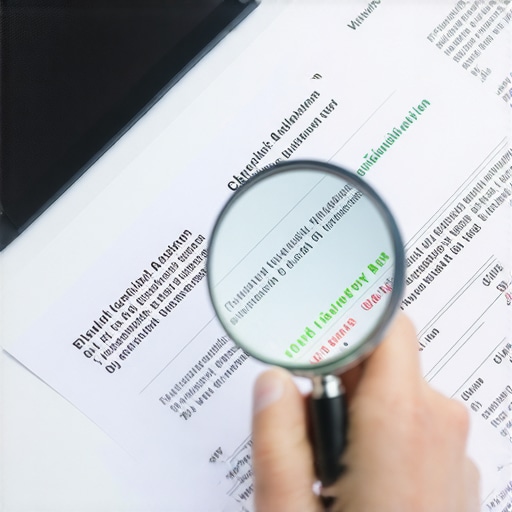 If you’re struggling, it’s often better to look into credit repair secrets that focus on removing inaccuracies rather than just rearranging your debt. Always be wary of ‘re-aging’ your debt. One of the 5 dirty tactics debt collectors use to restart the clock is tricking you into making a tiny ‘good faith’ payment. This can reset the statute of limitations, making an uncollectible debt legally enforceable again. Before you take any action on an old account, check the exact timeline for negative items to fall off your report. Have you ever fallen into this trap or felt like the bureaus were just ignoring your proof? Let me know in the comments.Once you’ve successfully scrubbed the errors, you enter the maintenance phase. I see so many people do the hard work of disputing errors effectively, only to let their guard down three months later. If you’ve dealt with how to fix a double reported debt on your credit history, you know how annoying it is when a phantom account pops back up because a debt buyer sold a zombie file to someone else. You need a system that alerts you the second a new inquiry or balance change hits.
Stop the Score Seesaw Before It Starts
I don’t rely on the basic, free apps that update once a month and give you a VantageScore that most lenders don’t even use. Instead, I use a dedicated FICO-monitoring tool that gives me access to all 28 versions of my score. Why? Because the score a car dealer sees is vastly different from the one a mortgage lender pulls. You need to understand the difference between FICO 8 and FICO 9 scores to truly be in control. I also keep a credit audit spreadsheet. Every 90 days, I log my utilization, my oldest account age, and any new inquiries. It sounds tedious, but it’s the only way to spot the hidden impact of a credit limit decrease before it tanks your ratio. 
The Tool That Beats Every Free App
If you’re serious about scaling your financial power, you have to look at your credit like a business. I recommend using MyFICO for the most accurate data, but I also tell my friends to look into credit score boosters that focus on trended data. According to John Ulzheimer, a credit expert formerly of FICO and Equifax, the industry is shifting toward Trended Data—meaning lenders are no longer just looking at what you owe today, but whether you are paying down your balances over the last 24 months. This is why the strategy for keeping your credit score high while carrying debt is becoming more about consistency than just one-time payments.
How do I keep my credit healthy month after month?
The secret is automated vigilance. I set balance alerts on all my cards for $100. This way, if a subscription I forgot about charges me, I know instantly. It also helps you stay on top of the best time of month to pay your credit card bill to ensure a zero balance is reported. Looking ahead, I predict that AI-driven disputes will become more common, but so will the bureaus’ ability to detect them. The only way to win in 2025 and beyond is with a rock-solid document checklist for a successful credit dispute and a physical paper trail. My one advanced tip for you today is this: call your card issuers once every six months and ask for a soft pull credit limit increase. This lowers your utilization instantly without a hard inquiry. Just make sure to follow how to get a credit limit increase without a hard credit pull so you don’t accidentally ding your score.
What I Discovered After Writing 50 Dispute Letters
Looking back on my journey, the biggest “lightbulb moment” wasn’t finding a magic template; it was realizing that credit bureaus are essentially data aggregators that prioritize profit over accuracy. I learned the hard way that persistence usually beats perfection. If you give up after the first automated rejection, they win. Another insider secret? Never talk to a debt collector on the phone. They are trained to make you emotional, and emotion leads to mistakes—like accidentally resetting the clock on old debt. Finally, treat every letter like a legal exhibit. When I started viewing my files as evidence for a potential court case, the bureaus suddenly started taking my requests seriously. This is how you dispute errors like a pro and actually see results.
My Personal Credit Repair War Chest
To stay ahead of the bureaus, you need more than just hope. I personally swear by a few specific resources. First, the CFPB Complaint Portal is your best ally in this fight; if a bureau ignores you, file a report there. Second, I recommend the document checklist for a successful credit dispute to ensure you never miss a tiny detail that could get your claim tossed. Lastly, use a dedicated FICO tracker like MyFICO. It’s the only way to see what lenders actually see, especially when you are trying to unlock your credit score potential for a big purchase like a home or car.
The Day You Stop Fearing the Mailbox
Reclaiming your credit isn’t just about a number; it’s about the peace of mind that comes with knowing you aren’t being bullied by billion-dollar corporations. You now have the blueprint to audit your reports, challenge the junk debt scavengers, and dispute errors effectively until your report reflects the truth. The system is designed to be exhausting, but remember that the law is on your side. Take it one letter at a time, keep your green certified mail receipts safe, and don’t stop until that score reflects your hard work. Have you ever felt like a credit bureau was intentionally ignoring your proof? Let me know your experience in the comments below!