

I remember the cold sweat I broke into when I opened a letter from a collection agency claiming I owed $2,400 for a credit card I’d never even applied for. It wasn’t just a mistake; it felt like a total violation of my privacy. I was doing everything right—paying my bills on time and keeping my balances low—yet there it was, a glaring error threatening to tank my hard-earned progress. I felt helpless, like a tiny ant trying to argue with a giant bulldozer. But that moment of panic led me to a crucial realization: the credit bureaus aren’t your friends, but they do have to follow the law if you know how to talk to them. Today, I am going to show you how to take that power back and clean up your report the right way.
Stop Letting Identity Errors Trash Your Financial Reputation
When I first started this journey, I made a massive mistake that nearly cost me my sanity. I thought I could just pick up the phone, explain the situation to a representative, and they would see the logic. It doesn’t work like that. In fact, one of the biggest lessons I learned is why you should never use an online portal to dispute errors if you want to keep your full legal rights intact. By clicking those easy buttons, you often waive your right to a re-investigation. It’s a trap. I wasted three months clicking ‘dispute’ online only to get a generic rejection letter every time. You need to understand the exact way to dispute an account that is not yours through physical, certified mail. It sounds old-school because it is, and that is exactly why it works. Have you ever checked your report and found a name or an address that you didn’t recognize? Drop a comment and let me know if you’ve felt that same stomach-drop moment.
Can a Simple Letter Really Overrule a Massive Credit Bureau?
It sounds too simple to be true, doesn’t it? But according to a landmark study by the Federal Trade Commission, one in five consumers has a verified error on at least one of their credit reports. The system is flawed. To beat it, you have to dispute errors effectively by providing a clear paper trail that the bureaus cannot ignore. You aren’t just asking them to look; you are demanding they prove the debt belongs to you. If they can’t, they must delete it. Using proven strategies to dispute credit errors swiftly is about more than just a higher number; it’s about your ability to buy a home, get a car, or even land a job. Let’s get into the nitty-gritty of the documents you need to gather right now.
Read Your Credit Report Like a Professional Auditor
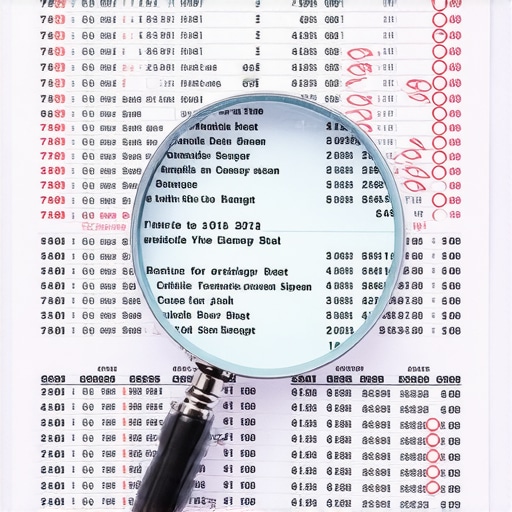
Before you send a single letter, you need to treat your credit report like a crime scene. Most people glance at their score and panic, but the score is just the final tally. You have to read your credit report like a professional auditor to find the ‘smoking gun.’ When I was fixing my own mess, I realized that my file had actually been mixed up with a cousin who has a nearly identical name. This is more common than you think, and if you don’t catch it, you’re paying for someone else’s mistakes. You need to know how to fix a credit file that has been merged with a relative before you even worry about specific late payments. I spent three hours with a highlighter, circling every single digit of my Social Security number and every previous address. I found three addresses I’d never lived at and a ‘variation’ of my name that included a middle initial I don’t even have.

The Evidence You Need to Win an Identity Theft Dispute
If you find something that isn’t yours, generic ‘this isn’t mine’ claims won’t cut it. The bureaus use automated scanners that look for keywords. To bypass the bots, you need the evidence you need to win an identity theft dispute, which usually starts with a police report or an FTC affidavit. Think of these documents as your armor. Without them, the bureau’s computer will likely mark your dispute as ‘frivolous’ and toss it in the digital trash. I once tried to dispute a fraudulent store card without a report, and I got a rejection in four days. Once I attached the formal affidavit, the tone changed completely. They are legally required to investigate when you provide that level of proof. You are essentially building a court case, and every receipt, utility bill, or ID copy is a witness in your favor.
Stop Sending Emails and Start Using Certified Mail
This is where most people fail. In a world of instant DMs, the idea of going to the post office feels like a chore. But mastering credit disputes requires a physical paper trail that a court can verify. When you send a letter via Certified Mail with a Return Receipt Requested, you get a green card back that proves exactly when they received your letter. This starts a 30-day legal clock. If they don’t respond within that window, they are often required by law to remove the item. If you use an online portal, you have no proof of what you actually sent or when they looked at it. It’s like shouting into a void versus handing a legal summons to a process server.
Force Them to Prove the Debt Is Yours
The burden of proof is not on you; it is on them. Most people don’t realize why you should ask for a method of verification every time you send a dispute. You aren’t just saying ‘this is wrong’; you are saying ‘show me the original contract with my signature.’ In my experience, especially with older debts sold to junk debt buyers, they often don’t have the original paperwork. They just have a spreadsheet with your name on it. If they can’t produce the actual evidence, the law says that item has to go. This is a core part of the ultimate blueprint for effective credit repair. It’s not about lying; it’s about holding these multi-billion dollar companies to the exact letter of the law.
Handle a Bureau That Ignores Your Evidence
What happens when you do everything right and they still say ‘verified’? This is the moment most people give up, but it’s actually where the real work begins. You have to know how to handle a credit bureau that ignores your evidence by escalating your claim. This might mean filing a complaint with the Consumer Financial Protection Bureau (CFPB). I had to do this once for a medical bill that was clearly a duplicate. The credit bureau kept ‘verifying’ it even though I sent proof of payment. One complaint to the CFPB, and the account vanished within ten days. The goal is to become more expensive for them to ignore than it is to simply fix the error. You aren’t just a number; you are a consumer with rights, and it’s time to start acting like it.
Most people think that once they pay off a collection, their credit score will magically jump fifty points. In my experience, this is the biggest lie in the industry. The reality is much harsher: a ‘Paid Collection’ is still a negative mark that stays on your report for seven years from the original delinquency date. If you aren’t careful, paying an old debt can actually lower your score because it updates the ‘Date of Last Activity,’ making the negative event look recent to the scoring algorithm. This is exactly the reason your score did not jump after paying off your cards and why you need a more surgical approach. Instead of just writing a check, you should focus on the strategy to wipe a collection without paying a dime by challenging the validity of the debt first.
Stop Thinking a Zero Balance Heals the Damage
The trap most consumers fall into is the ‘moral obligation’ trap. Debt collectors count on your desire to do the right thing to get you to acknowledge a debt that might be legally uncollectible. I’ve seen people make a small $20 payment on a six-year-old debt, thinking they were making progress. What they actually did was reset the statute of limitations, giving the collector another few years to sue them. This is why you should never pay a debt buyer without verification. You have to be cold-blooded about the data. If they can’t prove the debt is yours with the original contract, it shouldn’t be there. Period. I always tell my readers to learn how to negotiate a pay for delete without admitting the debt so that the payment is contingent on the total removal of the item from your record.
Why Did Your Score Drop After Paying Off That Old Debt?
It feels like a betrayal when you do what you’re told and your score tanks. This happens because many older FICO models—the ones still used by mortgage lenders—do not distinguish between a paid collection and an unpaid one. According to a study by Consumer Reports, the presence of any collection account, regardless of the balance, is a primary driver of credit denial. To the system, you are still someone who defaulted. To fix this, you must move beyond basic disputes and start disputing errors like a pro by targeting the reporting technicalities, such as the ‘Date of First Delinquency’ or the ‘Account Type’ classification. If any single piece of data is wrong, the whole entry is invalid.
The Hidden Risk of Non-Profit Credit Counseling
Another major nuance people miss is the difference between credit repair and credit counseling. While counseling sounds ‘safer’ or more ‘official,’ it comes with its own set of dangers. I’ve had clients who joined a debt management plan only to find out later that their credit report was flagged with a note saying ‘Account in Credit Counseling.’ To some high-end lenders, that looks almost as bad as a Chapter 13 bankruptcy because it signals you couldn’t manage your debts on your own. You need to understand the risks of using a non-profit credit counseling agency before you sign away control of your payments. Have you ever paid off a debt only to see your score stay exactly the same (or worse, go down)? Let me know in the comments below.
Ultimately, the ultimate blueprint for effective credit repair isn’t about being ‘nice’ to the bureaus; it’s about being a stickler for the rules. The system is automated, which means it is rigid. Use that rigidity to your advantage. If the bureaus are overwhelmed or if the debt buyer can’t find the paperwork from five years ago, the law is on your side. Keep an eye on the truth about how often your credit score actually updates so you can time your next moves perfectly. You aren’t just fixing a number; you’re reclaiming your financial reputation.
Once you’ve cleared the wreckage of identity errors and collections, you can’t just set it and forget it. I used to think that a clean report was a ‘forever’ fix, but credit is a living, breathing thing. To stay on top, I personally use a ‘Credit Audit Folder’—yes, a physical one—where I keep every ‘Verification’ letter I’ve ever received from the bureaus. But for the day-to-day, I rely on specific tools that actually show me what lenders see. Most people use free apps like Credit Karma, but you need to know the difference between your FICO score and your real score. Those free apps use VantageScore 3.0, which is great for seeing trends, but 90% of top lenders still use FICO versions. I recommend paying for a service like MyFICO that gives you all 28 FICO scores, including the specific ones for mortgages and auto loans. It’s the only way to avoid surprises when you finally walk into a dealership.
Stop Blindly Trusting Every ‘Free’ Score
I’ve seen people get denied for a home loan because their ‘free’ app said they had a 740, but their FICO 2 (the specific score used for mortgages) was actually a 680. This is one of the key credit score factors every borrower must know before applying for major credit. You have to monitor the right data points. I personally use a simple spreadsheet to track my ‘Statement Closing Dates’—not the due dates. This is the science of credit repair in action: managing when the data is reported to the bureaus. If you want to scale your score into the 800s, you need to master the strategy for keeping your credit score high while carrying debt by ensuring your statement balance is always under 10%, even if you plan to pay it off in full the next day.
#IMAGE_PLACE_HOLDER_D#
How do I maintain my credit score over time?
Maintaining a high score is about consistency and resisting the urge to close accounts just because you don’t use them. I’ve seen so many people ‘clean up’ by closing three old retail cards, only to watch their score drop 40 points because their average age of accounts plummeted. You should unlock your credit score potential by keeping those old lines of history open, even if you only put a small recurring subscription on them to keep them active. According to a technical brief by Ethan Dornhelm, FICO’s Vice President of Scores and Predictive Analytics, the future of credit scoring is shifting toward ‘Trended Data’ with the FICO 10T model. This means the bureaus won’t just look at a snapshot of your debt; they will look at whether your balances have been trending up or down over the last 24 months. To stay ahead, start paying slightly more than the minimum now to prove a ‘downward trend’ in your debt levels. This is the ultimate way to improve your credit score with proven repair techniques in 2025.
If you really want to take it to the next level, I challenge you to try this advanced tip: Call your oldest credit card issuer today and ask for a ‘Credit Limit Increase’ specifically stating you do not want a hard credit inquiry. It is an instant way to lower your utilization ratio and boost your score without spending a single dollar. Once you see that needle move, you’ll realize just how much control you truly have over your financial reputation.
The Truth About My Battle with the Three Major Bureaus
Through years of fixing my own credit and helping others, I’ve realized that the system isn’t broken—it’s designed to favor the creditor. One of my biggest lightbulb moments was realizing the difference between a dispute and a request for information. A dispute is a challenge; a request for information forces them to show their work. Most people stop after one rejection, but persistence is actually the key to fast credit repair tips that actually stick. You have to be the squeaky wheel that the bureau eventually has to grease just to get you out of their queue.
#IMAGE_PLACEHOLDER_E#
The Essential Gear for Your Financial Comeback
You don’t need expensive software to fix your score, but you do need precision. I always recommend keeping a ‘Bureau Log’ where you track the tracking numbers of every piece of certified mail. For data, skip the free monitoring sites and go straight to the source. If you’re ready to see real results, use how to get a credit limit increase without a hard credit pull as a quick-win tool. These small adjustments, combined with a rock-solid understanding of your rights under the FCRA, are what separate the amateurs from the pros.
Your Path to Financial Freedom Starts Now
Repairing your credit can feel like a marathon through deep mud, but the view from the finish line—lower interest rates, easier mortgage approvals, and the peace of mind that comes with a clean record—is worth every single stamp you buy. Use these credit repair secrets to build the life you deserve. Your financial history doesn’t define your future; your actions today do. Have you ever successfully removed an error from your report, and if so, how long did the process actually take you? Let me know in the comments below!