

I stood at the checkout counter, clutching a forty-dollar blender, only to have the cashier inform me—quite loudly, it felt—that my application for a store card was declined. That sting of rejection wasn’t just about a kitchen appliance; it was the realization that my credit score had become a wall between me and a normal life. I’d spent months trying to dispute errors effectively, but the needle wasn’t moving. I was stuck in a loop of no history and bad history. It wasn’t until I stopped fighting the old ghosts and started building something new with a secured card that things finally shifted. Today, I am going to show you how to turn that small deposit into a powerhouse for your financial reputation and give you the ultimate blueprint for effective credit repair.
Stop Waiting for the Bureaus and Start Building
For the longest time, I thought credit repair was purely about scrubbing away the past. I was obsessed with mastering credit disputes and sending endless letters. While that is important, you can’t win a race if you don’t have a car. A secured card is that car. My biggest mistake early on? I treated my secured card like a regular debit card. I maxed it out every month, thinking as long as I paid it back, I was winning. I didn’t realize that carrying a high balance was actually suffocating my score. According to data from the Consumer Financial Protection Bureau, credit utilization is a massive piece of the scoring pie, often accounting for 30% of your total score. When I finally learned the 2-point rule for lowering credit utilization, the clouds finally parted. Have you ever felt like you were doing everything right but your score just refused to budge?
Is a secured card actually worth the hassle?
You might be skeptical. Why give a bank two hundred dollars of your own money just to spend it? It feels like paying for the privilege of being a customer. But here is the reality: that deposit is your collateral. It is often the only way a bank will trust someone who has been burned before. The secret isn’t just having the card; it is knowing how to use it so it reports perfectly to the bureaus every single month. We are going to dive into the exact rhythm you need to follow to make this work without getting your deposit stuck in limbo for years. You need to understand key credit score factors before you swipe that card again. Let’s look at how to pick the right card and the specific steps to take once it arrives in the mail.
Pick a Card That Actually Grows Up
Picking the wrong secured card is like buying a car with the doors welded shut—you are stuck exactly where you started. You want a card that eventually graduates to an unsecured line. I remember my first big mistake: I signed up for a card that charged a ninety-nine dollar annual fee that was deducted immediately, taking half my two-hundred dollar deposit before I even swiped it at a store. Avoid those fee harvester cards at all costs. Instead, look for reputable banks that report to all three bureaus and offer a clear path to getting your deposit back. This is one of the top credit repair strategies to boost your score faster because it sets a foundation that lasts for years. If you are starting from scratch, learning how to get your first credit card with zero history is about finding that specific entry point where the bank is willing to partner with you rather than exploit you.
The One-Subscription Strategy
Once the card arrives, resist the urge to use it for everything. Think of this card as a specialized medical tool for your wallet, not a spending device. I found the most success when I put exactly one small subscription—like a ten dollar streaming service—on the card and then set the bank account to autopay the card in full. This creates a consistent ‘Paid as Agreed’ status without the risk of carrying a high credit card balance. It is like a heartbeat on your credit report; steady, rhythmic, and healthy. 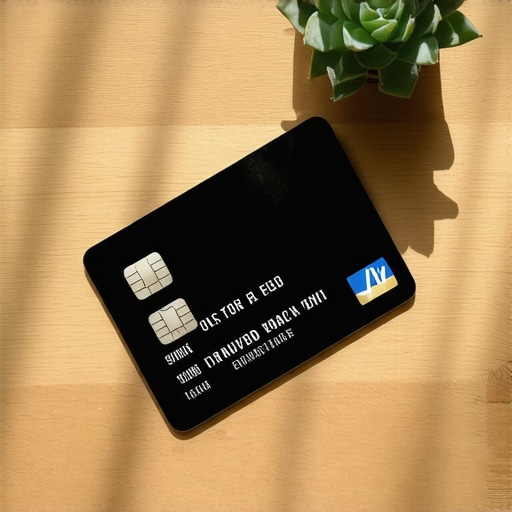
Beat the Reporting Clock
Most people think paying by the due date is enough, but they are missing the most important window. There is a massive difference between your due date and your statement closing date. If you spend one-hundred and fifty dollars of a two-hundred dollar limit and pay it off on the due date, the bank has likely already reported that seventy-five percent utilization to the bureaus. Your score will tank even though you paid in full. To win, you need to learn the best time of month to pay your credit card bill. I started paying my balance three days before the statement closed. This way, the bank reported a zero or two-dollar balance, making me look like a low-risk borrower to the scoring algorithms.
Clean the Slate While You Build
While your secured card is doing the heavy lifting of building new history, you have to keep the pressure on the old errors. I used to think a quick phone call would fix things. Big mistake. The bureaus thrive on verbal ambiguity. You need a physical paper trail. When I finally used the certified mail hack that forces bureau responses, the tone of the conversation changed. I stopped being a nuisance and started being a consumer with documented rights. Make sure you have the document checklist for a successful credit dispute ready before you lick a single envelope.
Break the Automated Rejection Loop
If you have ever sent a letter only to get a generic ‘verified’ response in ten days, you have been hit by an automated filter. These systems are designed to ignore generic templates found online. To break through, you have to understand how to stop the automated rejection loop in your next dispute by including specific, unique details about the error. I once spent months fighting a medical collection that was not mine. It was not until I included a copy of my actual utility bill showing I lived in a different state during that time that the verification machine finally broke. This is the core of the science of credit repair—it is about providing evidence that is too specific for an algorithm to ignore.
Don’t Let a ‘Non-Profit’ Label Blind You to the Risks
Most people assume that if a credit counselor is part of a non-profit organization, they are automatically on your side. I used to believe this too, until I realized that many of these agencies are actually funded by the very banks you owe money to. While they can help you manage debt, entering a debt management plan can sometimes be viewed by future lenders as a ‘soft bankruptcy.’ This is one of those pitfalls in credit counseling programs that nobody warns you about during the intake call. In my experience, the truth about most non-profit credit counselors is that their primary goal is getting the bank paid, not necessarily maximizing your FICO score. If you aren’t careful, you might trade a slightly lower interest rate for a decimated credit profile that takes years to recover.
The One-Click Trap That Sabotages Your Legal Rights
We live in an age of convenience, but when it comes to your credit, convenience is often a trap. Everyone tells you to just log into an app and hit the ‘dispute’ button. It feels productive, right? Wrong. In reality, you should stop using the dispute button on credit apps right now. When you click that button, you often unknowingly agree to terms that waive your right to a full investigation under the Fair Credit Reporting Act (FCRA). You are essentially handing the bureaus a ‘get out of jail free’ card. According to a landmark study by the Federal Trade Commission (FTC), one in five consumers has a verified error on at least one of their credit reports. By using the automated button, you make it nearly impossible to dispute credit errors swiftly and securely because you have no physical paper trail to prove they ignored your evidence. 
Can you really force a bureau to explain their ‘verification’ process?
This is where most people give up. You get a letter back saying the item was ‘verified,’ and you think that’s the end of the road. But the advanced move is to demand a ‘Method of Verification.’ However, be warned: the problem with method of verification requests is that bureaus often respond with a generic template. To win, you have to be more persistent than their automated systems. This is the difference between someone who just wants a better score and someone who understands the science of credit repair. You aren’t just asking if the debt is yours; you are demanding they prove they followed the law to verify it. Have you ever fallen into this trap where you thought you were fixing things only to find out you were making them worse? Let me know in the comments. To truly move the needle, you must focus on key credit score factors that the algorithms prioritize, rather than just chasing every small error you see. It’s about being strategic, not just active.
I learned the hard way that a clean credit report is not a ‘set it and forget it’ achievement. It is more like a garden; if you stop weeding, the thorns of errors and identity theft will crawl back in. To manage this effectively, I moved away from messy desk piles and built what I call my ‘Evidence Log.’ This is a simple spreadsheet where I track every single letter sent, the date of receipt via certified mail, and the specific agent who signed for it. This level of detail is exactly how you dispute errors effectively because when a bureau claims they never got your proof, you can provide the exact timestamp of their signature. The National Consumer Law Center (NCLC) often points out in their ‘Automated Injustice’ reports that the biggest hurdle for consumers is the e-OSCAR system, which reduces your complex evidence into a three-digit code. My log ensures that if I ever have to escalate to a consumer attorney, I have the full paper trail that kills collection accounts for good.
Organize Your Defense Like a Professional
I don’t rely on the bureaus’ internal tracking. Instead, I use a physical blue expandable folder dedicated solely to financial ‘heartbeats.’ Inside, I keep copies of every single utility bill and bank statement from the last two years. Why? Because when a ‘ghost debt’ suddenly appears, I can immediately prove I had no account with that provider. This is a core part of the science of credit repair. You aren’t just saying ‘it isn’t mine’; you are providing a wall of data that makes it cheaper for the bureau to delete the item than to keep fighting you. This level of organization is what separates those who get temporary bumps from those who unlock your credit score potential permanently.
How do I keep my score from crashing after the cleanup?
Maintenance is about monitoring the right things. Most people obsess over their ‘vantage’ score on free apps, but lenders are looking at something different. I personally track my the difference between FICO 8 and FICO 9 scores every quarter. FICO 9 is more forgiving with medical collections, but FICO 8 is still what most auto lenders use. To keep these stable, I use a ‘Credit Freeze’ on secondary bureaus like SageStream and LexisNexis. By cutting off the data flow to these smaller aggregators, you make it much harder for junk debt buyers to ‘re-age’ old accounts and pop them back onto your main reports. It is one of the most effective fast credit repair tips for long-term stability.

The Shift Toward Trended Data
Looking ahead, the game is changing. We are moving toward FICO 10T, which uses ‘trended data.’ This means the bureaus won’t just look at your balance today; they will look at whether you are gradually paying off debt or gradually accumulating it over a 24-month window. In 2025 and beyond, you won’t be able to just ‘flush’ your utilization a week before applying for a mortgage. You need to start improving your credit score with proven repair techniques that focus on long-term payment patterns. My prediction? Consumers who maintain low balances consistently will see their scores skyrocket, while ‘balance flippers’ will see a stagnation. My advanced tip for you today: Download your full reports from AnnualCreditReport.com (it’s still free weekly for now) and highlight every ‘Date of Last Activity’ to ensure no old debts are being illegally updated. Do this once a month, and you will stay ahead of 99% of the population.
Three Hard Truths About Credit Repair That Changed My Life
Looking back at that day at the checkout counter, I realize that my frustration was fueled by a lack of knowledge. I wish someone had told me that credit repair is 90% psychology and 10% paperwork. First, stop viewing the credit bureaus as omnipotent judges; they are simply massive filing cabinets that occasionally lose the right papers. Second, your score is a living thing. If you treat it with respect through fast credit repair tips and consistent habits, it will reward you. Lastly, never settle for a ‘good’ score when you can have an elite one by mastering the science of credit repair. You are more than a number, but that number determines how much of your hard-earned money you get to keep.
The Arsenal Every Borrower Needs for Success
If you are serious about this journey, you need more than just a secured card. I always recommend keeping a copy of the Fair Credit Reporting Act (FCRA) on your digital drive—it is the law that gives you teeth. Before you talk to anyone about debt management, make sure you know the one question to ask before signing with a credit counselor. I also trust the AnnualCreditReport.com service for my weekly deep dives and my physical ‘Evidence Log’ for tracking certified mail. #IMAGE_PLACEHOLDER_E# These aren’t just chores; they are the foundation of how you unlock your credit score potential without paying thousands to a middleman.
Your Financial Freedom is Closer Than You Think
The road to an 800 score isn’t a sprint; it’s a steady walk. Every time you send a well-documented letter or pay your bill before the statement closes, you are voting for your future self. You now have the blueprint to dispute errors effectively and the strategy to build a history that lenders will compete for. Don’t let another year pass by feeling stuck behind a wall of rejection. Start today, one small step at a time. Have you ever felt like a specific credit error was haunting you no matter what you did? Let me know in the comments below.