

I still remember the ice-cold pit in my stomach when I opened that plain white envelope three years ago. There it was: a zombie debt from my college days, something I knew was well past the seven-year legal reporting limit, suddenly showing up on my credit report as if it happened last month. My credit score took an overnight dive of sixty points. In my panic, I did the worst thing possible—I called the collection agency and argued with them on the phone, unknowingly giving them ammunition. This sneaky tactic is called debt re-aging, and it is a blatant violation of federal law. Today, I am going to show you exactly how to fight back, protect your hard-earned credit rating, and permanently erase these illegal reporting errors from your credit files. We will cover how to recognize this trap and the precise steps to shut it down for good.
The Sneaky Trick of Re-Aging and Why It Happens
You might think a debt naturally disappears from your history after seven years, but unscrupulous debt buyers often manipulate the “date of first delinquency” to make old accounts look brand new. They do this because they know a fresh collection item absolutely tanks your score, forcing you into a corner where you might feel pressured to pay just to make it go away. Early in my financial recovery journey, I mistakenly believed that talking to these agencies would resolve things. Instead, I learned the hard way that you should never pay a debt buyer without verification first. When a collector re-ages an account, they are banking on your ignorance of the Fair Credit Reporting Act (FCRA). According to federal trade statistics, credit reporting complaints have surged in recent years, with billing and collection inaccuracies topping the list of consumer frustrations. Spotting this early is crucial, especially if you are actively trying to improve your credit score with proven repair techniques in 2025.
Is fighting a re-aged debt actually worth the massive headache?
Absolutely, because letting an illegal collection sit on your report costs you thousands in higher interest rates. Many folks worry that disputing a debt will make matters worse or trigger a lawsuit, but the law is firmly on your side here. If you do not challenge these unauthorized changes, the collector wins. You must take a stand and dispute errors effectively to force the credit bureaus to delete the stale data. Have you ever noticed an old, forgotten debt suddenly reappear on your credit report with a brand-new date? Leave a comment below and let me know—I would love to hear how you handled it.
Build Your Paper Trail Armor
To defeat a debt buyer who has manipulated your delinquency dates, you must treat your credit files like a legal crime scene. Gathering evidence is your absolute first line of defense because credit bureaus will not take your word over a collector’s computer automated feed. I learned this the hard way when I filed a simple online dispute hoping the bureau would just play nice; instead, they verified the debt within forty-eight hours because I had provided zero physical proof. To avoid this trap, you need to pull your historical records. You need to know that why online dispute portals are a trap for consumers, as they often strip away your right to submit comprehensive documentation. Dig through your old bank statements, look for your original credit contracts, and grab your oldest credit reports to find the actual date you first stopped paying the original creditor. This date is the anchor that legally starts the seven-year clock, and collectors cannot change it.
The Three-Step Takedown Process
Draft the Ultimate Dispute Letter
Once you have established the original date of delinquency, do not call the collection agency. You must communicate solely in writing. Draft a letter to the credit bureaus pointing out the exact date discrepancy. State clearly that the account is obsolete and must be removed under the Fair Credit Reporting Act. To ensure your letter actually gets read by a human and processed correctly, you must understand why every credit dispute should be sent via registered mail. Sending your mail this way forces a physical signature, starting a strict legal thirty-day countdown for the bureaus to investigate and respond. If they fail to verify the details within that window, they are legally required to delete the entire trade line from your credit history.
Force Debt Verification from the Source
While the credit bureaus are investigating, you must simultaneously target the collection agency. Send them a formal request demanding full verification of the debt. Do not ask for a simple invoice or a printout of their database. Demand the original contract and the exact ledger showing the date of first delinquency. If the collector cannot produce the original documentation, they cannot legally report the account. Many debt buyers purchase old portfolios for pennies on the dollar and do not actually possess the underlying paperwork. If you need help structuring this demand, learn how to force a verification of debt that is ten-years-old to shut down their collection efforts permanently.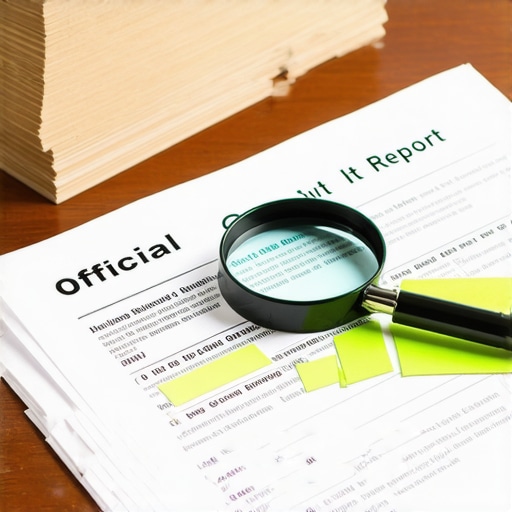
File a Federal Complaint to Spark Action
If the credit bureaus or the collection agency ignore your physical paper trail and refuse to correct the reporting date, it is time to escalate. File a formal complaint through the Consumer Financial Protection Bureau (CFPB). This agency acts as a federal referee, forcing credit bureaus and creditors to provide real answers within fifteen days. When I filed my CFPB complaint after months of being ignored, the bureau deleted the re-aged account within a week. You can easily do this yourself by learning how to use the CFPB portal to resolve stalled disputes. This step bypasses the automated dispute scanners and gets your file in front of a compliance officer who actually understands federal consumer law.
The Great Credit Score Delusion: What Everyone Gets Wrong
Most self-proclaimed financial gurus repeat the same tired advice: if you have negative items, just pay them off and your credit rating will magically soar. In my years of dismantling complex credit profiles, I have discovered that the opposite is often true. Paying off an old, inactive collection account doesn’t raise your score; in fact, it can cause your rating to plummet. This happens because the payment updates the ‘date of last activity’ on the account, dragging an old delinquency right back to the front of your credit profile. Instead of blindly sending money, you need to understand the science of credit repair: expert advice to elevate your score without resetting the clock on negative items.
Another common mistake is relying on generic online dispute templates. Many consumers believe that flooding the bureaus with dozens of challenge letters at once shows strength. In reality, the bureaus use sophisticated optical character recognition (OCR) software to flag these repetitive templates instantly, labeling your request as frivolous. If you want real results, you must learn how to dispute credit errors swiftly and securely in 2025 by drafting unique, handwritten, or highly customized physical letters that bypass automated scanning systems entirely.
Why does my credit score drop immediately after paying off a major debt?
This is the ultimate paradox of the FICO algorithm, and it catches thousands of smart consumers off guard. When you pay off a long-standing balance—such as an auto loan or a mortgage—you are actually closing an active credit line. This reduces your overall credit mix and lowers the average age of your active accounts. A study by the Consumer Financial Protection Bureau highlights how closing old accounts consistently reduces score depth, yet traditional advisers still push the ‘pay everything to zero’ narrative. To navigate these complex algorithm rules, you must master the key credit score factors every borrower must know before making any sudden financial moves.
The Dual Traps of Debt Management and Counseling
When people feel overwhelmed by collection letters and sinking scores, they often rush into the arms of credit counseling agencies, thinking they are taking the safe, responsible path. Here is the hidden nuance: many non-profit counseling organizations are heavily funded by the credit card companies themselves. Their primary goal is to get you into a Debt Management Plan (DMP). While a DMP might lower your interest rates, these agencies often add a notation to your credit report stating that you are in a managed payment program. To lenders, this notation is a major red flag that can halt a mortgage application in its tracks. Before signing any paperwork, make sure you know how to read the fine print in a credit counseling agreement.

If you genuinely need professional guidance, do not jump into the first program you see online. You must learn how to identify a legitimate credit counselor from a scam to protect both your remaining savings and your long-term borrowing reputation. Navigating your path to recovery requires absolute precision, and blending DIY credit strategies with expert oversight is often the safest route. Have you ever fallen into this trap or noticed your score drop after doing what you thought was the ‘right’ thing? Let me know in the comments below!
Once you clean up the wreckage of re-aged accounts and settle your active disputes, the real challenge begins: maintaining those gains. I used to believe that once a negative item was deleted, I could simply walk away and never look back. I was wrong. The credit ecosystem is dynamic, and debt buyers frequently sell and repackage old portfolios. To keep your files safe, you must establish a systematic, long-term monitoring routine and leverage the exact tools that professional consumer advocates use behind closed doors.
The Tech Stack I Personally Use to Safeguard My Files
I do not rely on generic credit-monitoring services that sell your data to credit card issuers. Instead, I use a dedicated document management and tracking system. My personal setup relies on physical binders paired with an encrypted digital database like VeraCrypt to store every dispute letter, certified mail receipt, and bureau response. According to credit industry analyst John Ulzheimer, former manager at FICO and Equifax, keeping a rigorous physical paper trail is the single most effective defense against recurring reporting errors.
For active tracking, I recommend checking your reports directly from the official portal rather than relying on third-party apps that only show VantageScore models. To do this securely, you should learn how to monitor your credit for free without giving away data. I set a recurring calendar alert on the first Tuesday of every quarter to pull my official files and cross-reference every active trade line against my secure digital archive.
How do I maintain my repaired credit score over the long term?
Maintaining your score requires a balance of active monitoring and strategic account utilization. First, you must prevent the bureaus from easily selling your information to marketing companies, which often triggers pre-screened offers and potential identity risks. I highly recommend implementing a permanent security freeze on your credit files. This simple move stops unauthorized hard inquiries in their tracks and ensures no one can open a new line of credit in your name. To understand why this is your best option, read about why a credit freeze is your best defense against identity theft.

Second, keep your older credit lines active without carrying a balance. Many people make the mistake of closing old credit cards once they pay them off. This actually lowers your average age of accounts and hurts your score. Instead, you should understand why you should never close your oldest credit card. I keep one small, recurring subscription on my oldest card and set it to autopay, keeping the account active and the utilization ratio near zero.
The Future of Credit Monitoring and AI Disputes
Looking ahead, the credit repair landscape is shifting rapidly. Over the next few years, I predict that the major credit bureaus will rely almost entirely on artificial intelligence and automated neural networks to process disputes. This means that generic, robotic letters will become completely obsolete, as machine-learning scanners will instantly flag and discard them. To protect yourself in the future, you must focus on highly customized, physical correspondence. Master the absolute fundamentals by exploring the ultimate blueprint for effective credit repair. Your ability to craft personalized, evidence-backed disputes will be your greatest asset as automation takes over the industry.
My challenge to you today is to take one specific action: pull your official reports tonight and freeze your files at all three major bureaus to lock in your current standing. If you spot any lingering errors during this process, make sure you know how to dispute errors like a pro and improve your credit with ease.
When you start fighting back against deceptive collection agencies, you quickly realize that credit bureaus and debt buyers operate in a deeply flawed system. Protecting your financial future requires you to think like an investigator and act with absolute certainty. The road to recovery is paved with physical certified mail slips, well-documented timelines, and a refusal to back down when automatic scanners try to reject your legitimate claims.
What Experts Won’t Tell You About Credit Bureau Tactics
Through my own trial and error, I uncovered several harsh realities about how the system operates when you are actively working to fix your rating. Here are the key lessons they try to keep hidden:
- The verification process is mostly a lie: When a bureau claims they verified an old, re-aged collection, they rarely look at original contracts. Usually, an automated system simply matches the name and balance with the collector’s current digital feed. This is why you must demand the actual source documents.
- Paying off a debt buyer can cost you more than money: Many consumers assume settling a debt is always a win. In reality, unless you negotiate beforehand, a settlement can simply update the activity date, dragging your score down. You must understand why you should request a deletion instead of a settlement to keep your progress intact.
- Bureaus count on your exhaustion: Automated dispute systems are designed to stall you with generic rejection letters. They want you to give up, but sending a second, more detailed physical letter usually forces a manual review by a human compliance officer.
My Essential Toolkit for Erasing Inaccuracies
You do not need to hire expensive, sketchy agencies to clean up your credit history. Here are the precise resources and tools I use to maintain an spotless profile:
First, the CFPB Consumer Complaint Database is an invaluable, free public tool. When credit bureaus stall your dispute, submitting a complaint through this federal portal bypasses the automated scanner systems entirely. Second, I recommend using a physical Certified Mail Logbook. Keeping track of tracking numbers, delivery dates, and physical signatures from the post office is your only legal proof when a creditor claims they never received your dispute. Finally, instead of paying for expensive monthly monitoring apps, you should focus on top credit repair strategies to boost your score faster by reviewing your reports directly from the official annual credit report portal to find hidden errors yourself.
Your Roadmap to a Clean Financial Slate
Reclaiming control of your credit history can feel incredibly intimidating, but the physical paper trail you build today is your shield against illegal debt buyers. Do not let predatory collections dictate your financial options, your ability to buy a home, or your overall peace of mind. Every dispute letter you send brings you one step closer to absolute financial freedom. Take a deep breath, gather your old records, and start writing your customized dispute letters today. Your financial future is worth the effort.
Have you ever had an old, expired debt suddenly reappear on your credit report with a brand-new date? Let me know in the comments below how you handled it!