

I’ll never forget the sting of opening my banking app two weeks after I finally drove that silver SUV off the lot. I thought I’d finally ‘made it’—solid credit, a reasonable interest rate, and a signed contract in the glove box. But when I refreshed my score, it had plummeted by nearly 25 points. I felt like I was being punished for being a responsible borrower. It was my first real lesson in the counterintuitive world of lending, and honestly, it’s a trap I see my neighbors fall into all the time. Today, I want to pull back the curtain on why this happens and show you how to navigate the dip without losing your mind.
Why your score takes a hit when you get what you wanted
It feels like a betrayal, doesn’t it? You prove you are creditworthy, a bank hands you thousands of dollars, and the credit bureaus respond by docking your points. The reality is that the system is designed to be cautious. When you take on a new obligation, you are a higher risk until you prove you can handle that specific payment. Early on, I made the mistake of thinking my score was a ‘reward’ for my behavior, rather than a snapshot of my current risk level. I didn’t realize that recent credit inquiries were only half the battle; the actual opening of the account was the second punch. Have you ever checked your score after a big approval only to find yourself staring at a sea of red numbers? It’s a common frustration, but it’s rarely permanent if you know how the gears are turning under the hood. For instance, understanding the key credit score factors every borrower must know can help you anticipate these shifts before they happen.
Does a new loan really hurt your long-term goals?
You might be worried that this dip is going to follow you for years, or worse, that you’ve ‘broken’ your credit profile. It’s a valid fear, especially if you’re planning for another big move soon. However, the drop is usually tied to the ‘New Credit’ category, which, according to FICO, typically accounts for about 10% of your total score. The hit comes from two places: the hard pull and the sudden decrease in your ‘average age of accounts.’ When I started out, I used to panic and try to dispute errors that weren’t even errors—they were just the natural rhythm of the credit cycle. I didn’t yet understand the difference between FICO 8 and FICO 9 scores and how different lenders view that initial drop. The good news is that we can mitigate this. By focusing on proven strategies to boost your score, you can often recover those lost points within just a few months of on-time payments. We’re going to look at the exact steps you need to take to ensure this ‘new loan dip’ is just a tiny blip on your journey to financial freedom.Once the ink is dry on your new loan, you need to transition from borrower to auditor. Your first priority is identifying if that initial point drop is just the ‘new credit’ hit or if it’s masking something more sinister. I remember helping a friend who took out a personal loan; her score dropped 60 points, which is way too much for a single inquiry. We dug in and found an old medical bill that had been ‘re-aged’ to look brand new right as she opened the new account. If you don’t look, you don’t know. You have to read your credit report like a professional auditor to spot these discrepancies before they settle in like concrete. Finding these ghosts early is the only way to ensure your ‘recovery’ isn’t actually a slow slide into lower tiers.
Find the hidden leaks in your credit report
The key to a fast recovery is cleaning up the ‘noise’ on your report that you probably ignored while you were focused on the loan approval. When I was buying my first home, I was so obsessed with the mortgage rate that I didn’t notice a misspelled address and a job history that was five years out of date. These seem like small details, but they can trigger identity verification flags that slow down your score’s ability to rebound. You need to dispute errors effectively by gathering specific proof—like a utility bill for address verification—rather than just clicking a button and hoping for the best. Precision beats persistence every time in this game.
Ditch the ‘Easy’ button on your credit apps
Most people go straight for the dispute button on their phone, but that’s a rookie mistake that can cost you months of progress. When you use those built-in tools, you often waive your right to a full investigation under the Fair Credit Reporting Act. I learned this the hard way when I tried to fix a name misspelling and accidentally ‘verified’ a debt that wasn’t even mine because I used a simplified app interface. Instead, you should stop using the dispute button on Credit Karma right now and switch to a paper trail. Using the certified mail hack that forces bureau responses is like sending a subpoena instead of a polite request. It puts the bureaus on a strict 30-day clock, and if they can’t verify the data, the negative mark must be deleted.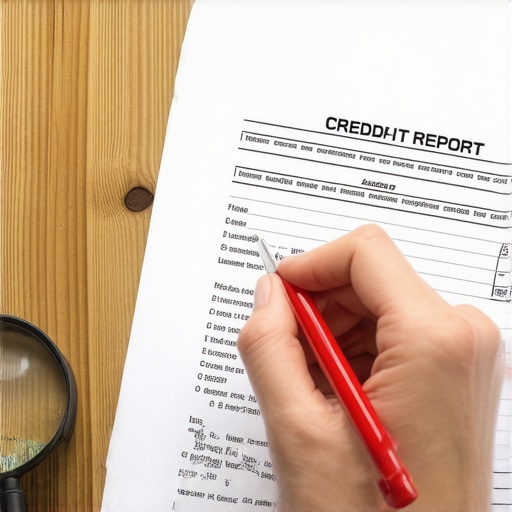
Turn your monthly bills into credit builders
While you wait for the bureaus to process your updates, look at your existing cash flow. You’re already paying for a roof over your head, so why not make that work for your FICO score? Many people don’t realize that your rent history is your biggest credit opportunity. When I was rebuilding after a rough patch in 2018, adding my rent payments to my file acted like an anchor, stabilizing my score while my newer accounts were still in their ‘risky’ infancy. It adds a layer of ‘thick’ credit history that lenders love to see, offsetting the ‘thin’ profile created by a brand-new loan. Finally, get obsessive about your statement closing dates. This isn’t just about paying on time; it’s about paying at the right time. If you pay your bill on the due date, the high balance has often already been reported. Learning the best time of month to pay your credit card bill can instantly lower your reported utilization. By paying just a few days before the statement closes, you show a lower balance to the world, which is the fastest way to claw back those lost points.
Stop treating your credit report like a wishlist
Most people approach credit repair with the ‘throw everything at the wall’ mentality. They buy some cheap software and send off a dozen letters claiming that every negative item is ‘not mine.’ In my experience, this is the fastest way to get your file blacklisted. When you send a generic denial, the bureaus’ automated systems (like e-OSCAR) flag your account as potentially fraudulent or as being managed by a third-party ‘mill.’ This often leads to a ‘frivolous’ designation that stops your progress dead in its tracks. You need to understand the difference between a factual dispute and a general denial. A factual dispute doesn’t just say ‘this is wrong’; it points out that the date of first delinquency is off by three days or that the balance doesn’t match your records. Precision is your only shield against the robots. If you look like a template, you get treated like one. Learning how to stop the automated rejection loop in your next dispute is the secret to getting a real human being at the bureau to actually look at your evidence.
Why does the bureau keep rejecting my valid proof?
It’s the most common question I get from people who have already tried the ‘standard’ methods. You send in your bank statements, they ignore them, and send back a letter saying ‘verified.’ The nuance most people miss is that the bureaus aren’t actually looking at your documents initially; they are just checking if the creditor says the debt is real. A landmark study by the Federal Trade Commission (FTC) highlighted that a staggering number of consumers face uphill battles because the system is weighted toward the data providers. To beat this, you have to use credit repair secrets that target the creditor’s inability to produce the original signed contract. If you don’t have the document checklist for a successful credit dispute ready before you mail that letter, you are just guessing. 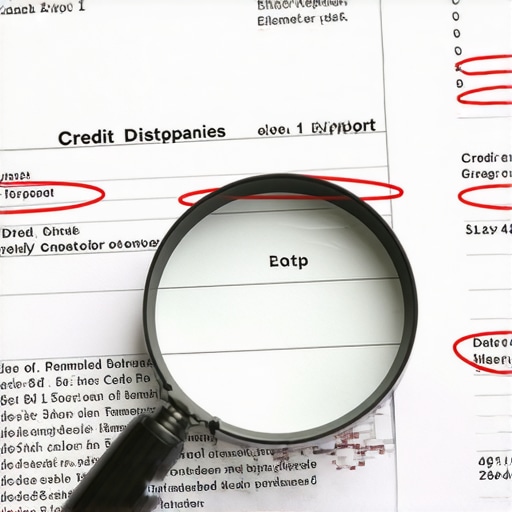
The nonprofit credit counseling trap
Here is a truth that makes people uncomfortable: just because an agency is a ‘nonprofit’ doesn’t mean they are on your side. I’ve seen countless borrowers enter a Debt Management Plan (DMP) thinking it’s a safer alternative to credit repair, only to find their scores tanking because the counselor closed all their accounts. Closing accounts destroys your credit age and utilization. In many cases, why nonprofit credit counselors might be hurting your score comes down to the fact that they are often funded by the very creditors you owe money to. They prioritize the creditor getting paid over your FICO score’s health. You also need to be wary of how to spot a credit repair clinic that will get you flagged, as many of these ‘services’ use the same high-pressure tactics as the collectors they claim to fight. Real progress takes surgical precision, not a sledgehammer. Have you ever fallen into this trap? Let me know in the comments.Once you’ve cleared the hurdles of the initial dispute process, the game shifts from ‘repair’ to ‘maintenance.’ I use a very specific tech stack for this, and it doesn’t involve some $100-a-month subscription. I rely on a simple encrypted spreadsheet where I track every single account’s statement closing date—not just the due date. This is where the science of credit repair meets real-world execution. If you aren’t tracking your own numbers, you’re at the mercy of the bureaus’ lag times. I also recommend checking your raw data directly through the CFPB’s Consumer Complaint Database if a bureau ignores your valid proof. This is the ultimate escalation tool for when the standard letters fail. It’s technical documentation at its best: it forces a response from the legal department rather than a customer service rep.  For the long haul, I swear by ‘preventative freezing.’ You probably know about freezing the big three bureaus, but the real pros know that why you need to freeze your Sagestream report today is because it stops smaller, secondary data miners from selling your ‘risk profile’ to insurance companies and lenders behind your back. This is part of the ultimate blueprint for effective credit repair that most people ignore until they get a random denial. If you want to scale your credit power, you have to control the data flow at the source. Most people don’t realize that companies like LexisNexis or SageStream hold more ‘character’ data on you than the big three combined.
How do I maintain my 800 score without losing my mind?
Maintenance is about making sure one late payment doesn’t undo years of work. I recently helped someone who had a 15-year perfect history ruined by a forgotten $12 subscription. Instead of panicking, we used the tactic for getting a goodwill adjustment from Chase (which works for most major banks too). It’s about leveraging your ‘customer lifetime value’ rather than just arguing about the law. You should also have a plan for how to keep your credit healthy during a job loss, because that’s when most scores collapse. My prediction for the next five years? We are moving toward ‘Trended Data’ and AI-driven scores that look at two years of your payment amounts, not just whether you were on time. Lenders are already starting to use models like VantageScore 4.0 which analyzes the trajectory of your debt levels. If you only pay the minimums now, even with a high score, your ‘AI risk’ will be high in 2026. My best advice for an advanced win? Try how to get a goodwill adjustment for a single mistake right now if you have any old late marks. It’s the easiest way to see an immediate jump and clean up the ‘history’ section of your file before the AI bots take over completely.
The Hard Truth About My Credit Recovery Journey
If I could go back and talk to that younger version of myself sitting in the SUV with a sinking heart, I’d tell him that the number on the screen isn’t his worth. I learned the hard way that the credit bureaus aren’t there to celebrate your milestones; they are data aggregators running cold math. The most important lesson I learned is that silence is your enemy. If you don’t engage with your report, errors will sit there for decades. You have to be proactive. Another big ‘lightbulb moment’ for me was realizing that mastering credit disputes isn’t about being loud; it’s about being accurate. When I stopped treating my letters like complaints and started treating them like legal evidence, the results changed overnight. Finally, I realized that while a new loan drops your score today, it builds the ‘credit mix’ you need for a perfect score tomorrow.
The Only Resources I Trust with My FICO
You don’t need a thousand different apps to manage this process. I stick to the gold standards that haven’t steered me wrong in a decade. First, use AnnualCreditReport.com for your raw data—it’s the only one mandated by law to give you the real deal for free. Second, the CFPB website is your best friend when a bank starts acting like a bully. I also recommend checking out these top credit repair strategies to boost your score faster if you’re looking for advanced moves beyond the basics. For those who feel overwhelmed by debt, learning how credit counseling can transform your financial future can provide a structured roadmap when you’re tired of guessing your next move.
#IMAGE_PLACEHOLDER_E#
Take Back Control of Your Score
The journey from a dip to a peak is never a straight line, but it is always worth the effort. Every time you dispute credit errors swiftly and securely in 2025, you are voting for your future financial freedom. Don’t let a temporary drop from a new loan discourage you from the long-term goal of owning your home or starting that business. Consistent, small actions like using credit score boosters will compound over time. Effective credit repair isn’t a one-time event; it’s a habit of excellence and oversight. You have the tools, the knowledge, and the right to a fair report—now go out there and claim it. Have you ever seen your score drop after a major life purchase? How long did it take for you to see it bounce back? Let me know in the comments below!