

I sat at my kitchen table with three different highlighters and a sinking feeling in my gut. I had just clicked ‘submit’ on an online dispute portal, thinking I was being efficient. Within forty-eight hours, an automated email pinged my phone: ‘Investigation Complete: Verified.’ I felt like the wind had been knocked out of me. I knew for a fact that the medical debt listed wasn’t mine, but a computer algorithm decided otherwise before a human could even blink. It was my first big mistake in my journey toward a better score, and it’s a trap I see neighbors and friends fall into every single week. We live in a world of instant gratification, but when it comes to your financial reputation, the ‘easy’ button is often a direct path to failure. I want to show you why those shiny, convenient buttons are actually designed to protect the credit bureaus, not your rights. Today, we are going to dive into the mechanics of the dispute process so you can finally dispute errors effectively and stop getting stonewalled by automated systems.
The Fast Lane to a Permanent Credit Rejection
The biggest lie in the credit industry is that the online dispute portal is there for your convenience. When I first started trying to clean up my own file, I thought I was being savvy. I logged into the bureau websites, checked a few boxes, and waited for the magic to happen. Instead, I accidentally waived my right to a full investigation. You see, when you use an online portal, your detailed evidence is often reduced to a simple three-digit code that an automated system processes. This is exactly why your online dispute was rejected in seconds during your last attempt. You lose the ability to provide the nuanced context that a physical paper trail offers. According to a report by the Consumer Financial Protection Bureau (CFPB), nearly 85% of disputes are handled through automated processes, which rarely favor the consumer. If you want real results, you have to stop using the dispute button on Credit Karma right now and start acting like your own private investigator.
Is it actually worth the extra postage to mail a physical letter?
I get this question all the time from people who are tired of the runaround. The skepticism is real—who wants to deal with envelopes and stamps in 2025? But here is the truth: a physical letter sent via certified mail creates a legal paper trail that the bureaus cannot ignore. When you use their portal, you are playing by their rules on their turf. When you send a letter, you are invoking your rights under the Fair Credit Reporting Act (FCRA). I learned this the hard way after three failed online attempts. Once I switched to the ‘old-fashioned’ way, I finally started seeing the results I deserved. We’re going to build the paper trail that kills collection accounts for good. Have you ever felt that ‘Verified’ sting just minutes after filing an online claim? Drop a comment or reach out, because you aren’t alone in that frustration. We’re going to fix it together.
Before you even touch a stamp, you need to treat your credit report like a crime scene. Most people scan their file, see a collection, and scream, ‘That’s not mine!’ That is a general denial, and it is the easiest thing for a bureau to ignore. Instead, you need to learn how to read your credit report like a professional auditor. You are looking for factual inaccuracies—the tiny typos that prove the bureau’s data is garbage. I once spent three months fighting a late payment on a student loan that I knew I’d paid. I kept sending letters saying I was on time, and they kept saying I wasn’t. It wasn’t until I sat down and compared the ‘date of last activity’ across all three bureaus that I saw the glitch: one bureau had the date listed as a Sunday when the bank was closed. That one small, impossible date was the leverage I needed to how to remove a wrongful late payment from a student loan and finally see my score jump.
Stop Guessing and Start Identifying Factual Errors
Think of your credit report as a resume written by someone who doesn’t know you. If they get your middle initial wrong or list an address you haven’t lived at in a decade, the whole document loses its integrity. This is the difference between a factual dispute and a general denial. A general denial says ‘This is wrong.’ A factual dispute says ‘This account says it was opened on June 12th, but my records show June 14th; therefore, this entire record is inaccurate and must be deleted.’ The law—specifically the Fair Credit Reporting Act (FCRA)—doesn’t say they only have to fix ‘big’ lies; it says they must report 100% accurate information. Period.
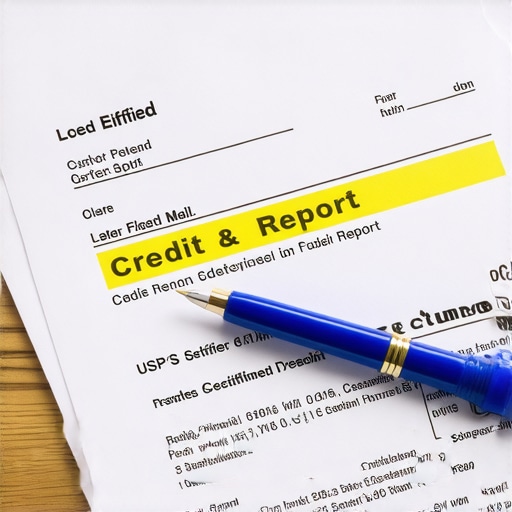
Gather the Evidence That Actually Wins
Once you find the error, you need the smoking gun. You wouldn’t go to court without a lawyer or evidence, so don’t send a letter without a the document checklist for a successful credit dispute. This includes copies of your ID, utility bills to prove your address, and any cancelled checks or statements that contradict the bureau’s data. When I cleared that student loan error, I attached a copy of my bank statement showing the transaction clearing on a Friday, proving the Sunday report was impossible. That proof is what makes you a pro.
The Certified Mail Strategy That Forces a Response
If you take away nothing else, remember this: the post office is your most powerful ally. When you use the certified mail hack that forces bureau responses, you are creating a legal clock. From the moment they sign for that green card, the bureau has 30 days to investigate and respond. If they don’t, they are in violation of federal law. I remember the first time I sent a certified letter to Equifax. I was terrified I’d done it wrong. But two weeks later, I got a response that wasn’t a form letter. It was a real human acknowledging the receipt of my evidence. It felt like I’d finally stopped shouting into a void and started a real conversation with the people holding my financial future hostage.
Now that you have the paper trail moving, let’s look at the nuances that separate the pros from the frustrated. Everyone tells you that the fastest way to fix your credit is to simply pay off your old debts. It sounds logical, right? But in my experience, paying a collection account in full is often the most expensive mistake you can make if your goal is a higher score. On older FICO versions, a paid collection still weighs just as heavily as an unpaid one. This is exactly why your score won’t budge despite paying down debt. You have lost your leverage and the negative mark stays for seven years anyway. Unless you are using a specific how to negotiate a pay-for-delete that actually works, you are essentially donating money to a debt collector for zero immediate score improvement.
Does paying off an old debt actually restart the seven-year clock?
This is the question that keeps people up at night. There is a terrifying myth that if you acknowledge a debt or make a small payment, the seven-year reporting limit resets. Legally, under the Fair Credit Reporting Act, the ‘Date of First Delinquency’—which starts that seven-year clock—cannot be changed. However, debt collectors are notorious for ‘re-aging’ accounts to keep them on your report longer. You need to know how to identify re-aged debt before you pay a cent. According to a study by the Federal Trade Commission, five percent of consumers had errors on their reports that could lead to higher insurance premiums or loan rates. If you catch them re-aging, you do not just dispute it; you demand total deletion because the record is fundamentally flawed. One major ‘oops’ factor I see involves the allure of ‘non-profit’ help. People assume that because a company has ‘non-profit’ in its name, they are on your side. In reality, many of these organizations are funded by the very credit card companies you owe money to. This is the truth about most non-profit credit counselors: they might help you manage your budget, but they often leave your credit score in tatters by marking accounts as ‘settled’ or ‘included in a debt management plan.’ Always ask the one question to ask before signing with a credit counselor to ensure their interests align with your score goals. Finally, when the bureau sends back a ‘Verified’ letter, do not take it as gospel. They are often just checking if the name and SSN match, not the actual transaction history. You need to stop settling for verified and demand these specific records like original contracts and payment ledgers. Have you ever been told a debt was ‘verified’ even when you knew it was wrong? Let me know in the comments below, because that is where the real fight begins.
Maintaining a 700+ score isn’t a one-time event; it’s a lifestyle of small, intentional habits. I don’t use the free apps that update once a month with ‘educational’ scores that no lender actually uses. Instead, I rely on a multi-score monitoring service that shows me the specific versions lenders see for mortgages and car loans. You need to understand the difference between FICO 8 and FICO 9 scores because they weigh medical debt and collections very differently. I also keep a simple spreadsheet where I log every letter sent, the date of delivery, and the ‘day 30’ deadline. This organization is how to stop the automated rejection loop in your next dispute. If you don’t track your deadlines, the bureaus will simply wait you out until you forget.
But the pros take it a step further by looking at the data sources the bureaus use behind the scenes. You probably didn’t know that companies like SageStream and LexisNexis feed the ‘Big Three’ with your data. This is why you need to freeze your sagestream report today. By cutting off the source of the bad data, you make it much harder for the bureaus to ‘verify’ an error using automated secondary databases. According to the National Consumer Law Center (NCLC), the e-OSCAR system—the centralized bridge for all these disputes—often fails to transmit the actual documents you mail, reducing your fight to a simple code. By freezing secondary reports, you’re essentially forcing the bureaus to actually do the work they’re legally required to do.

How do I keep my score healthy for years, not just weeks?
Once you’ve scrubbed the errors, the real work begins. I recommend a ‘maintenance audit’ every six months. I sit down and check my utilization ratios, ensuring I’m not falling into the trap of the hidden costs of carrying a maxed out store card. Even if you aren’t planning on buying a house soon, keeping that profile clean is essential for how to build a 700 score from zero in six months and keeping it there. Looking ahead, we are moving toward ‘Trended Data’ with FICO 10T. This means the bureaus won’t just look at what you owe today, but whether you are paying down debt or digging a deeper hole over the last 24 months. You can unlock your credit score potential with expert tips for 2025 by starting to treat your credit as a historical record rather than a monthly snapshot. If you want to see a real change, take my advice: go freeze your secondary reports at LexisNexis and SageStream this afternoon. It’s the one ‘pro’ move that most people ignore.
The Brutal Truth About Why My First Credit Disputes Failed
I used to think that being the loudest person in the room meant I would win. I would call the bureaus and demand they fix things, but a phone call leaves no evidence. The hardest lesson I learned is that the bureaus aren’t your friends; they are data brokers who value efficiency over accuracy. Here is what I know now after years of trial and error:
- The ‘Shotgun’ approach is a myth. If you dispute twenty items at once, the bureau will flag your request as ‘frivolous’ and ignore it. Stick to three items per letter to ensure they actually investigate each one.
- Never call a debt collector without a script. Anything you say can be used to acknowledge a debt, potentially giving them more leverage. This is why you should stop calling debt collectors and start mailing these forms instead.
- Documentation is your only shield. A letter without a copy of your ID and a utility bill is just recycling for the bureau. They will use any excuse to drop your case.
Tools for Your Credit Reconnaissance Mission
You don’t need a high-priced lawyer to dispute errors like a pro, but you do need the right equipment. I rely on three specific resources to keep my file clean. First, the FCRA (Fair Credit Reporting Act) text itself; knowing your rights is the ultimate power move. Second, I use a dedicated physical binder for all certified mail receipts. If you can’t prove they signed for it, the 30-day clock never started. Finally, I recommend a service that provides all three FICO scores, not just an ‘educational’ estimate. You need to see key credit score factors every borrower must know to understand how different errors impact your mortgage vs. your credit card eligibility.
#IMAGE_PLACEHOLDER_E#
Taking Back Your Financial Narrative
Your credit report isn’t just a list of numbers; it’s the story of your financial reliability as told by strangers. When you learn to how to dispute errors on your credit report and improve score with precision and persistence, you’re not just fixing a score—you’re demanding accuracy in your life story. Don’t let a glitch in a computer system dictate your interest rates or your ability to buy a home. Use the science of credit repair to your advantage and stay the course. The process can be tedious, but the moment you see that ‘Deleted’ notification on a wrongful collection, you’ll know every stamp was worth it. Have you ever had a credit bureau refuse to fix a mistake even after you sent proof? Let me know your experience in the comments below.