

I remember the exact moment my heart dropped into my stomach. It was a Tuesday evening, and the phone was ringing for the fourth time in an hour. I finally picked up, expecting a telemarketer, only to hear a cold, robotic voice demanding payment for a department store card I’d closed back in 2011. I felt a surge of physical panic. Had I forgotten a bill? Was I about to lose the progress I’d made on my credit score potential? I made the most common mistake in the book: I stayed on the phone and tried to reason with them. I even offered a small payment just to make them go away. I didn’t realize that by doing that, I was practically handing them a shovel to dig up my financial grave and restart the legal clock on a debt that should have stayed dead. Today, I’m going to show you exactly how to drive a stake through the heart of these zombie debts so you can stop the harassment and protect your future.
Don’t Let These Dead Debts Haunt Your Financial Life
Zombie debt isn’t just a catchy name; it’s a predatory industry where junk debt buyers purchase old, expired, or even settled accounts for pennies on the dollar and try to scare you into paying. I learned the hard way that these collectors rely on your fear and your lack of knowledge about the law. When they called me, I didn’t know about the paper trail needed to prove a debt is too old to collect. I just wanted the ringing to stop. But here is the reality: according to the Consumer Financial Protection Bureau (CFPB), debt collection is consistently one of the most complained-about industries, often because collectors pursue people for debts they don’t actually owe or that are legally uncollectible. You have to be your own advocate. You need to know how to stop a debt collector from calling your cell phone before you even think about discussing the money. Have you ever felt that sinking feeling when an old ghost from your financial past suddenly shows up in your caller ID? It’s exhausting, but you aren’t alone.
Is it actually possible to make them stop for good?
I used to think that once a debt collector had your number, you were doomed to change your digits or live in silence. That’s simply not true. The first thing I tell my neighbors now is to never, ever verify a debt over the phone. You need to demand a physical validation notice. If you don’t, you might fall for one of the 5 dirty tactics debt collectors use to restart the clock. I once let a collector talk me into admitting the debt was mine, which reset the statute of limitations and turned a dead issue into a live lawsuit. It was a brutal lesson in why you must never pay a debt buyer without verification. We are going to walk through the exact letters you need to send and the records you need to keep to ensure these zombies stay in the ground where they belong. It’s time to take your power back and focus on taking control of your financial future without the constant fear of a ringing phone.I treat debt validation like a security clearance check. When a collector calls, they are a stranger asking for your financial clearance. You shouldn’t give it to them until they prove exactly who they are and why they have the right to speak to you. I remember getting a sternly worded letter for a $400 medical bill that I didn’t recognize from several years prior. My gut told me to just pay it to keep my score safe and make the letters stop. Instead, I sent a formal request for validation. Three weeks later, I got a letter back saying they were closing the file because they couldn’t produce the original contract or billing statement. That’s the power of knowing how to identify a valid debt collection notice from a fake one. If you skip this step, you are essentially paying a stranger who might not even own the debt.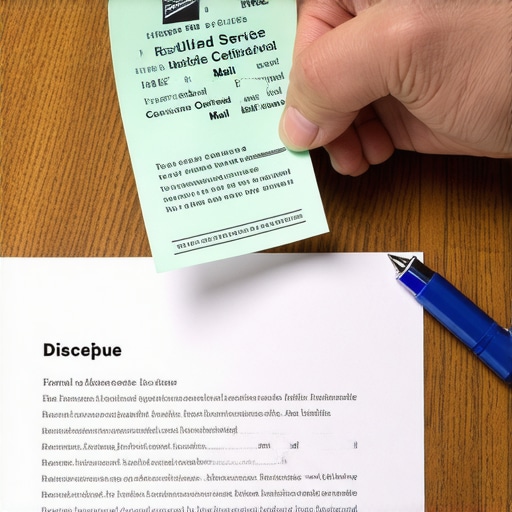
Put Up Your Shield with a Validation Letter
Your first move is always the Debt Validation letter. Think of this as the Show Me rule. Under the Fair Debt Collection Practices Act (FDCPA), you have 30 days from their first contact to demand proof. If they can’t provide the original contract, a full accounting of the balance, or proof of the assignment of the debt, they are legally required to stop collection activities. Most zombie debt buyers bought your debt in a digital spreadsheet alongside thousands of others; they rarely have the actual physical paperwork needed to win in court. By demanding validation, you are forcing them to do work they aren’t equipped for.
Check the Expiration Date on Your Debt
Every state has a Statute of Limitations that acts as a countdown clock for legal action. This isn’t about how long it stays on your credit report, but how long they can legally sue you for the money. If a debt is ten years old, it’s a dead debt in most states. However, the moment you make even a $5 payment or admit the debt is yours over the phone, you might accidentally restart that clock. This is why you must find the proof needed to delete a collection that is past the statute of limitations before you engage in any negotiation. It’s like a legal protective bubble that keeps your assets safe from predatory lawsuits.
Clean Your Credit Report the Right Way
If the zombie debt is already sitting on your report like a lead weight, you need to knock it off manually. But here is the catch: why you should never use an online portal to dispute errors is because those portals often force you to waive your right to a manual investigation and a follow-up lawsuit. I always send physical letters via certified mail. Use a specific strategy to dispute errors effectively: a guide to correct your credit report. Paper creates a legal trail that a computer click simply cannot match, and it forces a human at the credit bureau to actually read your evidence.
Why Your Certified Mail Receipt is Better Than Gold
Think of your post office receipts as high-value insurance policies. If you send a dispute and the credit bureau ignores you or sends back a generic rejection, that green Return Receipt Requested card is your evidence in a potential legal battle. It proves they received your letter on a specific date. If they don’t respond within 30 days of that date, they are in violation of federal law. This is how you dispute errors like a pro: improve your credit with ease. You aren’t just asking for a favor; you are documenting a legal process that protects your financial future.
People often assume that paying off a debt is the ‘moral’ and ‘smart’ thing to do for their credit score. In my experience, that’s a half-truth that can cost you thousands. If you’re dealing with an old collection, the damage is already done. Most lenders use FICO 8, and here’s the kicker: FICO 8 doesn’t give you extra points for paying off a collection; it only cares that the negative mark exists. This is often the reason your score did not jump after paying off your cards or old bills. You’re essentially rewarding a junk debt buyer for a negative mark that stays on your record for seven years regardless of the balance. According to a landmark study by the Federal Trade Commission (FTC), nearly 25% of consumers identified errors on their credit reports that could affect their scores, yet most people just pay up instead of investigating. You have to look past the surface and use top credit repair strategies to boost your score faster rather than just throwing money at the problem.
Get the Deletion or Keep Your Money
The real nuance lies in the secret to negotiating a pay-for-delete agreement that sticks. If you don’t get that agreement in writing before a single cent leaves your bank account, the collector will simply mark the account as ‘Paid Collection’ or ‘Settled.’ To a mortgage underwriter, ‘Settled’ can still look like a red flag, and it rarely provides the massive credit score boosters people expect. You need to know the difference between FICO 8 and FICO 9 scores, as newer models actually ignore paid collections, but most banks aren’t using those versions yet. You are fighting an uphill battle if you don’t understand the impact of a charge-off on your ability to get new credit before you start talking numbers with a debt buyer.
Why Does the Bureau Keep Verifying Inaccurate Debts?
It’s incredibly frustrating when you know a debt is wrong, but the bureau sends back a ‘verified’ response in just a few days. This happens because of e-OSCAR, an automated system that matches basic data points rather than human-reviewing your evidence. To break this cycle, you have to learn how to read your credit report like a professional auditor and identify the small discrepancies—like a wrong date of first delinquency or a mismatched account number—that force a manual override. If you aren’t specific, you’ll just get stuck in the automated loop. I always recommend that you dispute errors effectively: a guide to correct your credit report focuses on these granular details that robots miss. Have you ever fallen into the trap of paying an old debt only to see your score stay exactly the same? Let me know in the comments below, and let’s figure out your next move together.
The Tools That Keep My Financial Sanity Intact
Once the zombies are back in the ground, the real work begins: keeping them there. I don’t rely on flashy apps that promise to ‘monitor’ my credit while selling my data to the highest bidder. Instead, I use a dedicated ‘Credit War Chest.’ This is a physical expanding file folder where I store every certified mail receipt and original creditor correspondence. I also maintain a simple, locally-saved spreadsheet to track my Date of First Delinquency (DOFD). Why? Because digital tools can fail, but a physical paper trail is undeniable in a courtroom or a formal audit. I’ve found that using the method for beating automated dispute scanners at the bureau requires this level of manual precision. If you aren’t tracking the exact date you sent a letter, you can’t hold the bureaus accountable to their 30-day legal deadline. You need to dispute credit errors swiftly and securely in 2025 by staying organized.
How do I maintain my credit score over time?
The secret isn’t just paying bills on time; it’s auditing the auditors. Every six months, I pull my reports and check for ‘data rot.’ This is when old, accurate information starts to drift or merge with someone else’s data. I look for compliance with the Metro 2 format—the industry standard for credit reporting. As consumer law experts at the National Consumer Law Center (NCLC) emphasize, even a minor formatting error in a Metro 2 field can make a record legally disputable. I use these technicalities as credit score boosters by ensuring that every single line item is 100% compliant with federal standards. If it’s not perfect, it has to go. This proactive stance is much more effective than waiting for a problem to arise before seeking an ultimate guide to credit counseling to take control of your financial future.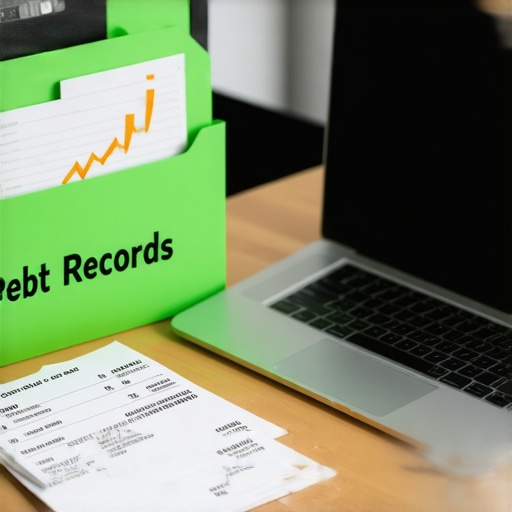
Look Out for the AI Revolution in Credit Reporting
Looking toward the future, I see the industry shifting heavily toward AI-driven ‘predictive disputing.’ We are moving away from generic letters and toward sophisticated software that analyzes reporting patterns to find ‘hidden’ errors. While this sounds great, the human element—your personal oversight—is still your best defense. You need to use fast credit repair tips: navigating dispute errors with confidence by staying ahead of these technological shifts. My advice? Try this one advanced tip today: Download your full report and look at the ‘Date Updated’ field for every account. If a closed account has a ‘Date Updated’ from last month, the collector is likely ‘refreshing’ the debt to keep it fresh on your report—a major red flag you can dispute immediately. Staying vigilant is the only way to unlock your credit score potential and keep your financial reputation spotless for the long haul.
Lessons from the Credit Repair Trenches You Won’t Find in a Brochure
After years of battling junk debt buyers and credit bureaus, I’ve realized that the financial system isn’t broken—it’s often designed to profit from your silence. One of the biggest shifts in my own journey was realizing the power of precision. If you simply tell a bureau ‘this isn’t mine,’ their automated scanners will likely dismiss you. You must be granular and understand the difference between a factual dispute and a general denial to force a manual review. I also learned that paying a zombie debt out of guilt is a strategic error; it often resets your legal liability without providing any score benefit. Lastly, remember that the bureaus are counting on you to give up after the first rejection. Persistence is your most effective weapon.
The Gear That Makes You a Nightmare for Debt Collectors
You don’t need expensive software to win this fight; you need organization. I keep a physical ‘Battle Folder’ for every dispute I initiate. This includes the document checklist for a successful credit dispute: a copy of my identification, recent utility bills for residency proof, and every single green certified mail receipt. I highly recommend keeping the document checklist for a successful credit dispute as your master reference to ensure you never miss a legal detail. These physical records ensure you can dispute credit errors swiftly and securely in 2025 without being caught in an automated loop. My most trusted tool is a simple physical calendar where I mark 30 days from every receipt date—missing a deadline means losing your leverage.
#IMAGE_PLACEHOLDER_E#
Your Financial Ghost Story Ends Tonight
It is incredibly easy to feel overwhelmed by aggressive collectors, but the law is a powerful shield if you know how to hold it. You have already taken the most important step by educating yourself on the predatory nature of zombie debt. Do not let the fear of a ringing phone stop you from unlocking your credit score potential. Every letter you send and every error you challenge is a step toward a future where you control your financial narrative. It is time to stop hiding from the past and start building a cleaner record by using unlock your credit score potential: expert tips for 2025 to guide your next moves. Your credit reputation is an asset worth fighting for.
Have you ever been blindsided by a debt you thought was long gone? Let me know in the comments below, and let’s figure out how to stop the harassment together.