

I remember standing at the checkout of a major department store three years ago, juggling a heavy box and a toddler. The cashier, a friendly woman who reminded me of my favorite aunt, promised me a cool $60 off my purchase if I just “slipped my info” into their credit card application. I felt like a financial genius in that moment. Who says no to free money? Well, six months later, when I applied for a car loan, the lender looked at my report like I’d just handed him a sticky napkin. My credit mix was a mess, dominated by low-limit retail cards that screamed “impulse spender” rather than “responsible borrower.” I’d fallen into the classic trap of prioritizing a one-time discount over my long-term financial health. Today, I’m going to show you exactly why that retail plastic is often a wolf in sheep’s clothing and how to pivot before your score takes a permanent dive. [image placeholder]
The Day a 20% Discount Cost Me Thousands in Interest
It was supposed to be a simple Saturday at the mall. Instead, it was the start of a two-year journey to fix my credit. I didn’t just open one card; I opened three over a single holiday weekend. I thought I was being smart by “diversifying,” but I was actually doing the exact opposite. According to FICO, your credit mix—the different types of accounts you have—makes up about 10% of your total score. By flooding my report with revolving retail lines, I ruined the balance. It’s one of those key credit score factors every borrower must know that nobody tells you at the cash register. I learned the hard way that the reason your credit score drops after a new loan approval is often tied to these small-limit cards dragging down your average account age. I thought I was building a profile, but I was actually thinning it out. My mistake was thinking all credit was created equal; it isn’t. When a major lender looks at your file, they want to see that you can handle different types of debt responsibly, not just that you have an addiction to clothing store discounts.
Are retail cards really that big of a deal?
I get it. You’re thinking, “It’s just a $500 limit, how much damage can it do?” The danger isn’t just the inquiry; it’s how it makes you look to high-level lenders. When a mortgage broker or a car lender sees a report filled with “consumer” cards from electronics shops or boutiques, they see a higher risk profile. These cards often have sky-high interest rates, sometimes exceeding 30%, which the Consumer Financial Protection Bureau has noted as significantly higher than traditional bank cards. This makes it incredibly easy to accidentally max out your utilization. I once spent $400 on a $500 store card for a new TV, not realizing that 80% utilization on that one card was tanking my score even though my other cards were empty.
Your Credit Mix Needs More Than Just Shopping Plastic
A healthy credit mix is like a balanced diet. You need a bit of everything: an installment loan (like a mortgage or car payment), a major bank card (Visa or Mastercard), and maybe one retail card if you truly shop there often. When you lean too heavily on store cards, you’re basically living on financial junk food. My big mistake was thinking these cards were the same as my bank cards. They aren’t. In fact, you should know how to use small retail cards to anchor your credit history without letting them take over your entire profile. If you’ve already made this mistake, don’t panic. There are ways to boost your credit score in 2025 by rebalancing your debt and focusing on higher-quality accounts. Have you ever been tempted by that “instant savings” at the register only to regret it when you checked your credit app a month later? Reach out and let me know—I’ve been there, and I know exactly how to fix the mess.
Scrub your report for those hidden credit killers
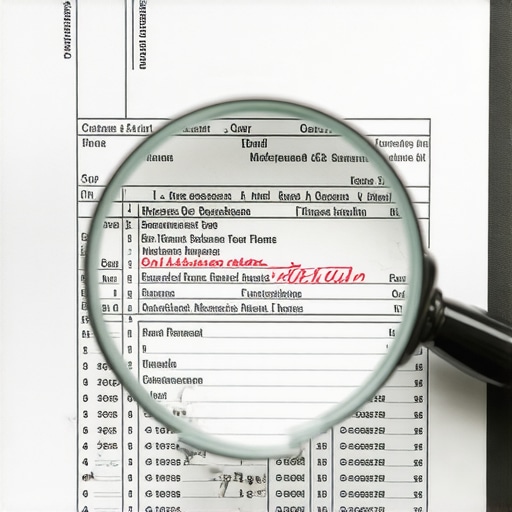
The first step is an audit. You cannot fix what you haven’t identified. I spent a whole Tuesday night highlighting every account on my Equifax report that was not a major bank or a car loan. I found four cards I had not used in two years but were still active and cluttering my profile. To do this right, you need to learn how to read your credit report like a professional auditor. Look for small, high-utilization balances that are quietly bleeding your points. 
Swap high-interest retail debt for something sustainable
Once you see the damage, it is time to move the weight. Retail cards are heavy debt. I once carried a $1,200 balance on a furniture store card at 28% APR. By the time I paid it off, I had effectively paid for the couch twice. The fix is rebalancing your debt into a single, lower-interest installment. I used a debt consolidation strategy, and you can see exactly how to use a personal loan to pay off high-interest credit cards to lower your total interest while improving your credit mix. It shifts the debt from revolving to installment, which lenders love to see.
Challenge inaccuracies before they sink your mortgage
Retailers are notoriously sloppy with their reporting. When I looked closely at my own file, one store was reporting me as 30 days late on an account I had closed months prior. This is where most people get stuck. You have to dispute errors effectively a guide to correct your credit report rather than just clicking a button on a free app. My mistake was being too vague. I just said ‘not mine’ and got rejected instantly. You need to be specific about dates, amounts, and account numbers to get a human to actually perform a manual review.
Avoid the automated rejection loop
If you have ever tried to dispute a store card error, you have probably hit a wall. Most bureaus use AI scanners that discard letters they deem frivolous. When I was trying to clean up my messy retail history, I kept getting the same canned response. I finally learned how to stop the automated rejection loop in your next dispute by including specific evidence that forced a manual review. This is the difference between a 20-point bump and months of frustration. Do not let a $40 clothing store error block you from a $400,000 home loan.
Be careful when cutting ties with old cards
My first attempt at fixing things was a total mess. I thought closing my oldest boutique card—the one with the 29% interest—was a power move. Instead, my score plummeted 35 points because I wiped out seven years of credit history. Before you grab the scissors, you must understand why closing a credit card can damage your loan approval odds. The goal is not just to get rid of store cards, but to manage their weight until your bank cards can take over the heavy lifting.
You’ve probably heard that non-profit credit counseling is the ‘responsible’ way to handle debt. But here is the truth most gurus won’t tell you: that little note on your report saying you are in a debt management plan can be a massive red flag to mortgage underwriters. While you think you are being proactive, a lender might see it as a sign that you can’t handle your own finances without a chaperone. It is a common misconception that ‘non-profit’ equals ‘safe.’ In reality, why nonprofit credit counselors might be hurting your score often comes down to how these programs are coded in the eyes of FICO. According to a study by the National Consumer Law Center, credit report errors often persist even after a consumer has entered a formal counseling program, leaving you with the same damage but less control over your accounts.
Why does your score stay stuck after you pay everything off?
It is the most frustrating feeling in the world. You scrape together the cash, pay off a $2,000 collection, and wait for your score to skyrocket. Instead, it drops or stays exactly the same. This happens because the FICO algorithm cares more about the presence of negative information than the balance of it. Simply paying it doesn’t remove the history. You need to understand the reason your score did not jump after paying off your cards before you empty your savings. In many cases, paying an old, dormant debt can actually ‘re-age’ the account, making a five-year-old mistake look like it happened yesterday. This is one of the 5 dirty tactics debt collectors use to restart the clock on your credit report.
Don’t fall for the ‘paid collection’ trap
If you are going to pay a debt, you must get something in return beyond just a $0 balance. You need a deletion. Most people assume that once they pay, the ‘mark’ goes away. It doesn’t. You have to learn the secret to negotiating a pay for delete agreement that sticks. Without that written agreement, you are essentially giving away your leverage. I once saw a client pay off three retail cards thinking it would help him buy a house, only to have his score drop because those ‘newly active’ paid collections looked fresh to the software. It’s a nuanced game, and if you don’t know the risks of using a non-profit credit counseling agency versus managing the disputes yourself, you could be setting yourself back years. Have you ever fallen into this trap where you paid a bill only to see your score refuse to budge? Let me know in the comments, and let’s figure out how to get you unstuck.
The tech I use to keep the bureaus on a short leash
Once you have scrubbed the errors, the real work begins: the maintenance phase. I don’t rely on free apps that only show me VantageScores; I need the data the lenders actually see. I personally use MyFICO because it gives me access to the specific versions of your score used for mortgages and auto loans, which are often wildly different from what you see on a standard dashboard. To truly stay on top of things, you should understand the difference between FICO 8 and FICO 9 scores and why one might be lagging behind the other. I also keep a simple ‘Audit Spreadsheet’ where I log the date of every dispute and the ‘Metro 2’ compliance status of my accounts. If you aren’t familiar with it, Metro 2 is the standard reporting format used by the Consumer Data Industry Association. When you speak their language—referencing specific reporting fields—the bureaus stop treating you like a hobbyist and start treating you like a professional.
AI and trended data are the future of your score
We are moving into an era where ‘snapshot’ scores are becoming obsolete. Lenders are shifting toward FICO 10T and VantageScore 4.0, which look at ‘trended data’—basically, they want to see if your balances are growing or shrinking over a 24-month period. This means you can no longer just ‘optimize’ your utilization the week before a mortgage application. You need to improve your credit score with proven repair techniques in 2025 that focus on long-term behavior rather than short-term tricks. I predict that within three years, your utility and rent payments will be just as influential as your credit card history. That is why I always tell people that why your rent history is your biggest credit opportunity right now; getting that data on your report today builds the trended history you will need tomorrow.
How do I maintain a 750+ score without obsessing over it daily?
Maintenance shouldn’t be a part-time job. I set ‘Threshold Alerts’ on all my accounts. If a balance exceeds 10% of the limit, I get a text. This prevents the ‘utilization creep’ that happens when you use one card for everything. I also perform a ‘Factual Audit’ every six months. This involves more than just checking for late payments; it means ensuring your name, address, and employer history are consistent across all three bureaus. Inconsistencies here can trigger fraud flags or cause ‘mixed files.’ If you find a snag, you need to dispute errors effectively a guide to correct your credit report by focusing on the physical paper trail rather than digital clicks. Using the science of credit repair expert advice to elevate your score means treating your credit report like a legal document that requires constant, precise proofreading. If you really want to level up, try the ‘Certified Mail Hack’ for your next dispute—it’s the fastest way to force a human review when the AI scanners keep bouncing your requests. Give it a shot on that one stubborn retail error and watch how quickly the tone changes.
Lessons I Learned While Fighting the Bureaus
Looking back at my journey, there are a few things I would tell my younger self before I ever signed up for that first store card. First, your credit score is much more sensitive to account variety than I realized; a portfolio of store cards just doesn’t carry the same weight as a solid bank-issued line. Second, I spent way too much time clicking ‘dispute’ buttons online, not realizing that I was feeding an automated loop that almost never works. I also learned that the most expensive credit is often the ‘free’ credit offered at a cash register—those interest rates are a silent killer of long-term wealth.
What I Keep in My Financial Toolbox
I didn’t get results until I started using professional-grade strategies. I highly recommend everyone dispute errors like a pro improve your credit with ease by moving away from digital portals and using physical mail. You should also look into the certified mail hack that forces bureau responses to ensure your letters actually get read by a human. If you are feeling overwhelmed, it is vital to learn how to avoid common pitfalls in credit counseling programs so you do not accidentally tank your score while trying to do the right thing. Finally, stay ahead of the curve and unlock your credit score potential expert tips for 2025 to prepare for the trended data shifts coming our way.
The Path to a Score You Can Be Proud Of
Fixing your credit is not about one-time tricks; it is about a consistent, educated approach to managing your report. Whether you are dealing with a messy retail history or trying to dispute errors that should not be there, the key is persistence. You have the power to reshape your financial future, and it starts with a single audit. Your credit repair journey might be slow at first, but the freedom that comes with a high score is worth every single letter you mail. Don’t let a few shopping mistakes define your borrowing power forever. Have you ever noticed your score stall out even when you are doing everything ‘right’? Share your story in the comments below—I would love to help you find the missing piece of the puzzle.