

I remember sitting in my car, staring at my phone until my eyes blurred, wondering why my credit score hadn’t budged even though I was on an official student loan deferment. I had the approval letter sitting right there on the passenger seat, but the credit app was still screaming that I was behind. It felt like I was screaming into a void where the banks and the bureaus just couldn’t hear me. It’s a punch-in-the-gut moment when you’ve done everything by the book—filled out the forms, waited for the approval, and checked your email every ten minutes—only to realize the system is still treating you like a delinquent. Today, we’re going to stop that ghost from haunting your financial future.
The Frustrating Reality of Loan Reporting
[IMAGE_PLACEHOLDER] You see, student loan servicers are massive machines, and sometimes the gears grind a little too slowly. Just because a human at the loan office clicked ‘approve’ doesn’t mean the automated data tape sent to the credit bureaus got the memo immediately. Often, these updates only happen once a month, and if your deferment started mid-cycle, you might be stuck with an ugly status for weeks. This lag is one of the key credit score factors every borrower must know because it directly affects your payment history, which is the biggest chunk of your score. It’s not just about the numbers; it’s about your ability to move forward with your life without being anchored by an error. If you’ve ever wondered why your credit score might differ across all three bureaus, it’s usually because one bureau got the update while the others are still playing catch-up.
Does fixing this really change your financial life?
You might feel like you’re fighting a losing battle, but let me tell you, it is worth every second of your time. A single ‘past due’ mark can keep you from getting a decent interest rate on a home or even stop you from getting a job in certain fields. According to the Consumer Financial Protection Bureau, student loan reporting issues are a major source of consumer frustration and financial harm. When you dispute errors like a pro, you aren’t just cleaning up a screen; you’re reclaiming your reputation.
How I Messed Up My Own Deferment Cleanup
I’ll be the first to admit I was naive. When I saw my deferment wasn’t showing up correctly, I just called the servicer, talked to a nice person on the phone, and assumed they would fix it. I didn’t ask for a reference number. I didn’t send a follow-up letter. I just waited. And waited. Three months later, my score was still in the gutter. I realized then that if I wanted it done right, I had to learn how to dispute errors effectively and keep a paper trail that could stand up to any bureau. I had to understand the science of credit repair to realize that phone calls mean nothing to a credit bureau—they only speak the language of documentation. Have you ever been stuck in that ‘we will fix it next month’ loop? It’s the worst, isn’t it? Let’s talk about how to break out of it for good.
Gather Proof Before You Make a Move
Think of your credit report like a courtroom trial. You wouldn’t show up and just say, ‘Trust me, I’m right,’ and expect the judge to rule in your favor. You need exhibits. Start by downloading the official deferment or forbearance approval letter from your student loan servicer’s website. This document is your ‘smoking gun.’ It proves the exact date your status changed. I learned this the hard way when I tried to mastering credit disputes through sheer willpower and phone calls. The bureau doesn’t care what a customer service rep said on Tuesday; they care what the paper says.
Don’t Fall for the Fast Online Dispute Trap
It’s tempting to click that big ‘Dispute’ button on a credit monitoring app. It feels modern and efficient, right? Wrong. Using these portals often forces you to choose from a pre-set list of reasons that might not fit your situation, and more importantly, you might waive your right to a manual re-investigation or a follow-up. This is exactly why online dispute portals are a trap for consumers. They are designed to streamline the bureau’s workload, not to get you the best result. 
Send Physical Mail to Get Real Results
When you use snail mail—specifically Certified Mail with a Return Receipt—you create a legal timestamp. This starts the 30-day clock that the Fair Credit Reporting Act (FCRA) mandates for a response. If they don’t fix it or prove it’s correct within that window, they legally have to remove the negative information. It’s like sending a formal invitation to a party; the bureau can’t claim they never got it. This is a core part of the ultimate blueprint for effective credit repair. I remember the first time I got that green signature card back in the mail. For the first time, I felt like I had the upper hand against a multi-billion dollar corporation.
Beat the Automated Scanners
Most disputes are scanned by an AI system called e-OSCAR. If your letter looks like a generic template from the internet, the system might flag it as ‘frivolous’ and toss it out. To win, you need to use the method for beating automated dispute scanners at the bureau. Write your letter in plain English. Hand-write the envelope. Mention specific dates and account numbers. Make it clear a human being wrote this. This simple shift ensures a human at the bureau actually looks at your loan deferment paperwork. When you dispute credit errors swiftly and securely this way, you’re not just guessing—you’re using a proven system to how to dispute errors on your credit report and improve score metrics that actually matter for your future car loan or mortgage.
Wait! Before you rush to pay off every debt collector who calls, let’s talk about the mistake that almost cost me my first home loan. Everyone tells you that ‘paying your debts’ is the moral and financial thing to do, but when it comes to the credit bureaus, the logic is upside down. In my experience, simply paying a collection without a plan is one of the fastest ways to stall your progress. Let’s dig deeper into the nuances that the ‘common wisdom’ usually ignores.
Why Paying a Debt Collector Might Actually Lower Your Score
Here is the contrarian truth: paying a collection account does not automatically remove it from your report. It just changes the status to ‘Paid Collection.’ To the FICO algorithm, a collection is a collection, and the damage is often already done. Even worse, making a payment can update the ‘date of last activity,’ which can sometimes make an old debt look brand new to the scoring software. Instead of just writing a check, you need to understand the strategy to wipe a collection without paying a dime if the debt isn’t valid, or at the very least, use the secret to negotiating a pay-for-delete agreement that sticks. If you don’t get it in writing that they will delete the entry, you are just throwing money at a ghost that will continue to haunt your score for years.

Avoid the Mass Dispute Trap That Flags You as Frivolous
I see people get excited after reading a few blog posts and they decide to dispute fifteen different items on their report in a single day. This is a massive ‘oops’ factor. When the bureaus see a sudden flood of disputes, their automated systems often flag the activity as ‘frivolous’ or suspect that a credit repair mill is at work. This can lead to a blanket denial of all your claims without a real investigation. To win, you have to be surgical. You need to learn how to stop credit bureau errors before they happen by monitoring your reports individually and staggering your disputes. This isn’t a sprint; it’s a chess match where patience is your strongest piece.
Does credit counseling actually hurt your chances of getting a mortgage later?
This is a sophisticated question that many borrowers overlook. There is a common myth that credit counseling is viewed by lenders as ‘bankruptcy-lite.’ While the act of seeking help doesn’t directly lower your FICO score, some lenders may look at a history of managed debt plans with a skeptical eye if you are applying for a high-value loan. However, how credit counseling can transform your financial future depends entirely on the type of program you choose. According to a landmark study by the Federal Trade Commission (FTC), one in five consumers has an error on at least one credit report that could lead to higher interest rates. If you use understanding credit counseling your blueprint for better finances to correctly manage your debt-to-income ratio while simultaneously using dispute errors effectively, you can actually become a more attractive borrower in the long run. Have you ever fallen into this trap where you thought you were helping your score but actually hurt it? Let me know in the comments. We’re all here to learn the the science of credit repair together and stop making the banks richer at our expense.
Once you’ve successfully purged those student loan errors and handled the collection ghosts, you’re in what I call the ‘maintenance phase.’ This is where most people get lazy, stop checking their reports, and end up right back where they started eighteen months later. I don’t want that for you. To keep your momentum, you need to improve your credit score with proven repair techniques in 2025 by shifting your focus from defense to offense.
Keep Your Score from Slipping Back into the Dark Ages
In my own journey, I stopped relying on those free apps that give you a ‘VantageScore.’ They’re fine for a quick glance, but they aren’t what most lenders actually use. I switched to checking my official FICO scores because why checking your own score never lowers the number is a myth you need to ignore—you can check your own FICO as often as you want. I use a simple Google Sheet to track my ‘Age of Accounts’ because I know that why you should keep your oldest credit card open forever is the literal foundation of a 800+ score. If you close that old card just because you don’t use it, you’re chopping off the legs of your credit history.
How can I keep my credit healthy for decades?
Maintenance isn’t about checking your app every hour; it’s about setting up a fortress. I personally set calendar reminders every four months to pull one free report from a different bureau via AnnualCreditReport.com. This staggered approach lets me see updates throughout the year for free. It’s a core part of the science of credit repair. According to the 2023 CFPB Consumer Response Annual Report, over 70% of consumer complaints involve credit reporting errors, meaning the system is designed to fail—you have to be the one to keep it honest. 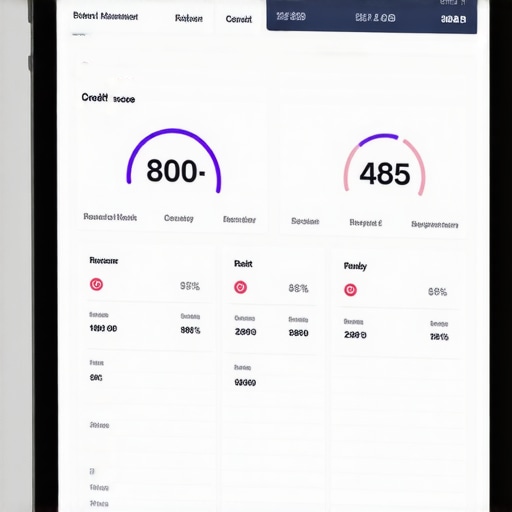
Ditch the Guesswork with the Right Tracking Tools
You might be wondering about the truth about credit repair software vs professional help. While software can automate the letters, it can’t provide the nuance of master credit counseling unlock your path to financial freedom when you’re dealing with complex debt-to-income ratios. I recommend using a tool like MyFICO for the most accurate data, but the best tool is your own paper trail. Keep a physical folder for every dispute letter and every green certified mail receipt.
The Next Wave of Credit Scoring is Already Here
Looking ahead, we’re seeing a massive shift toward FICO 10T and VantageScore 4.0, which look at ‘trended data.’ This means the bureaus aren’t just looking at what you owe today; they’re looking at whether your balances are trending up or down over the last 24 months. The ‘quick fix’ era is dying. The future belongs to those who treat their credit like a garden—regularly weeding out errors and watering the accounts that grow their wealth. My challenge to you today: log into your oldest account and make sure it’s active, even if it’s just a $5 subscription. Keeping that history alive is the easiest win you’ll get this week.
The Hardest Lesson I Learned While Fighting My Loan Servicer
If there is one thing that years of credit repair taught me, it is that a ‘verbal confirmation’ is worth exactly the paper it isn’t written on. I once spent four months waiting for a fix because a helpful-sounding agent told me, ‘It’s being processed.’ It wasn’t. Here are the lightbulb moments that changed how I approach my credit score:
- The Approval Letter is Just the Beginning: Your deferment letter is a weapon, but it only works if you point it at the right person. The servicer doesn’t always talk to the bureau, so you must bridge that gap yourself.
- Silence is a Legal Deadline: If you send a certified letter and they don’t respond in 30 days, that is your golden ticket to how to handle a credit bureau that ignores your evidence.
- Small Wins Compound: Deleting one late payment from a student loan can sometimes jump your score higher than paying off a credit card. Don’t underestimate the power of accuracy.
- Always Demand the Method: If they ‘verify’ an error as correct, this is why you should ask for a method of verification every time. Force them to show their work.
The Tools That Saved My Financial Sanity
You don’t need a fancy subscription to win this game, but you do need a system. After helping dozens of people dispute errors effectively, these are the resources I keep in my desk drawer:
- A Physical Accordion Folder: This sounds old school, but having your 2024 deferment letter next to your certified mail receipts makes you feel in control.
- MyFICO: While other apps are great for broad trends, I trust this for the real numbers that lenders actually see. It’s part of mastering the science of credit repair.
- AnnualCreditReport.com: I use the ‘staggered method,’ pulling one bureau every four months. It keeps a constant eye on my profile without costing a dime.
[IMAGE_PLACEHOLDER]
Taking Back Your Future Starts With One Letter
I know it feels like you are a small fish in a massive ocean of data, but the law is actually on your side. The Fair Credit Reporting Act wasn’t written for the banks; it was written for you. Every time you successfully dispute errors like a pro, you are voting for a better future for yourself. You aren’t just a number on a screen; you are a person who deserves a fair shot at a home, a car, and a life without financial shadows. Have you ever had a credit bureau ignore your evidence even when you had the proof in hand? Let me know in the comments below, and let’s troubleshoot it together.