

I was sitting at my kitchen table, nursing a lukewarm coffee, when I opened the alert from my banking app. A thirty-day late payment had just hit my report. My stomach did a somersault. I’ve spent years meticulously building my reputation with lenders, and in one afternoon of sheer forgetfulness, I felt like I’d thrown it all away. This wasn’t a case of not having the funds; it was a chaotic week, a missed calendar notification, and a reminder that life happens. But that one ‘life happens’ moment threatened to tank my score by sixty points or more. I had to learn the hard way that key credit score factors every borrower must know often include these tiny, irritating blemishes that hold way too much power. If you’re currently staring at your screen wondering if you’ve ruined your financial future over a single mistake, I’m here to tell you there’s a way out. We’re going to dive into the exact method I used to beg for mercy—and win.
That One Late Payment Doesn’t Have to Be a Permanent Scar
When I first started trying to improve your credit score with proven repair techniques, I made the classic mistake of thinking the credit bureaus were the only ones who could change my report. I spent hours mailing generic dispute letters that went nowhere because, frankly, the late payment was actually my fault. I was honest, but I was also stuck. That’s when I realized that the bank itself has the power to erase the mistake if you know the right way to ask for a goodwill deletion. It’s not about legal loopholes or aggressive demands. It’s about leveraging your history as a ‘good’ customer to fix a ‘bad’ moment. Have you ever felt like you were being punished for being human?
Is writing a letter actually worth your time?
I get it. You’re skeptical. You think these big banks are faceless machines that don’t care about your ‘oopsie’ moment. For a long time, I felt the same way. But here’s a surprising fact: According to data from the Consumer Financial Protection Bureau, credit card companies and lenders have a significant amount of discretion when it comes to reporting. They aren’t legally required to report a late payment if it’s an isolated incident and they choose to be lenient. This is why understanding why your high interest rate is directly linked to your report is so vital; even one deletion can save you thousands in future interest.
Why Your Relationship with the Bank Matters More Than You Think
Early on, I tried to handle everything through automated systems. Big mistake. I learned that why online dispute portals are a trap for consumers is largely because they remove the human element. When you’re asking for a goodwill gesture, you need a person to see your track record, not a bot to scan a form. You need to show them that this one instance is an outlier in an otherwise perfect history. It worked for me when I thought my mortgage odds were toast, and it can work for you too. [image_placeholder] Whether you’re trying to remove a late payment from your auto loan or just clean up a credit card slip-up, the principle is the same: sincerity beats software every time.
Draft Your Plea with Precision Not Pressure
A goodwill letter is essentially a character reference for yourself. You aren’t arguing that the late payment didn’t happen; you are arguing that it isn’t representative of who you are as a borrower. Think of it like apologizing to a friend for being late to dinner—you don’t blame the traffic (even if it was bad), you acknowledge the slip-up and point to the years you were always early. When you learn how to remove a late payment from your history permanently, your tone must be humble. I once sent a letter that was far too defensive, blaming my bank’s mobile app layout. They denied me in forty-eight hours. When I tried again three months later, taking full responsibility and mentioning my desire to buy a home, the tone shift made all the difference.
The anatomy of a winning goodwill letter
Your letter needs three things: your account history, a brief explanation of the ‘life event,’ and a specific request for a ‘goodwill adjustment.’ Don’t just ask to fix it; use the technical terms. You want them to report the account as ‘paid as agreed’ for that specific month. While you’re at it, dispute errors effectively by ensuring every other detail on that account—from the balance to the open date—is 100% accurate. If they see you are meticulous about your records, they take your request more seriously. 
When the First ‘No’ Is Not the End
Persistence is the secret sauce. Most people stop after the first generic rejection letter. I didn’t. I called back and asked for the ‘Executive Office of Consumer Response.’ It sounds fancy, but it’s just a department that handles higher-level issues. If you’ve already tried to improve your credit score with proven repair techniques and hit a wall, this is your next move.
Find the person who can actually hit the ‘delete’ button
The front-line customer service rep usually doesn’t have the ‘delete’ button on their screen. They have ‘view’ and ‘comment’ buttons. You need to get to a manager or a specialist. I remember a specific Tuesday afternoon spent on hold for forty minutes. I was frustrated, but when I finally got a supervisor, I explained that I was looking into credit counseling to manage my budget better so this would never happen again. That show of initiative—proving I was taking steps to be a better borrower—convinced them to wipe the late fee and the reporting error.
Small cracks in reporting lead to big wins
If the goodwill approach fails, you have to pivot. Sometimes the bank won’t budge, so you have to look for technicalities. This is where you dispute errors like a pro by looking for tiny discrepancies in how the late payment was reported. Does the date of first delinquency match across all three bureaus? Often, it doesn’t. Because why your credit score might differ across all three bureaus is usually due to data entry variations, these small cracks are your way in.Most people think that ‘paying it off’ is the gold standard for fixing their credit score. In my experience, this is often a trap. If you have an old collection account that is nearing the seven-year mark, making a partial payment or even a full settlement can ‘reset’ the clock on the date of last activity, potentially keeping that negative mark on your report for years longer than if you had just left it alone. This is why you need to understand the science of credit repair expert advice to elevate your score. It is not just about getting the balance to zero; it is about managing the reporting data points that the algorithms actually care about. Before you open your wallet, remember that why you should never pay a debt buyer without verification is a rule written in financial blood. If they cannot prove they own the debt, you should not be paying them a dime. 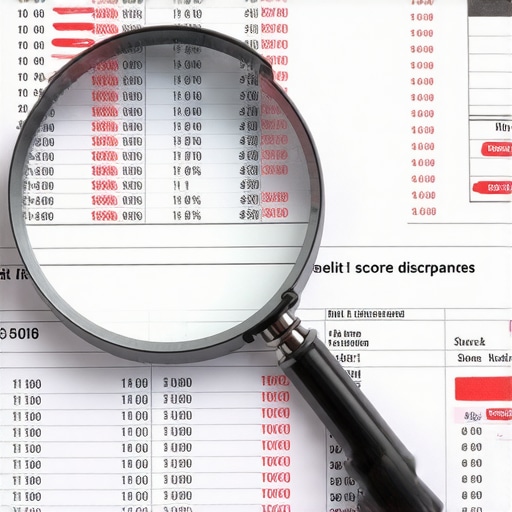
Is non-profit credit counseling actually a safe haven?
This is where things get sticky. We are conditioned to believe that ‘non-profit’ equals ‘good.’ While some organizations are fantastic, the truth is that entering a debt management plan through a counselor can sometimes appear as a negative flag to specific mortgage lenders. They might see it as a ‘voluntary’ form of Chapter 13 bankruptcy. Before you sign up, you must weigh the risks of using a non-profit credit counseling agency against your long-term goals. If you are planning on buying a house in the next twelve months, that counselor might do more harm than good. I always tell my friends to look at the difference between non-profit and for-profit counseling carefully; one might save your budget while the other accidentally sinks your loan application.
Stop sending identical letters to the bureau
One of the biggest mistakes I see advanced DIYers make is using the same template they found on a forum. If you send three identical letters, the credit bureaus automated scanners will flag your account as frivolous. Once that tag is on your file, they can legally ignore your future disputes for a long time. To dispute errors effectively, every letter needs to be unique, handwritten if possible, and backed by specific evidence. According to a landmark study by the Federal Trade Commission, nearly 25% of consumers identified errors on their credit reports that might affect their scores. If you are one of them, do not waste your shot with a generic template. Use the ultimate blueprint for effective credit repair to tailor your approach to the specific error. The bureau is looking for any excuse to throw your letter in the discard pile; do not give it to them. Have you ever fallen into this trap? Let me know in the comments.
Once you’ve successfully managed to how to dispute errors on your credit report and improve score, the real work begins: the maintenance phase. I used to think credit repair was a ‘one and done’ event, like fixing a leaky faucet. But it’s actually more like maintaining a high-performance engine. If you stop checking the oil, things start to seize up. I personally shifted from using the free, basic apps to a dedicated spreadsheet where I log every single ‘statement closing date.’ Most people confuse this with the due date, but the closing date is when the bank actually snapshots your balance for the bureaus. By paying my cards down to 3% utilization two days before that snapshot, I’ve kept my score from fluctuating wildly.
Ditch the basic apps and get a real monitor
I get asked all the time about the truth about credit repair software vs professional help, and my answer usually depends on how much data you want to see. Free apps are great for a quick glance, but they often use the VantageScore 3.0 model, which almost no mortgage lender actually uses. I switched to a paid monitoring service that provides all 28 FICO scores. It sounds like overkill until you realize your ‘Auto Score’ is completely different from your ‘Mortgage Score.’ Seeing these specific numbers helped me dispute errors like a pro because I knew exactly which data point was dragging down a specific loan type. 
How do I keep my score in the high 700s forever?
Maintenance is about building a ‘paper trail’ for your future self. I keep a digital folder of every ‘Letter of Deletion’ I receive. Lenders are notorious for ‘zombie reporting,’ where a debt you successfully disputed suddenly reappears six months later when it’s sold to a new collector. If you don’t have that original letter, you’re starting from scratch. Learning how to stop credit bureau errors before they happen involves checking your report at least once a quarter. I set a calendar alert for ‘Credit Clean-Up Day’ every ninety days. During this time, I check for small things, like an old address that might lead to a ‘merged file’ error with a relative.
The shift toward trended data will change how you spend
The world of credit is changing fast. According to the technical briefs for the FICO Score 10T model, lenders are moving toward using ‘trended data.’ This means they aren’t just looking at your score today; they are looking at whether your balances have been rising or falling over the last 24 months. You can no longer just ‘flush’ your debt right before applying for a loan to trick the system. Consistency is the new gold standard. If you want to unlock your credit score potential, you need to show a downward trend in your total debt load over a long horizon. Understanding the truth about how often your score actually refreshes is key here; it’s a marathon, not a sprint. If you’ve been struggling with a stubborn bureau, don’t give up. I’ve seen cases where people had to how to handle a credit bureau that ignores your evidence for months before getting a breakthrough. My best advice? Go to your main credit card app right now, find your ‘statement closing date,’ and set a reminder to pay the balance off five days before that date. This one tiny habit can boost your score by thirty points in a single billing cycle.
I was sitting at my kitchen table, nursing a lukewarm coffee, when I opened the alert from my banking app. A thirty-day late payment had just hit my report. My stomach did a somersault. I’ve spent years meticulously building my reputation with lenders, and in one afternoon of sheer forgetfulness, I felt like I’d thrown it all away. This wasn’t a case of not having the funds; it was a chaotic week, a missed calendar notification, and a reminder that life happens. But that one ‘life happens’ moment threatened to tank my score by sixty points or more. I had to learn the hard way that key credit score factors every borrower must know often include these tiny, irritating blemishes that hold way too much power. If you’re currently staring at your screen wondering if you’ve ruined your financial future over a single mistake, I’m here to tell you there’s a way out. We’re going to dive into the exact method I used to beg for mercy—and win.
That One Late Payment Doesn’t Have to Be a Permanent Scar
When I first started trying to improve your credit score with proven repair techniques, I made the classic mistake of thinking the credit bureaus were the only ones who could change my report. I spent hours mailing generic dispute letters that went nowhere because, frankly, the late payment was actually my fault. I was honest, but I was also stuck. That’s when I realized that the bank itself has the power to erase the mistake if you know the right way to ask for a goodwill deletion. It’s not about legal loopholes or aggressive demands. It’s about leveraging your history as a ‘good’ customer to fix a ‘bad’ moment. Have you ever felt like you were being punished for being human?
Is writing a letter actually worth your time?
I get it. You’re skeptical. You think these big banks are faceless machines that don’t care about your ‘oopsie’ moment. For a long time, I felt the same way. But here’s a surprising fact: According to data from the Consumer Financial Protection Bureau, credit card companies and lenders have a significant amount of discretion when it comes to reporting. They aren’t legally required to report a late payment if it’s an isolated incident and they choose to be lenient. This is why understanding why your high interest rate is directly linked to your report is so vital; even one deletion can save you thousands in future interest.
Why Your Relationship with the Bank Matters More Than You Think
Early on, I tried to handle everything through automated systems. Big mistake. I learned that why online dispute portals are a trap for consumers is largely because they remove the human element. When you’re asking for a goodwill gesture, you need a person to see your track record, not a bot to scan a form. You need to show them that this one instance is an outlier in an otherwise perfect history. It worked for me when I thought my mortgage odds were toast, and it can work for you too. [image_placeholder] Whether you’re trying to remove a late payment from your auto loan or just clean up a credit card slip-up, the principle is the same: sincerity beats software every time.
Draft Your Plea with Precision Not Pressure
A goodwill letter is essentially a character reference for yourself. You aren’t arguing that the late payment didn’t happen; you are arguing that it isn’t representative of who you are as a borrower. Think of it like apologizing to a friend for being late to dinner—you don’t blame the traffic (even if it was bad), you acknowledge the slip-up and point to the years you were always early. When you learn how to remove a late payment from your history permanently, your tone must be humble. I once sent a letter that was far too defensive, blaming my bank’s mobile app layout. They denied me in forty-eight hours. When I tried again three months later, taking full responsibility and mentioning my desire to buy a home, the tone shift made all the difference.
The anatomy of a winning goodwill letter
Your letter needs three things: your account history, a brief explanation of the ‘life event,’ and a specific request for a ‘goodwill adjustment.’ Don’t just ask to fix it; use the technical terms. You want them to report the account as ‘paid as agreed’ for that specific month. While you’re at it, dispute errors effectively by ensuring every other detail on that account—from the balance to the open date—is 100% accurate. If they see you are meticulous about your records, they take your request more seriously.
When the First ‘No’ Is Not the End
Persistence is the secret sauce. Most people stop after the first generic rejection letter. I didn’t. I called back and asked for the ‘Executive Office of Consumer Response.’ It sounds fancy, but it’s just a department that handles higher-level issues. If you’ve already tried to improve your credit score with proven repair techniques and hit a wall, this is your next move.
Find the person who can actually hit the ‘delete’ button
The front-line customer service rep usually doesn’t have the ‘delete’ button on their screen. They have ‘view’ and ‘comment’ buttons. You need to get to a manager or a specialist. I remember a specific Tuesday afternoon spent on hold for forty minutes. I was frustrated, but when I finally got a supervisor, I explained that I was looking into credit counseling to manage my budget better so this would never happen again. That show of initiative—proving I was taking steps to be a better borrower—convinced them to wipe the late fee and the reporting error.
Small cracks in reporting lead to big wins
If the goodwill approach fails, you have to pivot. Sometimes the bank won’t budge, so you have to look for technicalities. This is where you dispute errors like a pro by looking for tiny discrepancies in how the late payment was reported. Does the date of first delinquency match across all three bureaus? Often, it doesn’t. Because why your credit score might differ across all three bureaus is usually due to data entry variations, these small cracks are your way in.Most people think that ‘paying it off’ is the gold standard for fixing their credit score. In my experience, this is often a trap. If you have an old collection account that is nearing the seven-year mark, making a partial payment or even a full settlement can ‘reset’ the clock on the date of last activity, potentially keeping that negative mark on your report for years longer than if you had just left it alone. This is why you need to understand the science of credit repair expert advice to elevate your score. It is not just about getting the balance to zero; it is about managing the reporting data points that the algorithms actually care about. Before you open your wallet, remember that why you should never pay a debt buyer without verification is a rule written in financial blood. If they cannot prove they own the debt, you should not be paying them a dime.
Is non-profit credit counseling actually a safe haven?
This is where things get sticky. We are conditioned to believe that ‘non-profit’ equals ‘good.’ While some organizations are fantastic, the truth is that entering a debt management plan through a counselor can sometimes appear as a negative flag to specific mortgage lenders. They might see it as a ‘voluntary’ form of Chapter 13 bankruptcy. Before you sign up, you must weigh the risks of using a non-profit credit counseling agency against your long-term goals. If you are planning on buying a house in the next twelve months, that counselor might do more harm than good. I always tell my friends to look at the difference between non-profit and for-profit counseling carefully; one might save your budget while the other accidentally sinks your loan application.
Stop sending identical letters to the bureau
One of the biggest mistakes I see advanced DIYers make is using the same template they found on a forum. If you send three identical letters, the credit bureaus automated scanners will flag your account as frivolous. Once that tag is on your file, they can legally ignore your future disputes for a long time. To dispute errors effectively, every letter needs to be unique, handwritten if possible, and backed by specific evidence. According to a landmark study by the Federal Trade Commission, nearly 25% of consumers identified errors on their credit reports that might affect their scores. If you are one of them, do not waste your shot with a generic template. Use the ultimate blueprint for effective credit repair to tailor your approach to the specific error. The bureau is looking for any excuse to throw your letter in the discard pile; do not give it to them. Have you ever fallen into this trap? Let me know in the comments.
Once you’ve successfully managed to how to dispute errors on your credit report and improve score, the real work begins: the maintenance phase. I used to think credit repair was a ‘one and done’ event, like fixing a leaky faucet. But it’s actually more like maintaining a high-performance engine. If you stop checking the oil, things start to seize up. I personally shifted from using the free, basic apps to a dedicated spreadsheet where I log every single ‘statement closing date.’ Most people confuse this with the due date, but the closing date is when the bank actually snapshots your balance for the bureaus. By paying my cards down to 3% utilization two days before that snapshot, I’ve kept my score from fluctuating wildly.
Ditch the basic apps and get a real monitor
I get asked all the time about the truth about credit repair software vs professional help, and my answer usually depends on how much data you want to see. Free apps are great for a quick glance, but they often use the VantageScore 3.0 model, which almost no mortgage lender actually uses. I switched to a paid monitoring service that provides all 28 FICO scores. It sounds like overkill until you realize your ‘Auto Score’ is completely different from your ‘Mortgage Score.’ Seeing these specific numbers helped me dispute errors like a pro because I knew exactly which data point was dragging down a specific loan type.
How do I keep my score in the high 700s forever?
Maintenance is about building a ‘paper trail’ for your future self. I keep a digital folder of every ‘Letter of Deletion’ I receive. Lenders are notorious for ‘zombie reporting,’ where a debt you successfully disputed suddenly reappears six months later when it’s sold to a new collector. If you don’t have that original letter, you’re starting from scratch. Learning how to stop credit bureau errors before they happen involves checking your report at least once a quarter. I set a calendar alert for ‘Credit Clean-Up Day’ every ninety days. During this time, I check for small things, like an old address that might lead to a ‘merged file’ error with a relative.
The shift toward trended data will change how you spend
The world of credit is changing fast. According to the technical briefs for the FICO Score 10T model, lenders are moving toward using ‘trended data.’ This means they aren’t just looking at your score today; they are looking at whether your balances have been rising or falling over the last 24 months. You can no longer just ‘flush’ your debt right before applying for a loan to trick the system. Consistency is the new gold standard. If you want to unlock your credit score potential, you need to show a downward trend in your total debt load over a long horizon. Understanding the truth about how often your score actually refreshes is key here; it’s a marathon, not a sprint. If you’ve been struggling with a stubborn bureau, don’t give up. I’ve seen cases where people had to how to handle a credit bureau that ignores your evidence for months before getting a breakthrough. My best advice? Go to your main credit card app right now, find your ‘statement closing date,’ and set a reminder to pay the balance off five days before that date. This one tiny habit can boost your score by thirty points in a single billing cycle.
The Lessons Only a 60-Point Drop Could Teach Me
After years spent in the trenches of financial recovery, I realized that persistence often outweighs expertise. You don’t need a law degree to win; you just need to be more organized than the faceless entity on the other end of the line. When I first hunted for top credit repair strategies to boost your score faster, I focused solely on the algorithm, but I should have focused on the human element. Treating a bank representative with empathy rather than aggression is often the fastest path to a deletion. Furthermore, remember that a ‘no’ is frequently just a request for more evidence. Don’t take rejection personally; take more notes and try a different angle.
Another vital lesson is that credit accuracy is binary—it is either 100% correct or it is an actionable error. When you are applying fast credit repair tips navigating dispute errors with confidence, be meticulous with your dates and dollar amounts. The bureaus thrive on ambiguity, so give them none.
My Personal Toolkit for a Bulletproof Score
I trust very few resources when my financial reputation is at stake, but these are my non-negotiables. First, I always recommend myFICO for monitoring, as it provides the actual scores lenders use for major purchases. For those who feel buried by complex balances, I suggest investigating how credit counseling can transform your financial future through a verified non-profit. [image_placeholder_final] Finally, never underestimate a simple digital calendar to track your statement closing dates; it is more effective for your credit score than any expensive software on the market.
You Are More Than a Three-Digit Number
It is easy to feel defined by your credit score when a rejection letter arrives in the mail. But remember, that number is a snapshot of your past, not a final judgment on your future. By taking these steps, you are reclaiming your power from the automated systems. If you are ready to fully master credit counseling unlock your path to financial freedom, start by sending that first letter today. You have the blueprint; now you just need the consistency to see it through. Have you ever had a bank surprise you with a ‘yes’ on a goodwill request, or are you still fighting for your first win? Let me know your story in the comments below.