

I stood on the sidewalk with a single cardboard box, watching the new owners change the locks on the front door of what used to be my sanctuary. The silence of that moment was deafening. My credit score had cratered into the low 400s, and I felt like a financial pariah. I was convinced that I was blacklisted from the American Dream for at least a decade. It was a visceral, gut-wrenching failure that made me want to hide under a rock. But here is the truth I learned the hard way: a foreclosure is a chapter, not the whole book. I spent way too long wallowing before I realized that the path back to a 700 score was actually paved with specific, actionable steps I could start today. We are going to tackle those exact steps together. Have you ever felt like you were being punished for a past mistake that you’ve already outgrown?
Stop Treating Your Foreclosure Like a Permanent Financial Death Sentence
Most people assume that once the bank takes the keys, your credit is essentially dead for seven years. I certainly did. In fact, one of the biggest mistakes I made early on was completely ignoring my credit report because I was too terrified to see the damage. When I finally worked up the courage to look, I found a mess. There were duplicate entries for the foreclosure and late payments that didn’t even belong to me. If I hadn’t learned how to dispute errors effectively, I would still be stuck in that 400-point gutter. You have to realize that the system isn’t rooting for you, but it does have rules you can use to your advantage. My recovery didn’t start with a big windfall; it started with the realization that I had to stop being a victim of my own report and start being its editor.
Is It Really Possible to See Progress Before the Seven-Year Mark?
The skepticism is thick when you are at the bottom. You hear the horror stories about ‘blacklists,’ but the reality is much more fluid. While it is true that a foreclosure remains on your report for seven years, its ‘scoring power’—the amount it actually hurts your number—decreases over time. According to the Consumer Financial Protection Bureau, the impact of negative information generally wanes as it ages, provided you aren’t adding new mistakes to the pile. I began my turnaround by understanding credit counseling and how it could help me structure a budget that prioritized new, positive history. I also had to get comfortable with the truth about how often your score refreshes so I didn’t drive myself crazy checking it every hour. I learned to look for the small wins—the five-point jumps that told me I was finally moving in the right direction. It takes patience, but more importantly, it takes a strategy that ignores the myths and focuses on the math.
Scrub Every Error Like Your Financial Life Depends on It
Think of your credit report as a garden that has been neglected for years. The foreclosure is a giant, unsightly stump in the middle, but it is the surrounding weeds—the small, nagging errors—that truly choke out any new growth. After my own house was taken, I realized that my report was littered with ‘zombie’ debts and inaccuracies that made a bad situation look catastrophic. You cannot afford to be passive. You must improve your credit score with proven repair techniques in 2025 by meticulously auditing every single line of your report from all three bureaus. Most people don’t realize that banks often fumble the handoff when a property is foreclosed, leading to multiple entries for the same debt. 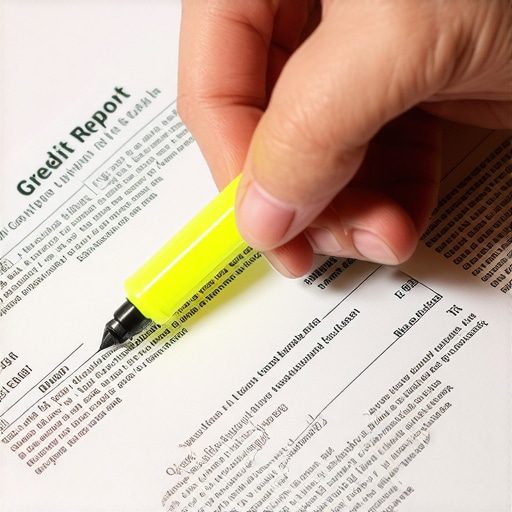
Force the Bureaus to Correct the Record
I remember sitting at my kitchen table with a yellow highlighter, discovering that my lender had reported my foreclosure under two different account numbers. It looked like I had lost two houses instead of one. I felt like I was shouting into a void, but I learned that you can how to fix a double reported debt on your credit history by providing the exact dates and account details to the bureaus. This isn’t just about the big stuff either; even the tiny errors on your report that cost thousands, like a wrong address or an incorrect name spelling, can cause your file to lag. You have to dispute errors like a pro by being relentless and organized with your paperwork.
Build a New Foundation Without Digging a Deeper Hole
Once you have started clearing the debris, you need to plant something new. The paradox is that you need credit to build credit, but after a foreclosure, nobody wants to give you a loan. This is where you have to be tactical. I started with a secured credit card—a small $200 deposit that acted as my training wheels. The goal isn’t to spend; the goal is to show a consistent pattern of ‘paid as agreed.’ You should learn how to build credit without going into massive debt by using these cards only for small, recurring expenses like a Netflix subscription, then paying it off instantly.
Stay Wary of Quick Fixes That Backfire
In my desperation, I almost fell for several ‘credit hacks’ that would have made things worse. For example, some people suggest becoming an authorized user on a friend’s card, but why your authorized user status might be hurting you is a real concern if that friend has high utilization or late payments. You also need to realize that the tactic to improve your score in under thirty days usually involves lowering your credit utilization ratio, not just opening new accounts.
Make Your Monthly Rent Payments Work for You
One of the most frustrating parts of post-foreclosure life is paying thousands in rent that never shows up on your credit report. It feels like you are shouting your financial responsibility into a black hole. However, why your rent history could be the key to your first home is becoming more relevant as new reporting services allow landlords to report your on-time payments to the bureaus. I signed up for a rent-reporting service about a year after my foreclosure, and it added a significant ‘positive trade line’ to my report that helped offset the weight of the foreclosure. It is a simple, effective way to prove that you are a reliable borrower, even if the bank that took your house thinks otherwise.
Stop Clicking the “Dispute” Button on Bureau Websites
Everyone tells you that the fastest way to fix your credit after a disaster is to hop onto the bureau’s website and start clicking buttons. In my experience, that is exactly what they want you to do because it limits your legal rights. When you use those convenient online tools, you often unwittingly agree to terms that waive your right to re-dispute or even sue under the Fair Credit Reporting Act (FCRA). It feels like progress, but it’s a shortcut that leads to a dead end. To truly see results, you need to understand the science of credit repair, which involves physical paper trails and certified mail. I’ve learned that why online dispute portals are a trap for consumers is one of the most guarded secrets in the industry. If you want to protect your ability to escalate a fight, keep your disputes off the internet and on a printer.
The “Paid-in-Full” Trap That Keeps Your Score Low
Here is a contrarian truth: paying off an old collection might actually hurt your score in the short term. Most people assume that bringing a balance to zero is an automatic win. However, if that collection was five years old and you pay it off today, you might “reset” the date of last activity, making a stale mistake look like a brand-new failure to some scoring models. Instead of blindly sending a check, you must learn how to negotiate a pay-for-delete without admitting the debt. This ensures the entire negative item is removed from your record rather than just being updated to “paid collection,” which still looks terrible to lenders. A study by the Federal Trade Commission (FTC) revealed that 5% of consumers have errors so significant they pay more for loans; don’t let a “paid” status be the reason you are part of that statistic.
How Do You Handle a Bureau That Claims Every Error Is Valid?
When the bureaus push back—and they will—you have to pivot your strategy. You shouldn’t just repeat the same claim; you need to demand proof of their investigation. This is where you why you should ask for a method of verification every time. By law, they must provide the names and addresses of whoever they contacted to “verify” the debt. Often, they can’t or won’t, and that’s your opening. If they continue to stonewall you, it’s time to learn how to handle a credit bureau that ignores your evidence.  Combining these aggressive tactics with the desire to master credit counseling allows you to build a wall of protection around your future finances. Have you ever fallen into this trap? Let me know in the comments.
Turn Your Credit File Into a Fortified Stronghold
After you’ve done the heavy lifting of clearing out the foreclosure wreckage, you enter the maintenance phase. This is where most people get lazy and let the weeds grow back. I keep a dedicated “Credit Bible”—a simple encrypted spreadsheet where I log every single interaction with lenders. It sounds obsessive, but when a bureau “accidentally” reapplies a deleted error, that paper trail is your only weapon. You need to how to stop credit bureau errors before they happen by setting up alerts that trigger the moment a new inquiry or account change occurs. I don’t rely on the basic apps; I want the raw data from my logs to match the reports exactly.
I personally use a three-tier tracking system. First, I monitor the “Vantage” scores for free via secondary apps, but I ignore the number and only look at the report changes. Second, I check my FICO scores quarterly because that’s what my auto lender or mortgage broker actually sees. Remember, why checking your own score never lowers the number is a fundamental truth that allows you to be as aggressive as you want with your monitoring. Finally, I use a “Safety Buffer” technique where I keep my utilization under 5% at all times, even if my limit is high. This ensures that key credit score factors every borrower must know are always working in my favor, not against me.
How do I maintain a pristine score for the long haul?
The secret isn’t just paying on time; it’s managing the “noise” in your report. I learned that why automatic payments aren’t saving your credit history is often because the reporting date and the payment date don’t align, leading to a high balance being reported even if you pay it off every month. To scale your score into the high 700s, you need to “time” your payments to occur three days before the statement closing date. This forces the bank to report a $0 balance to the bureaus. It’s a small tweak that can swing a score by thirty points in a single cycle. 
Stop Guessing and Start Tracking With Real Precision
Looking ahead, we are moving toward “Trended Data” models like FICO 10T. According to technical documentation from the Consumer Data Industry Association (CDIA), lenders are increasingly looking at your financial trajectory over the last 24 months, not just a snapshot of today. This means consistency is becoming more valuable than a one-time “quick fix.” You can’t just dispute errors like a pro and hope for the best; you have to prove you can handle credit responsibly month after month without erratic balance spikes.
If you want to stay ahead, stop closing your accounts out of frustration. Even if you hate the bank that gave you that first post-foreclosure card, why you should never close your oldest credit card is simple: it anchors your credit age and provides a historical buffer. I want you to try this right now: call your current card issuer and ask for a credit limit increase, but specify you want it done without a hard inquiry. This is how to ensure your credit limit increase is reported fast and helps your utilization ratio overnight. Grab your phone and make that call—it takes five minutes and costs nothing but a little courage.
The Harsh Realities I Faced While Scrubbing My Credit File
When I started this journey, I thought the foreclosure was a monolithic wall I couldn’t climb. I was wrong. The hardest lesson I learned was that the ’emotional delay’—the months I spent avoiding my mailbox—did more damage than the foreclosure itself. By the time I opened my reports, errors had baked in. Here are the lightbulb moments that changed everything for me:
- Bureaus are not the law: I used to treat credit bureaus like government agencies. They aren’t. They are private data brokers. Once I realized this, I stopped asking for permission to have a clean report and started demanding accuracy using the science of credit repair.
- The secondary errors are the real killers: While I focused on the big ‘Foreclosure’ stamp, the dozens of misreported late fees and wrong balances on old cards were actually pulling my score down faster.
- Paper is more powerful than pixels: Every time I used an online portal, I lost. The moment I switched to certified mail and physical paper trails, the bureaus started taking me seriously.
Tools That Actually Moved the Needle for Me
You don’t need a thousand-dollar software suite to fix your life, but you do need a specific toolkit to dispute errors like a pro and stay organized. These are the three resources I personally swear by:
- The CFPB Complaint Portal: When a lender or bureau stonewalled me, this was my ‘nuclear option.’ It forces a high-level review that standard dispute letters often can’t reach.
- Raw Data Reports: I stopped looking at the colorful charts on free apps and started pulling my raw data from AnnualCreditReport.com. It’s ugly, but it’s the only way to see the tiny coding errors that hide in plain sight.
- A Physical Dispute Log: I kept a binder with every receipt and letter. When I had to learn how to handle a credit bureau that ignores your evidence, that binder was the only reason I won my case.
Your Financial Rebirth Starts With the Next Envelope
Foreclosure feels like an ending, but in the world of lending, it is just a data point that loses its sting a little more every single day. My recovery didn’t happen because of a miracle; it happened because I decided that my past wouldn’t dictate my kids’ future. You have the tools, the rules are on your side, and you now have the strategy to boost your credit score in 2025 far beyond what you thought possible. It is time to stop hiding and start rebuilding your credit score with the confidence of someone who knows the system. Have you ever felt like a credit bureau was intentionally ignoring your proof? Let me know your experience in the comments below.