

I remember sitting at my cluttered kitchen table, staring at a ‘Final Notice’ for a debt I had clearly disputed three weeks earlier. I had the receipt for the stamp. I knew I had walked that envelope to the post office myself. But when I finally got a human on the phone? ‘We have no record of that correspondence, sir.’ My stomach dropped. It felt like I was yelling into a black hole while my credit score took another hit. That was the moment I realized that playing nice and following ‘common sense’ wasn’t enough when dealing with billion-dollar companies. If you’ve ever felt that hot flash of anger when a bank denies seeing your proof, you aren’t alone. Today, I’m going to share the exact blueprint I use to ensure every letter is accounted for and every dispute is taken seriously. We are going to stop the ghosting once and for all.
They’re Often Lying to You—Here is How to Prove It
In my early days of trying to fix my finances, I made the classic rookie mistake: I trusted the system. I thought that if I sent a polite letter, someone on the other end would read it and do their job. I didn’t realize that to dispute errors effectively requires more than just good intentions. It requires a forensic-level paper trail. When a creditor claims they never received your mail, they are often using a ‘stall tactic’ designed to make you give up or miss legal deadlines. According to the Consumer Financial Protection Bureau, credit reporting issues are the most common complaint among Americans, often involving a lack of response or inadequate investigation. If you’ve been mastering credit disputes on your own, you need to treat your mailbox like a courtroom.
Is Certified Mail Really Worth the Extra Five Bucks?
You might be thinking this sounds like a lot of extra work and a few extra dollars every time you head to the Post Office. Is it really necessary? Absolutely. Early on, I tried to save money by using regular first-class stamps. I lost months of progress because I couldn’t prove a single thing I sent. That small investment is the difference between being ignored and having the legal leverage to ask for a method of verification that actually sticks. Have you ever had a creditor claim they ‘lost’ your paperwork after you sent it? Tell me about that headache in the comments—I’d love to hear how you handled it. We need to move past just ‘sending mail’ and start ‘serving notice’ to these companies so they know we aren’t playing around.
Don’t Fall for the Online Dispute Trap
Your first instinct is probably to log into the bureau’s website, click a few checkboxes, and hit submit. It feels fast, it feels modern, and it is exactly what the bureaus want you to do. When you use those sleek interfaces, you are often waiving your right to re-dispute or even sue if they fail to investigate properly. It’s like signing a waiver at a skydiving school—you’re basically saying, ‘If something goes wrong, I won’t hold you responsible.’ I learned this the hard way with a $400 medical bill that wasn’t mine. I clicked ‘not mine’ on the portal, and they ‘verified’ it in 48 hours. No explanation, no recourse. It stayed on my report for another two years because I had effectively locked myself out of a manual review. If you want results, you have to understand why online dispute portals are a trap for consumers and stick to the physical mail.
Draft a Letter That Actually Gets Read
Most people think they need to sound like a lawyer, but the opposite is true. If your letter looks too ‘professional’ or uses too much legalese, the credit bureau’s automated systems might flag it as being sent by a third-party repair company, which gives them an excuse to ignore it. I once spent three hours drafting a letter filled with ‘whereas’ and ‘henceforth,’ only to get a form letter back saying they couldn’t verify my identity. It was a mess. Now, I write my letters by hand or use a simple font like Comic Sans or a handwriting-style script. This is the method for beating automated dispute scanners at the bureau. You want a real person to look at your envelope and your letter, not a machine. 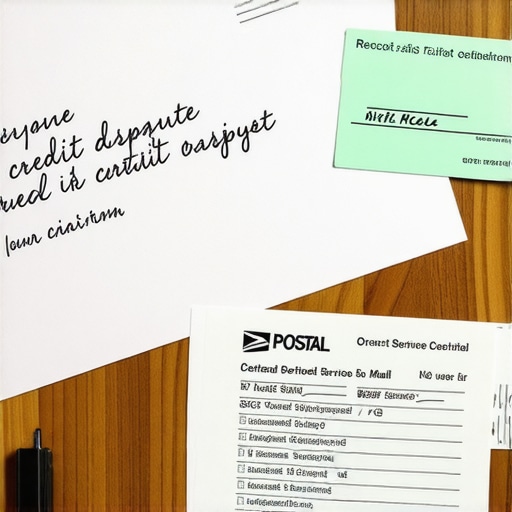
Your Smoking Gun Document List
Think of your dispute as a court case where you are the prosecutor. You cannot just claim something is wrong; you must prove it. If you are dealing with health-related charges, you need to know the proof you need to delete a medical debt from your report, such as insurance EOBs or payment receipts that show a zero balance. Every dispute should include:
- A copy of your government-issued ID and a utility bill (to prove who you are).
- The specific account number and the exact error (wrong balance, wrong date, etc.).
- Physical evidence like a canceled check or a letter from the original creditor.
Make Your Mail Impossible to Ignore
Once your letter is ready, do not just drop it in the blue box at the corner. Go inside the post office and request Certified Mail with a Return Receipt. This gives you a tracking number and a physical green card signed by the person who received it. This is your insurance policy. If they don’t respond within 30 days, that green card is the evidence you need to force their hand. If you’re looking for fast credit repair tips navigating dispute errors with confidence, remember that speed comes from accuracy, not from cutting corners. You are building a case for why they must legally remove the item. Use these how to dispute errors on your credit report and improve score techniques to ensure your voice is heard.But even with a perfect paper trail, I see people sabotage their progress by making one ‘noble’ mistake: they reach out to a credit counseling agency without knowing the strings attached. Most people assume that ‘non-profit’ means they are on your side. In reality, many of these organizations are funded by the banks themselves. When you enter a Debt Management Plan (DMP), the counselor might require you to close your accounts. This immediately slashes your available credit and spikes your utilization, leading to a score drop you weren’t expecting. Before you sign anything, you need to grasp the difference between non-profit and for-profit counseling so you don’t get blindsided.
Why did my score drop right after I settled a debt?
This is the ultimate ‘oops’ factor. I’ve seen clients pay off a five-year-old collection, thinking they were doing the right thing, only to watch their score tank by 40 points. Why? Because the moment you pay, the ‘Date of Last Activity’ updates. To the FICO algorithm, that old, dusty collection now looks like a brand-new negative event. This is why you should check out the risks of using a non-profit credit counseling agency and understand how they handle your reporting. According to a report by the National Consumer Law Center, many consumers are unaware that debt settlement can sometimes do more damage to a credit profile than leaving the debt alone, especially if the timing is wrong.  The nuance here is that ‘paid’ is not the same as ‘deleted.’ A paid collection is still a collection. If you want that black mark gone, you have to master the secret to negotiating a pay-for-delete agreement that sticks. Without that written agreement, you’re just giving a debt buyer free money while keeping the scar on your report.
Stop Paying Debt Buyers Without a Strategy
The biggest myth in this industry is that you have a moral obligation to pay a ‘junk’ debt buyer—someone who bought your $500 phone bill for five dollars. I’m here to tell you: do not give them a dime until they prove they have the legal right to collect. In many cases, they don’t even have the original contract. This is why you should never pay a debt buyer without verification. If you rush to pay, you lose all your leverage to dispute errors later. If you’ve already paid and wondered the reason your score did not jump after paying off your cards, it’s likely because the underlying negative history is still there, weighing you down like an anchor. Have you ever fallen into this trap of paying an old debt only to see your score stay the same—or worse, go down? Let me know in the comments. I want to hear the specifics so we can figure out the next move together. For those really ready to take control, reading an ultimate guide to credit counseling take control of your financial future is the best way to separate the myths from the facts.Once you have successfully navigated the trenches of fighting junk debt buyers, the real challenge begins: staying on top. I learned the hard way that a high credit score is a moving target, not a destination. To keep my files clean, I developed what I call the ‘Credit Bible.’ This is a dedicated, physical binder coupled with a redundant, encrypted spreadsheet. While I use digital apps for quick checks, I never rely on them for record-keeping. These apps often simplify the data, and when you are trying to dispute errors like a pro, you need the raw, unedited reports. In my spreadsheet, I log the exact date every inquiry is made and the precise moment a balance is reported to ensure your credit limit increase is reported fast.
Turn Your Spreadsheet Into a Financial Shield
I personally track the ‘Statement Closing Date’ for every card I own. Most people confuse this with the ‘Due Date.’ If you spend money after the closing date, it doesn’t show up on your report until the next month. By paying my balances down to 1% just two days before the closing date, I have been able to manipulate my utilization for an instant boost. This is one of those credit score boosters that works like clockwork. According to the 2024 FICO Score 10 T guidelines, ‘trended data’—which looks at your payment history over the last 24 months—is becoming more influential. This means the bureaus are watching to see if you are actually paying off your balances or just revolving them. If you want to see improve your credit score with proven repair techniques in 2025, you must start thinking about the long-term trend of your debt, not just this month’s bill. 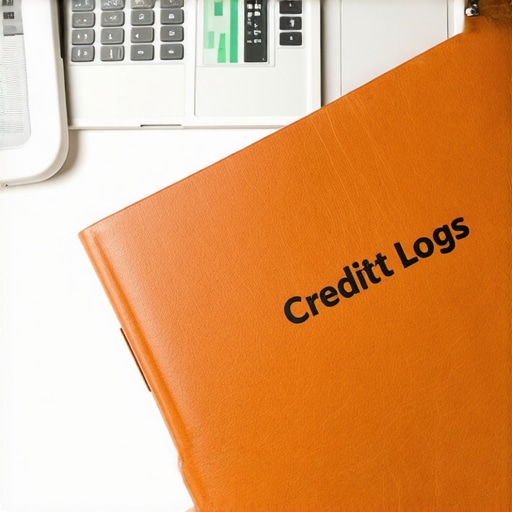
Prepare for the AI-Driven Credit Shift
The future of credit reporting is moving toward automation and machine learning. We are already seeing lenders use ‘alternative data’ like Netflix subscriptions and utility payments to judge creditworthiness. While this can help, it also creates new avenues for mistakes. I’ve started using a manual tracking system to how to stop credit bureau errors before they happen by auditing my own utility logs against my reports every six months. If you don’t stay ahead of these ‘automated’ changes, you might find your score dipping for reasons that didn’t even exist five years ago. This is why the science of credit repair is evolving from simple letter writing to comprehensive data management.
How do I maintain a pristine credit report for the long haul?
Maintenance is about vigilance. I set a recurring calendar alert for the first of every quarter to pull my reports from AnnualCreditReport.com. It’s free, and it’s the only way to get the full disclosure. I look for ‘zombie’ accounts—old debts that were deleted but somehow crawled back on through a different collection agency. If that happens, you need to know how to handle a collection agency that keeps selling your debt so you can shut them down before they tank your hard-earned progress. For those who want to scale their results, I recommend applying top credit repair strategies to boost your score faster by focusing on your ‘credit mix’—ensuring you have a healthy blend of revolving and installment loans. I challenge you to do this today: open your most recent credit report and find the ‘Statement Closing Date’ for your primary card. Set a reminder to pay that balance down to under 3% two days before that date. Watch what happens to your score in 30 days; it’s the easiest win you’ll ever get.
The Brutal Truths I Learned Fighting the Bureaus
In my years of correcting my own profile and helping others, I’ve realized that the credit bureaus aren’t your friends, but they aren’t invincible either. First, you have to understand that the system is designed for speed, not for your benefit. If you don’t dispute credit errors swiftly and securely in 2025, you are essentially letting a machine decide your financial fate. Second, persistence is your most valuable asset. The bureaus often bank on you giving up after the first automated rejection. I’ve seen that being consistently ‘annoying’—meaning sending follow-up letters the moment a deadline passes—is more effective than writing one perfect letter. Lastly, never forget that your credit score is a reflection of data, not your character. Once you stop taking the denials personally, you can start treating the process like the data-entry correction task it actually is.
My Personal Command Center for Credit Success
To keep my score in the elite range, I don’t just ‘hope’ things stay accurate; I manage them with specific tools. My go-to is the raw data from AnnualCreditReport.com because it lacks the ‘fluff’ and marketing of the major apps. I also recommend keeping a physical ‘Dispute Bible’—a simple three-ring binder where every green certified mail card is stapled to its corresponding letter. When you are trying to master credit counseling unlock your path to financial freedom, having this physical evidence makes you a formidable opponent for any creditor. I also suggest bookmarking the Fair Credit Reporting Act (FCRA) itself; knowing the specific sections that protect you is like having a shield in a digital sword fight. For those who need a comprehensive roadmap, I always point back to the ultimate blueprint for effective credit repair as the foundational document for any recovery journey.
Reclaim Your Financial Narrative Starting Today
Your credit score is not a permanent tattoo; it is a temporary snapshot that you have the authority to change. Whether you are recovering from a rough patch or just fine-tuning an already good profile, the steps remain the same: audit, dispute, and maintain. You now have the unlock your credit score potential expert tips for 2025 that most people will never take the time to learn. Don’t let the complexity of the system intimidate you into silence. Every small correction, every removed inquiry, and every lowered utilization point is a brick in the wall of your financial security. You have the tools, the strategy, and the right to a fair report. Now, it’s time to take that first step and show the bureaus that you are the one in charge of your future. Have you ever felt like a credit bureau was simply ignoring your physical evidence? Tell me about your experience in the comments below.