

I was staring at my monitor at two in the morning, nursing a cold cup of coffee, when I saw it. There, printed on my official credit file, was the exact same medical bill collection listed twice. Same original creditor. Same balance. Two different collection agency names, and two different file numbers. It felt like a sick joke. That single mistake was dragging my credit score down by fifty points, making me look like a serial debtor to anyone pulling my file. It was a massive wake-up call about how messy credit reporting really is. If you are struggling with a similar headache, you do not have to just sit there and take it.
The Double Whammy is Costing You Thousands
When a collection agency cannot collect on a debt, they often sell it to another agency. But instead of the old agency removing their entry, both accounts just sit there on your report like a pair of financial anchors. This is not just a minor clerical error; it is a direct assault on your borrowing power. Suddenly, you look twice as risky to lenders. I made the mistake early on of trying to call the bureaus to explain this over the phone, thinking a friendly human would see the obvious mistake and hit delete. Spoiler alert: they did not. They took a quick note, ran it through an automated system, and sent me a letter saying the information was “verified.” I had to learn the hard way how the system actually works.
Why Online Dispute Portals Are a Trap
Have you ever clicked that shiny, convenient “dispute” button on a credit bureau’s website, thinking you were saving time? It is incredibly tempting. But here is the catch: those portals force you to fit your complicated situation into a generic dropdown menu. When you submit through their portal, you often waive your right to sue under the Fair Credit Reporting Act (FCRA) if they mess up. More importantly, you cannot easily submit the mountain of paper evidence needed to show that these two entries are actually the exact same debt. According to consumer advocacy studies, automated credit dispute systems often reduce your detailed, emotional plea into a simple three-digit code, which is then sent to the collector for a quick “yes, this is ours” check. To win this fight, you need a physical paper trail.
How I Forced the Bureau to Clean Up Their Mess
To get real results, you have to bypass the automated systems entirely. When you prepare your challenge, you must write a physical letter and send it via certified mail. This forces a human being at the bureau to actually look at your document. You need to clearly point out the duplicate, providing the account numbers, the identical balances, and the original creditor names. If you want to dive deeper into how to protect your rights during this process, check out our guide on why online dispute portals are a trap for consumers to see how the system is rigged against quick digital clicks.
Have you opened your credit report recently only to find the exact same bill haunting you twice under different names? Leave a comment below and let me know—I want to hear your story and help you fight back.
When you are fighting to get inaccurate duplicates off your report, you have to treat the credit bureaus like a court of law. They do not move unless you present hard, undeniable evidence that leaves them absolutely zero room for interpretation. Think of your credit report as a public ledger; if there are two entries for the exact same debt, it is like being charged twice for the same crime. To clean this up and begin a successful journey toward credit repair, you must master the physical paper trail.
Gather Your Bulletproof Evidence Before You Write
I remember the first time I attempted to dispute a stubborn duplicate medical collection. I simply wrote a quick note saying, “These two accounts are the same. Please delete one.” Six weeks later, I got a canned response saying the information was verified. I was furious, but then I realized I had brought a butter knife to a gunfight. You cannot just make claims; you have to prove them. You need to pull your official credit reports and physically circle the duplicate entries. Highlight the original creditor, the matching account balances, and the dates.
Create an Undeniable Side-by-Side Comparison
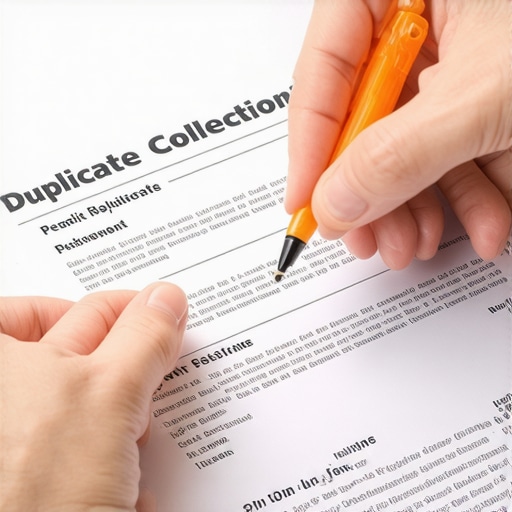
To force a clerk at the bureau to take action, print out your proof and make a simple table. On the left side, write down the details of Collection Agency A (name, account number, amount). On the right side, write down the details of Collection Agency B. Below this table, write one clear sentence: “These two items represent the identical original debt from the same creditor, which is a violation of accurate reporting standards.” By laying it out this way, you make it impossible for a human processor to ignore the mistake. When I finally sent my dispute package with this exact side-by-side breakdown, the duplicate was deleted in less than fourteen days, which instantly helped boost my credit score.
Draft a Physical Dispute Letter That Commands Action
Do not use those copy-and-paste templates you find all over the internet. The automated scanning machines at the credit bureaus are programmed to recognize those generic letters and flag them as “frivolous” spam from a credit repair mill. Instead, write your letter by hand or type it out in your own words. State clearly that you are disputing inaccurate information under the Fair Credit Reporting Act. To learn the exact phrasing and structures that work best, read our guide on how to dispute errors effectively to ensure your letter bypasses their automated filters.
Why Every Document Must Go Through Registered Mail
If you do not mail your dispute letter using certified mail with a return receipt requested, you are leaving your financial future to chance. When you have a tracking number, you have legal proof of exactly when the bureau received your dispute. By law, they have thirty days from the date of receipt to investigate and respond. If they fail to do so, they must delete the item. I once had a bureau claim they never received my letter, but because I had that green return receipt card signed by their mailroom, they were forced to delete a three-year-old collection immediately. Always make sure you understand why every credit dispute should be sent via registered mail before you drop your envelope in the mailbox.
The Secret of Following Up When They Stall
Sometimes the bureaus will send you a letter claiming they need more time or asking you to verify your identity all over again. This is often just a stall tactic to wear you down. Do not lose your momentum. If they ask for identity verification, send a copy of your utility bill and driver’s license immediately, but state clearly that their thirty-day clock is still ticking. If you feel overwhelmed by the process or need professional guidance to navigate these complex bureau responses, exploring understanding credit counseling can provide you with the structure and advocacy needed to break through the bureaucratic red tape.
Let’s dig deeper into how the credit bureaus actually handle your paperwork. Most of the standard advice you read online is hopelessly outdated, written by people who have never actually had to fight a bureaucratic system. Everyone says that as long as you write a physical letter, you are safe. In my experience, even the physical mail route has a hidden trap that most consumers completely miss. If you simply copy a template or list your dispute reasons incorrectly, you are setting yourself up for an immediate rejection.
The Re-Aging Trap They Do Not Want You to Know About
Here is a harsh truth: when you challenge an old collection, there is a very real risk that a poorly phrased letter can cause the collection agency to update the “last active” date on the account. In the industry, this is known as re-aging. While the Fair Credit Reporting Act strictly prohibits altering the original delinquency date, some predatory agencies will update their records to make an old debt look brand new to the scoring algorithms. Suddenly, a five-year-old collection that was barely hurting your score is treated like a fresh default, causing your score to plummet. You must understand exactly how to handle a debt collector who re-aged your old debt so you do not accidentally trigger this financial disaster yourself.
Why Does the Bureau Keep Verifying Obviously Duplicate Accounts?
It is the question that drives consumer advocates mad: how can a human processor look at two identical entries and declare them both “verified”? According to a landmark study by the Federal Trade Commission (FTC) on credit report accuracy, the system relies almost entirely on automated matching systems called e-OSCAR. When you send a dispute, the bureau worker often does not actually investigate. Instead, they translate your detailed complaint into a simplified numeric code and upload it to e-OSCAR. The collection agency’s computer automatically responds with a “yes, this matching data exists in our database,” and the dispute is closed as verified. This is why you must demand a manual verification of your records. If you are tired of getting automated rejections, you should learn why you should ask for a method of verification every time you communicate with the bureaus.
The Critical Mistake of Paying Off a Collection Too Early
Another massive myth in the credit repair space is that paying off a collection will instantly raise your score. It sounds logical, right? You paid what you owed, so your score should go up. Unfortunately, under older scoring models like FICO Score 8—which the vast majority of mortgage and auto lenders still use—a paid collection hurts your score just as much as an unpaid one. The algorithm only cares that a collection exists on your record. If you pay it without securing a written agreement to delete the entry entirely, you have essentially thrown away your leverage. Before you send a single dollar to a collector, you must learn why you should request a deletion instead of a settlement to ensure your payment actually benefits your profile.
Have you ever fallen into this trap or noticed your score drop after paying off an old bill? Let me know in the comments below—I want to hear about your experience and share how we can clean up your report the right way.
Once you understand the systemic flaws of automated systems, the next challenge is establishing a bulletproof routine to keep your credit file pristine over the long haul. Most people treat credit repair like a spring cleaning project—something they do once and then forget for a decade. But true financial stability requires an active defense posture. I personally check my specialized and standard reports every quarter using a strict, multi-point inspection. This prevents minor errors from ballooning into major score-dropping disasters before I ever apply for a loan.
How to Maintain a Clean Credit Profile Over Time
Maintaining an elite credit score requires systematic vigilance. I do not rely on passive, free apps that only show a watered-down VantageScore. Instead, I use a dedicated spreadsheet to log my active accounts, their statement closing dates, and my overall utilization ratios. If you want to keep your score in peak condition without paying for premium tracking services, you need to know how to monitor your credit for free without giving away data to third-party marketers.
As we move deeper into 2025, the credit reporting landscape is shifting rapidly. With the integration of advanced machine learning algorithms at major bureaus, we are going to see automated verification processes become even more stubborn. To fight back, consumers must adopt structured documentation methods. I highly recommend using a physical, dedicated binder to store every piece of certified mail correspondence, tracking slips, and response letters. Having a physical timeline of events is your absolute best leverage when filing complaints with federal regulators.
How do I maintain my credit profile over time?
The secret to long-term success is preventing mistakes before they happen. This means setting up real-time transaction alerts on all credit lines, opting out of pre-screened credit offers to prevent identity theft risks, and systematically checking for administrative errors. For instance, a simple typo in your home address or employer history can cause the bureaus to accidentally merge your file with a stranger’s negative history. If you notice these small discrepancies early on, you must act fast. You can learn the exact steps to protect your file in our guide on how to stop credit bureau errors before they happen to keep your record spotless.
The Advanced Strategy of Using Federal Portals to Break Bureau Stalls
When the credit bureaus ignore your physical letters or send back lazy verification templates, you have to escalate the battle. This is where federal intervention comes into play. According to the official consumer response logs published by the Consumer Financial Protection Bureau (CFPB), submitting a highly detailed complaint with your attached certified mail receipts is the single most effective way to force a manual investigation. I have personally used the federal portal to resolve two stalled disputes that the bureaus refused to fix for months. When you present your documented paper trail to a government regulator, the bureaus are legally required to provide a formal response within 15 days. If you find yourself hitting a brick wall with your disputes, you need to read our breakdown of how to use the CFPb portal to resolve stalled disputes immediately.
My challenge to you today is to stop waiting for the system to magically fix itself. Take thirty minutes this weekend to download your official reports, run a side-by-side comparison of any duplicate collections, and draft your first physical dispute letter using the exact evidence-based framework we discussed here.
I was staring at my monitor at two in the morning, nursing a cold cup of coffee, when I saw it. There, printed on my official credit file, was the exact same medical bill collection listed twice. Same original creditor. Same balance. Two different collection agency names, and two different file numbers. It felt like a sick joke. That single mistake was dragging my credit score down by fifty points, making me look like a serial debtor to anyone pulling my file. It was a massive wake-up call about how messy credit reporting really is. If you are struggling with a similar headache, you do not have to just sit there and take it.
The Double Whammy is Costing You Thousands
When a collection agency cannot collect on a debt, they often sell it to another agency. But instead of the old agency removing their entry, both accounts just sit there on your report like a pair of financial anchors. This is not just a minor clerical error; it is a direct assault on your borrowing power. Suddenly, you look twice as risky to lenders. I made the mistake early on of trying to call the bureaus to explain this over the phone, thinking a friendly human would see the obvious mistake and hit delete. Spoiler alert: they did not. They took a quick note, ran it through an automated system, and sent me a letter saying the information was “verified.” I had to learn the hard way how the system actually works.
Why Online Dispute Portals Are a Trap
Have you ever clicked that shiny, convenient “dispute” button on a credit bureau’s website, thinking you were saving time? It is incredibly tempting. But here is the catch: those portals force you to fit your complicated situation into a generic dropdown menu. When you submit through their portal, you often waive your right to sue under the Fair Credit Reporting Act (FCRA) if they mess up. More importantly, you cannot easily submit the mountain of paper evidence needed to show that these two entries are actually the exact same debt. According to consumer advocacy studies, automated credit dispute systems often reduce your detailed, emotional plea into a simple three-digit code, which is then sent to the collector for a quick “yes, this is ours” check. To win this fight, you need a physical paper trail.
How I Forced the Bureau to Clean Up Their Mess
To get real results, you have to bypass the automated systems entirely. When you prepare your challenge, you must write a physical letter and send it via certified mail. This forces a human being at the bureau to actually look at your document. You need to clearly point out the duplicate, providing the account numbers, the identical balances, and the original creditor names. If you want to dive deeper into how to protect your rights during this process, check out our guide on why online dispute portals are a trap for consumers to see how the system is rigged against quick digital clicks.
Have you opened your credit report recently only to find the exact same bill haunting you twice under different names? Leave a comment below and let me know—I want to hear your story and help you fight back.
When you are fighting to get inaccurate duplicates off your report, you have to treat the credit bureaus like a court of law. They do not move unless you present hard, undeniable evidence that leaves them absolutely zero room for interpretation. Think of your credit report as a public ledger; if there are two entries for the exact same debt, it is like being charged twice for the same crime. To clean this up and begin a successful journey toward credit repair, you must master the physical paper trail.
Gather Your Bulletproof Evidence Before You Write
I remember the first time I attempted to dispute a stubborn duplicate medical collection. I simply wrote a quick note saying, “These two accounts are the same. Please delete one.” Six weeks later, I got a canned response saying the information was verified. I was furious, but then I realized I had brought a butter knife to a gunfight. You cannot just make claims; you have to prove them. You need to pull your official credit reports and physically circle the duplicate entries. Highlight the original creditor, the matching account balances, and the dates.
Create an Undeniable Side-by-Side Comparison
To force a clerk at the bureau to take action, print out your proof and make a simple table. On the left side, write down the details of Collection Agency A (name, account number, amount). On the right side, write down the details of Collection Agency B. Below this table, write one clear sentence: “These two items represent the identical original debt from the same creditor, which is a violation of accurate reporting standards.” By laying it out this way, you make it impossible for a human processor to ignore the mistake. When I finally sent my dispute package with this exact side-by-side breakdown, the duplicate was deleted in less than fourteen days, which instantly helped boost my credit score.
Draft a Physical Dispute Letter That Commands Action
Do not use those copy-and-paste templates you find all over the internet. The automated scanning machines at the credit bureaus are programmed to recognize those generic letters and flag them as “frivolous” spam from a credit repair mill. Instead, write your letter by hand or type it out in your own words. State clearly that you are disputing inaccurate information under the Fair Credit Reporting Act. To learn the exact phrasing and structures that work best, read our guide on how to dispute errors effectively to ensure your letter bypasses their automated filters.
Why Every Document Must Go Through Registered Mail
If you do not mail your dispute letter using certified mail with a return receipt requested, you are leaving your financial future to chance. When you have a tracking number, you have legal proof of exactly when the bureau received your dispute. By law, they have thirty days from the date of receipt to investigate and respond. If they fail to do so, they must delete the item. I once had a bureau claim they never received my letter, but because I had that green return receipt card signed by their mailroom, they were forced to delete a three-year-old collection immediately. Always make sure you understand why every credit dispute should be sent via registered mail before you drop your envelope in the mailbox.
The Secret of Following Up When They Stall
Sometimes the bureaus will send you a letter claiming they need more time or asking you to verify your identity all over again. This is often just a stall tactic to wear you down. Do not lose your momentum. If they ask for identity verification, send a copy of your utility bill and driver’s license immediately, but state clearly that their thirty-day clock is still ticking. If you feel overwhelmed by the process or need professional guidance to navigate these complex bureau responses, exploring understanding credit counseling can provide you with the structure and advocacy needed to break through the bureaucratic red tape.
Let’s dig deeper into how the credit bureaus actually handle your paperwork. Most of the standard advice you read online is hopelessly outdated, written by people who have never actually had to fight a bureaucratic system. Everyone says that as long as you write a physical letter, you are safe. In my experience, even the physical mail route has a hidden trap that most consumers completely miss. If you simply copy a template or list your dispute reasons incorrectly, you are setting yourself up for an immediate rejection.
The Re-Aging Trap They Do Not Want You to Know About
Here is a harsh truth: when you challenge an old collection, there is a very real risk that a poorly phrased letter can cause the collection agency to update the “last active” date on the account. In the industry, this is known as re-aging. While the Fair Credit Reporting Act strictly prohibits altering the original delinquency date, some predatory agencies will update their records to make an old debt look brand new to the scoring algorithms. Suddenly, a five-year-old collection that was barely hurting your score is treated like a fresh default, causing your score to plummet. You must understand exactly how to handle a debt collector who re-aged your old debt so you do not accidentally trigger this financial disaster yourself.
Why Does the Bureau Keep Verifying Obviously Duplicate Accounts?
It is the question that drives consumer advocates mad: how can a human processor look at two identical entries and declare them both “verified”? According to a landmark study by the Federal Trade Commission (FTC) on credit report accuracy, the system relies almost entirely on automated matching systems called e-OSCAR. When you send a dispute, the bureau worker often does not actually investigate. Instead, they translate your detailed complaint into a simplified numeric code and upload it to e-OSCAR. The collection agency’s computer automatically responds with a “yes, this matching data exists in our database,” and the dispute is closed as verified. This is why you must demand a manual verification of your records. If you are tired of getting automated rejections, you should learn why you should ask for a method of verification every time you communicate with the bureaus.
The Critical Mistake of Paying Off a Collection Too Early
Another massive myth in the credit repair space is that paying off a collection will instantly raise your score. It sounds logical, right? You paid what you owed, so your score should go up. Unfortunately, under older scoring models like FICO Score 8—which the vast majority of mortgage and auto lenders still use—a paid collection hurts your score just as much as an unpaid one. The algorithm only cares that a collection exists on your record. If you pay it without securing a written agreement to delete the entry entirely, you have essentially thrown away your leverage. Before you send a single dollar to a collector, you must learn why you should request a deletion instead of a settlement to ensure your payment actually benefits your profile.
Have you ever fallen into this trap or noticed your score drop after paying off an old bill? Let me know in the comments below—I want to hear about your experience and share how we can clean up your report the right way.
Once you understand the systemic flaws of automated systems, the next challenge is establishing a bulletproof routine to keep your credit file pristine over the long haul. Most people treat credit repair like a spring cleaning project—something they do once and then forget for a decade. But true financial stability requires an active defense posture. I personally check my specialized and standard reports every quarter using a strict, multi-point inspection. This prevents minor errors from ballooning into major score-dropping disasters before I ever apply for a loan.
How to Maintain a Clean Credit Profile Over Time
Maintaining an elite credit score requires systematic vigilance. I do not rely on passive, free apps that only show a watered-down VantageScore. Instead, I use a dedicated spreadsheet to log my active accounts, their statement closing dates, and my overall utilization ratios. If you want to keep your score in peak condition without paying for premium tracking services, you need to know how to monitor your credit for free without giving away data to third-party marketers.
As we move deeper into 2025, the credit reporting landscape is shifting rapidly. With the integration of advanced machine learning algorithms at major bureaus, we are going to see automated verification processes become even more stubborn. To fight back, consumers must adopt structured documentation methods. I highly recommend using a physical, dedicated binder to store every piece of certified mail correspondence, tracking slips, and response letters. Having a physical timeline of events is your absolute best leverage when filing complaints with federal regulators.
How do I maintain my credit profile over time?
The secret to long-term success is preventing mistakes before they happen. This means setting up real-time transaction alerts on all credit lines, opting out of pre-screened credit offers to prevent identity theft risks, and systematically checking for administrative errors. For instance, a simple typo in your home address or employer history can cause the bureaus to accidentally merge your file with a stranger’s negative history. If you notice these small discrepancies early on, you must act fast. You can learn the exact steps to protect your file in our guide on how to stop credit bureau errors before they happen to keep your record spotless.
The Advanced Strategy of Using Federal Portals to Break Bureau Stalls
When the credit bureaus ignore your physical letters or send back lazy verification templates, you have to escalate the battle. This is where federal intervention comes into play. According to the official consumer response logs published by the Consumer Financial Protection Bureau (CFPB), submitting a highly detailed complaint with your attached certified mail receipts is the single most effective way to force a manual investigation. I have personally used the federal portal to resolve two stalled disputes that the bureaus refused to fix for months. When you present your documented paper trail to a government regulator, the bureaus are legally required to provide a formal response within 15 days. If you find yourself hitting a brick wall with your disputes, you need to read our breakdown of how to use the CFPb portal to resolve stalled disputes immediately.
My challenge to you today is to stop waiting for the system to magically fix itself. Take thirty minutes this weekend to download your official reports, run a side-by-side comparison of any duplicate collections, and draft your first physical dispute letter using the exact evidence-based framework we discussed here.
The Hardest Lessons I Learned About Navigating False Bureau Entries
When I first faced double reporting, I fell into the trap of believing the system wanted to work for me. Here are the realities I discovered through weeks of trial and error:
- The bureaus are not public service agencies: They are private, for-profit corporations that sell your consumer data to lenders. Their primary incentive is data volume, not absolute accuracy, which is why disputing requires persistent pressure.
- Automated systems work against you: Every time you make a phone call or use an online system, you allow an algorithm to interpret your case. Only physical, hand-written or self-typed certified letters bypass this code translation and force real manual oversight.
- Timing is everything: Do not rush to dispute multiple major credit errors simultaneously. Bundling too many complaints into one letter often causes the bureau’s system to flag your request as frivolous, stalling your progress before it even begins.
My Essential Toolkit for Fighting Corrupt Credit Files
To consistently defend your profile from duplicate errors, you do not need expensive software. Instead, you need these practical tools and resources:
- The Official CFPB Complaint Portal: When a credit bureau flat out ignores your second certified letter, this federal watchdog is your primary weapon. Using it legally forces the bureau’s executive compliance team to evaluate your case manually. Check out our breakdown on how to dispute errors like a pro using regulatory leverage.
- A Certified Mail Log Spreadsheet: Create a basic document where you log the date sent, the USPS tracking number, and the official delivery date of every dispute letter. Having this timeline organized prevents the bureaus from dodging the thirty-day response deadline.
- Specialized Bureau Disclosures: Do not just look at your standard FICO reports. Pull your specialized consumer files periodically to ensure junk debt collectors are not buying stale accounts. To explore professional guidance on how to manage these files, review master credit counseling alternatives to map your recovery plan.
Take Command of Your Financial Legacy Today
At the end of the day, your credit score is the gatekeeper to your major life goals—whether that means buying your first home, launching a business, or securing an auto loan without predatory interest rates. Letting duplicate errors run rampant on your report is like letting someone steal your hard-earned money. You have the tools, the legal rights under the Fair Credit Reporting Act, and a clear physical strategy to force the credit bureaus to correct their records. Your journey toward successful credit repair starts the moment you stop accepting their automated excuses and start demanding the accuracy you deserve. Go ahead, gather your evidence, print your side-by-side proof, and take back control of your financial reputation.
Have you ever noticed the exact same medical bill or utility debt listed twice on your credit report under different collection agency names? Let me know in the comments below—I would love to hear how you handled it or answer any questions you have about writing your physical dispute letter!