

I remember sitting at my kitchen table three years ago, staring at a laptop screen like it was a ticking time bomb. I needed to know where I stood before applying for a car loan, but I was paralyzed. I’d heard through the grapevine—probably from a well-meaning but misinformed friend—that every time you look at your credit score, it drops. I went six months without checking, flying blind while trying to boost your credit score in 2025, all because I was afraid of a penalty that doesn’t actually exist. It was a massive mistake that kept me from catching a simple billing error early on. Today, I’m going to show you why that fear is holding you back and how knowing your number is actually your biggest advantage.
Checking Your Score is the Ultimate Power Move
Let’s get one thing straight: checking your own credit score is considered a soft inquiry. Unlike when a lender pulls your report for a mortgage or a credit card, a soft pull has zero impact on your points. None. Zip. I wasted so much time being afraid when I should have been reading my credit report like a professional auditor. When you look at your own data, you’re essentially just looking in a mirror. The mirror doesn’t change your face; it just shows you where you need to wash up. In fact, the Consumer Financial Protection Bureau explicitly states that checking your own report does not hurt your score. If you’ve been avoiding your dashboard, you’re likely missing out on key credit score factors every borrower must know to actually move the needle. [image_placeholder]
Will my bank secretly penalize me for being nosy?
It’s a fair question. We’ve been conditioned to think that banks want to catch us slipping. But the reality is that regular monitoring is the first step toward mastering credit disputes. I used to worry that if I checked too often, I’d look desperate to lenders. That’s just not how the algorithms work. Whether you check once a year or twice a day, your score remains untouched by your curiosity. Have you ever avoided checking your score because you were afraid of what you’d see? I’ve been there, and I can tell you that the anxiety of not knowing is always worse than the reality of the number. Once you realize you have total freedom to look, you can start focusing on the actual credit score boosters that matter. We’re going to dive into how you can use this unlimited access to spot errors before they ruin a loan application.Now that you are no longer paralyzed by the fear of a score drop, you need a specific plan for what to do once you’re inside your report. Think of your credit report as a house inspection. You aren’t just looking at the fresh coat of paint; you’re checking the foundation for cracks that could sink the whole structure. First, you must obtain a full report from all three bureaus. You cannot rely on the simplified summary your banking app gives you. You need to read your credit report like a professional auditor to catch the small print that lenders actually see.
Digging Through the Digital Paperwork Like a Private Investigator
The first time I truly audited my own file, I found a glaring mistake: a credit card balance from a store I hadn’t visited in years was listed twice under two different debt collection names. I was being penalized twice for the exact same ghost debt. Learning how to fix a double-reported debt on your credit history was the turning point for me. It wasn’t just about the points; it was about the principle of accuracy. You need to verify every single line item against your own records. If you see a balance that looks even slightly off, do not assume the bank is right. Start by documenting the how to dispute errors on your credit report and improve score process immediately so you have a paper trail that protects your rights. [image_placeholder]
Spot the Inaccuracies That Are Tanking Your Points
Look specifically for ‘late’ marks that should not be there. I once dealt with a 30-day late notice from a student loan provider that occurred right in the middle of a messy bank merger. It was a technical glitch, not a financial failure, but the algorithm doesn’t know the difference. You have to be proactive and dispute errors effectively by providing the exact dates of payments and bank statements. Be aware that many bureaus use automated systems to process your mail, so you should learn the method for beating automated dispute scanners at the bureau to ensure a real human being actually reviews your evidence instead of a bot.
Audit Your Inquiries for Unexpected Guests
Finally, scroll all the way to the bottom of the report where the inquiries live. Hard inquiries from lenders you never spoke to are a massive red flag for identity theft or simple clerical errors. You should use the method to remove incorrect inquiries from your credit profile immediately if you see names you don’t recognize. Think of these inquiries like uninvited guests at a party—they are eating your points and they need to be escorted out. By cleaning up these small ‘soft’ and ‘hard’ discrepancies, you are effectively performing a tune-up on your financial reputation.
Stop Clicking the Dispute Button on Your Mobile App
Most people think clicking a simple dispute button on a banking app is the fastest way to fix their history. In reality, it is often the fastest way to waive your legal leverage. When you use those convenient online portals, you frequently agree to terms and conditions that limit your right to a full re-investigation or prevent you from submitting certain types of evidence. I have learned the hard way that you must avoid online portals to dispute errors if you want to maintain your full rights under the Fair Credit Reporting Act. Instead, you should always rely on certified mail. This creates a physical paper trail that the bureaus cannot ignore. Have you ever fallen into this trap? Let me know in the comments.
The Hidden Trap of Paying Debt Buyers Without a Plan
There is a massive misconception that simply paying off a collection account will instantly skyrocket your score. It usually doesn’t. In fact, if the debt is several years old, paying it can sometimes cause a temporary dip because it updates the ‘last active’ date on a negative account. This is why you should never pay a debt buyer without verification. You need to ensure they actually have the legal right to collect before you send a dime. If you want the account gone, you need to negotiate a ‘pay for delete’ agreement in writing. Without that, the late payment markers stay on your record for seven years, even if the balance is zero. This is a core part of the science of credit repair that many beginners overlook.
Why does my score stay flat after I settle a debt?
It is incredibly frustrating to pay off a significant balance only to see your points remain stagnant. Often, this happens because your overall credit utilization is still high, or because the negative history is still outweighing the positive action. According to a landmark study by the Federal Trade Commission (FTC), five percent of consumers have errors so significant they are being overcharged for insurance and loans. If your score is stuck, there is likely a deeper issue, and you must ask for a method of verification every time you communicate with a bureau. Don’t take their word for it that an account is ‘verified.’ Demand to see the original documents. Furthermore, be cautious of who you trust for advice. I’ve seen people get burned by not realizing the risks of using a non-profit credit counseling agency, as some are actually funded by the very creditors you are trying to manage. Real progress comes from mastering credit disputes yourself and understanding that the system is built on data, not logic.Maintaining a high score is not a ‘set it and forget it’ project; it is a lifestyle. I personally use a dedicated digital filing system—specifically a Fujitsu ScanSnap paired with a secure cloud folder—to keep every single dispute letter and certified mail receipt organized by date. If you aren’t tracking your paper trail with this level of granularity, you are leaving your financial future to chance. When a bureau claims they never received your evidence, having a scanned copy of that stamped USPS receipt is your only shield. This level of organization is essential for the ultimate blueprint for effective credit repair. I also suggest setting up ‘balance alerts’ on every card you own. I have mine set to ping my phone the second any card exceeds 10% utilization. This allows me to pay it down before the statement closes, ensuring my report always looks pristine. If you find your limits fluctuating unexpectedly, you must investigate the reason your credit limit was lowered without notice to prevent a sudden spike in your debt ratio.
How do I keep my credit healthy for the long haul?
The answer lies in proactive protection rather than reactive repair. I am a firm believer in the ‘Credit Freeze’ strategy. By freezing your files at Equifax, Experian, and TransUnion, you effectively lock the door to your credit profile, making it nearly impossible for identity thieves to open new accounts in your name. You can still use your cards normally, but no one can pull a hard inquiry without your explicit permission. You should understand the impact of a credit freeze on your existing accounts to realize it is the ultimate security move with zero downside to your score. 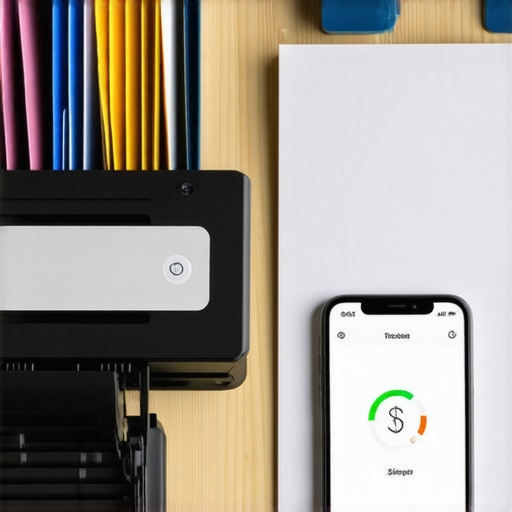 Looking ahead, the industry is shifting toward ‘trended data’ with models like FICO 10T. According to technical documentation from FICO, these new models look at your payment behavior over a 24-month rolling window rather than just a snapshot of today. This means if you typically carry a balance but pay it off occasionally, the new algorithms will catch on. To stay ahead of this trend, you need to be unlocking your credit score potential by consistently paying more than the minimum every single month. This long-term consistency is what separates the ‘good’ scores from the ‘elite’ 800+ club. If you want to scale your results, start treating your credit report like a high-stakes business ledger. Use top credit repair strategies to boost your score faster and never settle for ‘close enough’ when it comes to accuracy. My advanced tip for you today: log into each bureau’s site and opt out of ‘prescreened’ credit offers. This prevents the bureaus from selling your data to lenders and stops those annoying ‘pre-approved’ letters from hitting your mailbox, which are a primary target for mail theft. Do this tonight and take one more piece of control back from the system.
Everything I Wish I Knew Before Facing the Credit Bureaus
Looking back at my own journey, the biggest obstacle wasn’t the banks—it was my own hesitation. I spent years thinking my paycheck determined my financial worth, but learning why your income has no effect on your fico score was a total game-changer. It shifted my focus from simply earning more to managing my data better. I also realized that the science of credit repair is built on persistence rather than secret tricks. If a bureau rejects your first dispute, it isn’t a defeat; it is often just the first round of a match. Finally, I learned that keeping a meticulous paper trail is the only way to win when automated systems fail to recognize your evidence.
The Toolkit That Keeps My Record Pristine
You don’t need expensive software to maintain a perfect file, but you do need a disciplined system. I rely on a few specific resources to stay ahead: a high-quality physical document scanner for receipts, a dedicated folder for all certified mail logs, and the strategic steps found in the ultimate blueprint for effective credit repair. If you are feeling overwhelmed by the sheer volume of debt, I recommend mastering credit counseling to find a structured path forward without the risks of predatory settlement companies. These tools take the guesswork out of the equation and put the power back in your hands.
Your Future is More Than Just a Number
You have the knowledge now to stop being a spectator in your financial life. The fear of looking at your dashboard is gone, replaced by a clear strategy to fix what is broken and protect what you have built. Improving your credit score is the single most effective way to lower your cost of living and open doors that were previously slammed shut. It is time to start unlocking your credit score potential with total confidence. Have you ever discovered a glaring mistake on your report that you managed to fix yourself? Share your win in the comments below!