

I still remember the pit in my stomach when a loan officer looked me in the eye and said my ‘thin file’ was the reason I couldn’t buy a house, despite the fact that I’d spent seventy-two months never missing a single rent payment. It felt like a slap in the face. I was doing everything ‘right’ by paying my biggest bill first, yet my credit score potential remained locked away because the bureaus didn’t even know I existed. This is the big lie of the credit world: that your rent doesn’t count. Today, we’re changing that. I am going to show you how to leverage that massive monthly expense to finally boost your score without opening a single new credit card or taking on more debt. Have you ever felt like your on-time payments were disappearing into a black hole? Let me know in the comments because I have been exactly where you are.
Your Rent Check is a Sleeping Giant for Your FICO Score
When I first started trying to elevate my score, I made the classic mistake of thinking my landlord was automatically reporting my history. I just assumed that because I signed a legal contract, the credit bureaus were kept in the loop. I was wrong. Most landlords don’t bother. In fact, according to a study by TransUnion, about 7 in 10 renters actually see their scores jump when rent is reported, yet only a tiny fraction of rent payments ever make it onto a report. You have to be the one to bridge that gap. You need to know how to fix your credit file before you go looking for your next place, and getting that history logged is the easiest way to do it. If you’ve ever wondered why your rent payments might be the key to that first mortgage, the answer is simpler than you think: it’s all about proving you’re a reliable human being.
Will Reporting My Rent Actually Make a Difference or Is It Just Hype?
Skepticism is healthy here. I used to think this was some ‘hack’ that wouldn’t hold up when a real lender looked at my file. But the truth is, rent reporting services are becoming the standard for people who want to improve their credit quickly. It’s not a gimmick; it’s simply ensuring that the data already exists is actually visible to the people who make the decisions. We are going to walk through the exact steps to get this done, including the mistakes to avoid so you don’t get stuck with a service that doesn’t actually help your specific FICO version.
How to Force Your Rent Payments into Your Credit Report
To get started, you have to realize that you can’t just mail your lease to Equifax and hope for the best. The bureaus are like exclusive clubs; they only talk to specific, vetted members. Think of a rent reporting service as your ‘translator’ who takes your payment data and speaks the language of FICO. I learned this the hard way back in 2019. I signed up for a service that I thought was one of those effective credit score boosters, only to find out it only reported to TransUnion. My lender pulled Experian, and my score looked exactly the same. I felt like I’d wasted fifty bucks and three months of waiting.
Find the Service That Actually Talks to the Big Three
When you’re picking a service—whether it’s RentTrack, LevelCredit, or Rock the Score—you need to verify which bureaus they report to. If they don’t hit all three (Experian, Equifax, and TransUnion), you’re leaving money on the table. Some services are free if your landlord already uses their software, while others charge a monthly fee. If you’re currently dealing with a thin file, paying twenty bucks a month is a small price for the science of credit repair to work in your favor. 
Reach Back and Claim Your History
This is where the real magic happens. Most people don’t know you can often report up to 24 months of past rent payments. When I finally got my ‘look-back’ reporting set up, my score jumped forty points in a single update. It was like a time machine for my finances. However, you need to have a clear paper trail. If you’ve been paying your landlord in cash under the table, this won’t work. You need digital records, checks, or a formal portal history to prove those payments happened on time.
Keep an Eye Out for Reporting Glitches
Just because you’re paying doesn’t mean the machine is perfect. Sometimes the service misses a month or reports the wrong amount. You have to treat your credit report like a hawk. If you see a missed month that you know you paid, you need to know how to dispute errors effectively. A single ‘late’ rent payment accidentally reported can do more damage than not reporting at all. It’s like trying to fix a leaky faucet; if you don’t tighten the right bolt, you’ll just end up with a bigger mess. Always verify that your data is flowing correctly every thirty days.While rent reporting is a powerful lever to pull, it is just one piece of a much larger, more complex puzzle. Most people dive into the world of credit with the mindset that it is a simple game of deleting anything that looks negative. But there is a level of nuance that most ‘credit gurus’ won’t tell you because it doesn’t fit on a flashy Instagram slide. You have to realize that the credit bureaus are not your friends; they are data aggregators that profit from your information. When you start trying to elevate your score, you are fighting against a highly automated system designed to keep things exactly as they are.
Why did the bureau reject your dispute in less than a minute?
The most common mistake I see is people using the easy ‘dispute’ button on the credit bureau’s own website. It’s a trap. When you use their portal, you often waive your right to a full investigation under the Fair Credit Reporting Act. This is why your online dispute was rejected in seconds—the system simply scanned for a reason code and moved on. To get real results, you have to move away from the screen and back to the mailbox. I always tell my clients that why your dispute letter needs a real signature and a physical stamp is because it forces a human being (or at least a more sophisticated manual process) to look at your file. According to a report by the Consumer Financial Protection Bureau (CFPB), the heavy reliance on the automated e-OSCAR system means that nuanced disputes often get boiled down to a simple two-digit code, losing all your context in the process. 
Stop settling for ‘verified’ and demand real proof
Everyone says that once a debt is ‘verified,’ the case is closed. In my experience, that is where the real work begins. ‘Verified’ usually just means the bureau’s computer talked to the collector’s computer and they both agreed you owe money. That isn’t proof. You need to stop settling for verified and demand these specific records, such as the original contract with your signature. If they can’t produce it, they shouldn’t be reporting it. This is why most people fail when challenging credit bureau errors; they give up after the first ‘no.’ But there is also an ‘Oops’ factor you must avoid. Never dispute an account that is actually helping your credit age, even if it has one tiny late payment from five years ago. If you successfully delete that account, you might lose ten years of history, and your score will plummet. You have to understand key credit score factors every borrower must know before you start deleting history blindly. Have you ever fallen into this trap where a ‘fix’ actually made your score drop? Let me know in the comments because we need to talk about how to reverse that damage.
The Survival Kit for Your Financial Reputation
I’ve seen too many people treat credit repair like a weekend project. They get a few wins, their score pops up, and then they stop looking. Six months later, a deleted collection reappears because the agency sold it to a new buyer, and suddenly they are back at square one. To keep things working, I rely on a very specific “paper-and-digital” hybrid system. I don’t just trust a dashboard; I maintain a physical folder for every bureau. This is why I swear by the certified mail hack that forces bureau responses—it gives me a legal paper trail that no “one-click” online dispute can ever match. If you aren’t tracking your tracking numbers with a highlighter and a calendar, you aren’t really in control of your destiny.
How do I maintain my credit momentum month after month?
The secret to long-term success is a 15-minute “audit” on the first of every month. I use the easiest way to track your FICO score for free to check for new inquiries or balance shifts. You also need to know how to keep your credit healthy during a job loss or other life pivots before they happen. I personally use a simple spreadsheet to map out my statement closing dates, not just my due dates. Paying your bill three days before the statement closes—rather than on the due date—is the “2-point rule” in action, ensuring your reported utilization is always near zero. This isn’t just about avoiding late fees; it’s about managing the “image” you project to the credit algorithms that govern your interest rates. 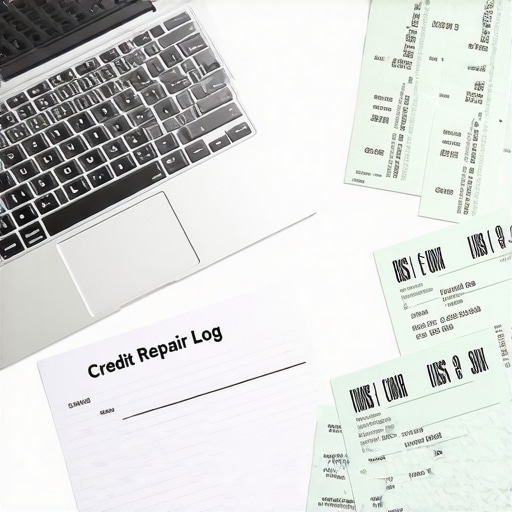
Stay Ahead of the Trended Data Shift
As we move deeper into the year, the game is changing. We are moving away from static snapshots of your debt. According to the Fair Isaac Corporation’s technical whitepaper on FICO Score 10T, lenders are increasingly looking at “trended data.” This means they aren’t just looking at what you owe today, but whether your balances have been growing or shrinking over the last 24 months. You need to unlock your credit score potential with expert tips for 2025 that account for this shift. If you want to scale your results, you have to dispute credit errors swiftly and securely in 2025 using methods that address these new algorithmic behaviors. My advice is to start a physical “Credit Journal” today. Record every call, every letter, and every score change. This data is your primary weapon when the bureaus try to re-insert a previously deleted error without the required 5-day notice. Try this right now: go find your last three credit card statements and highlight the “Statement Closing Date”—it’s usually different from your “Due Date”—and set an alarm to pay the balance three days before that closing date. You’ll see the magic happen on your next report update.
The One Thing That Actually Moves the Needle When the System Fails
Reflecting on my own journey, the biggest shift didn’t happen when I learned the rules, but when I realized the rules are stacked against anyone who plays passively. You have to be your own advocate because no one else is incentivized to fix your history. Here are the core truths I live by now:
- Credit is a language, not just a number. When you report rent, you aren’t just adding a line item; you’re telling a story of consistency that banks find irresistible.
- Disputing is a chess match. If you want to improve your credit with ease, you have to anticipate that the bureaus will try to ignore your first move. Expect the ‘verification’ and be ready with your next letter.
- Patience is a strategic weapon. Rapid jumps are great, but the real wealth is built by maintaining that ultimate blueprint for effective credit repair over twelve to eighteen months.
My Personal Blueprint for Financial Resilience and Long-Term Stability
I don’t leave my financial future to chance, and neither should you. To keep my momentum, I rely on a few specific resources that go beyond the basic apps. First, I always keep a copy of the ultimate guide to credit counseling on hand to understand how my debt ratios look to a professional lender. Second, I treat mastering credit disputes as a required skill, much like filing taxes. Finally, I maintain a physical log of every certified mail receipt. If it isn’t on paper with a timestamp, the bureaus will claim it never happened. These tools aren’t just about ‘fixing’ things; they are about building a fortress around your reputation.
Take Back the Power Over Your Financial Story Starting Today
You’ve spent years paying for a roof over your head; it’s time that money started working for you instead of just disappearing into your landlord’s bank account. Whether you are aiming for a lower interest rate on a car or that first set of house keys, your credit score is the gatekeeper. Don’t let a ‘thin file’ or a few old mistakes hold you back from the life you’ve earned. You have the tools, the strategy, and the right to a fair report. Have you ever tried to report your rent before, and did your landlord support the idea or push back? Let me know in the comments below!