

I’ll never forget the pit in my stomach when my mortgage application was denied over a $45 medical bill I didn’t even know existed. I was naive back then. I thought I could just download a program, click ‘fix,’ and watch my numbers climb. Instead, I spent six months chasing my tail, realizing that the DIY route is often more of a ‘Destroy It Yourself’ trap if you do not know the rules. We are going to settle the debate today: should you buy the software or hire the pros? I have tried both, failed at both, and finally figured out the middle ground that actually works. [image placeholder]
Get Your Score Moving Without Getting Scammed
When I first started, I fell for the marketing. You have seen the ads—software that promises to ‘blast’ the bureaus with letters. I bought one, and it was a disaster. I learned the hard way that those generic dispute letter templates are often the fastest way to get your file blacklisted. The bureaus are not stupid; they see the same font and the same phrasing from ten thousand other people and just hit the ‘frivolous’ button. It is a big part of why your last dispute letter got ignored by Equifax or TransUnion. If you are tired of the automated rejections, you need to realize that these tools are only as good as the person wielding them.
Does clicking a button really fix a broken score?
This is the big question everyone asks me over the backyard fence. Software feels safe because it is cheap, but professional services offer a human touch—at a price. According to the Consumer Financial Protection Bureau (CFPB), roughly 20% of consumers have a verified error on at least one of their credit reports. I once made the mistake of thinking most non-profit credit counselors were there to save me, only to find out they often have their own agendas that don’t prioritize my specific score goals. Have you ever felt like you were just a number in a giant machine while trying to fix your finances? Let me know, because I have been there too. To truly find proven steps to boost your score, you need to understand that software is just a tool, not a savior. It is about the strategy behind the clicks, and today, we are going to dive into which path fits your specific financial mess.
Audit Your Report Like a Forensic Accountant
Before you send a single letter, you have to know exactly what you are fighting. Most people just glance at their score and get angry, but you need to dive into the data fields. I remember once finding a debt that had been ‘re-aged’ to look five years younger than it actually was. By knowing how to identify re-aged debt, I was able to catch the collection agency in a lie. Look for dates of first delinquency that don’t match your records and account numbers that seem to change every few months. This level of detail is part of the science of credit repair that software simply cannot replicate. You are looking for inconsistencies in how your balance is reported across the three major bureaus because why your score varies often comes down to these tiny reporting errors.
Write Letters That Actually Get Read
If you want to avoid the automated ‘frivolous’ bin, you have to prove you are a human being with a legitimate grievance. This means no generic templates. When I finally fixed my own score, I stopped using the fancy printed forms and started writing my letters by hand or using a unique font that looked like typewriting. You must realize why your dispute letter needs a real signature; it forces a human at the bureau to actually open the envelope and scan it. I once spent an entire Saturday afternoon drafting a letter regarding a medical bill, attaching a copy of the cancelled check and a utility bill to prove my address. That personal touch made all the difference. 
Keep the Pressure on with Certified Mail
Never, ever send your dispute through an online portal. While it is convenient, it often strips away your right to re-dispute later and limits the evidence you can upload. Instead, use the certified mail hack to create a legal paper trail. I learned this the hard way after a bureau claimed they never received my paperwork. Now, I keep every green receipt in a dedicated folder. This is the paper trail that kills collection accounts because it puts the bureau on a strict 30-day clock. If they don’t respond in time, they legally have to remove the item. It is a game of patience and documentation, not just luck.
Stop Settling for a Simple Verification
When the bureau sends back a letter saying the debt is ‘verified,’ don’t panic. That is their standard first-round response to see if you will give up. I used to think ‘verified’ meant they checked the original contract, but usually, it just means they checked their own digital records. You need to stop settling for verified and demand to see the actual application or the original signed agreement. By knowing how to force a creditor to produce the original contract, you turn the tables. In my case, the collector couldn’t find the paperwork from 2018, and just like that, a $1,200 collection vanished from my report. This is how you dispute errors like a pro and take back control of your financial future.
People always tell you to ‘just pay it off’ to fix your score. That is one of the biggest myths in the industry. I have seen clients pay thousands to clear old collections, only to see their score drop the next month. It is incredibly frustrating, but there is a specific reason why your score won’t budge despite paying down debt. In the eyes of many FICO models, a paid collection is still a collection. It is the presence of the negative mark that hurts, not the balance. This is the difference between a paid collection and a deleted one; if you do not get the deletion, you are just giving away money without the credit boost. You need to stop viewing your report as a balance sheet and start viewing it as a character assessment by an algorithm that values history over current intentions.
Does every negative item carry the same weight?
Not even close. The ‘recency’ of an error matters significantly more than the dollar amount. A $500 collection from last month is far more damaging than a $5,000 collection from six years ago. According to research from the Federal Trade Commission (FTC), nearly one in four consumers identified errors that might affect their credit scores, yet most people focus on the wrong errors. If you focus on old, stagnant debt instead of recent inaccuracies, you are wasting your leverage. This is where the science of credit repair comes in—you have to prioritize the items that have the highest impact on the scoring algorithms. 
One of the biggest ‘oops’ factors I see is the ‘dispute everything’ shotgun approach. I once knew a guy who disputed every single line on his report, including his open, positive credit cards. The result? The bank closed his accounts because they flagged them for suspicious activity and identity theft concerns. You should never dispute an account you still use daily unless you are prepared for your card to be declined at the register. It is one of the many reasons why most people fail when challenging credit bureau errors. They treat the report like a wish list instead of a legal document. To dispute errors effectively, you need a surgical strike, not a carpet bomb. Even something as small as how your grocery shopping habit might be linked to your credit profile can influence how lenders perceive your risk, so do not give them a reason to look closer than they have to. Have you ever fallen into this trap? Let me know in the comments.
How do I maintain my credit health over time?
Maintenance isn’t about checking your score every morning while you drink your coffee—that’s just anxiety. It’s about setting up a defensive perimeter. I personally use a ‘Credit Audit’ spreadsheet once a quarter. This is where I compare the data points from all three bureaus side-by-side. If you see an address you never lived at or an employer you haven’t worked for in a decade, you need to clean up your employment history immediately. These small details are what lenders use to verify your identity, and mismatches can trigger ‘manual reviews’ that kill your application speed. According to the CFPB Bulletin 2021-03, furnishers have a strict legal obligation to investigate and correct inaccuracies, but they won’t do it unless you catch them first. If you’ve been through the ringer, you know that improving your credit score in 2025 requires being more proactive than the algorithm chasing you.
The Tools That Actually Give You an Edge
Let’s talk about the software I actually keep in my belt. I don’t use ‘auto-disputers,’ but I do use MyFICO for the raw data. Why? Because most free apps use VantageScore 3.0, which is virtually useless for mortgage or auto loan approvals. You need to see the FICO 8 and FICO 9 variations to understand why your high interest rate might be higher than expected despite a decent ‘free’ score. It’s the easiest way to track your FICO score without the fluff. 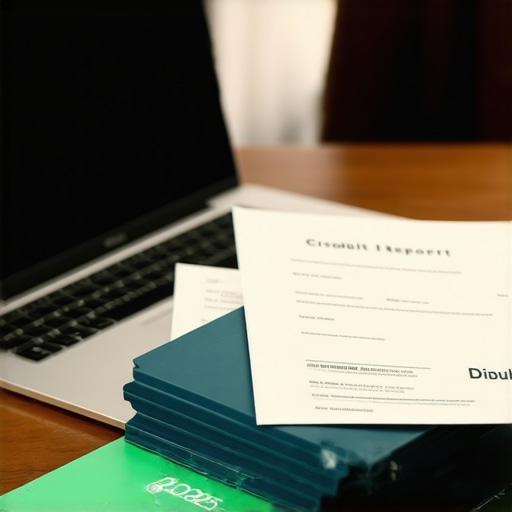 I also recommend keeping a physical folder for every ‘green’ certified mail receipt you collect. There is something about holding the proof of delivery that makes the process feel more real and manageable. This is the ultimate blueprint for effective credit repair: digital monitoring paired with a physical paper trail.
Expect the Rise of AI-Driven Bureau Denials
Looking toward the future, the bureaus are already doubling down on AI to scan your letters. If your letter looks like it was generated by a bot, it will be rejected by a bot. This is why I stress the ‘human’ element so much. In the coming years, we’ll see ‘Trended Data’ become the gold standard. Instead of just looking at your balance today, lenders will see if you are ‘paying down’ or ‘piling on’ over a two-year window. To prepare, you should unlock your potential by focusing on consistency. If you’ve had a rough patch, don’t just disappear; master credit counseling techniques to manage your debt flow before the data starts trending downward. My best advice? Go beyond the Big Three and freeze your SageStream report today. These secondary bureaus are the ‘snitches’ of the credit world that provide the extra data collectors use to find you. Take that one step this week, and you’ll be miles ahead of the average consumer.
I’ll never forget the pit in my stomach when my mortgage application was denied over a $45 medical bill I didn’t even know existed. I was naive back then. I thought I could just download a program, click ‘fix,’ and watch my numbers climb. Instead, I spent six months chasing my tail, realizing that the DIY route is often more of a ‘Destroy It Yourself’ trap if you do not know the rules. We are going to settle the debate today: should you buy the software or hire the pros? I have tried both, failed at both, and finally figured out the middle ground that actually works. [image placeholder]
Get Your Score Moving Without Getting Scammed
When I first started, I fell for the marketing. You have seen the ads—software that promises to ‘blast’ the bureaus with letters. I bought one, and it was a disaster. I learned the hard way that those generic dispute letter templates are often the fastest way to get your file blacklisted. The bureaus are not stupid; they see the same font and the same phrasing from ten thousand other people and just hit the ‘frivolous’ button. It is a big part of why your last dispute letter got ignored by Equifax or TransUnion. If you are tired of the automated rejections, you need to realize that these tools are only as good as the person wielding them.
Does clicking a button really fix a broken score?
This is the big question everyone asks me over the backyard fence. Software feels safe because it is cheap, but professional services offer a human touch—at a price. According to the Consumer Financial Protection Bureau (CFPB), roughly 20% of consumers have a verified error on at least one of their credit reports. I once made the mistake of thinking most non-profit credit counselors were there to save me, only to find out they often have their own agendas that don’t prioritize my specific score goals. Have you ever felt like you were just a number in a giant machine while trying to fix your finances? Let me know, because I have been there too. To truly find proven steps to boost your score, you need to understand that software is just a tool, not a savior. It is about the strategy behind the clicks, and today, we are going to dive into which path fits your specific financial mess.
Audit Your Report Like a Forensic Accountant
Before you send a single letter, you have to know exactly what you are fighting. Most people just glance at their score and get angry, but you need to dive into the data fields. I remember once finding a debt that had been ‘re-aged’ to look five years younger than it actually was. By knowing how to identify re-aged debt, I was able to catch the collection agency in a lie. Look for dates of first delinquency that don’t match your records and account numbers that seem to change every few months. This level of detail is part of the science of credit repair that software simply cannot replicate. You are looking for inconsistencies in how your balance is reported across the three major bureaus because why your score varies often comes down to these tiny reporting errors.
Write Letters That Actually Get Read
If you want to avoid the automated ‘frivolous’ bin, you have to prove you are a human being with a legitimate grievance. This means no generic templates. When I finally fixed my own score, I stopped using the fancy printed forms and started writing my letters by hand or using a unique font that looked like typewriting. You must realize why your dispute letter needs a real signature; it forces a human at the bureau to actually open the envelope and scan it. I once spent an entire Saturday afternoon drafting a letter regarding a medical bill, attaching a copy of the cancelled check and a utility bill to prove my address. That personal touch made all the difference.
Keep the Pressure on with Certified Mail
Never, ever send your dispute through an online portal. While it is convenient, it often strips away your right to re-dispute later and limits the evidence you can upload. Instead, use the certified mail hack to create a legal paper trail. I learned this the hard way after a bureau claimed they never received my paperwork. Now, I keep every green receipt in a dedicated folder. This is the paper trail that kills collection accounts because it puts the bureau on a strict 30-day clock. If they don’t respond in time, they legally have to remove the item. It is a game of patience and documentation, not just luck.
Stop Settling for a Simple Verification
When the bureau sends back a letter saying the debt is ‘verified,’ don’t panic. That is their standard first-round response to see if you will give up. I used to think ‘verified’ meant they checked the original contract, but usually, it just means they checked their own digital records. You need to stop settling for verified and demand to see the actual application or the original signed agreement. By knowing how to force a creditor to produce the original contract, you turn the tables. In my case, the collector couldn’t find the paperwork from 2018, and just like that, a $1,200 collection vanished from my report. This is how you dispute errors like a pro and take back control of your financial future.
People always tell you to ‘just pay it off’ to fix your score. That is one of the biggest myths in the industry. I have seen clients pay thousands to clear old collections, only to see their score drop the next month. It is incredibly frustrating, but there is a specific reason why your score won’t budge despite paying down debt. In the eyes of many FICO models, a paid collection is still a collection. It is the presence of the negative mark that hurts, not the balance. This is the difference between a paid collection and a deleted one; if you do not get the deletion, you are just giving away money without the credit boost. You need to stop viewing your report as a balance sheet and start viewing it as a character assessment by an algorithm that values history over current intentions.
Does every negative item carry the same weight?
Not even close. The ‘recency’ of an error matters significantly more than the dollar amount. A $500 collection from last month is far more damaging than a $5,000 collection from six years ago. According to research from the Federal Trade Commission (FTC), nearly one in four consumers identified errors that might affect their credit scores, yet most people focus on the wrong errors. If you focus on old, stagnant debt instead of recent inaccuracies, you are wasting your leverage. This is where the science of credit repair comes in—you have to prioritize the items that have the highest impact on the scoring algorithms.
One of the biggest ‘oops’ factors I see is the ‘dispute everything’ shotgun approach. I once knew a guy who disputed every single line on his report, including his open, positive credit cards. The result? The bank closed his accounts because they flagged them for suspicious activity and identity theft concerns. You should never dispute an account you still use daily unless you are prepared for your card to be declined at the register. It is one of the many reasons why most people fail when challenging credit bureau errors. They treat the report like a wish list instead of a legal document. To dispute errors effectively, you need a surgical strike, not a carpet bomb. Even something as small as how your grocery shopping habit might be linked to your credit profile can influence how lenders perceive your risk, so do not give them a reason to look closer than they have to. Have you ever fallen into this trap? Let me know in the comments.
How do I maintain my credit health over time?
Maintenance isn’t about checking your score every morning while you drink your coffee—that’s just anxiety. It’s about setting up a defensive perimeter. I personally use a ‘Credit Audit’ spreadsheet once a quarter. This is where I compare the data points from all three bureaus side-by-side. If you see an address you never lived at or an employer you haven’t worked for in a decade, you need to clean up your employment history immediately. These small details are what lenders use to verify your identity, and mismatches can trigger ‘manual reviews’ that kill your application speed. According to the CFPB Bulletin 2021-03, furnishers have a strict legal obligation to investigate and correct inaccuracies, but they won’t do it unless you catch them first. If you’ve been through the ringer, you know that improving your credit score in 2025 requires being more proactive than the algorithm chasing you.
The Tools That Actually Give You an Edge
Let’s talk about the software I actually keep in my belt. I don’t use ‘auto-disputers,’ but I do use MyFICO for the raw data. Why? Because most free apps use VantageScore 3.0, which is virtually useless for mortgage or auto loan approvals. You need to see the FICO 8 and FICO 9 variations to understand why your high interest rate might be higher than expected despite a decent ‘free’ score. It’s the easiest way to track your FICO score without the fluff. I also recommend keeping a physical folder for every ‘green’ certified mail receipt you collect. There is something about holding the proof of delivery that makes the process feel more real and manageable. This is the ultimate blueprint for effective credit repair: digital monitoring paired with a physical paper trail.
Expect the Rise of AI-Driven Bureau Denials
Looking toward the future, the bureaus are already doubling down on AI to scan your letters. If your letter looks like it was generated by a bot, it will be rejected by a bot. This is why I stress the ‘human’ element so much. In the coming years, we’ll see ‘Trended Data’ become the gold standard. Instead of just looking at your balance today, lenders will see if you are ‘paying down’ or ‘piling on’ over a two-year window. To prepare, you should unlock your potential by focusing on consistency. If you’ve had a rough patch, don’t just disappear; master credit counseling techniques to manage your debt flow before the data starts trending downward. My best advice? Go beyond the Big Three and freeze your SageStream report today. These secondary bureaus are the ‘snitches’ of the credit world that provide the extra data collectors use to find you. Take that one step this week, and you’ll be miles ahead of the average consumer.
What the Big Three Credit Bureaus Hope You Never Discover
After years of banging my head against the wall, I realized that the secret isn’t a magic letter—it’s the relentless follow-up. Most people stop after the first ‘verified’ response, which is exactly what the bureaus want. You have to understand the science of credit repair to stay ahead of their automated systems. Another big lightbulb moment for me was realizing that the difference between a paid collection and a deleted one can be the difference between a mortgage approval and another year of renting. The bureaus thrive on your frustration; they hope you’ll get tired and just walk away. Don’t give them that satisfaction.
The Only Tools I Trust to Get the Job Done Right
I don’t believe in paying for fluff or flashy apps that don’t deliver. My essential kit is lean and focused on results. I always keep a stack of certified mail envelopes and a MyFICO subscription for real, raw data. If you are just starting, I highly recommend following the ultimate blueprint for effective credit repair because it prioritizes the legal requirements the bureaus must follow. If you’re feeling overwhelmed by the sheer volume of paperwork, looking into mastering credit counseling concepts can give you the emotional and strategic bandwidth to keep going without burning out.
Your Roadmap to a Better Financial Future Starts Now
You have the power to change your story, even if it feels like the system is stacked against you. Whether you use software as a guide or hire an expert to lead the charge, the goal remains the same: total accuracy. Start by identifying your dispute errors effectively and don’t look back. You deserve a boost to your credit score in 2025 that reflects who you are today, not who you were five years ago. Take it one letter at a time, stay organized, and keep your eyes on the prize. Have you ever had a collection come back as ‘verified’ even though you knew for a fact it was wrong? Let me know in the comments below, and let’s troubleshoot it together.