

I sat at my kitchen table with a $14,200 surgery bill in my hand, feeling like someone had just punched me in the gut. My heart was pounding because my credit score was finally looking healthy, and I could practically hear the points evaporating as I stared at the balance. I was terrified. But here is the secret I learned the hard way: that bill is not a death sentence for your finances if you catch it before the hospital sells it to a collector. Most people wait until they are in crisis, but the real magic happens in that 90-day window after you leave the hospital. I want to show you how to take control of this situation so you do not end up needing to remove a medical collection for less than the full amount later on down the road. [image_placeholder_1]
Stop the Panic and Check for These Common Errors
Early in my journey, I made a massive mistake that I still regret. I received a bill for a series of blood tests, assumed the insurance company had already done their part, and just paid it. Six months later, I realized I had been double-billed for the same lab work. That mistake cost me $400 and hours of stress. It taught me that hospitals are just like any other business; they make mistakes, and those mistakes usually favor their bank account, not yours. You have to be willing to dispute errors effectively by demanding an itemized bill with CPT codes. If you do not see exactly what you are being charged for, you are essentially writing a blank check to a corporation.
Is It Actually Possible to Negotiate With a Giant Hospital?
You might be thinking that a single person cannot possibly win a fight against a multi-billion dollar healthcare system. It feels like David versus Goliath, but you have more leverage than you think. According to a report by the Consumer Financial Protection Bureau, approximately 58 percent of all third-party collections on credit reports are for medical debt, which often stems from confusing billing processes rather than an inability to pay. The system is broken, and because it is broken, there is room to negotiate. Have you ever opened a medical bill and felt that instant pit-in-your-stomach feeling? I would love to hear your story in the comments below.
Why Your Credit Score Does Not Have to Die Today
Protecting your key credit score factors is all about timing. Once a debt moves from the hospital’s billing department to a collection agency, your leverage drops and the damage to your file begins. However, as long as the bill is still with the original provider, you have the power to set up interest-free payment plans or apply for financial hardship programs that most hospitals are legally required to offer. I have seen people dispute a debt that isnt yours effectively just by showing that the service was never actually performed or was coded incorrectly. We are going to dive into the specific scripts and letters you need to send to keep your credit report clean and your bank account intact.
Decode the Hospital’s Secret Language Before You Pay
You need an itemized bill—period. Every procedure, from a Tylenol pill to an MRI, has a five-digit CPT (Current Procedural Terminology) code attached to it. Hospitals count on you looking at the total balance due and reaching for your wallet in a panic. Don’t do it. Instead, think of the CPT code as a fingerprint. If the hospital says you owe $2,000 for a procedure, but the code on the bill actually describes a routine office visit worth $200, you have them cornered. I once spent forty-five minutes on hold after seeing a $1,200 charge for a private recovery suite when I had actually spent the night in a noisy shared ward. By highlighting the discrepancy between the code they billed and the service I actually received, I was able to master credit disputes and get that charge wiped before it ever touched my credit file. 
Look for the Double-Dip in Your Insurance Statements
Once you have those codes, pull up your Explanation of Benefits (EOB) from your insurance provider. This document is your shield. Compare the patient responsibility on the EOB to the hospital’s bill. If the numbers don’t match exactly, the hospital is likely trying to balance-bill you—a practice where they charge you for the difference between their sticker price and what the insurance agreed to pay. This is often against their contract with the insurer. If you find a mismatch, you need to stop calling debt collectors and start mailing these forms to the billing department immediately. A phone call leaves no evidence; a certified letter creates a timeline they cannot ignore.
Force the Provider to Prove You Actually Owe the Money
If the hospital insists the bill is correct but you know something is off, it is time to get formal. You have the legal right to see the paper trail that kills collection accounts for good. Send a request for validation. This isn’t just a request to verify the amount; it’s a demand for the signed contract and the actual proof of service. If they cannot produce the specific documentation showing you agreed to the charges, they cannot legally report the debt to the bureaus. You can learn how to use a debt validation letter to silence collectors and buy yourself months of breathing room while you work on a settlement or correction.
Apply for Financial Hardship Even if You Have a Job
Most non-profit hospitals are required by law to have charity care or financial assistance programs. These aren’t just for the unemployed. Depending on your income and the size of the bill, you could qualify for a 50% to 100% reduction. I have seen families making $80,000 a year get their bills slashed because their medical expenses exceeded a certain percentage of their income. This is a far better strategy than letting it sit and watching your credit utilization skyrocket as you max out credit cards to cover the cost. Always ask for the financial assistance application before you even mention a payment plan.The biggest lie I heard when I was drowning in medical bills was that I should just call a non-profit credit counselor and they will fix everything for me. While they have their place, you need to understand the truth about most non-profit credit counselors—many are funded by the very banks and collection agencies they are negotiating with. In my experience, they often push you into a debt management plan that looks helpful on paper but can actually cause high-end lenders to view you as a higher risk. In fact, a report by the National Foundation for Credit Counseling highlighted that while these programs manage debt, they do not always address the reporting errors that fundamentally damage your score. You have to be your own best advocate and dispute errors like a pro by focusing on the strict legal requirements of the Fair Credit Reporting Act, not just the dollar amounts.
Avoid the Convenience Trap of Online Dispute Portals
Most people think the dispute button on a credit app is a lifesaver, but it is actually a trap designed to save the bureaus money. When you use those portals, you often inadvertently waive your right to a full, manual investigation. The system is almost entirely automated; it is just one computer talking to another computer, and they will almost always return a result of verified within minutes. If you want real results, you need to step away from the screen and use the mail. This is where the risks of using a bureau portal for complex disputes become very real for your future. A physical, certified letter forces a human being at the credit bureau to actually look at your evidence and scan your documents into their system. Have you ever clicked that dispute button only to have it rejected instantly? Let me know in the comments below. 
Can Credit Counseling Actually Hurt Your Mortgage Odds?
This is a nuance many experts gloss over. If you enter a formal debt management plan, a specific notation may be placed on your credit file. While this is certainly better than a series of collections, some strict mortgage underwriters might see it as a signal that you cannot manage your finances without third-party intervention. This is why credit counseling plans can sometimes help your mortgage odds by lowering your debt-to-income ratio, but they can also trigger extra layers of scrutiny during the manual underwriting process. You must weigh the short-term relief against your long-term goal of homeownership. Another major oops factor I see constantly is when people never dispute an account you still use daily. If you challenge a medical bill from a provider you still visit regularly, do not be surprised if they suddenly stop seeing you as a patient due to the conflict. It is a delicate dance between protecting your credit and maintaining your access to healthcare. To stay ahead of the collectors, you need to unlock your credit score potential by knowing exactly which legal levers to pull and, more importantly, when to leave an account alone.
Stop Losing Sleep and Start Scanning Your Receipts
Once you have started the process of cleaning up your file, the biggest mistake you can make is getting complacent. I keep what I call my ‘Dispute Bible’—a physical binder and a mirrored digital folder where every single piece of correspondence lives. I personally use a Fujitsu ScanSnap iX1600 because it handles the thin, flimsy thermal paper used for certified mail receipts without jamming. If you are serious about this, you need a high-speed scanner. Why? Because when a debt is sold from one agency to another, the new collector often ‘forgets’ the previous dispute history. Having a timestamped digital trail allows you to how to read the data fields collectors use to track you and hit them with a violation notice the second they report an item you have already proven is inaccurate. This level of organization is one of the top credit repair strategies to boost your score faster because it prevents the ‘zombie debt’ cycle from restarting.
How do I maintain my credit score over the long haul?
Maintenance is actually harder than the initial cleanup. It requires a shift in how you view your financial footprint. You should be checking your reports at least once a month, but not through those generic apps that only show you ‘educational’ scores. I recommend using the easiest way to track your fico score for free to ensure you are seeing what lenders actually see. If you notice a single point drop that you can’t explain, go back to your itemized medical records immediately. Consistency is the secret sauce in any ultimate guide to credit counseling take control of your financial future. You aren’t just fixing a number; you are building a defensive perimeter around your wealth. 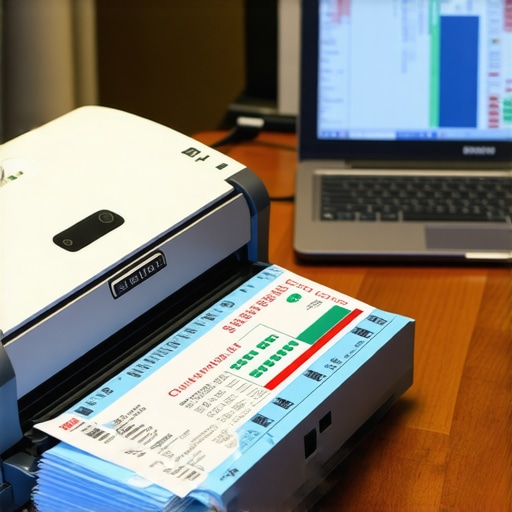
The Shift to Trended Data and What It Means for You
The credit landscape is changing rapidly. We are moving away from simple snapshots and toward ‘trended data.’ Credit expert John Ulzheimer, who has worked for both FICO and Equifax, points out that lenders are increasingly looking at your behavior over a 24-month period rather than just your current balance. This means that even if you settle a medical bill today, the fact that it was delinquent for months might still weigh on you if you don’t use the ultimate blueprint for effective credit repair to address the underlying reporting logic. In the next few years, I predict we will see AI-driven dispute systems at the bureau level that will make it even harder to use generic templates. You will need to boost your credit score in 2025 top strategies that work by providing more specific, personalized evidence than ever before.
Take the Certified Mail Challenge Today
If you have one medical bill that has been nagging at you, stop the phone calls today. My challenge to you is this: go to the post office and send one formal request for an itemized bill with CPT codes via certified mail. This single action creates a legal record that the hospital cannot ignore. It is the first step in understanding credit counseling your blueprint for better finances and taking back your power from a system that expects you to stay silent. Once you see how they react to a professional, documented request, you will never go back to being a passive consumer again.
Hard Truths From My Battle With Hospital Billing
Looking back on that $14,200 bill, I realized the hospital’s accounting department wasn’t trying to ruin my life; they were just operating on autopilot. If you don’t step in to disrupt that cycle, they will simply follow the path of least resistance—which usually ends with your debt being sold for pennies. I learned that you must be the most organized person in the room. When you dispute errors like a pro, you aren’t just fighting a bill; you are demanding accuracy in a system that thrives on chaos. Another lightbulb moment was realizing that ‘verified’ doesn’t mean ‘accurate.’ It just means the hospital confirmed the numbers match their own internal records. This is why you must stop settling for verified and demand these specific records to win the long game.
My Survival Kit for Financial Recovery
[image_placeholder_5]
I didn’t get my score back into the high 700s by accident. I used a specific set of resources that I still swear by today. First, I stopped relying on free apps and found the easiest way to track your fico score for free so I could see the exact data points mortgage lenders see. Second, I stayed updated on credit score boosters essential tips for rapid improvement to ensure my utilization wasn’t dragging me down while I fought the medical bills. Finally, I kept a copy of the ultimate blueprint for effective credit repair on my desk as a step-by-step guide whenever I felt overwhelmed by bureau stall tactics.
The Freedom That Comes With a Clean File
Taking control of your medical debt is about more than just a number on a screen; it’s about reclaiming your peace of mind. When you stop fearing the mailbox and start understanding the legal protections available to you, the power dynamic shifts completely. Whether you are looking into credit counseling secrets achieve financial freedom in 2025 or handling the disputes yourself, the most important thing is that you refuse to be a victim of a clerical error. Your credit score is a tool for your future, not a weight from your past. Have you ever found a billing error that seemed too small to fight, but ended up being the key to a larger dispute? Let me know your story in the comments below!