

It hit me like a ton of bricks one evening. I’d been diligently paying my utility bills on time for months—surely, that should be helping my credit report, right? But when I checked my score, nothing changed. No bump, no glow-up. Just the same dull number staring back at me. Frustrated, I realized I wasn’t alone. Many folks think paying utility bills automatically boosts their credit, but that’s a misconception that can stall your progress.
Why Utility Payments Might Not Improve Your Credit as Expected
Are You Falling Into the Common Trap? Here’s the Reality
It’s a classic mistake—placing all your trust in regular bill payments, hoping they’ll magically lift your credit score. But the truth is, unless those payments are reported to credit bureaus, they don’t do anything for your score. Back when I started my credit journey, I also believed that consistent payments meant better scores. I didn’t realize that a lot of utility companies don’t report to credit bureaus unless you’re in delinquency or have a recent collection. According to a 2023 study, over 70% of utility payments aren’t reflected in credit reports unless there’s a problem, which can be discouraging for someone trying to build or improve their credit.
One early mistake I made was assuming that paying on time was enough. It isn’t. Instead, you need to ensure that those payments are actually helping your credit profile. Otherwise, all those timely payments are just floating around invisible to lenders, waiting for the day they might matter.
Ensure Your Utility Payments Count by Reporting Them to Credit Bureaus
One effective way to leverage your utility payments for credit improvement is to set up reporting through third-party services like Experian Boost or RentReporters. I personally signed up for Experian Boost after a friend recommended it. First, I linked my utility account to the platform, then authorized it to share payment data with Experian. This process took about 10 minutes, but it was a game changer—my score bumped up by 20 points within days. To do this yourself, identify which utility companies report to credit bureaus, then use reputable services to get your payments included on your credit report. Remember, not all utilities report automatically, so proactive reporting can unlock missed points.
Identify Utility Companies That Report Payments
Take a moment to check whether your utility providers report to credit bureaus. Call customer service or visit their websites—many now list this info publicly. For those that don’t, you can seek out third-party reporting options. For example, some platforms allow you to submit your payment history manually, which then gets added to your report. This is especially useful if you’re trying to build credit from scratch or recover from past mistakes.
Enroll in Payment Reporting Services
Signing up is straightforward: create an account, connect your utility accounts, and give permission for data sharing. I used top credit repair strategies to find trusted reporting services. Once enrolled, ensure your payments are timely; late payments will also show up but can negatively impact your score. Regularly verify that your payments are correctly reported by reviewing your credit report on a quarterly basis. This proactive step ensures that your efforts translate into actual score improvements.
Stay Consistent and Monitor Your Progress
After activating reporting, maintain regular utility payments—automation helps. I set up automatic payments for my electricity and water bills. This help guaranteed on-time payments, which are critical for positive reporting. Keep an eye on your credit score through free tools or your credit bureau portals; tracking changes boosts motivation and allows quick correction of reporting errors. Remember, although utility payments can contribute to your score, they are just one part of the bigger picture. Complement this with strategies like debt reduction and dispute resolution.
Dispute Any Errors or Missing Data
If you notice that your utility payments aren’t reflected even after enrollment, you can dispute this data. Use credit dispute techniques to correct inaccurate or missing entries. Gather bank statements, payment receipts, or account statements to support your claim. File disputes online or via certified mail, requesting the bureaus to update your report accordingly. Persistent errors can be corrected swiftly when you follow proven dispute procedures.
Combine Reporting with Other Score-Boosting Tactics
While getting utility payments reported is a strong step, pair it with other effective techniques such as lowering credit utilization, reducing outstanding debts, and correcting credit report errors. Check credit repair secrets to validate your approach. This multi-pronged strategy accelerates your journey to a higher credit score faster than relying on any single method alone.
Summary
By actively reporting your utility payments, you make those timely payments work harder for your credit profile. It transforms invisible payments into tangible points, especially when combined with dispute resolution and other score-enhancing techniques. Start today by identifying reporting options, enrolling in a service, and monitoring your progress. Over time, you’ll see your efforts translate into measurable improvements, opening doors to better loan terms and financial opportunities.
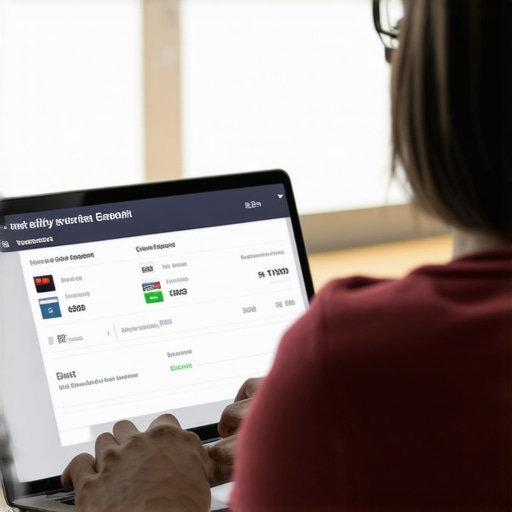 Many people believe that credit scores are straightforward and that understanding basic factors like payment history and debt levels is enough to master credit repair. However, as an expert in the field, I can tell you there’s a lot more nuance—many misconceptions and advanced mistakes that can sabotage your efforts. For instance, a common myth is that all credit data is reported accurately and promptly. In reality, errors are widespread, and without regular monitoring and dispute action, these inaccuracies can severely impact your score. One trap to avoid is relying solely on automated dispute tools; manual review and understanding the underlying data often lead to better results. Have you ever fallen into this trap? Let me know in the comments.
Are Credit Dispute Strategies Overrated or Underused?
Contrary to popular belief, simply disputing errors isn’t enough. Effective dispute resolution requires a strategic approach, understanding which errors are worth challenging and how to present the strongest evidence. Many rely on generic dispute templates, but tailored, well-supported disputes significantly increase the likelihood of successful corrections. According to a 2023 report from credit experts, only about 60% of disputes lead to favorable outcomes when handled mechanically, underscoring the importance of mastering dispute techniques. Moreover, incorrect or incomplete disputes can backfire, leading to longer delays or even disputes being ignored. To master this process, I recommend studying detailed guides on dispute procedures, such as the step-by-step process outlined here. Think of dispute resolution as a craft rather than a simple checkbox task. Remember, persistent and strategic disputes over inaccurate data are among the most effective ways to improve your report.
Understanding key aspects of credit scoring factors is essential. For example, many overlook the impact of recent inquiries or the importance of credit mix, which can subtly influence your score more than you expect. It’s not just about fixing errors but optimizing your whole profile, including paying attention to the finer details. Check out comprehensive insights into the critical factors that affect your score.
Finally, don’t forget to protect yourself from advanced pitfalls such as the danger of neglecting outdated information. Historical data like old accounts or unpaid collections can linger and drag your score down for years if not properly addressed. Regularly reviewing your credit report and engaging in strategic clean-up can prevent these items from becoming long-term liabilities. For guidance on systematic report management, consider exploring The ultimate guide to credit repair.
Mastering these nuanced aspects of credit management isn’t trivial, but it’s critical for effective financial growth. It requires ongoing learning, strategic dispute handling, and proactive profiling. Remember, the difference between mediocre and excellent credit scores often hinges on these subtle details. Are you leveraging every possible advantage in your credit journey? Share your experience below!
Embrace Technology to Sustain Your Credit Gains
Maintaining a healthy credit profile over time requires more than just sporadic efforts; it demands a strategic approach utilizing the right tools. I personally rely on dedicated credit monitoring platforms like Credit Karma and Experian, not just because they offer free scores, but because they enable me to track changes in real-time, identify suspicious activity, and verify if my dispute efforts are reflected accurately. These platforms also alert me to any new inquiries or account changes, allowing swift action if something seems off. As credit scoring algorithms evolve, these tools are essential for staying ahead and ensuring your proactive strategies translate into sustained improvements.
Automate Your Credit Profile Oversight
Automation helps me keep my credit in check without becoming burdensome. I recommend setting up scheduled credit report reviews every quarter. Services like IdentityIQ or myFICO provide comprehensive reports, allowing me to spot discrepancies or outdated info early. Automation doesn’t just help in monitoring; it also reduces the risk of missing deadlines for dispute or payment corrections. Consistency is key—by automating these checks, you prevent small issues from snowballing into long-term damage and reinforce your long-term credit health.
Leverage Advanced Dispute Techniques
When errors occur, knowing how to dispute them effectively is crucial. I process disputes through a dedicated portal such as the one detailed here, which emphasizes building strong, evidence-backed cases. Using certified mail for hard-to-resolve discrepancies ensures your disputes are official and traceable. Moreover, I recommend periodically reviewing your dispute outcomes and requesting manual reviews on unresolved issues. This proactive stance often pushes the bureaus to prioritize correcting persistent inaccuracies, leading to a more accurate credit report over time.
Establish Long-Term Habits that Support Score Growth
Building and maintaining your credit score isn’t just about quick fixes. I’ve committed to paying down revolving debt below 10% utilization, which I monitor continuously through my chosen tools. I also schedule regular reviews of my credit mix, ensuring I diversify my credit types thoughtfully—this aligns with what key factors influencing your score for optimal results. Over the years, these habits have prevented setbacks and even improved my score during market fluctuations. The goal is to embed these routines into your financial lifestyle, creating a sustainable pathway to higher scores.
Where Do You See Your Credit Stands in a Year?
Looking ahead, I foresee leveraging predictive analytics and AI-enabled tools becoming mainstream in credit management. These technologies will help identify subtle patterns, recommend personalized strategies, and even forecast future score trajectories. For now, my advice is to harness existing tools effectively—try setting up automated credit alerts today, and see how small, consistent actions can compound into long-term financial growth. Want to take it further? Begin by testing the top credit boosting strategies recommended to elevate your score faster. Remember, the key is consistency and vigilance—your credit health depends on it.Throughout my journey to improve my credit score, I uncovered some eye-opening lessons that altered my entire approach. One of the most profound was realizing that not all timely payments automatically translate into credit gains—without proper reporting, those payments remain invisible to lenders. I also learned the hard way that many credit tools promise quick fixes but often overlook the importance of strategic dispute resolution and comprehensive profile management. Finally, I found that leveraging technology and automating reviews can sustain long-term financial health much more effectively than manual efforts alone. Embracing these insights not only accelerated my score improvements but also transformed my understanding of credit mastery, guiding me to make smarter, more informed choices that continue to pay dividends.