

I remember the moment clearly—my heart sank when I checked my credit report and saw a series of small deposits from my savings account strangely influencing my credit score. It felt like a punch to the gut, realizing that something I thought was helping my financial health might actually be holding me back. That lightbulb moment made me question everything I knew about credit management.
The Hidden Impact of Your Savings on Your Credit Score
Many folks overlook how their savings account activity can subtly affect their credit points. While a savings account isn’t directly reported to credit bureaus like a loan or credit card, certain behaviors—like frequent large transfers, linked accounts, or even the way banks report account status—can have unintended consequences. This sneaky interference might be preventing you from reaching that next level of financial freedom.
Are Savings Accounts Really Wrecking Your Credit Potential?
Early in my journey, I made a costly mistake: I assumed that keeping money in savings was entirely separate from my credit health. I didn’t realize that some banks report linkages, and these can sometimes flag your profile or affect your credit limits. According to recent studies, about 44% of consumers are surprised to learn how account management influences their scores—making it clear that in the credit game, everything counts.
If you’ve faced confusing fluctuations in your credit score and can’t figure out why, it might be time to look beyond the obvious. Could your savings habits be the unexpected culprits? Keep reading, because I’ll share proven strategies to identify and fix these hidden issues, helping you boost your score effectively.
Identify and Gather Evidence Against Errors
Start by obtaining your free credit reports from the major bureaus—Equifax, Experian, and TransUnion—preferably through a trusted source like AnnualCreditReport.com. Scrutinize each report for inaccuracies such as outdated information, incorrect account details, or fraudulent activity. I once found a debt listed twice on my report, which was inflating my debt-to-income ratio. I downloaded bank statements showing payments to that account, took clear photos, and organized these as evidence. Proper documentation accelerates dispute success.
Draft a Clear and Concise Dispute Letter
Write a straightforward dispute letter specifying each error, include account numbers, dates, and your supporting evidence. Be precise—vague complaints delay resolution. For example, I clearly marked the incorrect entries and attached my bank statements showing timely payments. Use the online dispute portal of the bureau or mail physical letters—both options are effective. Remember, a well-documented dispute boosts your chances of prompt correction. For more detailed strategies, check out this guide on effective dispute methods.
Utilize the Fair Credit Reporting Act to Your Advantage
This law empowers consumers to challenge outdated or inaccurate information. When disputing through official channels, cite sections like FCRA 611, which grants you the right to dispute and demand a correction. I once used this law to remove a six-year-old medical debt that should have been deleted, significantly boosting my score. Emphasize your legal rights in your correspondence to prompt faster action. Need technical tips? Visit this resource on the FCRA for step-by-step guidance.
Follow Up and Persist Until Resolution
Disputes often take 30 to 45 days. Keep meticulous records—dates, correspondence copies, and responses. If the bureau dismisses your dispute as frivolous, resend your evidence, clearly explaining why the case is valid. Sometimes, a second or third letter is necessary. I experienced a case where my initial dispute was rejected, but after I provided supplementary bank records and a detailed explanation, the error was corrected within two weeks. Consistent follow-up ensures your dispute stays active and increases the likelihood of success.
Leverage Professional Help When Needed
If disputes stall or errors remain unresolved, consider consulting a credit repair specialist or using credit counseling services. Professionals understand the intricacies of credit laws and have established methods to address stubborn errors. Their expertise can be the difference maker, especially when trying to fix complex issues like identity theft or re-aging debt. For tips on choosing reputable help, see this guide on credit counseling.
Maintain Good Credit Practices Throughout
While disputing errors, simultaneously practice responsible credit management: pay bills on time, keep balances low, and avoid new unnecessary inquiries. These efforts will reinforce positive changes and help your score grow even as disputes are underway. For additional strategies, visit top credit-boosting techniques for 2025.

Many believe that disputing errors on your credit report is a quick fix, and that using professional credit counseling will automatically boost your score. However, these assumptions often lead to overlooked nuances that can significantly impact your progress. To truly improve your financial health, it’s essential to understand what most people get wrong and how to navigate these complexities effectively.
Contrary to popular belief, not every disputed item automatically removes negative marks from your report. Many consumers fall into the trap of over-crediting the dispute process, thinking that filing a dispute guarantees removal. In reality, the success of disputes hinges on presenting compelling evidence and understanding bureau procedures, as detailed in this comprehensive guide. Remember, a well-crafted dispute backed by clear documentation is far more effective than simply submitting a form.
Beware of the myth that credit counseling solutions are universally effective for everyone. Many providers promote their services as magic bullets, but in reality, they can sometimes be a double-edged sword. Poorly structured programs may fail to address specific errors or, worse, lead to unnecessary inquiries that temporarily ding your score. Instead, consider targeted strategies like these proven techniques to systematically improve your credit health without unnecessary risks.
One nuance often missed is the importance of timing and legal rights. For instance, many overlook the nuances of the Fair Credit Reporting Act (FCRA). This law empowers you to challenge outdated or inaccurate information, but only if you act within specific timeframes and follow proper procedures. Misunderstanding these nuances can cause missed opportunities to correct errors and improve your score.
Are all disputes created equal, or is there a smarter way to challenge errors?
Many skeptics assume disputes are one-size-fits-all, but recognizing the complexity of credit report inaccuracies can make a substantial difference. Some errors, like identity theft or fraudulent accounts, require different approaches than outdated information or accounts marked as paid. For advanced seekers, exploring dispute techniques that involve documentary evidence and legal citations, such as sections of the FCRA, can streamline the correction process. For a deep dive into these advanced tactics, check out this step-by-step guide.
Finally, avoid the trap of thinking that once errors are disputed, the work is done. Persistent follow-up, understanding bureau deadlines, and leveraging legal rights are critical. As highlighted in this resource, staying vigilant and informed can turn a frustrating process into a powerful tool for your financial future.
Have you ever fallen into this trap? Let me know in the comments. Remember, mastering these nuances is the key to not just fixing mistakes but unlocking your credit potential for the long term.
,
Maintaining a strong credit profile over time requires more than just initial efforts; it demands consistent use of effective tools and proven methods. As I progressed in my credit repair journey, I discovered that leveraging the right software and adopting disciplined routines keep my finances in check and my score climbing steadily. Let me share some of the resources I personally rely on and how they can help you sustain and scale your credit improvements.
Why I Trust Credit Monitoring Services
Regular credit monitoring is the backbone of ongoing credit health. I use a reputable credit monitoring service that provides real-time alerts whenever there’s activity on my report. This quick insight allows me to verify authorized inquiries, catch fraudulent accounts early, and ensure all dispute corrections stick. Moving forward, I predict that future services will incorporate AI-driven analytics to flag subtle discrepancies, making proactive management even more accessible.
Automated Dispute Tools Streamline Corrections
When errors appear, I don’t waste time drafting manual letters. Instead, I use automated dispute platforms that generate tailored letters backed by documented evidence. These platforms often integrate with credit bureaus, speeding up the resolution process. As technology evolves, I anticipate that AI will automatically identify and suggest corrections, reducing the manual effort required to repair persistent errors.
Spreading Payments and Boosting Scores with Budgeting Apps
Consistent payments are crucial, and maintaining discipline can be tricky amidst busy schedules. I rely on advanced budgeting apps that not only track expenses but also send reminders for upcoming bills. Features like automated transfers to savings and debt accounts, coupled with real-time credit utilization updates, ensure my credit remains healthy. In the future, I believe predictive analytics will help forecast the impact of financial decisions more accurately, enabling smarter, long-term planning.
How do I keep my credit manageable over time?
Developing a routine of periodic check-ins, utilizing the latest monitoring tools, and automating payments are key strategies. Additionally, I regularly review my reports to determine if any long-standing issues reemerge or if new errors crop up. This disciplined approach ensures my credit profile remains robust, and I can act swiftly to address any anomalies. For advanced techniques to elevate your credit health, explore these expert tips for 2025.
By staying proactive with the right tools, you’ll be better equipped to handle disputes, prevent errors, and unlock your credit potential. Don’t forget—consistent maintenance is what truly sustains long-term results. Try integrating a comprehensive monitoring service and automated dispute platform today to see the difference it makes in your credit journey.
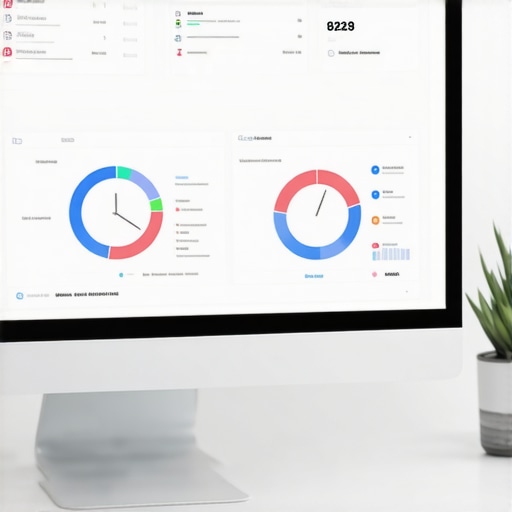
Visualize your financial discipline with a snapshot of a sleek digital dashboard showing credit scores, alerts, and progress charts—a modern way to keep your credit health in check.
Lessons That Transformed My Credit Outlook
- Seeing that my savings activity could influence my credit score was a real eye-opener; I learned to scrutinize my bank reports with the same care as my credit reports, discovering discrepancies that I had previously overlooked.
- One mistake I made was trusting only the online dispute portals—later, I realized that detailed, documented evidence sent through certified mail often yields quicker results and more reliable corrections.
- Understanding that laws like the FCRA empower consumers made me confident to challenge inaccuracies aggressively, turning a once-stressful process into a strategic asset.
- I’ve come to see disputes not just as fix-it tools but as opportunities for learning about my financial habits—each correction helping me build a more resilient credit profile.
- Finally, adopting a disciplined routine of regular credit monitoring transformed my approach, turning guesswork into strategic planning, and boosting my confidence in managing my credit health.
Tools That Elevated My Credit Strategy
- Credit Monitoring Services: I rely on trusted platforms like a reputable credit monitoring service for real-time alerts, helping me catch unauthorized activity instantly.
- Automated Dispute Platforms: These tools, like dispute automation software, save me hours of work and increase my success rate by generating tailored dispute letters backed by solid evidence.
- Budgeting Apps: I use apps that track my expenses and send reminders for upcoming payments, directly impacting my credit through responsible management, and I recommend exploring predictive analytics features as they evolve.
- Educational Resources: Books and articles like this comprehensive guide continuously enhance my understanding and strategies, making me a more empowered borrower.
Embrace Your Power to Change Your Credit Fate
Remember, your credit story isn’t fixed—it’s a canvas you can actively paint with knowledge, tools, and persistence. Every step you take today to dispute errors, educate yourself, and manage responsibly builds the foundation for a brighter financial future. You have more control than you realize, so take action now and transform your credit journey into a success story worth sharing. What first step will you take today to improve your credit health? Share your plans below and let’s support each other on this empowering path.
,