

I remember the exact moment I felt completely blindsided by my credit report. I had spent weeks disputing errors, trying to improve my score, only to realize that the number I was obsessing over wasn’t even the real deal. Instead, it was a filtered version—hidden behind a paywall, accessible only if I paid up. That lightbulb moment hit me hard: the actual, most accurate credit score was locked away, and I’d been chasing shadows all along.
The Hidden Truth About Your Credit Score
This revelation made me wonder—how many others are battling to understand their financial health while the most critical information remains locked behind paywalls? It’s frustrating, isn’t it? To think you’re doing everything right, only to discover that the “true” credit score, the one lenders really see, isn’t freely available. Instead, it’s part of a premium package or a subscription, keeping you in the dark about your real financial standing.
Are You Missing Out on the Most Important Number?
Early in my journey, I made the mistake of relying solely on the free scores provided by credit monitoring apps. Sure, they gave me a ballpark figure, but I soon realized those scores could differ significantly from my actual FICO or VantageScore—scores lenders use to decide your fate. According to a 2023 study by FICO, the difference between free scores and the actual lender scores can be as much as 30 points or more, which might be the critical gap between approval and denial.
Have you ever been surprised by a denial after seeing a decent-looking score? That happened to me—until I understood that those free numbers are often not the full picture. The real, most accurate score is usually behind a paywall, which can make it seem like your credit is worse—or better—than it actually is. And that confusion can lead to missed opportunities, or worse, unnecessary credit damage.
But don’t worry. Today, I’ll share how you can access, understand, and improve the genuine score that lenders depend on—without necessarily paying extra for it. Because knowledge is power, especially when it comes to your financial future. If you’ve ever felt like the rug was pulled out from under you during a credit check, you’re not alone. Let’s get to the heart of the matter and uncover your real credit score together.
Start by Reviewing Your Credit Reports Regularly
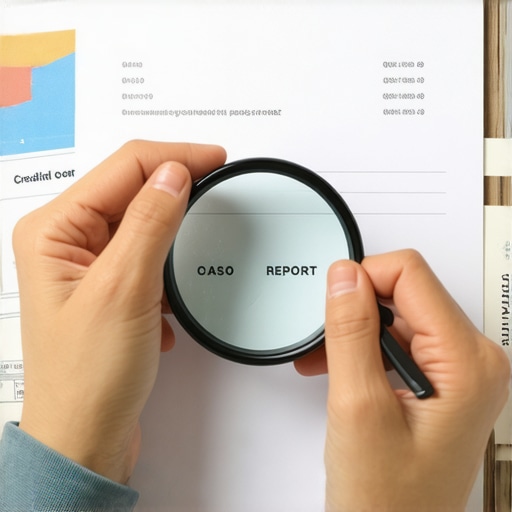
The first actionable step is to obtain your credit reports from the three major bureaus: Equifax, Experian, and TransUnion. You can do this for free once a year through AnnualCreditReport.com or via trusted services like dispute credit errors like a pro. Once you have your reports, review each line meticulously. During my own review, I found a rental payment that wasn’t reported, which in turn improved my score when I got it added.
Identify and Dispute Inaccuracies
Errors such as outdated accounts, incorrect personal information, or wrong balances can artificially lower your score. Think of errors as weeds choking your credit garden; you need to pluck them out. To dispute errors effectively, follow a proven process outlined in how to dispute errors. Keep copies of dispute letters and send them via certified mail. Be persistent—sometimes, bureaus need multiple requests to update their records. My experience taught me that clear documentation and regular follow-up are key to swift corrections.
Optimize Your Credit Utilization and Payment History
Once inaccuracies are resolved, focus on core factors lenders weigh heavily. Payment history accounts for about 35% of your score, so paying bills on time is non-negotiable. Use automatic payments or reminders to ensure punctuality. Additionally, keep your credit utilization ratio below 30%—preferably under 10%—by paying down balances or increasing your available credit. After adjusting my spending habits, I noticed a tangible boost within a month, making my score more attractive to lenders.
Leverage Authorized User Status Wisely
Adding yourself as an authorized user on a reputable credit card can rapidly improve your credit history. This strategy works best when the primary holder maintains low balances and pays punctually. Think of it as inheriting a well-maintained garden—your credit benefits from their care. Be cautious, though; if the primary account holder defaults, it could backfire. Always verify the account’s standing before using this tactic.
Dispute Old and Unverifiable Accounts
Old accounts or those with unverifiable information can drag your score down. Use a swift dispute method to remove outdated data, especially if the account is beyond the statute of limitations. During my cleanup, I submitted targeted disputes with specific documentation, leading to the removal of a decade-old collection that had been unnoticed for years, significantly raising my score.
Seek Professional Guidance When Needed
If the process becomes overwhelming, consider consulting reputable credit counselors outlined in credit counseling guide. They can help craft a personalized repair strategy, negotiate debt reductions, or set up certified debt management plans. Remember, expert assistance can accelerate your progress and help you avoid common pitfalls.
Many people approach credit repair with a simplistic mindset, believing that disputing inaccuracies alone will dramatically raise their scores. However, this can be a trap if misunderstood. For instance, disputing outdated or unverifiable accounts without understanding the nuances of credit bureaus’ review process often results in delays or denials, wasting valuable time and effort. According to a 2023 report by FICO, only about 20% of disputes lead to corrections if not executed with a strategic plan. It’s essential to recognize that not all errors are created equal; prioritizing disputes on accounts that significantly impact your score, such as late payments or high utilization, yields better results.
Many think that credit counseling or repair agencies can instantly fix their credit issues. But the truth is, most success depends on your active participation and understanding of the process. Relying solely on third-party services without grasping the underlying factors can lead to disappointment. Moreover, some believe that paying off all debts immediately will boost their score—yet, if done incorrectly, such as closing old credit accounts prematurely, it can actually lower your score due to reduced credit age and mix.
So, what’s the hidden mistake most overlook?
Are You Disputing the Right Errors or Just the Easy Ones?
Many fall into the trap of disputing minor errors that won’t move the needle, while ignoring more impactful issues like high credit utilization or a thin credit history. The key is to focus your efforts where they’ll make the biggest difference. Studies suggest that addressing the core factors—payment history, amounts owed, length of credit history—provides the most substantial boost. For advanced tactics, leveraging strategies such as adding authorized users or optimizing credit mix can be game changers. Learn more about these effective techniques in [the ultimate blueprint for effective credit repair](https://creditrenewals.com/the-ultimate-blueprint-for-effective-credit-repair).
Beware of the fallacy that disputing errors is a quick fix—it’s part of a larger, strategic approach. Disputes should complement broader efforts like debt reduction, strategic use of credit, and consistent on-time payments. Failing to see the full picture often leads to what I call the ‘dispute cycle’: endless challenges without meaningful improvement. To truly master your credit, understand that this process requires patience, knowledge, and precise action.
If you’ve ever fallen into this trap—aiming disputes at easy errors while neglecting bigger issues—you’re not alone. Recognize that effective credit repair is about smart targeting and sustained efforts. Want deeper insights? Check out [credit repair secrets and proven steps to boost your score fast](https://creditrenewals.com/credit-repair-secrets-proven-steps-to-boost-your-credit-score-fast).
Have you ever fallen into this trap? Let me know in the comments.
Keeping Your Credit Repair Momentum Going
Once you’ve made significant strides in repairing and improving your credit, maintaining those gains requires consistent effort and the right tools. Personally, I rely on a combination of specialized software and systematic routines to ensure my credit stays in top shape. One indispensable tool I use is Credit Karma. While it’s widely known as a free service for monitoring your scores, I specifically appreciate its frequent updates and detailed reports. This allows me to spot any discrepancies or new inquiries immediately, ensuring I can act swiftly if needed.
Another software I highly recommend is MyFICO. Unlike generic credit monitoring apps, MyFICO provides access to the actual FICO scores lenders see. I use it monthly to track specific score factors via their detailed analytics, helping me understand how different actions impact my overall creditworthiness. The insights from MyFICO made a tangible difference when I optimized my credit utilization—leading to a steady increase over time.
Beyond digital tools, establishing a routine for ongoing credit management is crucial. I set calendar reminders to review my reports at least quarterly, referencing the importance of regular reviews. Additionally, I automate bill payments whenever possible to ensure my payment history remains impeccable. Automated payments eliminate the risk of late payments, which are Major score detractors.
What’s Ahead for Credit Maintenance Tools?
Looking forward, I predict AI-driven platforms will become the norm, offering personalized recommendations for credit improvement and dispute strategies in real time. These advancements could revolutionize how effortlessly you can stay on top of your credit health. Continuing to leverage these emerging technologies, combined with proven tactics like strategic dispute filing as detailed in mastering credit disputes, will be key in long-term success.
How do I stay on top of my credit over time?
Consistency is the secret. I make it a point to review my credit reports at least four times a year, address any anomalies immediately, and stay informed about score factors through trusted sources. Incorporating tools like Credit Sesame or Experian helps me monitor my progress and catch issues early. Remember, proactively managing your credit can also preempt severe problems before they escalate, safeguarding your financial future.
If you’re serious about taking control, try setting up automated alerts and reports using trusted software. As an added tip, use advanced strategies to boost your score alongside maintenance routines for optimal results. Now’s the perfect time to implement these tools and routines—your future self will thank you!
Throughout my journey to improve my credit, I discovered that the most crucial insights often remain concealed behind paywalls or opaque scoring models. The real lesson was understanding that your authentic credit score—the one lenders actually use—is frequently out of sight, intentionally protected, yet absolutely vital for your financial success.
Lessons That Shifted My Approach to Credit
- Don’t Rely Solely on Free Scores: They provide a ballpark, but your actual FICO score—the one lenders see—can vary significantly. Relying on free versions is like judging a book by its cover; it won’t tell you the full story.
- Disputing Minor Errors Isn’t Enough: Focus on high-impact issues like payment history and credit utilization. I learned that targeted disputes on significant errors yield faster, more meaningful improvements.
- Regular Review Is Non-Negotiable: Annual checks aren’t enough. Consistent monitoring helps catch inaccuracies early and keeps your efforts on track.
- Strategic Use of Credit Tricks: Authorized user status and credit mix adjustments can fast-track your score improvements, but they require careful planning and understanding.
- Beware of the Dispute Cycle: Endless challenges to minor inaccuracies can distract you from tackling core issues. Prioritize actions that move the needle.
Tools That Make a Real Difference in Credit Repair
- MyFICO: Provides access to the actual FICO scores lenders use, offering precise insights to guide your strategies.
- Credit Karma: Great for ongoing monitoring, quick alerts, and spotting discrepancies before they impact your score.
- Dispute.com: A reliable platform to streamline your error resolution process effectively.
- Credit Counseling Resources: For tailored guidance, explore reputable services like the ultimate guide to credit counseling that can help craft a customized repair plan.
Take Action Now: Your Future Starts Today
Remember, your credit health is not a set-it-and-forget-it matter. It demands deliberate effort, smart tools, and patience. The knowledge you gain today can unlock doors to better loan terms, higher limits, and financial peace of mind tomorrow. Don’t wait until a sudden denial shakes your confidence—start implementing these strategies now and watch your credit story transform.
What’s the first step you plan to take toward understanding your real credit score? Share your thoughts below—I’d love to hear your plans or experiences!
,