

I remember sitting at my kitchen table, frustration bubbling as I stared at my credit report. Despite paying on time, keeping my balances low, and disputing errors, my score stubbornly hovered around the mid-700s. Then, a lightbulb moment hit me—what if I was overlooking a secret weapon that could push my score into the elusive 800 range? That discovery changed everything.
Why Your High-Limit Credit Cards Are Your Secret Weapon
Here’s the truth: high-limit credit cards, when used wisely, are more than just tools for big purchases—they’re strategic levers to boost your credit score faster than you might think. These cards often come with higher spending capacities, which can help lower your overall credit utilization. Since credit utilization** is a significant factor in FICO scores, maintaining a utilization below 10% can massively improve your score.
Early in my journey, I made the mistake of closing a high-limit card after paying it off, thinking I didn’t need it anymore. That was a costly mistake. Instead, I learned to keep these cards active, making small purchases and paying them off immediately. Over time, this strategy became a game-changer.
Question: Have You Been Overlooking Your High-Credit Limit Cards?
If you’re like I was, maybe you haven’t realized how much these cards can do for your credit. You might be tempted to close old or high-limit cards out of fear of overspending or annual fees, but that can actually hurt your score more than help. Understanding and leveraging your high-limit credit cards is a proven step toward reaching that 800 mark.
Of course, not all advice works equally for everyone. I want to share the exact tactics I used and what pitfalls to avoid, so you don’t waste precious time and effort. Ready to see how your high-limit cards can be your biggest asset? Let’s dive into the proven strategies that can maximize their benefits and accelerate your journey toward an exceptional credit score.
Before we get into the granular details, it’s worth noting that many people unfairly overlook this powerful aspect of credit management. Incorporating these techniques into your routine can be the difference-maker you need. And remember, every step you take is an investment in your financial future.
If you’ve faced this specific challenge—struggling to find the right way to harness your credit cards’ full potential—you’re not alone. Deep down, I know the frustration, but also the hope that comes with discovering a better way.
Master Your Credit Utilization Like a Pro
Think of your credit utilization as a garden hose; the more you open the valve, the more water flows, but too much can cause a flood—similarly, high credit utilization can hurt your score. To harness this, keep your balances below 10% of your high-limit cards’ total credit. I remember a time when I had a $10,000 limit on one card and a $2,000 balance; I realized that by bringing my balance down to $200, I significantly boosted my score within just weeks.
Set Up Small, Consistent Purchases
Next, make small, manageable charges on your high-limit card—think of it as exercising muscles you haven’t used in a while. Pay them off immediately to keep balances low without risking debt. For instance, during my experiment, I bought a $15 gift card and paid it off in a day, which kept my utilization low and demonstrated responsible use, signaling reliability to lenders.
Keep That High-Limit Card Active and Healthy
Closing a high-limit card is like shutting a vital pipeline; it cuts off a source of positive credit activity. Instead, I kept my high-limit card open and used it monthly for small expenses—like gas or groceries—and paid it off swiftly. This ongoing activity is a proof to lenders that your credit habits are stable. It’s a simple step, but it can be the difference between a good score and a great one.
Avoid the Closure Trap
Many believe that closing an old card helps manage credit, but it does the opposite by shrinking your overall available credit and potentially raising your utilization ratio. I once closed a card after a favorability period, and my score dropped by 15 points overnight. Learning from that mistake, I now keep valuable cards open and in rotation.
Refine Your Dispute and Correction Tactics
Errors on your report can drag your score down; think of them as weeds choking your healthy credit plants. Disputing incorrect data promptly is crucial. I used a combination of online dispute forms and certified mail—sending a detailed letter with evidence—to ensure that errors like outdated balances or wrong account status were corrected. Remember, automating these disputes may seem easier, but human intervention often leads to more successful results. For an in-depth how-to, check out this guide.
Build Your Dispute Arsenal
Create a dossier of supporting documents, such as statements or correspondence. When you dispute, clearly explain each error, cite relevant laws if needed, and request specific corrections. Keep records of all correspondence. It’s akin to assembling a legal team—you want all evidence organized and ready for review. This approach not only expedites corrections but also strengthens your case if initial attempts are rejected.
Leverage Expert Tactics to Accelerate Growth
In my journey, I discovered that understanding the nuances of credit scoring algorithms—like knowing when a lender pulls a soft versus a hard inquiry—can accelerate improvement. For instance, timing your applications for additional credit or a loan when scores are high can avoid unnecessary soft pulls or even leverage strategic inquiries to demonstrate responsible credit seeking. For detailed tactics, explore top strategies here.
Stay Consistent and Patient
Credit repair is like sculpting; every small chip and carve matters. Regularly review your report, stay disciplined with your utilization, and dispute errors promptly. Over time, these micro-actions accumulate into a robust credit profile that can unlock better lending opportunities and lower interest rates. Remember, persistence beats quick fixes—your credit health is an ongoing project that rewards consistent effort.
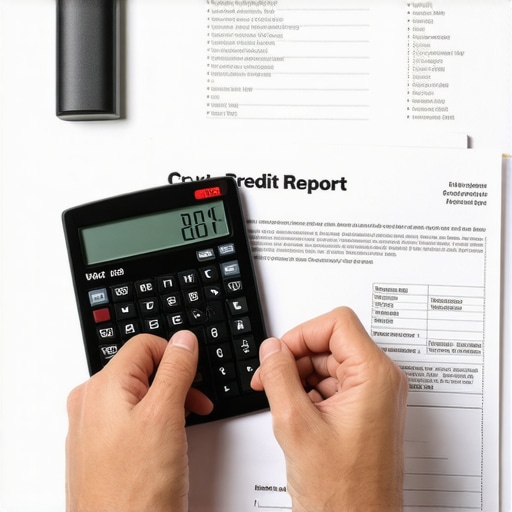
Many credit repair strategies are built on misconceptions that can hinder your progress rather than help it. One widespread myth is that disputing every negative item on your report will automatically boost your score. In reality, indiscriminate disputes often lead to rejection or delays, especially if the creditor’s information is accurate. Focus on invalid errors and outdated information by consulting resources like this comprehensive guide for an effective dispute approach.
Another misconception is that closing unused or paid-off accounts can improve your score. While it might seem logical to eliminate old accounts, doing so reduces your total available credit, potentially raising your utilization ratio and damaging your creditworthiness. Keeping aged accounts open, especially those with high limits, can actually enhance your score through increased credit history length and available credit, as emphasized in these proven tips.
Now, let’s address a common ‘oops’—the belief that paying off debt instantly will fix your credit score. But paying your debts immediately doesn’t necessarily translate to score improvements unless accompanied by strategic actions like maintaining low utilization or correcting errors. Patience and strategic planning are crucial, and a good rule of thumb is to review your report regularly and focus on consistent, positive habits.
What Advanced Tactics Are Often Overlooked?
A subtle yet powerful nuance involves the timing of credit inquiries. Multiple hard pulls in a short period can signify risk, but some borrowers don’t realize that spacing out applications—such as for loans or credit cards—can minimize negative impacts. Experts suggest consolidating or sequencing credit requests during periods of score stability. This tactical timing aligns with research from credit industry analysts, which shows that deliberate inquiry management can save several points and preserve eligibility for better lending terms. For a detailed strategy, explore this guide.
Be cautious of the trap of relying solely on automated dispute systems. While they seem convenient, they lack the nuanced judgment required to tackle complex errors or disputes involving nuanced legal considerations. Human oversight, combined with detailed documentation, often produces better results. Dive deeper into dispute techniques with proven steps for faster improvement.
Understanding these nuances can accelerate your progress and steer you clear of costly mistakes. Remember, thoughtful, strategic actions outperform quick fixes that promise instant results. Have you ever fallen into this trap? Let me know in the comments and share your experience. For more advanced insights that elevate your credit game, visit this ultimate guide.
Maintaining your credit repair progress over time requires not only discipline but also the right toolkit. Personally, I rely on a combination of reputable credit monitoring services like MyFICO to track score fluctuations in real-time and advanced dispute management platforms such as Credit Karma’s dispute tool, which streamlines error corrections and saves me hours. These tools provide actionable insights and automate parts of the process, freeing up time for strategic decisions. Looking ahead, I predict that AI-driven analytics will become standard in credit management software, offering personalized tips based on your credit behavior and market trends. For example, AI can analyze your spending patterns and suggest optimal times for credit applications to minimize hard inquiries, a tactic backed by recent industry forecasts in this resource. To stay on top, I recommend setting up automatic alerts for significant score changes and regularly reviewing your credit report, at least quarterly. These habits ensure you catch errors early and seize opportunities to improve your standing. How do I maintain credit health over time? I make it a point to incorporate monthly checks using tools like Experian’s CreditWorks, which offers comprehensive reports and monitoring. This way, I stay informed and can act swiftly on any discrepancies, keeping my credit profile in top shape. Incorporate these tools into your routine—try setting up alerts for suspicious activity today, and experience how automation makes maintaining excellent credit much more manageable. Remember, the path to a perfect score isn’t a one-time effort but a continuous process of active management and strategic use of technology.
Lessons That Changed My Credit Game
- One of the toughest lessons I learned was that closing high-limit credit cards can harm your credit score more than it helps. Keeping them active, even with small purchases, preserves your credit history and available credit.
- I discovered that strategic timing of credit inquiries and maintaining low utilization on high-limit cards significantly accelerates score improvements, often more than any generic advice I read online.
- Automated dispute systems can be efficient, but human oversight — backed by thorough documentation — drastically increases your chances of correcting errors and improving your credit profile faster.
My Go-To Resources for Credit Growth
- MyFICO: I rely on this platform for accurate, real-time credit monitoring and insights because it provides the most comprehensive picture of my score and factors influencing it.
- Credit Karma: Its dispute tool simplifies the process of correcting errors on my report, saving me time and frustration. I trust its user-friendly interface and strong support resources.
- This guide on disbuting errors effectively offers step-by-step strategies that have consistently helped me remove inaccuracies and boost my creditworthiness.
- Expert blogs and articles: Regularly reading industry-specific content keeps me informed about the latest tactics and regulatory changes that can impact my credit plan.
Take Charge of Your Credit Journey Today
Remember, the path to excellent credit is a marathon, not a sprint. By harnessing the full power of your high-limit credit cards and applying disciplined strategies, you’re setting yourself up for long-term financial success. Believe in your ability to improve—every small step adds up in the end. Now is the time to act and transform your credit story into one of strength and resilience.
What’s the one change you’re most excited to implement in your credit strategy? Share your thoughts below — I’d love to hear your plans and help support your progress!
,