

I was standing in the checkout line at my local supermarket, feeling pretty good about myself. I had my reusable bags, a coupon for oat milk, and that shiny store card I’d signed up for just to save twenty bucks on my first haul. But when I checked my credit monitoring app later that night, my heart sank. My score had dipped ten points for no apparent reason. It wasn’t a late payment; it was that innocent-looking card. I realized then that my grocery habit was actually sabotaging my financial future. We think we are being savvy by grabbing those 5% rewards, but behind the scenes, these cards act like a slow leak in a tire. Eventually, you’re driving on the rim, wondering why your interest rates on your car loan are suddenly sky-high. Today, I’m going to pull back the curtain on why these low-limit store cards are utilization killers and how you can reclaim your score without giving up your discounts. I want to show you why store credit cards are more dangerous for your score than the brochures ever mention.
Stop Letting Your Supermarket Loyalty Kill Your Score
Years ago, I made a classic rookie move. I figured that having more cards would increase my total available credit and help my score. It sounds logical, right? I signed up for three different retail cards in one month. I didn’t realize that key credit score factors every borrower must know include how individual card limits affect your profile more than the total sum. I maxed out a tiny $300 limit on a single trip to the bulk aisle, and my utilization ratio for that card hit 100% instantly. Even though my total debt was low, that one maxed-out card sent a red flag to the bureaus. According to the Consumer Financial Protection Bureau, retail credit card interest rates are often significantly higher than general-purpose cards, sometimes exceeding 30%, which makes even a small balance dangerous for your financial health. If you’ve ever felt like you’re doing everything right but your score won’t budge, this could be the culprit. Have you ever noticed your score take a hit after opening a simple shopping account?
Is a Store Card Really That Much Worse Than a Regular One?
People often ask if there is a real difference between a Visa from a big bank and a card from a grocer. The answer lies in the ceiling. Store cards typically offer much lower limits. When your limit is only a few hundred dollars, a single week of family grocery shopping can put you over the the 2-point rule for lowering credit utilization threshold before you even get to your car. You aren’t just paying for eggs and bread; you’re paying in points off your FICO. If you’ve already fallen into this trap, don’t panic. You can start mastering credit disputes if there are errors, or simply change how you pay. We need to look at the hidden costs of carrying a maxed out store card beyond just the interest. It’s about the opportunity cost of a lower score when you eventually need a mortgage or a real line of credit. I’ll walk you through how I fixed my own mess and how we can flip the script to use these cards without the credit hangover.
Win the Utilization Game with These Simple Moves
The fastest way to stop the bleeding is to understand that the credit bureaus are essentially photographers taking a snapshot of your debt once a month. If you wait until the due date to pay your bill, the snapshot has already been taken, showing a maxed-out card even if you pay it off later. I started using the 300 PM rule for same-day credit card payments to ensure my balance was near zero before the reporting date. Think of your credit limit like a small backpack; if you stuff it full, you look burdened and slow. By paying early, you keep that backpack light. You also need to apply the 2-point rule for lowering credit utilization, which means keeping your individual card usage under 10% whenever possible to signal to lenders that you are not desperate for credit.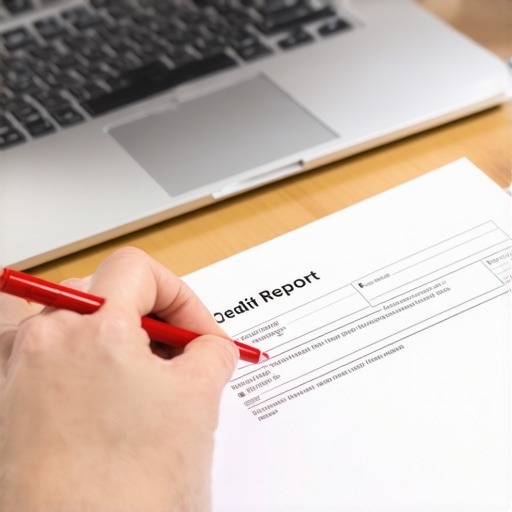
Force the Bureaus to Verify the Tiny Details
When I looked closer at my report after that supermarket incident, I noticed my retail card wasn’t just suffering from high utilization; it had a late payment mark from a month I knew I was in the clear. This is where you have to become a detective. You can dispute errors effectively by demanding specific records rather than just clicking a button on a website. Most people use those automated online portals, but those are often traps that limit your ability to provide evidence. I once spent a whole Saturday drafting a physical letter because a store card reported my limit as zero dollars instead of five hundred, making a tiny fifty-dollar purchase look like I’d overextended my life. It was a mess, but once I provided the original agreement, my score jumped forty points in a single month. You must learn to dispute errors like a pro by using certified mail and keeping a paper trail that creditors cannot simply ignore.
Decide if You Need a Financial Wingman
If your shopping habits turned into a mountain of retail debt across five or six different cards, you might need more than just a few dispute letters. This is where how credit counseling can transform your financial future comes into play. It is like hiring a professional navigator when you are lost in a storm. These experts can often negotiate lower interest rates on those thirty percent store cards that are eating your savings alive. I have seen friends use these programs to boost your credit score in 2025 by consolidating high-interest retail debt into one manageable monthly payment. Whether you go the DIY route or seek professional guidance, the goal is to unlock your credit score potential by removing the high-utilization anchors that keep your FICO submerged. By taking control of the data being reported, you stop being a victim of your own loyalty cards.Most people assume that because a credit counseling agency is labeled a ‘non-profit,’ they are automatically on your side. In reality, the truth about most non-profit credit counselors is that many are funded directly by the banks and creditors you owe money to. Their primary goal isn’t necessarily to maximize your FICO score, but to ensure the bank recovers as much debt as possible. This is where the science of credit repair becomes a personal journey of advocacy. You have to decide if you want a rigid debt management plan that might look like a ‘partial bankruptcy’ to future mortgage lenders, or if you want to aggressively dispute errors effectively on your own terms.
Does Your Dispute Letter Actually Reach a Human Being?
Here’s a nuance that even the ‘gurus’ often miss: if you use a generic template from the internet, you’re likely getting caught in an automated OCR (Optical Character Recognition) filter. According to a report by the National Consumer Law Center, the three major bureaus frequently use automated systems that boil your detailed, multi-page dispute down to a mere two-digit code. To win, you must stop settling for verified and demand these specific records. You want to see the actual signed contract or the digital fingerprint of the original transaction, not just a digital ‘yes’ from the creditor’s database. This is the only way to master credit disputes and force a manual review by a human investigator.  One major ‘oops’ factor I see constantly is the ‘burn the bridge’ approach. Understanding why you should never dispute an account you still use daily is a lesson learned the hard way by many. If you challenge a legitimate late payment on a card you still use for your daily commute or groceries, the bank might just close the entire line of credit out of ‘risk management.’ You might gain a few points by removing the late mark, but your score will ultimately plummet because your average age of accounts just got cut in half. You have to be surgical in your approach. If you’re feeling overwhelmed by the technicalities, exploring how credit counseling can transform your financial future is a great step, but only if you choose an advocate who understands these fine-tuned risks. Have you ever fallen into this trap or had a dispute backfire on you? Let me know in the comments below.Once you’ve cleared the hurdles of high utilization and corrected those initial reporting mistakes, the real challenge begins: staying there. I don’t rely on the ‘set it and forget it’ mentality because the financial system is too volatile for that. I personally keep what I call a ‘Credit Fortress’ folder—a physical expanding file where I store every monthly statement from those tricky store cards and every certified mail receipt. Why physical? Because in a world of digital glitches, a paper trail is your only shield if a bureau decides to re-insert a deleted error. You need to learn the science of credit repair to understand that maintenance is just as technical as the initial cleanup. I also use specific notification triggers on my banking apps set to alert me the moment a balance exceeds 5% of the limit, not 30%. This gives me a head start to dispute errors effectively before they even settle into the bureau’s monthly snapshot.
How can I keep my credit healthy for the long haul?
Maintenance is about consistency and the right equipment. I recommend using a dedicated spreadsheet to track the ‘statement closing dates’ of your cards, which are often different from your ‘due dates.’ If you want to boost your credit score in 2025, you have to play the calendar better than the banks do. This is the ultimate blueprint for effective credit repair: knowing exactly when the data is transmitted. For those who feel overwhelmed, how credit counseling can transform your financial future is often found in the budgeting tools they provide, which help you automate these payments so you never have to worry about a human error tanking your points again. 
The AI Revolution is Changing How Bureaus Score You
Looking ahead, we are entering the era of trended data and AI-driven scoring models like FICO 10T. This means the bureaus aren’t just looking at your balance today; they are looking at whether your balances are growing or shrinking over the last 24 months. To stay ahead, you must how to dispute errors on your credit report and improve score by ensuring your historical data is as clean as your current data. Under Section 611 of the Fair Credit Reporting Act (FCRA), credit reporting agencies are legally obligated to conduct a ‘reasonable reinvestigation’ of any information you dispute, a standard that is becoming harder for them to meet as they move toward fully automated AI systems. This is your leverage. I predict that the most successful consumers in the next few years will be those who move away from digital portals and back to high-quality, physical documentation that forces a human eye on their file. My challenge to you: pick one store card this week, find its statement closing date, and ensure the balance is under 5% at least three days before that date. See how your score reacts to that precision.
The Invisible Wall Between Good and Great Credit
One of the hardest lessons I learned is that the credit bureaus don’t reward you for being ‘responsible’—they reward you for looking profitable and low-risk on paper. You could pay every bill on time for twenty years, but if you carry a $250 balance on a $300 store card, you look like a liability. I realized that credit repair is actually about narrative control. You have to ensure that key credit score factors every borrower must know are working in your favor, not against you. Don’t fall for the trap of thinking your loyalty to a brand translates to loyalty from a lender.
My Personal Kit for Beating the Bureaus
I don’t leave my financial future to an app’s algorithm. Instead, I rely on a few ‘old school’ tactics that have saved my skin more than once. First, I always keep a copy of the ultimate blueprint for effective credit repair tucked away for when a new error pops up. Second, I use the easiest way to track your fico score for free to check my numbers every Tuesday morning. #IMAGE_PLACEHOLDER_E# Finally, never underestimate the power of a physical scanner. Digitizing your certified mail receipts is the only way to dispute errors effectively when the bureaus claim they never heard from you.
Take Back Your Financial Narrative
Your credit report is the biography that banks read before they decide to help you build your life. If that biography has typos or unfair chapters written by high-interest retail cards, you have the legal right to edit them. By using proven repair techniques in 2025, you aren’t just ‘fixing a number’; you are reclaiming your power to buy a home, start a business, or simply live without the weight of high interest. It takes time, but a better credit score is the ultimate foundation for the life you want to lead. Have you ever had a store card limit that felt like a trap instead of a benefit? Share your story in the comments so we can help each other out!