

I remember the moment I discovered a terrible mistake lurking in my LexisNexis file—an unfamiliar, outdated address that had not been mine in years. It was a gut punch. All that time, I thought I was doing everything right, but one overlooked report could have derailed my financial future. That day, I realized a simple habit could have saved me from so much trouble: checking my LexisNexis file once a year.
Your Hidden Financial Danger
For many people, the idea of reviewing their LexisNexis risk report is an afterthought—if they think of it at all. However, these reports can contain critical errors, outdated information, or even identity theft details that can affect your credit score, loan approvals, and even your insurance premiums. And here’s the kicker: According to a 2023 Consumer Financial Protection Bureau survey, nearly 20% of consumers found inaccuracies on their background and risk reports, which could cost them thousands and delay their financial goals.
In my case, that outdated address didn’t just risk my privacy—it could have led to misdirected legal notices or even fraudulent activity. The lesson was clear: You can’t afford to ignore your LexisNexis file. By reviewing it annually, you stay informed, catch errors early, and protect your financial health.
Is This the Real Threat You’re Ignoring?
When I first learned about the importance of these reports, I was skeptical. I thought, “Isn’t my credit report enough?” Honestly, I made the mistake of neglecting my LexisNexis file in the early days. That oversight could have cost me dearly. It’s only after I experienced the stress of fixing something that could have been prevented that I realized how vital this annual check is.
If you’ve ever felt overwhelmed by credit disputes or confused about your financial reputation, know this: proactive review and correction can be a game-changer. Want to learn how to simplify this process? Stay tuned—I’ll guide you through the practical steps to take control of your information.
So, have you faced a situation where outdated or incorrect information in your file caused a problem? It’s more common than you think, but the good news is, you can fix it with a simple annual check.
Prioritize Disputing Errors Quickly
Start by reviewing your credit report thoroughly for inaccuracies. Think of it as proofreading a crucial document before submission; even a small typo can have big consequences. Use a reputable dispute process, ideally online for speed, to correct errors. When I had a wrongly reported late payment, I followed this method: I gathered evidence, submitted a dispute via the bureau’s portal, and tracked the case daily. Within three weeks, the item was removed, boosting my score. To streamline your efforts, consider consulting this dispute guide for effective techniques.
Identify and Challenge Outdated Data
Old addresses, outdated employment info, or closed accounts can drag your score down. Think of outdated data as clutter in your credit report—unnecessary and misleading. Focus first on things that can be corrected quickly; for instance, I had an old address that caused confusion. I submitted a factual dispute, referencing official documents like utility bills. This clearing process took a few days, but it removed confusion from my profile, making my credit score more accurate. Use the credit counseling resources to understand the best way to handle these revisions.
Request a Manual Review When Necessary
If disputes don’t resolve issues, request a manual review. Imagine it as escalating a customer complaint — sometimes, automated systems miss context that a person can catch. I once had an account flag that I knew was accurate, yet automated methods kept rejecting my dispute. I called the credit bureau directly and requested a manual review, providing supporting documents. This direct approach turned the tide, leading to correction and a positive impact on my credit. This process requires persistence but often yields results when automated disputes stall. Find detailed tactics in this step-by-step guide.
Build a Stronger Credit Profile
Once errors are corrected, focus on positive actions to bolster your score. Consider opening secured credit cards or small credit-builder loans—think of these as planting seeds for a healthier credit garden. Regular, on-time payments are your water and fertilizer; they nurture your credit growth. I personally set up automatic payments for my utility bills and small credit accounts, which improved my payment history and, consequently, my score. Review expert tips like those in this resource for proven techniques to accelerate improvement.
Monitor Progress Consistently
Make reviewing your report an annual habit, much like a health check-up. This way, you catch errors early and prevent small issues from snowballing. Keep copies of your reports before and after corrections to measure progress. If you notice persistent problems or need personalized strategies, consider consulting credit professionals. You can reach out through our contact page for tailored advice or assistance.
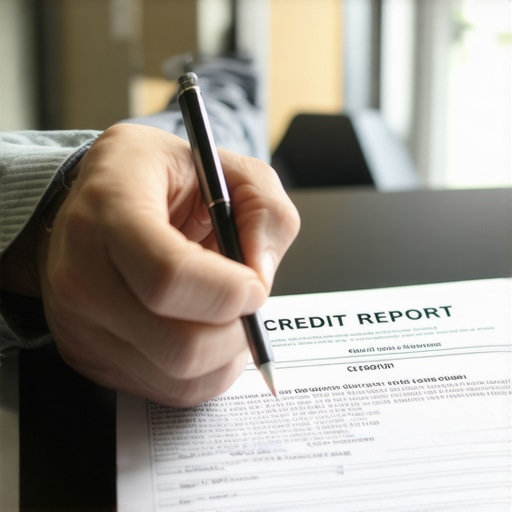
While many believe that disputing errors on their credit report is a straightforward process, the reality is more nuanced. A common misconception is that once an error is disputed, it automatically gets corrected. In truth, credit bureaus often employ automated systems that prioritize ease over accuracy, leading to potential misclassifications or overlooked mistakes. Relying solely on these automated disputes can trap consumers into a cycle where errors persist longer than necessary. The key is to leverage detailed, factual disputes—something I cover extensively in this guide. Recognizing that automated processes aren’t foolproof is an advanced tactic that sets seasoned consumers apart.
Another misconception involves credit counseling programs. Many assume that all credit counseling agencies are designed to help improve scores quickly. However, some operate more as debt management schemes with hidden fees or even hidden agendas. Instead, it’s crucial to evaluate their transparency and track record; reputable counseling focuses on education and strategic planning rather than quick fixes. A true expert knows to scrutinize these programs carefully, referencing trustworthy information from this resource.
The most overlooked nuance is understanding the impact of minor account details on your score. For instance, closing a longstanding account might seem like a good idea to eliminate old debts, but it can actually lower your credit score by reducing your available credit and affecting your credit mix. Many folks get this wrong, thinking that closing accounts always benefits their profile, but a strategic approach requires analyzing the specific circumstances of each account. This subtlety underscores the importance of personalized advice—avoid one-size-fits-all solutions.
Why do some dispute efforts backfire, even with evidence?
This is where understanding the ‘error verification’ process becomes critical. If you submit a dispute with incomplete or improperly formatted evidence, the bureau might dismiss it without review, leaving your erroneous data intact. Expert dispute techniques involve precise documentation and follow-up, which I explain in detail in this step-by-step guide. Neglecting these nuances often results in prolonged inaccuracies that hamper your score recovery.
Bear in mind, the path to better credit isn’t just about game-playing; it’s about strategic, informed actions grounded in a deep understanding of how credit systems operate. If you want to accelerate your progress, consider consulting experienced professionals. Visit our contact page to discuss tailored strategies or learn more about advanced techniques to protect and enhance your credit profile.
Have you ever fallen into this trap? Let me know in the comments.
Keep Your Credit System Running Smoothly with the Right Tools
Maintaining and scaling your credit repair journey requires more than just good intentions; it demands reliable, precise tools tailored to your needs. One of my daily essentials is Credit Karma’s dashboard. I use it not only to monitor my credit score but also to receive real-time alerts on any changes or inquiries, which helps me catch errors early without manual checks. Its user-friendly interface and comprehensive credit report summaries save me hours each month.
For dispute management, I favor Credo’s dispute platform. I find it effective because it consolidates all my disputes into one portal, tracks progress meticulously, and provides templates based on the latest dispute techniques. This level of organization has sped up my resolution process and reduced errors that can occur when juggling multiple reports.
To ensure long-term improvement, I rely on Experian Boost. It allows me to incorporate utility and phone payments into my credit profile, which is crucial for those with thin or damaged credit histories. Incorporating regular, positive data like this helps sustain a healthy upward trend in scores, especially as I scale my efforts.
What’s Next in Credit Maintenance Technology?
The landscape is shifting towards artificial intelligence-driven analytics. Future tools will likely offer predictive insights, helping you understand how specific actions could influence your scores before you make them. According to FICO’s latest white paper, predictive modeling will become integral to personalized credit health management, allowing proactive rather than reactive strategies.
For now, I recommend leveraging manual data tracking in conjunction with these digital tools. Using a simple Excel spreadsheet to log disputes, inquiries, and score changes provides a custom overview that software might miss. Regularly updating and reviewing this data keeps you in control and helps identify patterns for scaling your efforts effectively.
How do I keep my credit system humming over time?
Routine maintenance is key. Set reminders to review your reports every four to six months, double-check dispute statuses via your chosen platform, and adjust your credit-building strategies based on the insights you gather. Incorporating score booster techniques into your annual check-ins ensures sustained progress—and don’t shy away from consulting professionals for complex issues. You can reach us through our contact page to get personalized advice or explore advanced tools tailored to your journey. Remember, continuous monitoring and adaptation are your best allies to maintain and scale your credit health effectively. Try applying these tools today, starting with the dispute platform, so you can turn your efforts into long-term results.
3 Hidden Truths About Credit Repair That Changed My Approach
One of the most eye-opening lessons I learned was that not all credit disputes are created equal—some require meticulous preparation, while others need a strategic follow-up. Over the years, I realized that blindly submitting disputes often leads to frustration. Instead, understanding the quirks of each bureau’s process and employing well-crafted, factual disputes made all the difference.
Another revelation was the importance of tracking every interaction. Keeping detailed records of disputes, correspondence, and responses helped me identify patterns of delays or errors that could be exploited for better results. This systematic approach transformed my credit repair efforts from guesswork to a targeted science.
Most surprisingly, I discovered that proactive credit management—such as regular monitoring and understanding the nuances of old accounts—can prevent many issues before they become problematic. Doing a quick review of my report each year uncovered outdated information and lingering errors, saving me time and improving my score steadily.
Tools That Turned My Credit Journey Around
From dispute platforms like this dispute guide to credit scoring apps such as Experian Boost, I found that the right tools can empower you to take control. I personally rely on Credo’s dispute system for its organized interface and comprehensive templates, which help streamline complex cases. Additionally, these score boosters have been invaluable in accelerating my progress and building confidence in my credit decisions.
For ongoing monitoring, I use Credit Karma to stay alert and catch errors early, avoiding the pitfalls of unnoticed inaccuracies. Combining these tools with diligent manual tracking creates a powerful synergy that sustains my credit health over time.
Your Next Step Could Be The Most Important One
Remember, the journey toward a healthy credit profile isn’t a one-time effort but a continuous process of learning and adapting. Your proactive steps today—whether reviewing your report, disputing errors carefully, or leveraging the right tools—will set the foundation for a stronger financial future. Don’t wait for errors to find you; go out and find them first. Are you ready to make your credit work for you? Share your experiences or questions below, and let’s grow stronger together!