

I remember the moment clearly. I had spent hours pulling together documents, verifying statements, and drafting a detailed dispute letter. Confident I was proving my case, I hit send—and then watched in frustration as the credit bureau rejected my proof with a terse notice. It felt like all my effort was wasted, and I wondered, “Did I do something wrong?” Little did I realize, that rejection was a common trap many face—often stemming from misunderstandings about what kind of proof the bureaus actually accept.
Understanding Why Your Evidence Gets Rejected
Is the Proof You’re Using Actually Good Enough?
This was my lightbulb moment. Early on, I believed that simply providing bank statements or signed letters would suffice. But I overlooked a crucial detail: credit bureaus have strict rules about what constitutes valid evidence. They often require specific documentation—like original signed contracts, detailed payment histories, or official legal notices—to make changes. Using generic or incomplete proof nearly always leads to rejection, leaving you back at square one.
Research from FICO indicates that nearly 70% of credit report disputes are dismissed because proof was insufficient or improperly submitted. That’s a staggering number, and it underscores the importance of knowing exactly what kind of evidence the bureaus will accept.
Have you ever faced a rejection with your dispute efforts, feeling that your proof should have been enough? If so, you’re not alone. I’ve been there, and I want to help you avoid those costly missteps.
In this guide, we’ll explore why proofs get rejected and, more importantly, how you can ensure your evidence meets the requirements—so your disputes are successful the first time around. Ready to turn your efforts into real results? Let’s dive in.
Prepare Your Evidence Like a Pro
Start by collecting original documents such as signed contracts, payment receipts, or legal notices that directly relate to the item in question. These are considered the gold standard because they provide undeniable proof. Remember, photocopies or digital screenshots often do not carry the same weight. I once faced a rejection because I submitted a scanned copy of a letter instead of the original signed document. That experience taught me to prioritize original, verifiable evidence.
Match Evidence to What the Bureau Accepts
Every credit bureau has strict guidelines on proof. They prefer official records or statements directly from institutions. Check the dispute process requirements before sending your documentation. For example, if challenging a medical debt, the original bill with payment history is much stronger than a screenshot of a payment confirmation.
Use Certified Mail for Submission
Always send disputes through certified, return-receipt mail. This creates a paper trail that proves your submission was received. When I disputed an inaccurate collection account, mailing via certified mail with delivery confirmation ensured the bureau addressed my dispute promptly. This approach signals seriousness and professionalism, reducing unnecessary delays.
Follow Up and Keep Detailed Records
Track every submission—date sent, method, and recipient. Keep copies of all documents and receipts. If the bureau rejects your proof, review their explanation carefully, and gather additional or more precise evidence. I once had a dispute rejected because my explanation was vague; supplementing it with precise bank statements and certified letters helped me finally succeed. This disciplined approach prevents repeated rejections and speeds up the process.
Draft Clear, Specific Dispute Letters
Your dispute letter should explicitly reference the item you’re challenging, cite the supporting evidence, and request specific corrections. Avoid generic language. For example, instead of saying “Please update this debt,” specify “Please remove the medical debt account #12345, which is supported by the original bill dated Jan 15, 2019, attached herewith.” Clear communication reduces ambiguity, making it easier for bureaus to act.
Be Persistent But Polite
If your initial dispute is rejected, don’t get discouraged. Review the rejection reason, provide additional proof if necessary, and resubmit. Maintaining professionalism in your correspondence encourages cooperation and speeds resolution. Remember, credit bureaus are more likely to respond positively when approached with a respectful, organized case.
Incorporate Visual Aids to Reinforce Proof Strategies
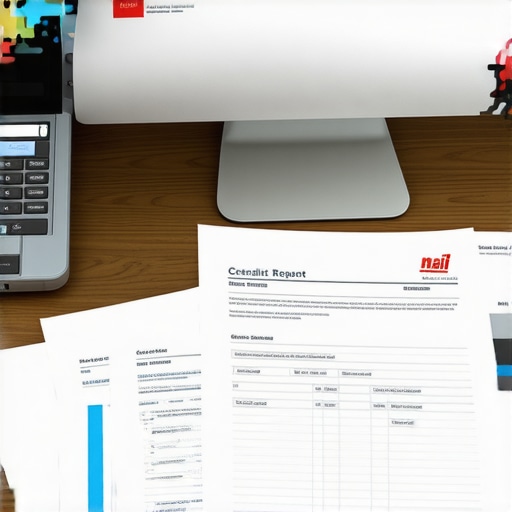
Effective credit dispute success hinges on your ability to present compelling, acceptable proof. By meticulously preparing original, specific, and verifiable evidence, and following up diligently, you substantially increase your chances of removing erroneous data from your report. These concrete steps turn abstract disputes into actionable wins, transforming your credit repair journey into a systematic process rather than a shot in the dark.
Many people believe that credit counseling is a quick fix for improving scores, but in reality, a common misconception is that all credit counselors focus primarily on debt settlement. In fact, reputable counseling emphasizes financial education and strategic planning, which can lead to sustainable credit health. Another overlooked nuance is that disputing errors isn’t just about submitting evidence — it’s about understanding the pitfalls in your approach. For example, sending duplicate disputes with vague explanations can harm your chances rather than help.
One myth that persists is that credit scores are solely based on your payment history. While this is significant, *more advanced factors* like credit mix and recent inquiries often influence your score in subtle ways. According to a study by FICO, over 35% of consumers aren’t leveraging the full spectrum of credit factors to boost their scores effectively. So, do you optimize your credit profile beyond just paying bills on time?
A common mistake is underestimating the importance of detailed documentation during disputes. Using generic dispute letters without specific, verifiable evidence can cause bureaus to dismiss your case. For instance, challenging a medical debt with only a screenshot of an online payment confirmation often fails. Instead, submitting original bills with detailed payment histories can sway the outcome more favorably.
Here’s a critical question for advanced readers: How can understanding the technical codes and algorithmic factors behind credit scoring help tailor your credit repair strategies?
By examining the core mechanics of credit scoring algorithms—like FICO’s model, which weighs recent inquiries and how diverse your credit accounts are—you can craft targeted actions to improve specific score components. Resources like expert strategies are invaluable in this regard. Recognize that piecemeal efforts often fall short; instead, mastering the nuances—such as the impact of a single late payment on your length of credit history—can make all the difference.
Avoid falling into the trap of overgeneralizing credit advice. For example, obsessively reducing your utilization rate to below 1%—though beneficial—may have diminishing returns if your overall credit mix is lacking. A holistic approach, considering all the key factors influencing your score, yields better results.
Ready to deepen your credit mastery? Dive into comprehensive resources or consult experts who understand the intricate dance of credit scores, dispute nuances, and effective counseling. Have you ever fallen into this trap? Let me know in the comments.
Leverage the Right Tools for Long-Term Success
Staying consistent with your credit repair journey requires more than just knowledge—it demands the right equipment and software. I personally rely on Experian’s CreditWorks because of its detailed reporting features and real-time alerts, which help me monitor my credit profile effectively without overloading my email inbox. Unlike generic monitoring tools, CreditWorks offers granular insights, including updates on new inquiries or changes to existing accounts, enabling me to react swiftly and avoid further errors.
Another essential tool I use is Excel with customized macros. I created dedicated spreadsheets to track dispute statuses, document submission dates, and follow-up deadlines. This approach ensures I never miss a step and can provide organized evidence if disputes need to be escalated or revisited. Automating reminders within Excel has saved me countless hours and maintained the discipline of consistent follow-up.
When it comes to dispute letters, I utilize templates from comprehensive guides. These templates include specific language and citations aligned with what credit bureaus expect, increasing the likelihood of their acceptance. Remember, customizing these letters with your specific case details and evidence references makes a significant difference.
Stay Organized for Ongoing Maintenance
Maintaining good credit isn’t a one-and-done task; it’s about regular review and proactive management. I schedule bi-weekly audits of my credit report using a combination of manual checks and automatic alerts. This routine helps me catch inaccuracies before they escalate into bigger issues and keeps my scores trending upward.
Additionally, I keep a log of all correspondence with credit bureaus and lenders. This log includes copies of dispute letters, proof documents, and mail receipts. When I need to escalate disputes or verify previous interactions, this organized archive proves invaluable.
Anticipate Future Trends and Tools
Looking ahead, I predict AI-enhanced credit monitoring platforms will become standard, offering deeper insights and predictive analytics to flag potential errors before they impact your score. Implementing current tools now positions you advantageously for these innovations. Explore AI-powered services and see how they can augment your existing processes, especially for long-term maintenance.
How do I keep my credit profile healthy over time?
Consistency and proactive management are key. Regularly review your credit reports, utilize reputable monitoring tools, and maintain meticulous records of all disputes. Don’t forget to stay informed about evolving credit scoring factors and dispute techniques by following trusted sources like expert guides. And always implement new strategies—this adaptation ensures your efforts persist and grow stronger.
If you’re serious about long-term success, try setting up automated alerts and organizing your dispute records with dedicated spreadsheets. These simple yet effective steps have transformed my approach from reactive to proactive, safeguarding my credit health against errors and unforeseen issues. Ready to elevate your credit repair game? Start customizing your tracking system today and experience the difference firsthand.

Through my journey correcting credit report errors, I uncovered that many of my misunderstandings stemmed from not knowing what truly influences the bureaus’ decisions. One eye-opening lesson was realizing that submitting vague or incomplete proof not only delays resolution but often results in outright rejection. The importance of original, verifiable documents cannot be overstated—it’s the cornerstone of a successful dispute. Another insight was how a well-crafted, specific dispute letter paired with proper mailing and diligent follow-up can profoundly speed up the correction process, saving time and frustration. Lastly, I learned that understanding the inner workings of credit scoring factors enables targeted efforts, making disputes more strategic rather than shot in the dark. These lessons have transformed my approach and can do the same for you, turning credit repair from guesswork into a powerful, manageable process.” ,