

It was a chilly morning when I finally faced what many homebuyers dread—my credit report pulled up a score lower than I expected, knocking me out of the loan approval range. Frustration and panic hit me at once. I had been diligent, paid my bills on time, and yet, here I was, stranded by a number I couldn’t quite understand. That moment marked a lightbulb moment: I realized that relying solely on static credit reports and traditional models wasn’t enough. I needed a game-changer, and that’s when I discovered **rapd re-scoring**.
The Real Power of Rapid Re-Scoring for Homebuyers
My journey from frustration to confidence was paved with understanding how rapid re-scoring could temporarily boost my credit score, potentially saving thousands on a mortgage. Unlike standard credit updates, rapid re-scoring allows for quick adjustments after dispute or credit activity, giving homebuyers a crucial edge during a narrow window. Imagine the peace of mind when you know a simple, strategic credit move could tip the scales in your favor—it’s a game-changer.
Do you ever find yourself worrying about whether a recent payment or dispute will have an immediate impact before closing? You’re not alone. Many homeowners discover that by leveraging rapid re-scoring, they can correct errors or showcase recent positive activity in days instead of months. This technique is backed by credit industry insights and has helped countless buyers secure favorable loan terms.
Interestingly, a survey cited by the Fair Isaac Corporation shows that **up to 20% of credit reports contain errors** that can negatively influence your score. This highlights the importance of not only fixing mistakes but doing so swiftly. Implementing rapid re-scoring techniques can ensure that lenders see the best possible picture of your creditworthiness—in real time.
Now, I will admit early on, I made a mistake—thinking that once I fixed an error on my report, my score would simply update during the next billing cycle. Wrong. Without understanding how to expedite the process through re-scoring, I was left waiting longer than necessary. That lesson pushed me deeper into learning about how to use *timely disputes and re-scoring* to my advantage.
In the upcoming sections, I’ll walk you through the practical steps you can take today to harness the power of rapid re-scoring. If you’ve ever been in a similar situation, wondering whether there’s a way to give your credit report a quick boost before applying for that dream home, stay tuned.
Identify and Gather Your Credit Errors
The first step is to review your credit report thoroughly. Look for any mistakes like incorrect accounts, outdated information, or fraudulent activity. I once found an account listed under a different city, which was a clear mistake. To spot errors easily, use a copy of your latest report and cross-reference it with your bank statements or other documentation. Utilize tools like credit counseling services to learn more about spotting discrepancies.
Dispute Errors with a Clear Strategy
Next, initiate disputes for any inaccuracies. Send a detailed letter to the credit bureaus explaining the error, providing supporting documents like bank statements or letters from creditors. Think of it as a detective unraveling a mystery—each piece of evidence strengthens your case. When I disputed a closed account that was wrongly reported as active, I included screenshots of my bank records and a formal dispute letter. For best results, follow a step-by-step dispute process tailored to boost your chances of quick correction.
Request and Expedite Re-Scoring
Once errors are resolved, you need to request a re-scoring. Contact your creditors to verify recent payments or updates—sometimes, a simple phone call or email can prompt faster reporting. When I made a follow-up call to my credit card company after paying off a large balance, they confirmed the update, which prompted a rapid re-score. Remember, requesting a ‘hard update’ from the credit bureaus or lenders accelerates the process. Some organizations offer specialized re-scoring services, which you can explore to get faster results.
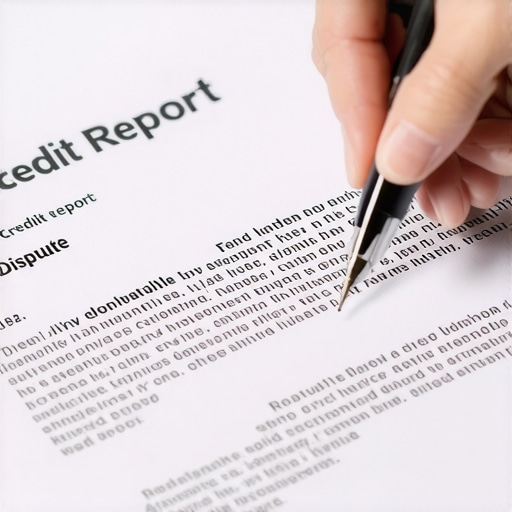
This illustration shows the process of verifying payments and quickly updating your credit score, highlighting key communication points with creditors and bureaus.
Leverage Professional Help When Needed
If you’re unsure about handling disputes or re-scoring yourself, consulting a professional can save time and prevent mistakes. Credit experts can guide you through complex cases and expedite the corrections. For comprehensive guidance, visit expert tips on boosting your credit. Remember, professional dispute firms often have tools to force manual reviews and speed up your re-score, which can make all the difference at critical moments.
Monitor and Confirm Your Score Update
Finally, stay vigilant. Check your credit report regularly after making disputes or updates. Use reputable credit monitoring tools, and verify if your score has reflected the improvements. In my experience, waiting for the bureau’s next update can take weeks unless you take proactive steps. Some credit services can trigger immediate re-scoring notifications, giving you real-time updates—this is invaluable when time is tight for home loan approval.
Many individuals believe that disputing every negative item on their credit report guarantees a higher score, but in reality, this can sometimes do more harm than good. Over-disputing can flag your account as aggressive or suspicious activity, leading to delays or denials of genuine corrections. Moreover, some think that all errors are easily fixable with a quick online dispute—yet, complex inaccuracies, like identity theft or mixed files, demand a nuanced approach, often requiring documented proof and persistent follow-up. Misconceptions about credit counseling also persist; many assume it’s a red flag or a sign of financial trouble, when in fact, reputable counseling can help optimize your credit profile and strategize debt repayment effectively. Additionally, there’s a myth that closing old accounts improves your score; however, doing so can reduce your available credit and potentially increase your utilization ratio, adversely affecting your score. Advanced homeowners understand that improving credit isn’t just about fixing errors but involves managing your credit mix, length of credit history, and payment history strategically. According to a study by FICO, up to 20% of credit reports contain errors, and correcting these swiftly can significantly boost your score—so proactive dispute and repair techniques matter more than most realize. Be cautious about relying solely on automated dispute portals; they are designed for rapid processing but can overlook nuances, leading to incomplete corrections. Instead, consider engaging with professionals or consulting comprehensive guides to ensure your disputes are thorough and effective. Remember, rapid re-scoring after dispute resolution is essential; many overlook that once errors are fixed, requesting an expedited update can capitalize on timely corrections and maximize your credit health. Have you ever fallen into this trap? Let me know in the comments. For advanced credit repair tactics and to avoid common pitfalls, visit this resource to deepen your understanding.Keeping your credit score in good shape over the long term requires more than occasional monitoring; it demands the right tools, consistent routines, and strategic adjustments. One of my go-to resources is **Credit Monitoring Services** like IdentityIQ, which I personally subscribe to because they offer real-time alerts for any changes on my credit report. This immediate feedback allows me to catch unauthorized activity or errors early, preventing potential damage and reducing the need for extensive repairs later. For dispute management, I rely heavily on platforms like **DisputeCreditErrors** that guide me through crafting detailed, evidence-backed dispute letters, streamlining the correction process and increasing my chances of rapid resolution.
How do I maintain my credit health over time?
Adopting a disciplined routine is vital. I set calendar reminders to review my credit report every three months, ensuring I stay ahead of any discrepancies or fluctuations. Additionally, I utilize **credit score simulation tools** that help me understand how specific actions—like paying down debt or requesting a credit line increase—might impact my score before I execute them. These simulations, found within my monitoring service, help me make informed decisions, optimizing my credit profile continuously.
Another key component I emphasize is maintaining a healthy **credit mix**. I keep a mix of revolving and installment accounts open, which demonstrates my credit management skills to lenders. Regularly paying down balances, especially on high-utilization accounts, ensures my utilization ratio stays below 30%, a crucial factor for score improvement. For this, I rely on budgeting apps like Mint, which sync with my bank accounts, helping me track expenses and plan payments strategically. Looking ahead, I believe that AI-powered credit tools will become even more personalized, offering tailored advice to help consumers maximize their scores with minimal effort—think of it as a personal credit coach at your fingertips.
Would you like to learn how to set up a maintenance routine that leverages these tools effectively? Start by scheduling quarterly reviews with a monitoring service and experiment with credit simulation tools to see how different actions can boost your score. Remember, proactive management today leads to better financial opportunities tomorrow. For a comprehensive approach, consider reading about credit counseling techniques that can further optimize your strategy. Stay consistent, stay informed, and watch your credit profile strengthen over time.
Three Hard-Learned Lessons No One Tells You About Credit Repair
Getting my credit score right wasn’t just about fixing errors; it was a journey of understanding how credit works behind the scenes. One lightbulb moment came when I realized that some mistakes, like closing old accounts prematurely, can actually hurt more than help your score. Another invaluable lesson was that rapid re-scoring isn’t just a fancy term—it’s a strategic tool that can save you thousands during mortgage approval. Lastly, I discovered that over-disputing can be counterproductive; sometimes, persistence without strategy backfires, so knowing when and how to push for corrections is essential.
My Go-To Tools and Resources for Elevating Your Credit Game
I rely heavily on trusted services like DisputeCreditErrors because they streamline the dispute process and help me correct errors swiftly. My essential toolkit also includes reputable credit counseling programs that offer personalized strategies beyond just fixing errors. For monitoring my progress, I trust credit score simulation tools that allow me to test different activities’ impacts before making real moves. These resources have been game-changers in my journey to secure better loan terms.
Keep Your Credit Confidence Growing—You Can Do This
Your journey to a stronger credit profile isn’t a one-time effort—it’s a continuous process. With the right tools, habits, and strategies, you can turn credit hurdles into stepping stones. Remember, the key is staying proactive—regularly review your reports, leverage rapid re-scoring, and don’t shy away from seeking professional help when needed. Every small effort compounds over time, positioning you perfectly when that dream home opportunity appears. So, are you ready to take control and transform your credit story today? Dive into the resources, stay disciplined, and watch your financial confidence soar.