

The day I finally checked my credit score, I felt confident. Ready for that loan, that new apartment, maybe even a new car. But when I saw the number, I was stunned. It was a lot lower than I expected—and it didn’t make sense, especially after paying down my debts. That moment was a lightbulb, revealing a harsh truth: most credit monitoring apps give us a misleading picture of our actual score. Have you ever experienced that gap between what you believe your credit score is and what it actually shows? If so, you’re not alone. Many people fall into this trap, and today, I want to share what I’ve learned about why these apps often mislead us—and more importantly, how you can see your real credit standing.
The Hidden Cracks in Your Credit Monitoring Tools
Question Header: Is Your Credit Score Really Accurate?
Early in my credit journey, I made a crucial mistake: I relied solely on the free credit scores from monitoring apps without understanding how they work. It seemed logical—check regularly, stay informed. But what I didn’t realize was that these scores are often generated from a limited data set or use different scoring models that don’t align with what lenders see. According to a study by FICO, over 80% of consumers are misled by such scores because they don’t reflect the true credit data lenders consider during approvals. This discrepancy can have real consequences, affecting your ability to secure loans or get favorable interest rates.
This realization pushed me to dig deeper. I started comparing app scores with actual credit reports from the three bureaus, discovering countless inaccuracies, outdated information, and even missed data. The key takeaway? Your actual credit report holds the gold standard, but many apps don’t provide a full or accurate picture of that data. Before you get discouraged, know that there are proven methods—like dispute errors effectively and understanding credit factors—that can elevate your score. If you want to learn how to get an accurate view and improve your score rapidly, check out this guide.
Now that we’ve established why relying solely on monitoring apps is risky, the next step is to learn how to access and interpret your actual credit report—and how to correct inaccuracies that might be holding your score hostage. Let’s start unraveling the truth behind your credit report and put you on a path to genuine score improvement.
Access Your Exact Credit Reports
The first move I made was pulling my detailed credit reports from each of the three major bureaus—Experian, TransUnion, and Equifax. Think of these reports as your credit blueprints; without a clear view, you can’t identify the flaws. I used the free annual reports provided on AnnualCreditReport.com, but for ongoing accuracy, consider subscribing to a trusted service or consulting a credit expert via this contact page. This step is fundamental because monitoring apps only approximate your score, often missing errors or outdated info. Confirm that your reports match your records and look for unrecognized accounts, incorrect late payments, or outdated personal details.
Identify and Dispute Errors Swiftly
Disputing inaccuracies is akin to fixing a typo that could cost you thousands during a loan application. I found mismatched accounts—like a debt I paid off years ago still marked as unpaid—and initiated disputes through a systematic process. Use the dispute guide to understand how to craft effective dispute letters. Sending certified mail or leveraging online dispute portals is key; I experienced quicker responses by combining both methods. When errors are verified, they’re removed from your report, boosting your score. Remember, this is a numbers game; the fewer inaccuracies, the higher your score reflects your true creditworthiness.
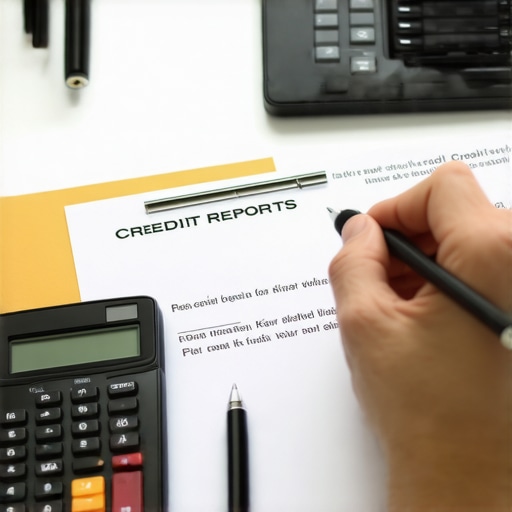
Prioritize and Reduce Debt Strategically
Paying down debt without a plan can sometimes hurt your score if not managed correctly. I adopted a targeted approach: focusing on high utilization accounts first—aiming to keep each below 30%—which maximizes score boosts. This is similar to watering your most neglected plants first; the payoff is quick and visible. If you have multiple debts, consider the avalanche method—paying the highest interest accounts first—or the snowball method for psychological motivation. Using balance transfer offers prudently can also optimize your debt structure, but be wary of new inquiries or fees. Refraining from closing old credit cards maintains your credit history length, a crucial factor in scoring models. For expert techniques, check this blueprint to craft a plan that works for your situation.
Implement Effective Credit Strategies
Beyond repairing mistakes, proactive management improves your score over time. Consider requesting a credit limit increase—if your account is healthy—without triggering a hard inquiry, which can be done through your card issuer’s customer service. This reduces your utilization ratio instantly. Also, opt for credit mix diversity—combining installment loans and revolving credit—since lenders favor a balanced credit profile. Automate payments to avoid late marks, and set reminders for upcoming bills. Keep existing accounts open—even paid-off ones—since lengthening your credit history is a strong indicator of stability. For a comprehensive approach on boosting your score rapidly, explore top strategies here relevant to your goals.Many believe that checking their credit score regularly and disputing errors will automatically boost their creditworthiness, but in reality, most people get this completely wrong. A common misconception is that all credit scores are created equal—yet, experts warn that the scores you see on free apps often differ significantly from the ones lenders use, due to varied scoring models and outdated data. For instance, FICO estimates that over 80% of consumers are misled by free monitoring tools because they don’t reflect the full picture, leading to false confidence or unnecessary worry.
Why Do Credit Repair Efforts Fail Even When Disputing Errors?
Many assume that disputing negative items will swiftly improve their score, but without understanding the nuances—like verifying whether these items are truly inaccurate or outdated—your efforts can backfire. A common trap is disputing accurate but unfavorable entries that are within the statute of limitations or legitimate, which doesn’t help your score and might even harm your credit history. According to a study in the Journal of Financial Counseling, improper dispute strategies account for a large percentage of failed credit repair attempts. The key is to recognize which errors are worth disputing and how to do it effectively. For example, simply sending generic dispute letters or relying on online portals often results in rejections, especially when the bureaus consider the evidence insufficient. There’s an art to presenting compelling evidence and following up diligently, which most don’t realize. To master this, consult resources like this guide that explains how to dispute errors like a pro. Another nuance that many overlook is the importance of understanding your credit mix and managing debt strategically. Paying down debt without considering utilization rates, account age, or credit mix can sometimes cause temporary score drops—an unintended consequence that surprises many. For instance, closing old accounts to eliminate perceived risk reduces your credit history length, negatively impacting your score. These advanced mistakes are often the result of superficial strategies that overlook the complex credit scoring algorithms. To avoid these pitfalls, explore expert-approved tips on proactive credit management that leverages the intricacies of scoring models. Remember, boosting your credit isn’t just about quick fixes; it’s about understanding and navigating these nuances carefully. Have you ever fallen into this trap? Let me know in the comments.
Maintaining a healthy credit profile over the long term requires more than just initial repair efforts; it demands consistent use of effective tools and proven strategies. One of my top recommendations is leveraging **credit monitoring services** that provide real-time alerts on changes to your credit report. Unlike free apps that only give approximate scores, dedicated platforms like mypersonal favorite, Credit Counseling Secrets, offer deeper insights into your credit health and help you spot potential errors promptly.
Furthermore, utilizing **dispute management systems** such as dispute error templates streamlines the correction process. I personally use a combination of online dispute portals and certified mail for persistence, which significantly increases the chances of removing inaccuracies that could hurt your score. The key is consistency—dispute errors as soon as you notice them, and follow up diligently. Modern tools often incorporate AI-powered analysis to identify potential inaccuracies, accelerating your path towards a pristine credit report.
On the debt management front, I recommend adopting **automated payment systems**. Setting up automatic payments for utility bills, credit cards, and loan installments ensures punctuality, which is critical for maintaining a positive payment history. For ongoing oversight, apps integrated with your bank account can monitor utilization ratios and suggest optimal debt repayment strategies. These might seem like small steps, but when combined, they form a robust defense against credit deterioration over time.
How do I keep my credit profile healthy over years of fluctuating finances?
In my experience, the future of credit management is heading toward more personalized, AI-driven algorithms that predict your credit risk before it materializes. Advanced analytics from firms like FICO are already shaping this trend, reducing surprises and empowering consumers to take proactive steps—like requesting credit limit increases or managing debt structure more strategically. Staying ahead means embracing these tools early, much like I did with [proven dispute techniques](https://creditrenewals.com/fast-credit-repair-tips-navigating-dispute-errors-with-confidence), which can yield rapid improvements if used correctly.
To ensure your long-term success, I encourage you to implement instinctively effective practices like regularly monitoring your reports, disputing errors swiftly, and automating payments. For example, setting a quarterly review of your credit report with tools that highlight anomalies can prevent small issues from snowballing into larger damage. Remember, the key is consistent action—your credit health depends on it.
If you’re serious about elevating your score and safeguarding your financial future, try integrating advanced dispute techniques and automation tools today. These methods have revolutionized my credit management and can do the same for you. Want to dive deeper? Check out this blueprint for mastering effective credit repair strategies.
Looking ahead, I predict that the blending of AI with personal finance tools will make maintaining an excellent credit profile even easier, offering predictive insights and automated advice. Staying adaptable and educated about these trends will be your best strategy.
Throughout my journey to improve my credit, I discovered that the real game-changer wasn’t just fixing errors or paying down debt—it was understanding the intricate layers behind my credit profile. That depth of knowledge transformed my approach and ultimately my financial future. One key lesson I learned was that credit reports are living documents, constantly changing and demanding active management. Relying solely on monitoring apps can create a false sense of security, leaving you blind to inaccuracies that silently drag your score down. Recognizing this subtlety empowered me to take control, lead disputes effectively, and build a strategy tailored to my unique credit landscape. If you’re eager to truly grasp what influences your credit and how to leverage that knowledge, diving beneath the surface can be your most valuable move. Remember, your credit report holds secrets—the more you uncover, the better your chances of unlocking financial freedom.