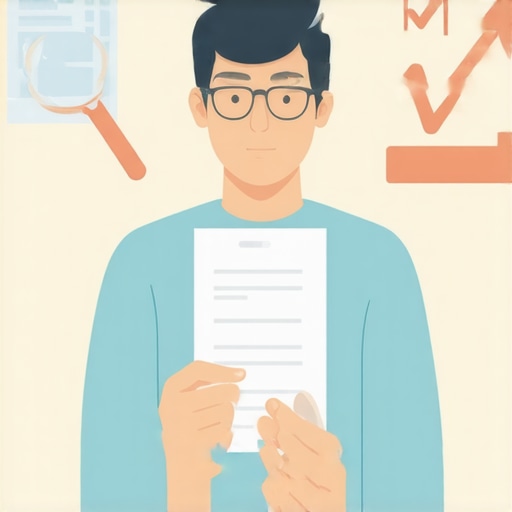
Top Strategies for Disputing Credit Errors & Improving Your Credit Report Fast
Have you ever stared at your credit report, feeling a mix of frustration and helplessness? I remember the exact moment I found a mistake on mine—an outdated late payment that wasn’t mine. It felt like a punch in the gut, knowing it was dragging my score down when I was doing everything I could to improve. That lightbulb moment made me realize something crucial: small errors can hold you back more than you think. But here’s the truth—those errors aren’t permanent. You can fix them, and I’ll show you how.
Why Fixing Credit Errors Is More Than Just a Good Idea
Your credit report isn’t just a bunch of numbers; it’s your financial reputation. Lenders, landlords, even some employers look at it before making decisions. An error can mean the difference between getting approved for a loan or facing rejection. According to a 2024 study by FICO, repairing credit errors can boost your score by an average of 40 points—enough to unlock better interest rates and financial opportunities. But here’s the catch: most people don’t realize how easy it is to dispute inaccuracies if you know the right steps. That’s where I went wrong early on—I ignored those errors, thinking they’d resolve themselves. Spoiler alert: they don’t. Instead, they stick around and hurt your score.
Is Disputing Credit Errors Really Worth It?
At first, I doubted it. I thought, “What’s the point? Will it really make a difference?” I made a costly mistake by rushing through the process without understanding the proper dispute techniques. That led to delays and even more errors remaining unchecked. But once I learned the proven strategies—like how to organize evidence and communicate effectively with credit bureaus—I saw real results. Now, I want to save you the hassle and show you how to dispute credit errors swiftly and securely. If you’ve faced similar frustrations, stick around. We’re about to turn your credit report into a powerful tool, not a liability.
Start with Organization and Documentation
When I first tackled a credit error on my report, I felt overwhelmed. I gathered all relevant documents—credit reports, account statements, and any correspondence. Think of this step like assembling a toolbox before starting a repair—it makes the whole process smoother and more efficient. Use a dedicated folder or digital file to keep everything accessible. This preparation ensures you won’t miss crucial details when submitting your dispute.
Identify and Isolate Inaccuracies
Next, review your credit report carefully. Look for discrepancies: outdated accounts, wrong balances, or incorrect personal info. Take notes or highlight these errors. For example, I once found a late payment listed from a credit card I closed years ago. Spotting these mistakes is like finding weak spots in a wall—knowing exactly where the problem lies is half the battle. Use the dispute process guide to help you recognize common errors and how to document them properly.
Craft a Clear, Concise Dispute Letter
Write a dispute letter that is straightforward and factual. Include your personal info, a detailed description of the error, and copies of supporting documents. Keep your tone professional—think of it as explaining a misunderstanding calmly and confidently. I once drafted a dispute for a wrongly reported late payment. I attached my proof of paid status and a letter explaining the mistake. Sending a well-organized letter increases your chances of a quick resolution. You can find templates and tips in the dispute guide.
Send Disputes Through the Right Channels
Disputes should go directly to the credit bureaus—Experian, TransUnion, and Equifax. Use certified mail or online portals to track your submissions. Think of this step like mailing a package—proof of delivery matters. When I disputed an outdated account, I used certified mail with delivery confirmation. This way, I had proof that my dispute was received. Many bureaus also offer online dispute forms—use them for faster processing. The online dispute process is quick and secure.
Follow Up and Track Progress
After submitting your dispute, monitor its status regularly. Credit bureaus typically have 30 days to investigate. If no response, send a polite follow-up. When I disputed an incorrect balance, I checked the status weekly online and kept notes. Persistence pays off—if the bureau agrees with your claim, the error is corrected and your report updated. You can check the status and learn more about effective follow-up strategies in the ultimate dispute guide.
Leverage Credit Repair Strategies for Lasting Results
Disputing errors is just one part of improving your credit score. Combine this with proven techniques like paying down debt, keeping balances low, and avoiding new credit inquiries. For a comprehensive plan, explore the top credit repair strategies. Remember, patience and consistency are key—credit repair is a marathon, not a sprint. Stay proactive, and over time, your efforts will translate into a healthier, higher credit score.
Many people assume that disputing credit report errors is a straightforward process that guarantees quick results. However, the reality is far more nuanced, and understanding the common misconceptions can save you time and frustration. Let’s dig deeper into what most overlook when tackling credit errors.
Why the Biggest Myths About Credit Disputes Could Hurt You
One prevalent myth is that all credit errors are easy to fix and will automatically be removed once disputed. In truth, some inaccuracies, especially those stemming from legitimate debts or complex account histories, may require additional evidence or even legal intervention. Relying solely on a dispute without understanding the intricacies can lead to prolonged investigations or rejections.
Another common misconception is that disputing errors will instantly boost your credit score. While correcting mistakes is crucial, the impact on your score depends on the nature of the error and how it’s resolved. For example, removing a late payment might take time to reflect in your report, and your score may not improve overnight. Combining dispute efforts with strategic credit management—such as paying down balances—is essential for lasting improvements.
Beware of the ‘Oops’ Trap: Mistakes That Can Set You Back
One trap many fall into is submitting incomplete or poorly documented disputes. This can lead to delays or denials. For instance, sending copies of statements without clearly highlighting the error is less effective than organizing your evidence systematically. According to a study by FICO, well-prepared disputes have a significantly higher chance of success. Always review the dispute process guide for tips on documentation.
Furthermore, disputing accounts that are legitimately overdue or unresolved can backfire, especially if the bureau finds no mistake. It’s a delicate balance—know what to dispute and what to leave alone. Over-disputing can even flag your report for suspicious activity, potentially complicating future credit inquiries.
How Can You Dispute Like a Pro?
To avoid common pitfalls, organize your evidence, target only clear inaccuracies, and communicate professionally. Use certified mail or online portals to track your disputes, and follow up diligently. Remember, patience is key—most investigations take about 30 days, and consistent follow-up improves your chances.
In summary, debunking these myths and avoiding traps will make your credit repair journey more effective. If you’re serious about cleaning your credit report, consider exploring advanced dispute techniques or consult with a trusted credit counselor. Let me know in the comments if you’ve ever fallen into these traps—your experience might help others avoid the same mistakes!
Keeping your credit repair efforts on track requires more than just initial dispute success. It involves using the right tools and establishing routines that ensure your credit report remains accurate and your score continues to improve over time. In this section, I’ll share the specific equipment and methods I personally rely on to maintain my credit health and how you can do the same.
Automate Your Credit Monitoring
One of the most effective tools I use is a reliable credit monitoring service like Credit Karma or Experian’s free monitor. These platforms provide real-time alerts whenever your report changes or new inquiries appear. I personally prefer Experian because it offers more detailed updates and allows me to dispute errors directly from the platform, saving me time. Regular monitoring helps catch inaccuracies early before they can impact your score negatively. Looking ahead, I predict that AI-powered monitoring tools will become even more personalized, offering proactive advice tailored to your financial habits.
Use a Dispute Management System
For ongoing disputes, I recommend a dedicated digital system like Trello or Notion to track each error, the evidence submitted, and the follow-up dates. I personally set reminders for each stage of the dispute process, which keeps me diligent. This organizational approach prevents overlooked disputes and ensures every issue is addressed promptly. As dispute processes evolve, integration with AI assistants could automate follow-up emails and gather supporting documents automatically, making the process more seamless.
Maintain a Credit-Friendly Budget
Beyond dispute tools, I find that maintaining a disciplined budget using software like YNAB (You Need A Budget) helps keep my balances low and payment history in check. Consistent payments are the backbone of a healthy credit report. I also set up automatic payments for credit cards and loans to avoid late payments, which are often the most damaging to scores. In the future, I believe smart financial apps will incorporate credit health metrics directly, providing real-time suggestions to optimize your credit standing.
How do I keep credit repair working over time?
Consistency is key. I review my credit report at least monthly, utilizing the tools mentioned to spot errors early and verify that my positive behaviors are reflected. Regularly updating my budget and automating payments ensures I stay on top of my financial commitments. Additionally, I read industry updates and new strategies, such as those outlined in credit counseling insights, to adapt my approach as the market and technology evolve. Remember, credit health is not a one-time fix but an ongoing process. Try implementing a comprehensive monitoring system and a dispute tracker today to see immediate benefits in your credit journey.
Don’t forget, leveraging these tools effectively means you stay proactive and in control of your financial future. Start small—set up alerts, organize your disputes, and automate payments. Over time, these habits will build a solid foundation for lasting credit success.
Ready to dive deeper? Explore the dispute management strategies to streamline your process or check out expert tips for boosting your score in 2025. Your credit health depends on how well you maintain it—make these tools your allies today!
The Hardest Lesson I Learned About Fixing Credit Errors
One of my biggest realizations was that not all credit report mistakes are created equal. I used to think a simple dispute would clear everything up overnight, but I soon learned that some errors require a strategic approach, patience, and thorough documentation. Recognizing which mistakes are worth fighting for saved me time and boosted my confidence in handling my credit report.
3 Myths About Credit Disputes That Held Me Back
Initially, I believed that disputing errors was a quick fix and guaranteed to improve my score. It turned out that some errors are complex and need additional evidence or legal steps. Separating fact from fiction helped me focus on the disputes that truly mattered and avoid wasting effort on unlikely wins.
What Experts Won’t Tell You About Maintaining Credit Accuracy
I learned that ongoing monitoring is key. Regularly checking my credit report with trusted tools like credit counseling platforms helped me catch new errors early. Keeping a systematic track of disputes and updates made the process manageable and effective over time.
Curated Resources for Lasting Credit Health
My Essential Toolkit for Credit Repair includes dispute management systems that help organize and track my cases, top strategies for credit repair for proven results, and educational guides that deepen my understanding. Trustworthy tools like these keep my credit journey on course.
Your Turn to Try Making a Difference in Your Credit Report
Building and maintaining a healthy credit report is an ongoing process that rewards patience and persistence. Start by reviewing your report today, dispute inaccuracies with confidence, and leverage reliable tools to stay proactive. Your future self will thank you for taking control now. Remember, every small step adds up toward financial freedom.