

I remember sitting in a car dealership, palms sweating, as the finance manager looked at my file and then back at me with a pitying smile. I didn’t have a mountain of debt or a history of late payments. I just didn’t have a “real” credit card. I thought staying away from plastic was the smart move, but I was stuck in the mid-600s, watching my dreams of a low-interest mortgage evaporate because I didn’t play the “game.” It felt like being penalized for being responsible. I was paying my rent on time, my phone bill was never late, and my utility records were spotless. Yet, to the big banks, I was a ghost. It took me a long time to realize that you don’t need to be a slave to high-interest Visa cards to earn the respect of the big three bureaus.
You Can Build an Elite Score Without Carrying Plastic
In the world of finance, there is a loud, persistent myth that you need to carry a balance or at least own several premium credit cards to reach the top. It is simply not true. My journey to an 800 score started the day I stopped listening to the commercials and started looking at the key credit score factors that actually move the needle. I realized that my monthly rent payments could be the key to my financial freedom if I just knew how to report them. Today, we are going to walk through the exact steps to manufacture a credit profile that lenders love, even if your wallet is completely empty of traditional credit cards. Use the tools available to you and stop waiting for a bank to give you permission to succeed.
Wait, is this just a bunch of hype?
I know what you are thinking because I thought it too: “If it were this easy, would not everyone have a perfect score?” The truth is, most people are just following outdated advice. I learned this the hard way. Early on, I made the massive mistake of trying to dispute valid entries on my report because a forum post told me it was a “hack.” It was not. It was a mess that actually made navigating dispute errors much harder for me later on. You have to be tactical, not aggressive. According to data from the Consumer Financial Protection Bureau (CFPB), about 26 million Americans are “credit invisible,” but that does not mean they are not creditworthy. We are going to look at how to unlock your credit score potential by using accounts you already have, like why your utility bills are the easiest way to boost scores quickly and safely. Have you ever felt like you were doing everything right but still getting a “no” from lenders? Let me know your experience. We are about to change that narrative together by focusing on what truly builds long-term authority in your file.
Turn Your Monthly Bills into Powerful Data Points
To the bureaus, your credit report is just a collection of data. If you do not have credit cards, the data set is empty. We change that by feeding the machine information it already understands but usually does not see. You have to be the one to initiate this flow of information. Lenders love consistency, and nothing says consistent like a three-year history of paying for the roof over your head.
Force Your Landlord to Report Your Rent
Rent is likely your biggest expense. Traditionally, it only shows up on your credit report if you get evicted. That is a rigged system. You need to use a third-party service to verify your payments and push them to the bureaus. When I first did this, I saw a 25-point jump in 30 days because it established a “thick” file history for the first time. Check out how to get your landlord to report your rent payments to start getting credit for money you are already spending. It turns an invisible expense into a visible asset.
Opt-In for Utility and Phone Bill Reporting
You do not need a loan to show you are a responsible payer. Services like Experian Boost or similar tools let you link your bank account to identify utility and streaming service payments. It is essentially a “handshake” between your bank and the bureau. This is why your utility bills are the easiest way to boost scores without the risk of high-interest debt. I remember seeing my score nudge up just from my water bill and Netflix subscription—small wins that add up to major authority.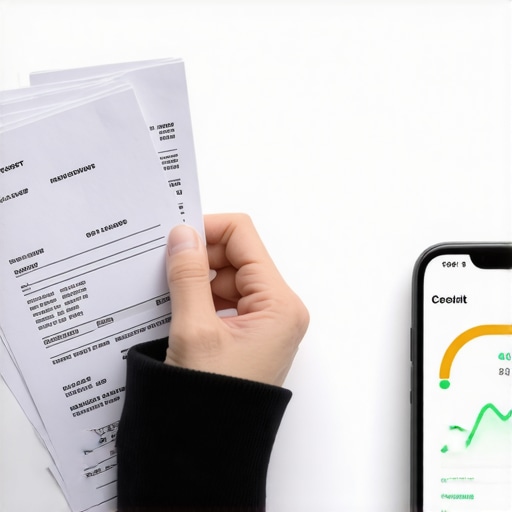
Clean Up the Junk Before You Build New History
You cannot build a skyscraper on a swamp. If your report is littered with old addresses, misspelled names, or “zombie” debts, your score will stay stagnant. I once found three different versions of my name on a TransUnion report, and it actually flagged me as a fraud risk to a car lender. You must learn how to dispute errors on your credit report and improve score by being surgical. Do not just claim “this is not mine.” Ask for the method of verification trick that bureaus hate to ensure they actually have the paperwork they claim to.
Expert Guidance vs Going It Alone
Sometimes the mess is too big for a DIY approach. When I was drowning in old medical collections, I almost signed up for a debt settlement program that would have nuked my score for years. Instead, I looked into how credit counseling can transform your financial future. Counselors help you manage the debt you have without the scorched-earth impact of settlement. They offer credit counseling secrets like specialized repayment plans that lenders view as a sign of responsibility rather than failure. Using the ultimate blueprint for effective credit repair means knowing when to ask for help and when to fight the bureaus yourself.
I see so many people falling for the hype surrounding “magic” letters. Everyone on social media says to just spam the bureaus with generic templates, but in my experience, that is the fastest way to get your file flagged as frivolous. Lenders and bureaus aren’t stupid; they know the truth about those generic dispute letter templates and how to filter them out instantly. To truly master this game, you have to look at the science of credit repair expert advice to elevate your score rather than looking for a shortcut that doesn’t exist. If you want a score that stands up to manual underwriting, you need to understand the nuances that the average “credit guru” misses.
The Dangerous Trap of Disputing Active Accounts
Here is a massive “oops” factor that almost cost me my oldest line of credit: never dispute a minor error on an account you are currently using. I once tried to correct a small spelling mistake on a credit card I’d had for ten years. The bank’s automated risk system saw the dispute, flagged the account as potentially fraudulent, and froze it for three weeks. This is why you should never dispute an account you still use daily unless the error is catastrophic. You risk losing the entire history of that account if the lender decides you are too much of a “maintenance headache.” Have you ever fallen into this trap? Let me know in the comments, because it is more common than people think.

Why did my score drop right after I paid off my car?
This is the most common advanced question I get. It feels like a slap in the face. You work hard, make that final payment, and then—boom—your score drops 20 points. According to a study by the Federal Trade Commission (FTC), which found that 5% of consumers had errors on their reports that could lead to higher insurance or loan rates, the way data is weighted is often counter-intuitive. When you close an installment loan, you are essentially losing a data point for “credit mix.” I’ve written extensively on why your score dropped after you paid off your auto loan, and the key is to have other reporting accounts ready to take its place. Don’t let a temporary dip discourage you; it is just the algorithm recalibrating your lack of active debt.
Pick the Right Path to Financial Freedom
Most people think credit repair and credit counseling are the same thing, but choosing the wrong one can be a fatal mistake for your mortgage chances. If you have legitimate debt you can’t manage, you need to know how to choose between credit counseling and debt settlement. Debt settlement can trash your score for years, while how credit counseling can transform your financial future is often viewed more favorably by lenders because it shows a structured effort to repay. You have to be tactical. When I was rebuilding, I learned credit counseling secrets that allowed me to keep my accounts open while lowering my interest rates. Using the ultimate blueprint for effective credit repair means looking at your report as a living document, not just a list of mistakes to delete. Stop guessing and start using the key credit score factors to your advantage.
Stop Trusting Free Apps for Your Most Important Data
I learned the hard way that the scores you see on your phone every morning are often not the scores lenders use. Most free apps use VantageScore, which is great for a general idea, but it can be 30 to 50 points off from the actual FICO model that a mortgage officer pulls. If you are serious about this, you need to find the easiest way to track your fico score for free or through a paid service that gives you the real data. I personally use a three-bureau monitoring tool that alerts me the second a new inquiry hits my file. This isn’t just about watching the number; it is about protecting the work you’ve already done. When you are applying for a home, you’ll also find that why you need a specialized credit report for rental applications becomes a factor, as many landlords look at data points regular apps ignore, like civil judgments or previous address discrepancies.
The Paper Trail Is Still Your Best Weapon
In our digital world, it is tempting to just click the ‘dispute’ button on a bureau’s website. Please, do not do this. When you use their online portal, you often waive your right to re-dispute or a full investigation under the Fair Credit Reporting Act (FCRA). I have a filing cabinet full of green receipts because I learned that why certified mail is the only way to send a dispute is about legal leverage. If they don’t respond within 30 days, that certified mail receipt is your proof to demand a deletion. According to the National Consumer Law Center (NCLC), the automated ‘e-OSCAR’ system used by bureaus often reduces your detailed letters to simple codes, so including physical copies of your evidence is the only way to ensure a human actually reviews your case. It’s tedious, but it is the science of credit repair expert advice to elevate your score that separates the amateurs from the pros.
How do I keep my score stable after the repair phase?
Once you’ve cleaned up the mess and used fast credit repair tips navigating dispute errors with confidence to fix the big issues, maintenance becomes the name of the game. I follow what I call the ‘2-point rule.’ I never let my utilization on any single card cross a certain threshold, and I use the 2-point rule for lowering credit utilization to ensure my debt-to-limit ratio looks attractive to automated underwriting systems. Looking forward, I predict that ‘alternative data’—like your grocery spending or utility history—will become the mandatory standard by 2026. This means the work you do now to improve your credit score with proven repair techniques in 2025 is actually future-proofing your finances. If you want to see an immediate shift, stop disputing everything at once and try focusing on just one high-impact error using how to dispute errors on your credit report and improve score. Pick your messiest account today and send that first certified letter; the momentum from that one win will change everything.
Hard Truths I Discovered While Rescuing My Credit Profile
Reflecting on my journey, there are a few “lightbulb moments” that changed everything for me. First, I realized that silence is the enemy of a high score. If you aren’t actively pushing data like rent and utilities to the bureaus, you are essentially invisible, and in the credit world, invisible means risky. Second, I learned that how to dispute errors on your credit report and improve score isn’t about being loud; it’s about being accurate. One well-documented letter is worth more than fifty templated letters that the bureaus have seen a thousand times before. Finally, I stopped obsessing over the daily fluctuations. Your score is a marathon, and those temporary dips after paying off a loan are just signs of the algorithm recalibrating your profile.
The Toolkit That Keeps My File Audit-Ready
To keep my financial life in order, I rely on a few specific resources that I trust implicitly. I always start with a direct pull from the bureaus using official channels rather than third-party apps that might hide granular details. I also highly recommend looking into how credit counseling can transform your financial future if you feel overwhelmed by debt; having a certified professional on your side provides a level of authority you can’t get alone. For those who want to dive deep into the mechanics, I suggest studying the science of credit repair expert advice to elevate your score to understand why certain tactics work while others fail. Lastly, keep a physical folder of every certified mail receipt—this is your legal shield if a bureau fails to follow the law.
Take Control Before You Need the Loan
The best time to fix your credit was yesterday; the second best time is right now. You don’t want to be the person at the mortgage desk finding out about a “zombie debt” from seven years ago while your dream home slips away. By applying these strategies, you can improve your credit score with proven repair techniques in 2025 and walk into any lender’s office with total confidence. You are more than just a three-digit number, but that number is the key that opens the doors to your future. Have you ever been surprised by a sudden drop in your score after doing something you thought was “right”? Let me know your experience in the comments below!