

I vividly remember the moment I realized that not everything I was told by debt settlement counselors was in my best interest. It hit me during a phone call when a counselor casually mentioned that settling my debt could improve my credit score—something I had always believed. That lightbulb moment made me question everything I thought I knew about debt relief.
Many folks, myself included, jump into debt settlement with hopeful expectations. We want quick relief, lower payments, and a fresh start. But lurking beneath the surface are risks that most counselors rarely mention—risks that can cost you more than just money.
In this post, I promise to shed light on these often-overlooked dangers and equip you with the knowledge to protect your financial future. If you’ve ever wondered whether debt settlement is truly the right move or just a quick fix, you’re in the right place.
Why Debt Settlement Can Be More Dangerous Than You Think
Debt settlement might sound like a straightforward solution—negotiate down your debts, pay less, and wipe the slate clean. But the reality is far more complicated. For starters, settling your debts can significantly impact your credit report and score, sometimes for years.
Many people, just like I did early on, make the mistake of believing that settling a debt will immediately boost their creditworthiness. In fact, the opposite is often true. The record of a settled debt can stay on your report for up to seven years, making it harder to get favorable loan terms or new credit. Plus, the settlement process itself can come with hefty fees and tax implications that catch many unaware.
Furthermore, counselors typically emphasize debt reduction but gloss over the potential for damaging legal repercussions or increased debt due to associated fees. This oversight can lead consumers into a false sense of security, leaving them vulnerable.
A surprising fact is that the [average debt settlement lowers credit scores by over 100 points](https://creditrenewals.com/improve-your-credit-score-with-proven-repair-techniques-in-2025), a hit that can take years to repair. That’s why understanding both the immediate and long-term effects is crucial.
Are you facing a mountain of debt and considering settlement? Have you already been told it’s the best route without knowing all the risks? If so, it’s worth taking a step back and exploring alternative strategies that protect your credit and finances.
In the upcoming sections, I’ll guide you through actionable steps to avoid these pitfalls, dispute inaccuracies effectively, and rebuild your credit stronger than ever. Let’s move forward with your financial health in mind.
Prioritize Your Credit Report Audit
The first step is to review your credit report meticulously. Think of your report as a map—you can’t navigate your way to better credit if you’re unaware of the terrain. Obtain your free annual reports from annualcreditreport.com and look for inaccuracies or outdated information. For example, I once found a settled debt marked as unpaid, which skewed my score. Correcting such errors can immediately boost your rating.
Dispute Inaccuracies Methodically
Disputing errors is like cleaning debris from your credit path. Use dispute letters that target specific inaccuracies, and avoid the generic ‘please correct’ request. Instead, reference specific items, include supporting documents, and request a manual review. A practical tip is to organize your disputes into a checklist, as I did, to ensure no mistake is left unchallenged. Leveraging resources like dispute errors effectively can help streamline this process.
<
Negotiate with Creditors Smartly
Once inaccuracies are addressed, focus on persuading creditors to update or remove negative marks. Remember, your goal is to create a clean slate, much like clearing debris to pave a smooth road. For instance, I successfully negotiated a goodwill adjustment by writing a personalized hardship letter, which resulted in the removal of a late payment.
Request a Goodwill Adjustment
This involves reaching out directly to your creditor, explaining your situation, and politely requesting removal of late payments or settled accounts. Be honest, courteous, and persistent. A well-crafted letter can sometimes turn a tarnished account into a neutral one, improving your credit profile long-term.
Build Positive Credit Tradelines
Adding positive tradelines is akin to planting new, healthy trees along your credit trail. Since you’re focusing on rebuilding, consider secured credit cards or becoming an authorized user on a trusted family member’s account. These steps demonstrate responsible usage and can quickly uplift your score, especially when you keep balances low relative to your limits.
Manage Credit Utilization Carefully
Keep your balances below 30% of your credit limits to ensure your credit scoring models view you as a responsible borrower. For example, I transferred balances to a new low-interest card and paid down existing debt, which offered a quick score boost. You can read about instant credit score improvements to learn more strategies.
Stay Consistent and Monitor Progress
Credit rebuilding is a marathon, not a sprint. Regularly checking your credit report allows you to track improvements and catch any errors early. Use tools like dispute errors swiftly and make adjustments as needed.
<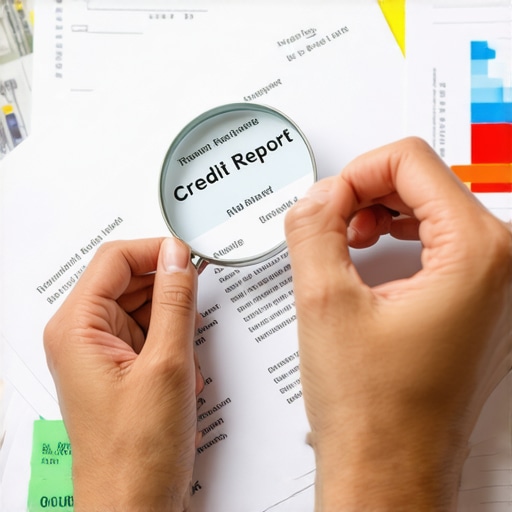 >
>
Applying these steps consistently, even if messy at times, will gradually reshape your credit profile. Remember, each positive update is like turning over a new leaf, propelling you closer to your financial goals.
Many believe that repairing credit hinges solely on disputing errors or paying bills on time, but the real depth lies beneath these surface actions. A common myth is that a clean credit report guarantees a high score, yet factors like credit mix, length of history, and recent inquiries weigh heavily in your overall score, as highlighted in key credit score factors. Overlooking these nuances can lead to misguided efforts that waste time and even harm your credit profile. For instance, aggressively disputing old accounts without understanding their impact on your credit age might inadvertently lower your score, as explained in credit repair science insights.
One trap many fall into involves focusing exclusively on removing negative items instead of optimizing positive tradelines. While resolving errors is crucial, building new, healthy credit accounts can have a more profound and lasting impact—if done correctly. Secured cards or becoming an authorized user on a reliable account can accelerate recovery, but beware of schemes promising rapid results without considering the broader picture. According to top strategies for boosting credit in 2025, a balanced approach that combines error correction with strategic credit building yields sustainable improvement.
What most people miss is the importance of their credit profile’s composition. For example, a high credit utilization rate can negate the benefits of a closed account, or too many recent inquiries can drag your score down despite having numerous old accounts in good standing. This insight aligns with studies showing that credit score factors beyond just errors significantly influence your score.
Here’s an advanced tip: regularly reviewing and understanding how specific actions affect your score allows you to tailor your credit repair plan more effectively. For instance, avoiding unnecessary hard inquiries while focusing on pay-down strategies can prevent avoidable dips. As a warning, never underestimate the impact of small details—like the timing of payments or the order of credit account opening—that subtly influence your credit profile. These nuances are backed by research from credit experts, emphasizing that skilled, informed adjustments can make a tangible difference.
Have you ever fallen into this trap? Let me know in the comments. The key takeaway is that credit repair is not just about fixing errors but understanding and optimizing your entire credit ecosystem for long-term success.Maintaining your credit health requires more than just initial efforts; it demands ongoing discipline and the right tools. Personally, I rely heavily on a few key resources that empower me to stay organized and proactive in my credit journey. First, I swear by credit monitoring services like IdentityIQ, which provides real-time alerts whenever changes occur on your report. This constant vigilance allows me to spot unauthorized activity and errors immediately, saving time and preventing damage. Additionally, I use spreadsheets to track dispute statuses, dates for disputing inaccuracies, and account changes, ensuring I stay on top of my progress. Incorporating automation tools like Todoist helps me set recurring reminders for checking reports or following up on creditor goodwill adjustments, like the one I successfully negotiated last year. Looking ahead, I believe that increasingly sophisticated AI-driven credit analysis apps will become the norm, making continuous monitoring more personalized and insightful. To keep your credit repair sustainable, it’s essential to establish a routine—regularly reviewing your credit report, disputing inaccuracies swiftly, and managing your credit utilization diligently.
How do I maintain credit improvements over time?
Consistency is key. Keep a monthly schedule to review your credit report using free resources like annualcreditreport.com, and always verify any unexpected changes using trusted tools. Remember to dispute errors promptly through a systematic approach outlined in dispute credit errors quickly and securely. Building a solid credit profile isn’t a one-time fix; it’s an ongoing process that benefits from the right habits and tools. Lastly, leverage strategies like keeping your credit utilization below 30%, which you’ve learned from key credit score factors, to maintain and boost your score long-term. To maximize your efforts, I recommend trying out advanced dispute techniques—such as requesting a manual review with detailed supporting documents—which can fundamentally shift your credit profile in your favor. Remember, staying informed and disciplined today ensures long-term financial health tomorrow.
3 Insights That Changed My Approach to Building Credit
One of the most eye-opening lessons I learned was that disputing errors alone isn’t enough; understanding the nuances of how credit scoring works allows for smarter strategies. I realized that timing matters—paying down balances before new inquiries or inquiries after paying can significantly impact your score. Also, building a diversified credit mix, such as secured cards combined with responsible usage on traditional accounts, accelerates improvement more than simple error corrections.
My Go-To Resources for Mastering Credit Growth
Over time, I found that trusted tools like dispute errors effectively and key credit score factors provided clarity and actionable steps. Books like “The Science of Credit Repair” gave me deeper insights into the mechanics behind scores, helping me avoid common pitfalls. These resources are invaluable for anyone serious about rebuilding credit sustainably.
Embracing the Mindset for Long-Term Credit Health
Building or repairing credit isn’t a sprint; it’s a marathon that demands patience, discipline, and continuous learning. Developing a routine—regularly monitoring your report, setting strategic goals, and staying updated on credit industry changes—ensures steady progress. Remember, it’s about making habits that support a healthier financial future, not quick fixes that fade away.
What unexpected lesson has shaped how you approach credit repair? Share your insights below—I’d love to hear from you!