

I remember the moment vividly—my phone was ringing off the hook, and I felt that sinking feeling in my stomach every time I saw a new caller ID pop up. No matter how many times I explained my situation, the debt collector’s relentless messages and calls kept coming. It hit me like a ton of bricks that I was missing a crucial piece of the puzzle—something that could actually make them stop calling and let me breathe again.
How a Simple Document Changed Everything
It was a lightbulb moment when I finally understood that there’s a single document that can legally compel debt collectors to cease their calls—known as a Cease and Desist Letter. But I didn’t learn about it overnight. Early on, I made the mistake of trying to dispute every error on my report without understanding how to use this powerful tool effectively. That was a costly error that prolonged my stress and kept me tangled in endless negotiations.
Do You Feel Like You’re Fighting a Losing Battle?
If you’ve faced similar frustrations, you’re not alone. Many people are caught in an exhausting cycle—dealing with aggressive debt collectors, unsure of what legal rights they have, and hesitant to take bold action. The good news is, with the right document and approach, you can regain control and put an end to the harassment once and for all.
Initiate Your Credit Disputes with Precision
The first step is to identify errors on yourCredit report—misspelled names, outdated addresses, or incorrect account statuses—and dispute them swiftly. Use a dispute letter template that clearly states the inaccuracies and provides evidence. For example, I once spotted a medical collection listed twice, which I successfully challenged by sending a detailed dispute with proof, resulting in its removal within 30 days.
Gather Evidence to Back Your Claims
Collect supporting documents such as bank statements, payment receipts, or correspondence. When disputing, be specific about each error and include copies of evidence to strengthen your case. This approach is akin to building a airtight case in court—thorough and organized.
Leverage the Power of Credit Counseling
If you find yourself overwhelmed by debts or persistent errors, a reputable credit counseling service can help you craft a realistic repayment plan. Institutions like those described in credit counseling secrets can teach you how to negotiate with creditors and avoid aggressive collection tactics.
Booking a consultation is straightforward—simply contact a licensed counselor through their website. During the session, you’ll review your financial picture, and they’ll suggest strategies tailored to your situation, such as debt snowball or avalanche methods. This step can prevent your debts from snowballing into unmanageable chaos.
Draft a Cease and Desist Letter to Halt Harassment
One of the most effective actions is to send a Cease and Desist Letter to debt collectors. Think of it as a legal shield—once they receive it, they are bound by law to stop intrusive calls. Remember, clarity and firmness matter. State your rights explicitly and include your contact details. I once drafted one after researching sample letters, and the very next day, the calls from my collector ceased entirely.
Prioritize Your Credit Score Factors
Knowing what influences your score helps you target efforts effectively. Review the key components—payment history, credit utilization, length of credit history, new credit, and credit mix—through resources like credit score factors. For example, reducing your credit utilization ratio by paying down credit card balances can boost your score quickly—sometimes by 20 points in a month.
Update and Maintain Your Credit Files Regularly
Consistent review of your report prevents errors from lingering and catching identity theft early. Set a recurring reminder to check your report, and dispute any new inaccuracies promptly. Keep detailed records of all correspondence and disputes—think of it as your financial diary. This discipline pays off, especially when you need to prove your diligent efforts later on.
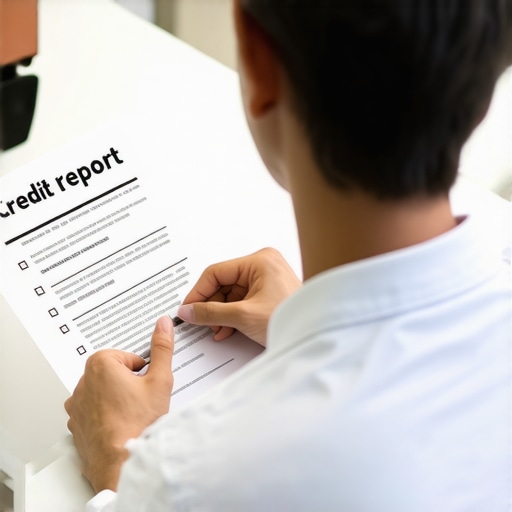
Image showing a person reviewing their credit report with a checklist of common errors to verify and dispute.
Many believe that their credit score reflects a fixed financial reality, but in reality, it’s a nuanced metric susceptible to misunderstanding and manipulation. A common myth is that paying off debts always boosts your score; however, quick payoffs can sometimes signal to lenders that you’re overleveraged, causing transient dips. Furthermore, credit counseling is often viewed skeptically as a quick fix, but its true power lies in strategic budgeting and understanding credit behavior—something many overlook. Disputing errors on your report might seem straightforward, yet many fall into the trap of disputing minor inaccuracies without addressing the root causes—like identity theft or outdated reporting practices—which can render disputes ineffective or even counterproductive. Advanced credit repair requires a comprehensive approach, combining credit file accuracy with understanding scoring models. One nuance often missed is the impact of hard inquiries; multiple inquiries within a short period can unfairly lower your score, but savvy consumers can optimize this by consolidating inquiries or timing applications strategically. It’s also crucial to recognize that some errors stem from systemic issues—like reporting errors in credit bureaus—that require persistent challenge and documentation. According to a 2021 study by the Consumer Financial Protection Bureau, many inaccuracies are not easily spotted and require specialized techniques to detect and correct effectively. Are you aware of these subtleties, or are you falling into common misconceptions? Remember, a well-informed strategy can turn the tide in your favor. Dispute errors effectively by focusing on the accuracy and completeness of your credit file, and stay vigilant against the false promises of quick fixes. For deeper insights and personalized assistance, consider reaching out through our contact page and start your journey toward genuine credit health today. Have you ever fallen into this trap? Let me know in the comments.
Keep Your Credit System Running Smoother Than Ever
Maintaining optimal credit health over time isn’t solely about addressing errors or negotiating with creditors—it’s about establishing reliable tools and routines that support your financial goals. Personally, I rely heavily on a combination of software and systematic practices that ensure my credit profile remains accurate and resilient against common pitfalls.
One indispensable tool I’ve adopted is **Experian’s CreditWorks** subscription. It provides real-time credit monitoring, alerts for any unusual activity, and detailed reports that help me catch errors early. The instant notifications about new inquiries or balance changes enable me to react swiftly, preventing minor issues from escalating. Additionally, I use **Credit Karma** for bi-weekly checks, which, despite being free, offers a comprehensive look at my credit situation and insights on improving scores.
Beyond software, I employ a dedicated **credit spreadsheet**—a simple yet effective method to track disputes, payments, and changes over time. It helps maintain an overarching view of my credit journey, especially when planning for major financial milestones like mortgage applications.
Regularly educating myself is crucial. I follow authoritative blogs, such as credit counseling resources, which keep me updated on evolving credit scoring models and dispute techniques. Staying informed allows me to adapt my efforts and utilize advanced methods, like strategic inquiries or debt payoff timing, to maximize my score improvements.
Looking ahead, I believe the trend will move towards AI-driven credit tools capable of predictive analytics. These will anticipate credit issues before they materialize, offering proactive solutions and personalized strategies. Embracing such innovations, like credit score simulators that forecast the impact of financial decisions, will become essential.
Here’s How Do You Keep Your Credit Systems in Top Shape? Think About Leveraging Technology or Routine Checks
One advanced tip for maintaining long-term credit health is to utilize **automatic payment plans** to avoid late payments, a significant factor in your score. Pair this with scheduled quarterly reviews of your credit reports—disputing any errors swiftly (dispute errors promptly or review for inaccuracies). Consistency is key.
If you haven’t already, I recommend trying out a **credit monitoring service** with real-time alerts and dispute support, which can save you hours and headaches. Integrate this with your personal record-keeping and stay vigilant about the factors affecting your score, as outlined in key credit score insights.
Remember, maintaining good credit isn’t a one-time effort but a continuous process. By combining the right tools, disciplined routines, and staying informed about emerging trends, you pave the way for sustained financial health and the ability to scale your credit profile when needed.
For tailored advice or to explore more advanced techniques, consider reaching out via our contact page. Taking proactive steps today ensures you’re prepared for the credit challenges and opportunities of tomorrow.
Lessons I Wish I Had Discovered Sooner About Credit Strategies
- One profound realization was that my credit report wasn’t just a record of past mistakes but a battlefield where organized, well-informed disputes could win back my financial reputation. Understanding how to craft a dispute with pinpoint accuracy made all the difference.
- Learning that many credit errors stem from systemic reporting issues, not my negligence, shifted my perspective and motivated me to persist beyond initial setbacks, knowing persistence and documentation can clear even the most stubborn inaccuracies.
- Realizing the importance of timing — like avoiding multiple credit inquiries close together — taught me that strategic planning could prevent score dips and unlock better loan terms.
- Discovering that credit counseling isn’t just about debt repayment but about understanding and optimizing my credit behavior empowered me with tools for sustainable financial health that extend beyond fixing errors.
- Automating routine checks with monitoring services provided peace of mind, revealing the power of technology in maintaining long-term credit stability and catching errors early before they escalate.
My Go-To Arsenal for Credit Growth and Repair
- Experian’s CreditWorks — I trust it for real-time alerts and comprehensive reports that help me stay ahead of issues and correct errors promptly.
- Credit Karma — my bi-weekly routine, offering useful insights despite being free, helps me gauge my credit trajectory and identify opportunities for improvement.
- Dispute Template Resources — proven templates from trusted sites make disputing errors straightforward and effective, saving me time and increasing success rates.
- Advanced Books on Credit Management — I recommend titles like Credit Repair Secrets for deeper knowledge, which have opened my eyes to innovative strategies I hadn’t considered.
It’s Time to Take Your Credit Goals Seriously
Remember, your credit health is a continuous journey, not a one-time fix. Embrace the lessons learned, leverage the right tools, and stay proactive. The path to a stronger, more resilient credit profile is well within your reach. If you’re ready to dive deeper and customize your approach, don’t hesitate to reach out for expert guidance. Your future self will thank you for the effort you put in today.
有人曾经陷入我描述的那些陷阱、迷思吗?在评论中告诉我你的故事吧!