

I was sitting in a cramped office, smelling that weird mixture of stale coffee and industrial carpet cleaner, pushing my credit report across the desk like a winning poker hand. A 760! I was so proud of that number. I had ‘hacked’ my way there by getting added to my uncle’s oldest credit card with a massive limit. I thought I was invincible. But the loan officer didn’t smile. He sighed, looked me in the eye, and told me that because I wasn’t the primary owner of that account, his system was flagging it for a manual review. My ‘shortcut’ to homeownership suddenly felt like a dead end. It was a punch to the gut that taught me a hard lesson: a score is just a number, but an underwriter looks for the story behind it.
The Day My 760 Credit Score Failed Me
When I first started looking into how to buy a home, everyone told me to just get added as an authorized user to a relative’s card. They called it ‘piggybacking.’ And sure, my score jumped overnight. But when I got to the mortgage stage, the reality was much messier. I had focused so much on the key credit score factors that I ignored the fact that lenders aren’t easily fooled. They want to see how you manage debt, not how your rich uncle does. Today, I want to pull back the curtain on the impact of authorized user accounts on mortgage underwriting so you don’t end up sitting in a loan officer’s office feeling as foolish as I did. We’re going to look at when these accounts help, when authorized user status might be hurting you, and the specific rules Fannie Mae and Freddie Mac use to judge your file.
Do Lenders Really See Through the Authorized User Hack?
You might be thinking, ‘If the score is high, why does it matter?’ This is the biggest skepticism I hear from buyers. The truth is, underwriters have a very specific set of ‘sniff tests.’ According to the Fannie Mae Selling Guide, if an authorized user account is used to qualify a borrower, the underwriter must often verify that the borrower actually has access to the account or that the account belongs to a spouse or family member. They are looking for ‘seasoning’ and genuine history. If you just got added to an account last month to juice your score for a pre-approval, you’re walking into a trap. I made the mistake of thinking I could skip the hard work of improving my credit score through my own accounts.
How Mortgage Underwriters Peel Back the Layers of Your Credit
During a mortgage application, the automated underwriting system (AUS) does the initial heavy lifting. If your score is heavily weighted by an AU account, the system might issue an ‘Approve/Eligible’ status, but the human underwriter who follows will look for signs of ‘credit grooming.’ They want to see that you have your own trade lines. If you’re looking for rapid rescoring options to fix a last-minute dip, you need to be careful that you aren’t just adding fluff to a thin file. Have you ever been told that an authorized user account was the ‘magic bullet’ for your home loan? Let me know, because I’ve seen it go sideways more often than not. Before you sign that contract, you need to know if you’re building a house of cards or a solid foundation.Once you realize your ‘piggyback’ score isn’t enough, you need to transition from vanity numbers to a profile that can withstand a manual human review.
Audit Your Profile for Hidden Score Killers
The first step is to look at your report with the cold eyes of an underwriter. You must identify every account where you are listed as an authorized user and check the specific utilization rate for that individual card. I once helped my brother-in-law who was an AU on his mother’s card; she had a huge limit, but she decided to finance an expensive family vacation, and suddenly his credit history was anchored by a card at 95% utilization. His score dropped 40 points in a single week right before he applied for a car loan. We had to call the bank immediately to have him removed from the account. You see, authorized user status might be hurting you more than helping if the primary owner is not disciplined with their spending habits. 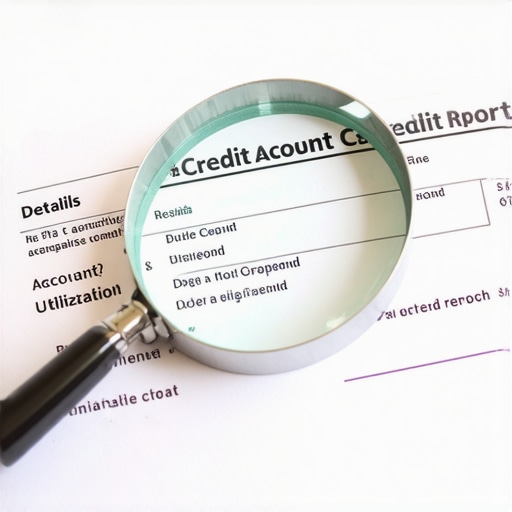
Swap Training Wheels for Real Trade Lines
Lenders view authorized user accounts like training wheels on a bicycle. At some point, you have to prove you can ride the bike on your own. If your credit file is ‘thin’—meaning most of your score comes from someone else’s history—you need to establish your own primary trade lines. A great way to start is by learning how to transition from a secured card to a premium line. This shift demonstrates to a mortgage underwriter that a financial institution has vetted you specifically and trusted you with their capital. When you utilize improve your credit score with proven repair techniques in 2025, your focus should be on building a history that shows at least 12 to 24 months of consistent, on-time payments on your own accounts.
Clean Up the Digital Dust on Your Report
Human underwriters are trained to spot ‘credit grooming.’ If you were added to an account that has a 20-year history but you are only 22 years old, it’s a massive red flag that triggers a deeper dive into your file. You need to know how to dispute errors effectively if you find that an AU account is reporting incorrect data or if someone else’s debt has merged with your profile. This isn’t just about deleting negative items; it’s about ensuring the narrative of your report is accurate. By following the ultimate blueprint for effective credit repair, you can document discrepancies that might cause a lender to hesitate. If an AU account is dragging you down because of the primary owner’s recent late payment, the most effective move is often to request a full removal from that account. While this might slightly lower your average age of accounts, it removes the toxic data that would otherwise result in an automatic mortgage denial. For those needing a quicker lift, explore credit repair secrets proven steps to boost your credit score fast to ensure your primary accounts are optimized for the maximum possible impact before you sit down with a loan officer.Most ‘credit gurus’ tell you to hit the dispute button on every negative item as soon as it appears. That’s a rookie mistake that can actually trigger a manual fraud alert. When you are cleaning up your file, you have to realize that online dispute portals are a trap for consumers. While they look convenient, using them often forces you to waive your right to a manual investigation and prevents you from submitting the physical evidence needed to dispute errors effectively. I’ve seen borrowers lose months of progress because they clicked a ‘convenient’ button instead of sending a certified letter. Have you ever fallen into this trap? Let me know in the comments because I want to hear how you handled it. 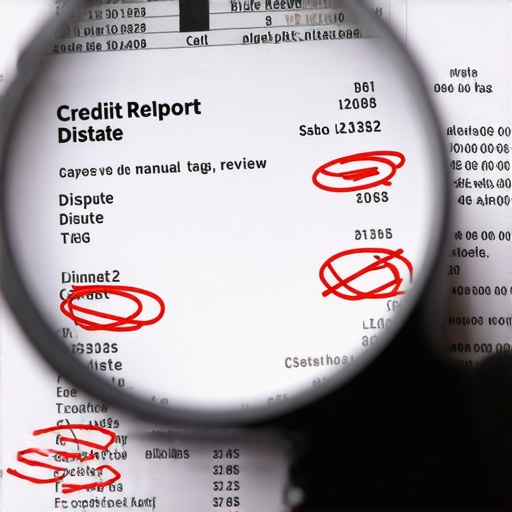
Why did my score drop after I finally paid off that old debt?
This is the single most frustrating question I get from clients. Everyone assumes that paying off a collection is the ultimate win, but there is a specific reason your FICO score dips after a payoff. Many older scoring models view the ‘Date of Last Activity’ as a fresh event when you make a payment. Suddenly, a five-year-old collection that was barely affecting you looks like a brand-new default to the algorithm. According to a 2022 CFPB report, automated systems often prioritize recent activity over the actual balance, meaning your attempt to do the right thing could backfire right before a loan application. Instead of blind payments, you need to master credit repair secrets proven steps to boost your credit score fast, such as negotiating a ‘pay for delete’ agreement that ensures the entire record is wiped from existence.
Look past the number at what underwriters actually see
A high score is a vanity metric if your report is ‘thin’ or ‘groomed.’ You have to understand the hidden data points that lenders use beyond your score. They aren’t just looking at the three digits; they are looking at your ‘trended data’—the pattern of how you use your credit month-over-month. If you are keeping a zero balance on all cards, you might think you’re being responsible, but lenders actually see this as a lack of data. They want to see that you can handle a balance and pay it off, not that you’re afraid to use the credit you have. This level of scrutiny isn’t just for mortgages; it’s also the way your employer can see your financial reputation during a background check.
Stop the cycle of generic disputes
If a bureau ignores your evidence, don’t just send the same letter again. This is where most people fail. You must be aggressive and why you should ask for a method of verification every time. By law, they have to tell you exactly who they talked to and how they verified the debt. If they can’t, the item must come off. If you’re feeling overwhelmed by the technicalities, exploring credit counseling secrets to achieve financial freedom can provide the structural support needed to transition from a ‘hacked’ score to a genuinely robust financial profile. Don’t just aim for a number; aim for a report that tells a story of reliability.I don’t just recommend tools because I saw them in a flashy YouTube ad; I recommend them because they are the only reason I caught a fraudulent inquiry before it tanked my home loan. The cornerstone of my strategy is a paid subscription to MyFICO. While free apps give you a generic VantageScore, MyFICO provides your actual FICO Score 2, 4, and 5—the exact versions mortgage lenders use. If you are serious about your financial future, you need to be looking at the same data the bank sees. By applying the science of credit repair expert advice to elevate your score, I learned to ignore the ‘educational’ scores and focus strictly on the industry-specific models that control my interest rates.
The Only Software Worth Your Subscription Fee
Beyond basic monitoring, I use a simple, manual spreadsheet to track my ‘Statement Closing Dates’ versus my ‘Due Dates.’ Most people think they are the same, but they aren’t. Your credit card company reports your balance on the closing date, not the day you pay the bill. If you want to unlock your credit score potential expert tips for 2025, you must ensure your balance is near zero on that statement date. I personally use a tool called Rocket Money to track these recurring dates so I never get caught with a high balance reporting on a card I just paid off. 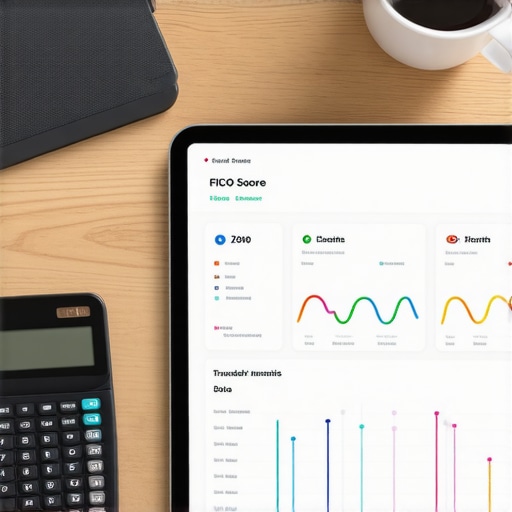
How do I maintain my credit health over time?
Maintenance isn’t a one-time event; it’s a monthly ritual of verification. Every quarter, I pull a fresh report to dispute credit errors swiftly and securely in 2025 before they have a chance to age and become harder to remove. I also suggest keeping a physical ‘credit folder’ with every dispute letter and certified mail receipt you’ve ever sent. This paper trail is your only weapon if a bureau fails to follow the law. If you are mastering credit disputes a step-by-step guide to success, you know that the bureaus often rely on automated ‘e-OSCAR’ systems to verify data. My secret is to bypass the automation by including physical copies of your evidence, which forces a human clerk to actually look at your file.
Prepare for the Shift to Trended Data Models
Looking ahead, the game is changing. As detailed in the FICO® Score 10 T technical overview, the industry is moving toward ‘trended data’ which captures the last 24 months of historical balances. Lenders will soon care more about whether you are trending toward debt or away from it, rather than just your current balance. This means the ‘quick fixes’ of the past won’t be enough to sustain a high score in the next decade. My challenge for you: Set a recurring calendar reminder for the 15th of every month to audit your ‘Date of Last Activity’ for every open account. Consistency is the only thing that beats a manual underwriter’s scrutiny.
The Hard Truths About Piggybacking I Learned the Hard Way
Reflecting on my own journey and the hundreds of files I’ve seen, I’ve realized that a high score is often a mask. Here is what I wish I knew before I walked into that bank:
- Automated approvals are only the first hurdle. Even if a computer says yes, a human underwriter can still say no if they feel your profile is artificial.
- Quality of debt beats quantity of accounts. One well-managed credit card in your name is worth five authorized user accounts where you have no responsibility.
- Recency is the ultimate score killer. A single high balance on an AU account can wipe out years of growth in a single reporting cycle. This is why authorized user status might be hurting you if the primary owner isn’t as careful as you are.
- The “Delete” button is a myth. Genuine repair requires a paper trail, not just a series of clicks on a bureau’s website.
#IMAGE_PLACEHOLDER_E#
The Tools I Use to Keep the Banks Honest
I don’t leave my financial reputation to chance, and neither should you. These are the specific resources I rely on to maintain a “mortgage-ready” status:
- MyFICO Subscription: This is the only place to get your true mortgage scores (FICO 2, 4, and 5). Don’t rely on the free apps that give you a VantageScore; the bank won’t use it.
- The CFPB Complaint Portal: When a bureau ignores your evidence, dispute errors effectively by escalating through the Consumer Financial Protection Bureau. It forces a response within 15 days.
- Expert Methodology: Sometimes the damage is too complex for a DIY approach. You can leverage the science of credit repair expert advice to elevate your score or master credit counseling unlock your path to financial freedom if you need a structural overhaul of your debt.
Your Path to a Home is More Than Just a Number
Building a credit profile that stands up to scrutiny takes time, but the peace of mind you feel when you hand over your application is worth every certified letter you send. You aren’t just chasing a 760; you are building a reputation that says you are a safe bet. When you commit to improve your credit score with proven repair techniques in 2025, you are taking control of your future home, your interest rates, and your family’s security. Don’t be afraid to strip away the “hacks” and build something real. Have you ever had a loan officer question an account that wasn’t even yours? Drop a comment below and let’s talk about how you handled it.