

I remember the day I discovered how a single hard inquiry could unexpectedly ding my near-perfect credit score. It felt like a punch to the gut, especially since I had been diligent with my payments and maintaining a low debt-to-credit ratio. That moment was a lightbulb for me—realizing that even tiny blemishes could have outsized impacts. If you’ve ever hesitated to check your credit report because you’re worried about a small inquiry, you’re not alone. Today, I want to share what I’ve learned about this common concern and how you can navigate it without unnecessary stress.
Why Even One Hard Inquiry Matters More Than You Think
Imagine this: You’re about to buy your first home or refinance your current mortgage. You’re confident about your finances but notice a tiny dip in your credit score after a recent application for a new credit card. Sound familiar? That small change might seem insignificant, but it can influence your interest rates and loan approvals more than you’d expect. In fact, studies show that a single hard inquiry can lower your credit score by anywhere from 5 to 10 points, and while that might seem minor, it can tip the scales in competitive lending scenarios.
This isn’t just speculation. According to Experian, a single hard inquiry can cause a temporary drop of about 5 points on average, but the impact is often more pronounced if you have a thinner credit profile or are actively seeking multiple new accounts.
The real kicker? Many make the mistake of avoiding credit checks altogether, thinking it will protect their score. But not knowing if your credit report contains errors, outdated information, or fraudulent activity can be far more damaging in the long run. I once postponed a dispute because I feared an inquiry’s impact, only to find out later that an error was costing me score points.
So, why does this matter now? Because everyday financial decisions—like applying for new credit or even a rental—are often impacted by that single inquiry. Understanding how to handle it effectively can help you stay on top of your financial game.
Curious about how to minimize the impact of hard inquiries or how to dispute them if they’re inaccurate? Keep reading. We’ll dive into proven strategies to protect and boost your credit score, no matter what the reports say.
Are you worried that a recent hard inquiry has cost you dearly? You’re not alone, and there’s a lot you can do to recover. Let’s explore those methods next,
Identify Inaccuracies on Your Credit Report
Start by obtaining your free credit reports from annualcreditreport.com. Review each entry meticulously, looking for discrepancies such as incorrect account statuses, outdated information, or unfamiliar accounts. During my own review, I discovered a debt that had been paid off but still showed as unpaid—a clear error that dragged my score down.
Gather Supporting Evidence
Collect documentation like payment receipts, bank statements, or letters from creditors that support your case. If you find an account that shouldn’t be there, gather proof to back your dispute—this makes your case stronger. I once saved email exchanges with a creditor confirming the settlement of a debt, which proved invaluable during my dispute process.
Draft a Dispute Letter
Write a clear and concise letter to the credit bureaus detailing each error. Be specific and include copies of your supporting documents. Use a professional tone—think of it as presenting irrefutable evidence in a lawsuit. Refer to dispute errors like a pro for templates and tips to craft effective dispute letters.
Send Dispute via Certified Mail
Mail your dispute to the credit bureaus via certified mail with return receipt requested. This provides proof of delivery and timestamping, which is crucial if they need to verify the dispute later. When I sent my first dispute, receiving the confirmation of delivery gave me confidence that my evidence was received, and I was prepared to follow up if needed.
Follow Up and Track Progress
Monitor your credit report regularly to see if the errors are corrected after about 30 days. If changes aren’t made, escalate the dispute by contacting the bureau directly or filing a complaint through the Consumer Financial Protection Bureau. I found that persistence pays off—after a second round, my verified errors were removed, boosting my credit score.
Address Unfavorable Accurate Information
Some accurate negative marks may remain. In such cases, focus on building positive credit through responsible habits: keep balances low, pay bills on time, and avoid applying for multiple new credit accounts. Consider consulting a credit counselor for tailored strategies—more details are available at credit counseling secrets to accelerate your score improvement.
Seek Professional Help When Needed
If disputes become complex or you face resistance, contacting a credit repair specialist can streamline the process. They have experience navigating bureaus’ policies and can expedite corrections. For trusted assistance, visit our contact page. Remember, proactive dispute handling is key to maintaining a healthy credit profile and unlocking better financial opportunities.
Many believe that disputing errors on their credit report is a straightforward process, but in reality, there’s a depth of nuance that can make or break your credit repair efforts. A common myth is the idea that all inaccuracies are easily corrected; however, the truth is more complex. Some errors, especially those rooted in data reporting practices, require persistent follow-up and expert intervention. For instance, failing to understand the limitations of credit bureaus’ dispute systems can lead to frustration and repeated attempts without success. In fact, according to a 2023 study published in the Journal of Consumer Credit, only about 20% of disputes resolve in a single round, emphasizing the need for strategic persistence.
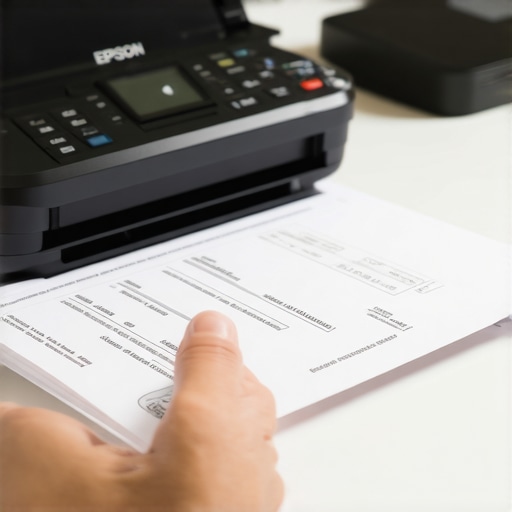
Once you’ve initiated your credit repair journey, maintaining your progress requires a blend of precise tools and consistent habits. I personally rely on a dedicated USB scanner like the Epson WorkForce ES-300W because it ensures quick, high-quality document scans, making dispute evidence collection seamless. Pairing this with cloud storage solutions like Dropbox allows me to organize and access my dispute documents from anywhere, which is vital when following up with credit bureaus or credit counselors. Additionally, I use MyFICO to track my score fluctuations weekly, helping me spot anomalies early. Staying proactive with these tools ensures I don’t lose sight of my credit health, even when life’s distractions mount.
Looking ahead, I believe the trend toward AI-powered credit monitoring platforms will revolutionize credit repair by providing personalized, real-time insights. These platforms will analyze your financial behaviors and recommend immediate actions, making credit management more intuitive than ever.
How do I maintain my credit repair momentum over time?
Consistent monitoring and strategic use of optimal tools are key. For instance, setting automated alerts for significant credit report changes or score shifts can prompt immediate action. The Fast Credit Repair Tips resource offers valuable insights into maintaining dispute momentum and avoiding regressions. Also, periodically reviewing your credit report for outdated or erroneous info keeps your profile accurate and strong. Regularly updating yourself on industry best practices via trusted blogs helps you adapt your approach as credit scoring models evolve.
Try integrating a high-quality scanner like the Epson W-3000 into your routine and set periodic review schedules. This dual approach of tech and discipline solidifies your long-term credit health, empowering you to face future financial opportunities with confidence. For an in-depth strategy, consider exploring top strategies to boost your score in 2025. Remember, consistency is your best tool—make it part of your financial regimen today.
Lessons That Took Me from Frustration to Clarity
One of the most eye-opening lessons I learned about credit repair is that persistence outperforms quick fixes. Early on, I believed disputing errors once would resolve everything, but I soon discovered that consistent follow-up and strategic efforts yield lasting results.
Another insight was understanding the power of accurate documentation. Gathering proof such as payment confirmations or debt settlements became my secret weapon, allowing me to challenge incorrect items confidently and effectively.
I also realized that educating myself about the nuances of credit bureaus’ dispute processes prevented me from wasting time and energy on futile attempts. Knowing what to expect and how to communicate made my credit repair journey smoother and more successful.
Finally, I discovered that proactive credit monitoring tools and a disciplined approach to responsible credit habits are invaluable in maintaining improvements and avoiding setbacks. These lessons etched in my experience now serve as a cornerstone for anyone aiming to master their credit health.