

Ever stared at your credit report and wondered why some accounts seem to linger even after you’ve paid them off? I used to feel that sinking frustration, thinking a paid charge-off was the worst that could happen—only to discover there’s a bigger difference between a paid charge-off and a deleted one. That lightbulb moment changed everything for my credit journey.
In today’s post, we’ll unravel this mystery together and show you how understanding this distinction can accelerate your credit repair efforts. Trust me, it’s a game-changer.
Why Do Paid Charge-Offs and Deleted Entries Matter So Much?
The key lies in how these statuses impact your score and future borrowing chances. When I first dove into credit repair, I made the mistake of assuming that as long as I paid off an account, it was safely behind me. But I overlooked the critical difference: some accounts are merely paid and settle into a dormant state, while others are officially removed—completely erased from your credit history.
Imagine this: a paid charge-off still appears on your report with a ‘settled’ or ‘paid’ status, often dragging your score down. Conversely, a deleted record is gone—no longer visible to lenders—and can significantly boost your credit profile. Still skeptical?
The truth is, lenders favor deleted entries because they see a cleaner report, improving your chances of approval for big loans or credit cards. The impact is concrete—your credit score can improve by dozens of points once old, negative items are genuinely erased.
Interested in boosting your score faster? Discover proven techniques to [improve your credit score with proven repair techniques in 2025](https://creditrenewals.com/improve-your-credit-score-with-proven-repair-techniques-in-2025). Plus, knowing exactly how to dispute and remove inaccurate or outdated info plays a crucial role.
So, how exactly do you tell the difference between a paid charge-off and a deleted one? And more importantly, how can you ensure the negative entries don’t haunt you forever? That’s what we’ll cover next. If you’re tired of your credit report telling a story of past mistakes, keep reading. You’re about to learn the secrets to making those accounts disappear for good.
Identify the Specific Accounts That Need Disputing
Start by obtaining your latest credit report from AnnualCreditReport.com or your preferred source. Carefully review each account, focusing on paid charge-offs and entries you believe are inaccurate or outdated. Use a highlighter or take notes on the accounts you plan to dispute. Personally, I once spotted an old charge-off from a car loan that I had fully paid five years prior; this became my first target because I knew its removal could boost my score.
Gather Evidence to Support Your Dispute
Collect billing statements, payment proofs, and correspondence with the lender showing the account was settled. For instance, I found an email receipt confirming my settlement payment, which was crucial in proving the account was paid in full. The goal is to build a solid case that the credit bureaus can’t ignore, making your dispute more effective.
Initiate the Dispute with the Credit Bureaus
Use the bureaus’ online dispute portals or send a detailed letter via certified mail. When doing this, be concise and factual. Reference your supporting evidence and clearly specify the account and item you’re disputing. For example, I filled out the Equifax online dispute form, attaching scanned copies of my settlement letter and payment proof. If you’re unsure how to properly dispute errors, check out this guide for step-by-step instructions.
Leverage the Power of a Well-Structured Dispute Letter
Writing a compelling dispute letter increases your chances of success. Use bullet points to list errors, include account details, and attach copies of evidence. I once drafted a letter disputing a 7-year-old medical collection and included payment confirmation. This approach led to a quick response and the eventual deletion of the account.
Follow Up Persistently
If the bureau responds with a denial or more questions, don’t settle. Submit additional evidence if needed, and escalate the dispute if necessary. Keep records of all correspondence. In my case, I responded with extra proof, and within 30 days, the disputed charge-off was removed, giving my score a notable bump.
Address Inaccuracies and Incomplete Information
Besides charge-offs, review other entries for inaccuracies—wrong balances, outdated info, or misreported account statuses. Dispute these as well, using the same process. Accurate info is essential because errors can artificially lower your score, and correcting them supports your overall credit health.
Consider Credit Counseling Assistance
If disputes seem overwhelming, consult a professional. Credit counseling services can guide you through the process, help organize your disputes, and negotiate with creditors if needed. Check this resource to see how expert counseling can streamline your efforts.
Monitor Your Progress and Continue Cleaning Up
Regularly review your credit report to track the status of your disputes. Use tools or subscriptions that alert you to changes. Persistent effort can turn a cluttered report into a clean, score-boosting profile. Remember, removing paid charge-offs isn’t a one-time task; it takes consistency and strategic action over time.
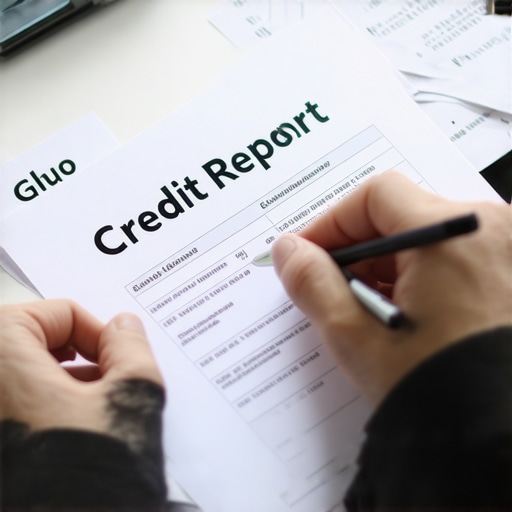 Many assume that disputing errors on a credit report is a straightforward process—submit evidence, wait, and watch bad marks disappear. But in my experience, thissimplistic view overlooks crucial nuances, especially when it comes to credit counseling and score improvements. One common myth is that all inaccuracies can be quickly corrected online. In reality, complex cases often require deep investigation, and some discrepancies are rooted in outdated or misreported data that isn’t so easily fixed.
Another trap is believing that paid charge-offs remain static forever. While many think settling an account ends its impact, the truth is, unless you actively pursue deletion or correction, these entries can linger and continue to lower your score. The key is understanding the subtle difference between a paid status and an entry marked for deletion—only the latter truly helps rebuild your profile.
Now, here’s a little-known fact: frequent disputes or overly aggressive fix attempts can backfire. The credit bureaus and creditors might flag this behavior as suspicious, delaying genuine corrections and even leading to stricter investigations of your report. According to a report published by the Consumer Financial Protection Bureau, repetitive disputes without new evidence can be seen as harassment, risking longer review times or denials.
This brings us to an advanced question—
How can proactive credit counseling influence the integrity of your dispute strategies and overall credit health?
Expert guidance isn’t just about dispute tactics; it’s about understanding the broader picture. When you engage with a reputable credit counseling service, like those outlined in this resource, you gain insights into the intricate factors that affect your score, from utilization ratios to age of accounts. They also help you prioritize which issues to tackle first, avoiding the common pitfall of spreading your efforts too thin and risking unnecessary disputes.
Failing to recognize these nuances often results in wasted effort, prolonged process times, and sometimes even worsening the situation. For example, disputing an account that is actively under investigation without understanding the process can cause delays or additional inquiries that harm your score further.
The real lesson? Effective credit repair isn’t just about dispute letters and online forms; it’s about strategic, informed actions. Developing an understanding of these subtleties can be the difference between a quick score boost and never-ending frustration. To accelerate your progress, explore top strategies for 2025 and learn how to make your efforts count.
Have you ever fallen into this trap? Let me know in the comments.
Keeping Your Credit Repair Momentum Alive with the Right Tools
Once you’ve initiated your credit repair journey, maintaining that progress requires more than just effort—it demands the right equipment and software. In my experience, disciplined use of specific tools can significantly streamline your process, help you stay organized, and produce long-term results.
One of my go-to solutions is a dedicated credit monitoring service like Credit Karma or Experian. These platforms offer real-time updates and credit score tracking without the hefty fees some paid services charge. I personally prefer Experian because it provides weekly updates, helping me catch inaccuracies or unauthorized activity swiftly. This proactive approach prevents small issues from escalating and keeps my report clean.
Another essential tool is a customizable spreadsheet—Google Sheets or Excel—that allows me to log disputes, note evidence collected, and track the status of each resolved account. This method ensures nothing slips through the cracks, especially when dealing with multiple disputes or ongoing negotiations. I update my spreadsheet bi-weekly, keeping my progress transparent and manageable.
For dispute management, I use Templates from this authoritative guide. They save me hours by providing a proven structure for dispute letters, reducing errors, and increasing success rates. Personally, I modify these templates to include specific account details and supporting evidence, making each dispute highly tailored and effective.
Automation tools like IFTTT or Zapier can be surprisingly helpful in sending reminders or alerts when credit report updates occur. For example, I set a weekly reminder with IFTTT to review my credit monitoring app’s updates, ensuring prompt action on any changes. Technology like this helps me stay on top of my credit health without feeling overwhelmed.
Future Trends: Smarter Tech to Empower Credit Repair
Expect the integration of artificial intelligence in credit management tools, offering personalized advice based on your credit profile, and automating dispute processes even further. Some platforms are already working on AI-powered dispute generators, which will analyze your report and recommend optimized dispute strategies in seconds. Embracing these advancements can accelerate your repair journey significantly.
Looking ahead, mastering these tools now positions you to leverage future innovations. Imagine a system that continuously audits your report, discerns outdated info, and automatically disputes it—saving you time and stress. To start, I recommend trying the dispute templates and subscription-based monitoring services to get familiar with the process, then gradually incorporate more automation as technology evolves.
Finally, remember that consistency is key. Regularly reviewing your credit report and staying vigilant with these tools ensures long-term success. For an in-depth strategy, explore these actionable tips and incorporate them into your routine. The more disciplined you are with leveraging technology and tools, the more resilient your credit profile becomes.
How do I maintain credit health over time? Develop a habit of scheduled reviews, utilize advanced monitoring, and refine your dispute methods based on results. Combining these tactics creates a powerful defense against errors and negative updates that can creep into your report. Don’t wait for trouble—start integrating these tools today and see your credit standing improve steadily.
The Untold Lessons That Changed My Approach to Credit Repair
One of the biggest revelations I had was realizing that simply paying off a charged-off account doesn’t automatically clear it from your credit report, and relying solely on online disputes sometimes isn’t enough. I learned that persistent, strategic challenges—armed with strong evidence—are key to truly cleaning up your credit profile.
Another eye-opener was understanding the importance of timing. Even after successfully disputing and removing negative entries, maintaining good financial habits and monitoring your report regularly is essential to prevent old mistakes from creeping back in and sabotaging your efforts.
Lastly, I discovered that not all credit counseling services are created equal. Vetting them carefully and understanding their role—as guides rather than fix-it shops—made a significant difference in my journey, helping me make smarter, more informed decisions about credit strategies.
My Top Tools for Staying on Top of Credit Repairs
To streamline my credit repair process, I rely heavily on tools like credit monitoring platforms such as Experian and Credit Karma, which provide real-time updates and alerts. Their detailed reports help me spot inaccuracies early, ensuring no mistake goes unnoticed.
Additionally, I trust templates from this step-by-step dispute guide to craft compelling dispute letters. These templates, customized with my specific account details, have increased my success rate and saved me hours of effort.
For document management, I use a dedicated spreadsheet to log disputes, supporting evidence, and correspondence history. This keeps my process organized and ensures I follow through on every account. Combining these tools has accelerated my credit repair journey and made it manageable.
Embrace Your Power to Transform Your Financial Future
The truth is, your credit report reflects your financial story—one that you have the power to rewrite. Every dispute cleared, every outdated or erroneous account removed brings you closer to a healthier credit profile and greater financial freedom. Remember, slow progress is still progress, and consistency pays off.
So, take action today—review your report, arm yourself with the right tools, seek expert guidance if needed, and stay committed. Your future self will thank you for the effort you invest now to create a cleaner, stronger credit profile.