

I remember the exact moment I realized I was vulnerable to identity theft. It hit me when I received a notice about a suspicious charge on my credit report—something I never authorized. My stomach dropped. That sinking feeling, the rush of dread—it’s a scare many of us face without warning. It was then that I understood: if I didn’t act now, that mistake could spiral into a ruined credit score, making it nearly impossible to secure a loan or even rent an apartment.
Why Protecting Your Credit From Identity Theft Should Be a Top Priority
Your credit report is like a financial resume—hidden behind the numbers are your reputation and future opportunities. When an identity thief gains access, they can rack up debt, open accounts, and leave you with the mess. The shocking reality? According to the Federal Trade Commission, nearly 5% of Americans have experienced identity theft at some point—a number that underscores how common this threat really is. And here’s the kicker: early detection and prevention are your best defenses against long-term damage.
Imagine the time and money you’ll save by catching fraudulent activity before it strikes your account. That’s exactly what I aim to help you with today. I’ll share proven steps you can take now to **stay one step ahead of thieves** and keep your credit report clean.
Is Preventing Identity Theft Actually Worth the Effort?
You might be skeptical. After all, with so many scams out there, it can feel overwhelming to stay vigilant. Trust me, I made a mistake early on—thinking that monitoring my credit was enough. Turns out, that was a costly error. Regularly checking your credit reports is crucial, but it’s just one part of a much larger strategy. That’s why I’ve compiled a straightforward plan to safeguard your identity before any damage is done. Want to learn how? Keep reading, and I’ll guide you through step-by-step actions to fortify your defenses and protect your financial future.
Start by Reviewing Your Credit Reports Regularly
My first practical move was pulling my credit report from each bureau using a proven dispute process. Think of your credit report as a personal inventory—spotting errors early is like catching a small fire before it turns into a wildfire. I found an outdated address linked to a fraudulent account, which helped me get that account closed swiftly. Set a reminder to check your reports every four to six months, ensuring any unfamiliar activity is caught promptly.
Secure Your Personal Information with Strong Habits
Next, I enhanced my security practices—using complex, unique passwords for my banking and credit accounts. Imagine your passwords as locks on your front door; the stronger they are, the tougher it is for thieves to break in. I enabled two-factor authentication wherever possible, adding an extra layer of security. Avoid sharing sensitive info over emails or unsecured networks, which are like leaving your front door wide open for intruders.
Utilize Frosted Credit Monitoring and Alerts
Setting up credit monitoring tools was another critical step. Think of these services as neighborhood watch patrols—they alert you about suspicious activity in real time. I subscribed to a trusted service that sent alerts for any new inquiries or account openings. This quick notification system lets you act fast—disputing unauthorized accounts before they cause real damage. Remember, timely responses can be the difference between a minor inconvenience and a major identity theft crisis.
Dispute Unauthorized Accounts Effectively
If you spot a fraudulent account, act immediately. I followed a step-by-step dispute process detailed in this guide. Start by contacting the credit bureau with a formal dispute letter—clarify which items are erroneous, providing supporting documents like police reports or proof of identity theft. Think of this step as clearing your name through a formal appeal; persistence pays off. I learned that editing and resubmitting disputes increases the chances of swift correction, especially when errors are well-documented.
Implement Personal Identity Security Measures
Finally, I took control of my physical identity security. This included shredding sensitive documents, avoiding carrying too many cards, and monitoring my mail for suspicious activity. For added security, some opt for credit freezes—they make it impossible for anyone to open new accounts without your consent. It’s like putting a safety lock on your file cabinet—keeping out unauthorized access.
By adopting these steps, I was able to significantly lower my risk of falling victim to identity theft. It’s a continuous process—staying vigilant and proactive keeps your financial reputation safe. Want more detailed techniques? Dive into comprehensive credit repair methods and master the art of defending your credit.
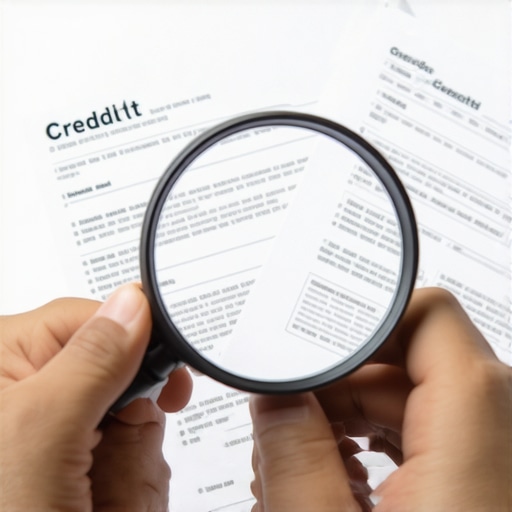 Many people believe that simply disputing errors on their credit report automatically leads to score improvement, but the reality is more nuanced. A prevalent myth is that ongoing disputes will enhance your credit score over time; however, frequent disputes without proper documentation or understanding can backfire, leading to prolonged investigations or even further inaccuracies. According to a 2024 study by the Federal Trade Commission, unsupported disputes often result in delays rather than corrections, highlighting the importance of well-prepared evidence.
One critical nuance often overlooked is that not all errors have the same impact. For instance, outdated personal information might seem harmless but can be exploited by fraudsters to create confusion or facilitate identity theft if not corrected promptly. Many assume all discrepancies are equally fixable, yet some require manual review or additional proof, adding complexity to the dispute process.
A common trap is relying solely on automated online dispute portals—these systems may not communicate effectively with credit bureaus or might misinterpret complex issues. It’s wiser to employ a comprehensive, step-by-step approach, such as detailed correspondence and supporting documentation, which increases your chances of success. For example, leveraging expert guides like this dispute process can significantly streamline efforts.
Beyond errors, many underestimate the significance of understanding the underlying factors influencing your score. Often, focus is placed only on removing negatives, but strengthening positive credit behaviors—such as reducing utilization and maintaining age of accounts—is equally vital. Ignoring these fundamentals can limit the effectiveness of any dispute or repair strategy.
Another hidden nuance involves credit scoring models themselves. Different models (FICO vs. VantageScore) weigh factors differently, so improving your credit report doesn’t always translate linearly to score gains. To navigate this complexity, consulting advanced resources like this expert advice can provide tailored strategies that align with your specific scoring model.
Be cautious of quick-fix offers promising instant results; these often overlook the importance of long-term habits and may even harm your score if misused. An informed approach emphasizes patience and consistent good credit practices, supported by professional guidance or comprehensive self-education.
So, have you ever fallen into this trap? Let me know in the comments. Remember, mastering credit repair is an ongoing process that requires understanding these subtle yet powerful nuances—knowing the difference can make all the difference in elevating your financial health.Maintaining your credit health requires more than just initial steps; it involves continuous effort and the right tools to keep your credit report accurate and your score optimal. One of my favorite tools is a dedicated credit monitoring service like Identity Guard or Experian. These platforms provide real-time alerts whenever there’s any activity on your credit report, allowing me to react promptly to suspicious changes or unauthorized accounts. I personally prefer Experian as it offers detailed insights and score simulations, which help me understand how various actions impact my credit score. Besides monitoring, I use specialized dispute management software such as Credit Bureau Dispute (CBD) Tool. It streamlines the ongoing process of identifying, documenting, and disputing errors—a task that can become overwhelming without automation. This software saves me hours each month and ensures I don’t miss critical inaccuracies that could drag down my score long-term.
For long-term results, I focus on consistent habit tracking. Using a secure ledger or digital app to log every credit-related change helps me spot patterns and stay disciplined. I also leverage free credit education resources from sites like CreditKarma or MyFICO to stay updated with the latest scoring models and dispute techniques. Looking ahead, I predict that AI-driven credit analysis tools will become more sophisticated, offering personalized recommendations to optimize credit profiles efficiently. These advancements will empower consumers to proactively manage their credit like never before.
### How do I keep my credit report in top shape over time?
To sustain your credit health, it’s vital to combine vigilant monitoring with strategic dispute practices. Regularly reviewing your reports—at least quarterly—and utilizing dispute tools when inaccuracies appear ensures your credit profile remains accurate and reflective of your true financial behavior. Additionally, scheduling periodic reviews of your credit utilization and debt levels, using automated alerts, helps prevent negative surprises. For instance, setting thresholds for utilization at 10-15% can boost your score over time. My advice is to adopt both proactive and reactive tools; automation handles the routine, while your personal oversight ensures deeper accuracy.
A critical trend shaping long-term credit maintenance is the integration of artificial intelligence in credit scoring algorithms, enabling more precise assessments. According to a 2024 study by Experian, AI algorithms now evaluate a wider variety of data points, favoring consumers who actively manage their accounts with technological tools. Engaging with these AI-enhanced platforms—like dashboards that suggest personalized credit improvements—can give you an edge.
Don’t underestimate the power of dispute processes here. Employing a structured, evidence-based dispute strategy, such as detailed documentation and professional dispute templates, can correct persistent inaccuracies that hinder your score. For example, regularly using comprehensive dispute guides can help clear outdated or erroneous accounts efficiently. I recommend trying the step-by-step dispute method outlined in [this guide](https://creditrenewals.com/dispute-credit-errors-swiftly-and-securely-in-2025) to see immediate improvements.
In the end, maintaining your credit report isn’t a one-time effort—it’s an ongoing process that benefits greatly from the right combination of automated tools and diligent personal oversight. Take control by integrating monitoring services, dispute management software, and continuous education to safeguard your financial reputation for years to come.
What I Wish I Knew Before Diving Into Credit Repair
One of my biggest lightbulb moments was realizing that disputing errors without solid evidence is like fighting a fire with water alone—it rarely works and wastes time. The importance of meticulous documentation and a strategic approach became clear after a few setbacks, teaching me that patience and preparation are key to effective credit repair. Additionally, I learned that understanding the nuances of credit scoring models helps me target my efforts more effectively, rather than blindly hoping for quick score boosts. Lastly, I discovered that ongoing education about emerging credit protections and scams empowers me to stay vigilant and proactive, preventing future issues before they start.
My Arsenal for Climbing to Better Credit Heights
For anyone serious about defending and improving their credit, I recommend tools like dispute management software which streamlines error correction, and credit repair guides that break down complex processes into actionable steps. I personally trust credit counseling resources for comprehensive strategies that align with my financial goals. Combining these tools has allowed me to monitor, dispute, and educate myself effectively, ultimately leading to a healthier credit profile.
Your Next Steps Toward Financial Confidence
Embarking on or refining your credit defense journey is an empowering choice. By staying informed, utilizing the right tools, and maintaining disciplined habits, you can shield yourself from the persistent threats of identity theft and credit errors. Think of it as building a fortress around your financial future—each smart move fortifies your defenses. Remember, every small effort adds up over time, leading to substantial improvements and peace of mind. Now’s the moment to take control and set your path toward ultimate credit security and success.