

I remember the day I finally took a good look at my credit report and felt that sinking knot in my stomach. There it was—an employment detail listed that I knew I never held. My heart pounded because I understood right then that this slip-up could cost me a loan approval or worse, my financial credibility. That moment was a lightbulb: if I didn’t catch these errors early, I could be paying for someone else’s mistake for years to come.
The Danger of Overlooking Job History Mistakes
See, most people don’t realize that inaccuracies in your employment history aren’t just embarrassing—they can impact your credit score and your ability to get approved for loans or credit cards. These errors often sneak in during the data collection process from various sources, and if left unchecked, they might lead lenders to question your stability or even flag your report for fraud suspicions. According to a survey by the Federal Trade Commission, consumers filed nearly 150,000 complaints about incorrect information in credit reports in 2022 alone, with employment history errors ranking high among these disputes.
Do I Really Need to Worry About Employment Errors?
Absolutely. When I first discovered my mistake, I thought a quick correction would suffice. But then I learned that discrepancies in your employment info can skew your debt-to-income ratio, influence credit scoring algorithms, and even shape how future lenders perceive your reliability. Trust me—what you see on your report can make or break your financial plans. That’s why it’s crucial to review your report meticulously and learn how to identify inaccuracies like a pro.
Disputing errors efficiently is a skill that pays off. Having been through this myself, I’ll also share some common pitfalls early on, so you don’t fall into the same traps I did.
In the upcoming sections, I’ll walk you through the exact steps to scrutinize your employment history for errors, spot signs of inaccuracies, and dispute them effectively. Ready to take control of your credit report? Let’s get started on ensuring your employment details are accurate and aligned with reality—because your financial future depends on it.
Gather Evidence Methodically
Start by obtaining a recent copy of your credit report from the bureau. Cross-reference each employment entry with your personal records—tax returns, pay stubs, and old W-2s. For example, I once found an employer listed from a job I left five years prior. I retrieved old pay slips and W-2s showing I had no connection to that company during the disputed period. This concrete evidence strengthens your case and makes the dispute more compelling.
Identify and Highlight Inaccuracies
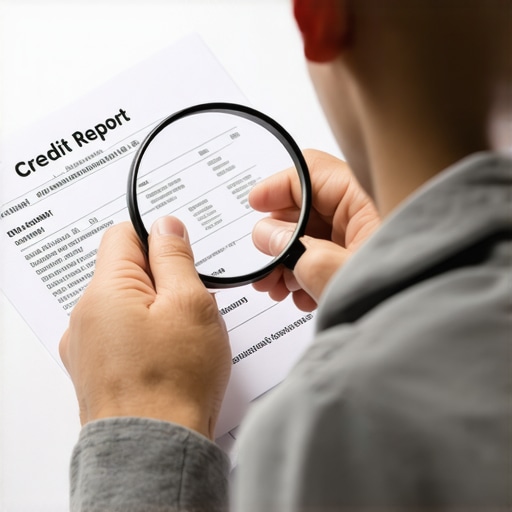
Scan your report for discrepancies—wrong job titles, incorrect dates, or employers you never worked for. Use a highlighter or digital annotation tools to mark these inaccuracies clearly. Think of this step as being a detective: every wrong detail is a clue. When I discovered an outdated employer listed, I documented the correct information and made notes about the inconsistent dates. Precise highlighting helps focus your dispute and clarifies what needs fixing.
Initiate a Formal Dispute
File your dispute through the credit bureau’s online portal or send a certified mail with all your evidence enclosed. For stubborn cases, consider requesting a manual review, which often uncovers errors automated systems overlook. I once sent a detailed letter with copies of my W-2s and a copy of my ID, requesting a manual review for a job entry error. This approach quickly prompted the bureau to re-investigate and correct the mistake.
Track and Follow Up
Keep meticulous records of all your communications, including dates, reference numbers, and responses received. If the bureau’s initial review doesn’t resolve the issue, escalate by submitting a dispute letter demanding a manual review. When I followed up on a disputed employer listing, I tracked the correspondence and persisted until the bureau corrected the data—outcomes improve significantly with consistent follow-up.
Dispute External Data Sources
If the inaccurate employment info stems from a third-party data provider, request a data correction. This often involves contacting the data furnishers, such as background check companies or previous employers, and requesting them to update their records. I once successfully contacted a former employer’s HR department, who verified my employment dates, prompting the bureau to rectify its records as well.
Review and Confirm Corrections
Once the bureau updates your report, download and review the revised version thoroughly. Ensure all inaccuracies are addressed; if discrepancies persist, reiterate your dispute with additional evidence. Remember, patience and persistence are your allies here. Each correction brings you closer to an accurate credit profile that truly reflects your history.
Prevent Future Errors by Proactive Monitoring
Regularly review your credit reports, at least every four months, to catch new errors early. Use tools like credit counseling services or automated monitoring systems to stay vigilant. Staying proactive prevents small mistakes from snowballing into serious credit issues, empowering you to maintain a clean and accurate financial record.
Many assume that disputing errors or seeking credit counseling alone guarantees a quick boost to their credit score. However, these processes are often misunderstood or oversimplified. One common misconception is that all errors are easily fixable with a simple online dispute—what many don’t realize is that some inaccuracies require a detailed, strategic approach, including providing specific evidence and understanding the underlying data sources. For example, inaccurate employment history might seem straightforward to dispute, but if the error originates from a third-party data provider, you need to target those furnishers directly for correction, not just the credit bureau. Additionally, many believe that credit counseling automatically improves scores; in reality, while counseling can guide financial habits, it doesn’t instantly change your report or score, and in some cases, could even temporarily lower your score due to inquiries or account reviews. It’s vital to recognize these nuances to avoid wasting time or making costly mistakes. Overlooking the impact of certain factors—like utilization ratio or recent inquiries—can lead to misguided efforts that fail to deliver results. Moreover, advanced strategies such as requesting a manual review or leveraging the specific evidence needed for account deletions often get overlooked by beginners who rely on generic dispute templates. This oversight can result in prolonged disputes or rejections. A particularly sneaky trap is underestimating how Credit Score Factors like recent credit activity or account age influence your score, not just the factual accuracy of your report. Experts emphasize that understanding these subtle elements enables targeted improvements, rather than isolated disputes. Research from FICO indicates that around 35% of score variations are impacted by factors beyond simply correcting errors, highlighting the importance of strategic credit management. Let’s face it: credit repair isn’t only about removing negatives but also about optimizing your credit profile holistically. So, the next time you’re about to dispute a mistake or seek counseling, remember that mastering these nuances can be the difference between slow climb and rapid progress. Have you ever fallen into this trap? Let me know in the comments.
Keep Your Credit Engine Running Smoothly
Maintaining your credit health over time requires more than just occasional reviews; it demands the right tools and consistent habits. I personally rely on specialized software like Credit Karma because it provides real-time updates and monitors for changes in your credit report, alerting you immediately to any suspicious activity or errors. While free, it offers insights into your score fluctuations and key factors like credit score drivers, helping me stay on top of what influences my financial profile.
For deeper dispute management, I use Mastering Credit Disputes, a comprehensive platform that enables me to track dispute status, manage correspondence, and automate follow-ups. This system ensures I don’t fall into the trap of overlooked disputes, which can sometimes linger for months if not managed properly. It’s like having a personal assistant dedicated to keeping my credit report accurate.
Additionally, I integrate secure document storage solutions like LastPass to organize and protect my evidence, such as pay stubs and previous correspondence, which are essential when initiating disputes or requesting manual reviews. Organizing this information digitally rather than relying on paper files reduces errors and saves time when I need to respond quickly to bureau inquiries.
Looking ahead, I predict that advances in AI-driven credit analytics will become the norm, providing even more tailored advice and proactive alerts about potential errors before they impact your score. Staying ahead of the curve means embracing technology that offers predictive insights, allowing you to correct minor inaccuracies before they accumulate into bigger issues.
How do I maintain my credit report accuracy over time?
Implementing a disciplined routine of quarterly reviews using reliable tools minimizes errors and ensures your credit report truly reflects your current financial situation. Regular checks also help catch identity theft early—a critical aspect in long-term credit management. For example, I check my report after significant financial activities, like paying off a major debt, to ensure that all updates are reflected correctly.
To enhance your ongoing credit success, consider setting up automatic alerts through credit monitoring services, which notify you of changes to your report or score. This immediate feedback loop empowers you to act swiftly on discrepancies, avoiding small issues snowballing into larger problems.
Remember, mastering these tools and habits isn’t just about fixing errors when they happen—it’s about creating a proactive system that guards your credit health continuously. As the industry evolves, expect AI to further assist in preemptive detection and resolution, making credit maintenance more intuitive and less stressful.
If you’re ready to take your credit management to the next level, start by integrating smart monitoring tools like Credit Karma and establishing a routine review schedule. Combine this with in-depth dispute strategies from resources such as Mastering Credit Disputes, and you’ll be well on your way to long-term credit success. Remember, staying vigilant today keeps errors and inaccuracies at bay tomorrow.
Sources to Explore
For detailed insights into effective dispute techniques, check out Dispute Errors Like a Pro. Additionally, learn about upcoming trends by visiting Expert Tips for 2025. Staying informed is your best defense against future credit issues.
Three Surprising Truths I Wish I Knew About Correcting Credit Errors
First, I underestimated how crucial detailed documentation is; a simple copy of my pay stubs made the biggest difference in my disputes. Second, I learned that patience isn’t just a virtue but a strategy—sometimes errors take months to be corrected, testing your resolve. Lastly, I realized that understanding who reports your information—be it the credit bureau or third-party furnishers—can turn a tedious process into a targeted victory, saving time and effort.
My Go-To Resources That Helped Turn the Tide
For anyone seriously tackling credit errors, Dispute Errors Like a Pro became my roadmap—it breaks down dispute strategies step-by-step. I also rely on Mastering Credit Disputes for tracking progress and managing correspondence, which keeps me organized. And, most importantly, credit counseling secrets have guided me on proactive habits to prevent future inaccuracies, ensuring my report remains accurate over time.
Believe in Your Power to Reclaim Your Credit Future
Remember, the path to a healthy credit report isn’t just about fixing mistakes—it’s about reclaiming control and building a resilient financial foundation. If I could do it, so can you. Equip yourself with knowledge, patience, and the right tools, and you’ll find that improving your credit report becomes less daunting and more empowering.
What’s the first step you’re planning to take to correct an error on your report? Let’s discuss below—your journey to credit confidence starts now!
,