

I remember the moment vividly. I had been battling a collection agency over a debt that I hadn’t paid in years. They kept calling, threatening legal action, and my credit report was plagued with this old blemish. It felt overwhelming, like being caught in a credit storm with no clear way out. Then, it hit me—I could challenge whether that debt was even legally enforceable anymore. That realization was a lightbulb moment, sparking my journey into understanding how to prove an old debt is past the statute of limitations.
Take Control by Challenging Old Debts the Right Way
If you’ve faced persistent collection calls or seen outdated debts lingering on your credit report, you’re not alone. Many people don’t realize that older debts may be legally unenforceable, especially if they are past the statute of limitations. Knowing how to prove this can be a game-changer, freeing you from unwarranted obligations and potentially boosting your credit score. Today, I’ll share the insights and steps I wish I knew early on—so you can handle this situation confidently and effectively.
Is Disputing an Old Debt Actually Worth the Effort?
Early in my credit repair journey, I made the mistake of thinking that disputing every negative item was the answer. Turns out, not all debts are disputable, and some are simply too old to be legally enforced. But fighting the right ones—those beyond the statute of limitations—can save you money and improve your credit standing. This approach isn’t just hopeful thinking; it’s backed by laws like the Fair Credit Reporting Act. If you’re skeptical, you’re not alone—many wonder if it’s worth the hassle. Well, I learned that with the right knowledge, it’s absolutely worth it and within your power. Curious how to identify these debts? Check out our comprehensive ultimate guide to credit counseling to start mastering your credit defenses.
Start by Gathering All Relevant Documentation
My first move was to collect every piece of paper related to the debt—statements, collection notices, payment records. Think of this like assembling puzzle pieces; without all parts, you risk missing crucial details that can prove your case. For example, I found an old payment receipt that contradicted the amount the agency claimed. This foundation was vital for my dispute.
Verify the Statute of Limitations
Next, I checked the specific laws in my state regarding how long a debt remains enforceable. It’s analogous to knowing the rules of a game—if you’re unaware, you could play for years on a dead field. Each state has its timeline, typically 3 to 6 years, but it varies. Resources like credit counseling guides can help clarify these limits. Before proceeding, ensure your debt is beyond this period; otherwise, disputing may be futile.
Draft a Clear, Concise Dispute Letter
This step is about crafting a message that leaves no room for ambiguity. I modeled my letter after proven templates from credit dispute experts. Clearly state the debt details, explain why it’s time-barred, and request deletion. Including supporting evidence—payment proof, dates—is like pointing to every puzzle piece to prove it fits.
Use Certified Mail for Delivery
Sending your dispute via certified mail is crucial. It creates a paper trail, similar to a receipt for a package; it proves you initiated the dispute and that the recipient received it. This record can be pivotal if you need legal backup later. I made sure to keep copies of all correspondence.
Follow Up Diligently
After sending the letter, I waited about 30 days and then checked my credit report. This is like tracking a package—if it doesn’t show as removed, you can escalate your dispute or consult resources like fast dispute guides. Be persistent; sometimes, agencies re-report debts due to administrative missteps, not malicious intent. If the debt was removed, I celebrated my win. If not, I considered additional steps, including legal consultation.
Engage Experts When Necessary
There were some complexities I couldn’t untangle alone—like partial payments or bounced confirmations. At that point, I sought help from professional credit counselors, following advice from credit counseling secrets. Experts can navigate nuanced laws and ensure your rights are protected. Remember, just as you wouldn’t attempt a complex repair without proper tools, don’t hesitate to bring in expert assistance for tricky disputes.
Maintain Records and Stay Vigilant
Throughout the process, I kept meticulous records—copies of letters, dates, responses—which became my reference points, comparable to keeping a journal of challenges and resolutions. This habit simplifies future disputes and keeps your credit profile accurate. Regularly reviewing your credit report ensures that once debts are erased, they stay gone, closing the door on unwarranted collections.
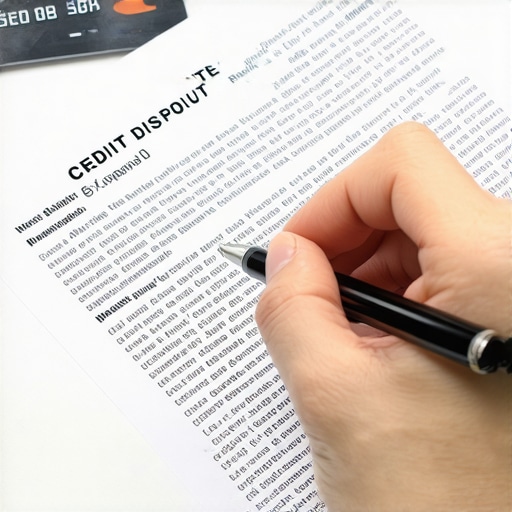
Many assume that credit counseling is a quick fix or that disputing every negative item on your report will magically boost your score. However, these misconceptions can lead to wasted effort or even harm your credit profile. One common myth is that all debt can be eliminated through dispute, but in reality, understanding the nuances—like the legal limitations on enforceability—is crucial [learn more here]. Another misconception is that improving your credit score hinges solely on reducing your utilization rate, when in fact, factors like the age of your accounts and payment history carry significant weight.
Overlooking these details can mean the difference between genuine progress and futile efforts. For instance, many mistakenly believe that closing old credit accounts will help their score, but closing paid-off accounts may actually shorten your credit history and lower your score. It’s a subtle yet impactful mistake rooted in the misunderstanding of how credit scoring models work.
Beware of the trap of relying solely on software tools for credit repair; while they can assist, they often lack the nuanced understanding needed to navigate complex disputes or legal boundaries. Consulting with a professional credit counselor, especially one familiar with the intricacies of the blueprint for effective credit strategies, can help you avoid pitfalls and harness strategies that truly work.
Can disputing errors actually hurt your credit score?
Surprisingly, yes. Incorrect or improperly handled disputes may backfire if they lead to account closures or are seen as frivolous by the bureaus. According to a study by credit experts, aggressive dispute tactics without proper documentation can trigger negative scoring effects. It’s essential to approach disputes with accurate evidence and a clear understanding of your rights under the Fair Credit Reporting Act.
Remember, credit repair isn’t about quick fixes but strategic, informed actions that respect the law and your long-term financial health. Are you aware of the subtle pitfalls that could derail your efforts? Have you ever fallen into this trap? Let me know in the comments below!
Invest in the Right Tools for Consistent Maintenance
Staying on top of your credit health requires more than just initial disputes; it demands ongoing monitoring and strategic adjustments. I personally rely on a combination of industry-leading software and time-tested methods to ensure my credit profile remains accurate and optimized. One essential tool I recommend is Credit Karma—a free platform that provides real-time updates on your credit score and alerts for any unusual activity. I use it daily to track fluctuations and catch errors early, allowing me to act swiftly if discrepancies arise. Additionally, I deploy a secure personal document organizer—digital folders categorized by date and creditor—to keep all correspondence, dispute records, and proof of payments organized. This practice makes follow-ups efficient and prevents oversights that can harm your credit if left unchecked.
For more comprehensive oversight, I utilize credit monitoring services that scan the major bureaus regularly, alerting me to new inquiries or changes. These tools are invaluable for detecting identity theft, unauthorized accounts, or errors that could slip past manual checks. The future of credit maintenance is leaning towards AI-driven platforms that predict potential score drops before they happen—staying ahead of the curve means adopting innovative tools early. As technology advances, integrating automated alerts with personalized consultation via credit counseling services will become the norm for proactive credit health management.
How do I maintain my credit improvements over the long haul?
The secret to lasting results hinges on disciplined habits and consistent tool use. Regularly reviewing your credit report—at least quarterly—helps catch new errors or fraud attempts before they impact your score. The latest strategies recommend setting calendar reminders for annual reviews and leveraging alerts from credit monitoring apps. Remember, the goal isn’t just to repair but to sustain a healthy credit profile that adapts to changing financial circumstances and credit policies.
In my experience, combining these tools with ongoing education—reading up on evolving credit laws or participating in online forums—enables smarter decisions. For instance, understanding how to use dispute templates effectively, as detailed here, empowers you to correct errors quickly and prevent recurrence. Try setting up automatic alerts for new inquiries and periodically requesting copies of your credit report. These simple but powerful steps keep your progress aligned with your long-term financial dreams.
Looking ahead, I predict AI-powered personalized credit advice will become indispensable, helping individuals tailor their strategies precisely. Embracing advance tools now positions you to benefit from these innovations, giving you a competitive edge in maintaining an excellent credit profile for years to come.
What are some consistent habits you can develop today to preserve your credit gains?
One practical tip is to schedule monthly check-ins using free tools like score booster tips. Incorporate a review of recent inquiries, balances, and any new accounts opened. Also, automate payments where possible to avoid late payments, which pose a significant risk to your hard-earned score. This discipline ensures that your credit profile remains clean, even amidst life’s surprises.
In summary, maintaining your credit progress demands strategic use of technology and disciplined routines. Empower yourself with the right tools, stay vigilant, and adapt to new trends in credit management. Now, I encourage you to try integrating a real-time credit monitoring app into your routine—it’s a small step that can yield substantial long-term benefits.
If you’re unsure where to start or want personalized guidance, visit our contact page. Remember, your credit health is a journey—equip yourself with the right tools and habits to navigate it successfully.

What No One Tells You About Credit Repair Lessons
One of the most eye-opening lessons I learned was that not all debts are equal—some are legally unenforceable simply because they surpass the statute of limitations. Recognizing this can empower you to challenge outdated debts confidently. I also discovered that the subtle nuances of credit laws, like the Fair Credit Reporting Act, hold keys to maintaining a healthy credit profile—knowledge that isn’t always readily shared. Lastly, the realization that continuous vigilance and smart tool usage are vital for long-term credit success transformed my approach from reactive to proactive, ensuring that my gains don’t fade away over time.
Tools That Truly Changed How I Manage My Credit
I rely heavily on credit counseling secrets, which provided me with tailored strategies that go beyond generic advice. For real-time tracking, credit monitoring services became indispensable, alerting me to any suspicious activity or errors that could be lurking. Additionally, tools like score booster tips have helped me optimize my credit profile strategically. Combining these technologies with comprehensive guides has been essential in building and preserving my credit health.
Light the Way: Your Credit Journey Is Within Reach
The path to solid credit health doesn’t have to be daunting. With informed decisions, the right tools, and a vigilant mindset, you can reclaim control over your financial future. Every effort you make today, from disputing outdated debts to monitoring your report, helps build a resilient credit profile that serves your long-term goals. Remember, your credit health is a journey—embrace it with confidence and purpose. Start implementing these strategies today, and watch as your financial confidence grows stronger each day.