

I sat there, coffee cold and palm sweating, staring at my monthly statement. Twenty-six percent. That was the interest rate my bank was charging me, even though I hadn’t missed a payment in years. It felt like a penalty for loyalty. I had finally reached a point where I could unlock my credit score potential, yet I was still being treated like a high-risk liability. That was my lightbulb moment: a high credit score is more than a badge of honor; it is a bargaining chip that most people leave on the table. [image_placeholder]
Stop Letting Banks Profit Off Your Silence
The truth is, credit card companies are terrified of losing good customers. They spend hundreds of dollars in marketing just to acquire one reliable borrower, so the last thing they want is for you to pack up and move your balance elsewhere. Today, I’m going to show you exactly how to stop being a passive payer and start being a negotiator. We are going to look at the specific scripts and data points you need to turn your FICO score into a lower APR. My biggest mistake when I started? I called up and simply asked, “Could you please lower my rate?” The representative said no, and I just hung up. I didn’t realize that why your credit score might be different on every app you check matters because you need to know which version the bank is looking at before you open your mouth. You need leverage, not just manners.
Will They Actually Lower My Rate Just Because I Asked?
It sounds too simple to be true, doesn’t it? You might think that these massive financial institutions have rigid, unchangeable algorithms. But here’s a surprising fact: according to a report by LendingTree, nearly 70% of people who asked for a lower interest rate on their credit card actually got one. The odds are heavily in your favor, but only if you know how to frame the conversation. If you’ve been struggling with high interest while your score climbs, have you ever actually picked up the phone and challenged the bank? It’s a lot less scary than it sounds. Sometimes, you just need to know how to get a goodwill adjustment for a single mistake to clear the path for a better deal. We’re about to dive into the exact steps to make this happen.
Gather Your Leverage Like a Pro
Before you even touch your phone, you need to know exactly what the bank sees. I learned this the hard way during a nervous call to a major lender three years ago. I thought my score was a 740 because of one app, but the bank was looking at an older FICO version. This is exactly why your credit score might differ across all three bureaus. If you walk into a negotiation with the wrong data, you’ve already lost your footing. You need to pull your reports from Equifax, Experian, and TransUnion to ensure there are no hidden anchors weighing you down. Think of your credit report like a resume; a single typo in the form of an incorrect balance can get your application (or negotiation) tossed in the trash.
The Script That Makes Banks Blink First
Negotiation isn’t about begging; it’s about presenting a better alternative. When I finally got my rate dropped from 26% to 17.5%, I didn’t ask for a favor. I told the representative, “I’ve been a loyal customer and I’m seeing offers from competitors for 18% APR. I’d prefer to stay with you, but I can’t ignore the financial impact of the difference. What can we do to make this card more competitive?” This puts the burden of retention on them. If they still won’t budge, it might be time to look into top credit repair strategies to boost your score faster, giving you even more ammunition for a follow-up call next month.
Fix the Hidden Errors Clogging Your Progress
Sometimes the bank says no because your debt-to-income ratio looks wonky or there’s a ghost on your report. A “ghost” is an error—a late payment that wasn’t actually late or an account you never opened. You must dispute errors effectively to ensure your bargaining chip is as shiny as possible. I once found a “settled” account that was actually paid in full; that small distinction was the difference between a rejection and a five-point interest rate drop. If you find multiple inaccuracies, following a step-by-step guide to success ensures you don’t miss the legal deadlines that protect your rights as a consumer.
Decide if Professional Counseling Is Your Next Move
If you find yourself staring at a mountain of collections or errors that keep reappearing, doing it alone can feel like trying to empty the ocean with a spoon. This is where you might need to master credit counseling to find a path out of the woods. These programs provide a structured blueprint that DIY methods sometimes lack, especially when dealing with aggressive creditors who ignore your letters. Professional counselors can often bridge the gap between you and the lender’s specialized departments that typical customer service agents can’t access.
When you start digging into the world of credit, everyone tells you the same thing: pay your bills on time and keep your balances low. While that is solid advice, it is also incredibly basic. If you want to play in the big leagues of financial leverage, you have to understand the nuances that the banks—and even some mainstream experts—get wrong. For years, I believed that simply paying off an old collection account would make my score skyrocket. I was wrong. In fact, without the right strategy, paying an old debt can sometimes cause your score to stall or even dip because it refreshes the ‘date of last activity’ on a negative item.
Ditch the Online Portal Before You Lose Your Rights
Here is my first contrarian take: stop using the ‘dispute’ button on your banking app or the credit bureau’s website. It is the single biggest trap in the industry. These portals are designed for the bureau’s convenience, not yours. When you click that button, you are often forced to choose from a limited dropdown menu of reasons for your dispute, which strips away your ability to provide detailed evidence. More importantly, many of these digital terms of service include clauses where you might inadvertently waive your right to a full investigation or future re-disputes. This is why you should never use an online portal to dispute errors if you want a permanent fix. Paper trails are your best friend because they provide a legal record that automated systems can’t easily ignore.

The real secret to moving the needle is knowing how to beat the machines. The bureaus use automated scanners to process disputes, and if your letter looks like a generic template, it might get flagged as frivolous. To break through, you need to learn how to stop the automated rejection loop in your next dispute by using specific factual challenges. A study by the Federal Trade Commission (FTC) found that one in five consumers had an error on at least one of their credit reports that was corrected after a dispute. That is 20% of the population walking around with an artificially suppressed score because of a clerical mistake. Don’t let yourself be a statistic just because you wanted a ‘convenient’ click.
Does the Method of Verification Really Prove the Debt is Yours?
Advanced credit enthusiasts often talk about ‘Method of Verification’ (MOV) requests. When a bureau claims an item is ‘verified,’ you have the right to ask exactly *how* they verified it. Did they just call the collector? Did they actually look at the original contract? Understanding the problem with method-of-verification-requests is crucial because the bureaus often give you a canned response. If you don’t push back, they win by default. This is where you have to how to read your credit report like a professional auditor to spot the inconsistencies in their verification claims.
The Truth About the Pay for Delete Myth
Another common mistake is assuming that ‘Pay for Delete’ doesn’t work anymore. Many bank representatives will tell you they aren’t allowed to remove a negative mark just because you paid. This is often a scripted lie. While they aren’t *obligated* to remove it, they certainly can. The key is to get the agreement in writing before a single cent leaves your pocket. I’ve seen people use the secret to negotiating a pay-for-delete agreement that sticks to clear years of damage in a single month. If you just pay the debt without this agreement, you might find the reason your score did not jump after paying off your cards is that the negative history is still anchored to your profile, just labeled as ‘paid.’
Have you ever fallen into the trap of paying a debt only to see your score stay exactly the same? Let me know in the comments. Let’s talk about the specific roadblocks you’re hitting so we can find a way around them.
Treat Your Report Like a High-Performance Engine
I don’t just fix my credit once and walk away. I treat my credit report like a high-performance engine; you don’t change the oil once and expect the car to run forever. Once you’ve started to the science of credit repair, the real work is in the maintenance. I’ve seen people work incredibly hard to hit a 750, only to let a single missed utility bill or a forgotten subscription send them spiraling back into the 600s. To prevent this, I use a ‘Credit Audit’ day on the first Saturday of every month. I sit down with my spreadsheets and compare my current balances against what is actually reporting to the bureaus. This is the only way to catch a ‘sneaky’ balance decrease that isn’t reflecting, which can negatively impact your utilization ratio.
The Gear I Use to Keep the Bureaus in Check
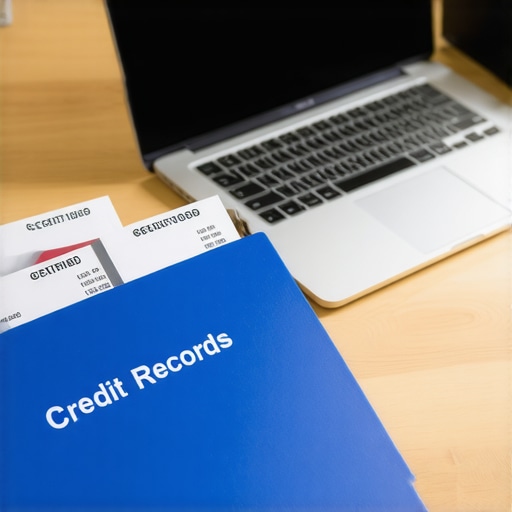
People always ask me what fancy software I use, but the truth is my most important tool is a physical blue accordion folder. Every time I send a letter, I clip the Certified Mail receipt to the copy of the letter I sent. This is the paper trail that protects you during debt settlements and disputes. If you ever have to sue a bureau or a creditor for violating the Fair Credit Reporting Act (FCRA), your lawyer is going to ask for those receipts, not a screenshot of an email. For digital monitoring, I personally avoid the free apps that update once a week. I pay for a 3-bureau monitoring service that uses the actual FICO scores lenders see, rather than the VantageScore models that most free apps provide. Knowing fast credit repair tips is great, but having the right data to act on those tips is what makes them effective.
How do I maintain my credit health for the long haul?
Maintenance is about anticipation. I recommend setting up ‘micro-payments’ where you pay your credit card balance every time you get a paycheck, rather than once a month. This ensures your reported balance is always low, regardless of when the bank ‘snaps’ a picture of your account. Furthermore, you need to stay educated on the legal side. For instance, according to 15 U.S.C. § 1681i, the bureaus must perform a ‘reasonable’ reinvestigation of your disputes. If they just use an automated system without looking at your proof, they are in breach of federal law. If things get too complex or if you’re dealing with a massive financial reset, you might need to master credit counseling to help manage the volume of communication between you and your creditors.
The Future of FICO Is Getting More Personal
Looking ahead, the trend in the industry is moving toward ‘Trended Data’ with the rollout of FICO 10T. This means lenders won’t just look at what your balance is today; they will look at whether your balances are growing or shrinking over the last 24 months. You can no longer ‘cheat’ the system by paying everything off right before you apply for a mortgage. The machines are getting smarter, which means your habits have to get better. My biggest piece of advice? Try this today: go into your banking app and set an alert for any transaction over $1. It sounds annoying, but it is the ultimate way to catch identity theft or unauthorized inquiries before they ever have a chance to settle into your credit report history.
What Banks Pray You Never Discover About Your Report
Looking back at my journey, there are a few ‘lightbulb moments’ that changed everything. First, I realized that banks treat your credit score as a profit-margin indicator, not a measure of your character. If your score is low, they make more money. Second, the ‘frivolous dispute’ tag is often used as a scare tactic to stop you from exercising your legal rights. Finally, I learned that a phone call rarely leaves a trail, but a certified letter creates a legal deadline the bureaus cannot ignore. If you want to learn how to dispute errors on your credit report and improve score, you must stop treating it as a polite request and start treating it as a formal audit.
The Arsenal I Use to Fight the Bureaus
You don’t need a degree in finance, but you do need the right tools. I always keep a copy of the Fair Credit Reporting Act (FCRA) nearby; it is the ultimate rulebook for consumer protection. For those who feel overwhelmed by the sheer volume of paperwork, you might want to master credit counseling to gain a structured perspective. I also swear by a dedicated physical filing system for my ‘Certified Mail’ receipts—these are your only proof that the clock has started on a bureau’s 30-day investigation window. If you’re looking for a comprehensive strategy, the ultimate blueprint for effective credit repair is an excellent place to build your foundation.
Take the Keys to Your Financial Future
Your credit history is a living document, and for the first time, you are the one holding the pen. Whether you are dealing with a single reporting error or a complex web of old debts, the most important step is the one you take today. You have the right to a report that is 100% accurate, and you have the power to enforce that accuracy. By using credit score boosters and staying persistent, you can transform your financial reality in months, not years. Don’t let the machines decide your worth—take charge of your credit repair journey and open doors you thought were locked forever. Have you ever felt like you were hitting a brick wall with a credit bureau? Let me know your story in the comments below.