

Have you ever gone to check your credit report only to find a wrong name or outdated address lurking there? It’s one of those small errors that feel harmless but can actually cause big headaches—delays in loan approvals, higher interest rates, or even denial of credit altogether. I remember the first time I spotted a typo in my report; it was a wake-up call. Suddenly, I realized that even minor inaccuracies could have a real impact on my financial future. That realization motivated me to learn how to dispute errors effectively, and today I want to share those insights with you.
Why Correcting Your Name and Address Errors Matters More Than You Think
Your credit report isn’t just a list of your debts; it’s a detailed story of your financial life, and inaccuracies can distort that story significantly. When your name or address doesn’t match your official records, creditors may get confused about your identity or reject valid applications, thinking you’re a different person altogether. This discrepancy can lead to missed opportunities, like getting approved for a mortgage or a new credit card at a competitive rate.
Personal experience taught me that the process of correcting these errors isn’t just a routine task—it’s a crucial step in maintaining a healthy credit profile. When I discovered an incorrect address, I learned that disputing the mistake was straightforward enough once I knew the right steps. Plus, keeping your information accurate helps ensure that all your positive payment history is properly reflected, boosting your score over time.
Interestingly, the Consumer Financial Protection Bureau highlights that about 1 in 5 credit reports contain errors, many of which are simple address or name mistakes. That’s a lot of opportunities for your report to be less than perfect—which can hold you back. Recognizing the importance of fixing these inaccuracies, I began exploring proven dispute techniques, which turned out to be more effective than I initially expected. If you’ve ever faced this problem, you’re not alone—many people underestimate how much these small errors can affect their financial health.
Now, let’s dive into how you can take control and correct your report, clearing the way for better credit opportunities. Whether you’re getting ready to buy a house or just want to ensure your report is accurate, the right approach can make all the difference.
Gather Your Documentation First
Start by collecting official documents that verify your correct name and current address, such as driver’s license, Social Security card, utility bills, or bank statements. I once thought I could just request a correction without proof, but the bureau insisted on supporting documents, so having them ready saved me time. Accurate documents are like a solid foundation—they make your dispute stronger and more credible.
Obtain Your Credit Reports from All Major Bureaus
Request free copies from TransUnion, Equifax, and Experian—disputes should be filed with each to ensure comprehensive correction. I recommend ordering reports directly from [AnnualCreditReport.com](https://creditrenewals.com/how-to-dispute-errors-on-your-credit-report-and-improve-score) to avoid scams. Review each report closely, highlighting every instance where your name or address is inaccurate—precision here avoids confusion later.
Identify and Mark All Errors Clearly
Create a detailed list of inaccuracies, specifying the exact item, the correct information, and include the corresponding report sections. Think of this as a blueprint—without clarity, the correction process becomes chaotic. For example, if your name is misspelled as “Jonathon” instead of “Jonathan,” note that distinctly. This clarity speeds up the process and reduces back-and-forth with credit bureaus.
Dispute Errors Effectively via Certified Mail
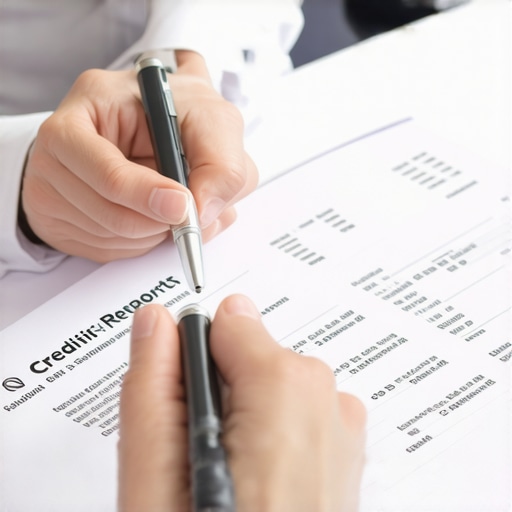
Prepare a dispute letter that clearly states each error, attaches supporting documents, and requests the correction. Use certified mail with return receipt to track your submission—this legal proof of your effort. I learned from personal experience that online disputes often get ignored or delayed, so mailing documents with proof of delivery gives you leverage and peace of mind. Read more about [dispute errors like a pro](https://creditrenewals.com/dispute-errors-like-a-pro-improve-your-credit-with-ease).
Follow Up and Keep Records
After mailing your disputes, wait about 30 days for the bureaus to process, then review the responses. If errors aren’t corrected, escalate by contacting the bureau supervisors or filing complaints with the Consumer Financial Protection Bureau. Keeping meticulous records helps in case of prolonged delays or disputes. This step ensures your efforts lead to tangible improvements, reflecting the importance of persistent advocacy in credit repair.
Inspect Your Updated Credit Reports
Once corrections are made, obtain new copies to verify that your name and address now match your official records. This verification is crucial—an unchanged report suggests your dispute was unsuccessful or incomplete. Regularly monitoring your report, by [acting now](https://creditrenewals.com/how-to-dispute-errors-on-your-credit-report-and-improve-score), helps you catch fresh errors early, maintaining the integrity of your credit profile.
Many believe that simply filing a dispute or understanding the basics of credit repair is sufficient—however, these assumptions often lead to overlooked nuances that can undermine your efforts. A common myth is that once a dispute is filed, the correction is automatic and guaranteed. In reality, the quality of your documentation and your dispute strategy heavily influence the outcome. Personal experience shows that poorly prepared disputes are the most frequent cause of failed corrections, so meticulousness is key. Additionally, some think that quick fixes or paid services can instantly boost their credit scores without long-term effort, but data indicates that sustainable improvements stem from strategic, well-informed actions rather than shortcuts. Beware of the trap of relying solely on online dispute portals, which often lack the human element essential for nuanced cases involving complex errors or identity theft. In fact, studies from the Federal Reserve highlight that manual review processes, when executed correctly, lead to higher correction success rates, emphasizing the importance of human intervention over automated solutions.
Why do some disputes succeed while others fail despite similar efforts?
It boils down to the level of preparation, supporting evidence, and understanding of credit reporting nuances. For example, disputing an incorrect address without supporting proof like utility bills or official documents weakens your case. Overlooking this comprehensive approach can result in prolonged delays or rejections, wasting time and energy. Recognizing this, professional credit repair experts advise that attention to detail and documentation quality are pivotal—more than just submitting a complaint. If you’re exploring advanced dispute techniques, I recommend reviewing this resource for proven methods. Remember, the process isn’t just about correcting errors; it’s about strategically managing your credit profile to prevent future inaccuracies. Do not fall into the misconception that credit correction is a one-step process; it necessitates ongoing vigilance, informed actions, and sometimes, expert guidance. Proper understanding of these nuances can dramatically alter your success rate and financial trajectory. Want to master these advanced strategies? Dive into this comprehensive blueprint to elevate your credit repair efforts. Have you ever fallen into this trap? Let me know in the comments.
Keep It Running: Tools I Recommend for Long-Term Credit Health
Maintaining a healthy credit profile over time requires more than just knowing how to dispute errors; it demands reliable tools and consistent habits. Personally, I rely on a combination of software and organizational methods that streamline the process and keep my credit management proactive. One of my top tools is Credit Karma, which provides free weekly updates on my credit scores and reports from TransUnion and Equifax. Its user-friendly dashboard helps me spot discrepancies early and track improvements over time.
For disputes, I primarily use specialized dispute platforms that facilitate swift and documented submissions. These platforms are designed to craft accurate and detailed letters, which research shows significantly increases dispute success rates. Additionally, I utilize a Secure Document Organizer—a digital folder system on my cloud service—to keep copies of all dispute correspondence, supporting documents, and follow-ups. Staying organized ensures I can quickly respond to bureau requests or escalate issues when needed.
Beyond software, setting reminders for periodic credit review is crucial. I schedule quarterly check-ins to re-evaluate my reports and ensure no outdated information resurfaces, aligning with expert advice from credit counseling principles. Doing so helps prevent complacency and keeps my financial goals on track. Looking ahead, automation may play an even bigger role—future advancements in AI could offer real-time credit status alerts, enabling instant action before issues escalate.
So, how do I maintain consistent progress? Simple habits combined with these tools enable me to avoid common pitfalls like neglecting outdated information or missing dispute deadlines. Check out this guide for proven strategies to boost your score continually while utilizing tech to stay ahead.
How can you make your credit maintenance routine more effective today?
Start implementing tools like credit monitoring apps, digital organizers, and dispute platforms that suit your needs. Take the initiative to review your reports regularly and act swiftly on discrepancies. A practical tip? Use the free weekly updates from Credit Karma to catch errors early and dispute them as soon as possible. Practicing these habits consistently can lead to sustainable improvements and greater confidence in your financial health. Want to jumpstart your credit maintenance? Try setting a quarterly review schedule and utilize a dispute platform to keep errors at bay.
The Hardest Lesson I Learned About Disputing Errors, Credit Repair, and Building Trust
Early in my journey, I believed that fixing a few errors was enough to set my credit on a steady path. However, I quickly realized that consistent vigilance and attention to detail are vital; one overlooked discrepancy can unbalance your entire financial reputation. Trusting that bureaus would resolve issues promptly was a mistake—patience and persistence became my best allies.
Why Not Every Tool Is Created Equal in Credit Repair
Initially, I relied on free online dispute portals, thinking they were sufficient. But I discovered that personalized dispute letters, supported by legitimate documents, have a much higher success rate. This taught me that investing time and effort into crafting thorough, well-documented disputes is far more effective than quick online submissions. Quality always trumps quantity when it comes to correcting credit mistakes.
Don’t Underestimate the Power of Keeping Your Records Tight
Having your documents organized—utility bills, official IDs, bank statements—improved my dispute results significantly. I learned that a meticulous record-keeping system not only expedites the repair process but also gives you leverage when dealing with uncooperative bureaus. Your due diligence will be your strongest tool in holding your credit report accountable.
How I Transformed My Approach to Long-Term Credit Health
Regularly monitoring my credit with tools like Credit Karma allowed me to spot new errors before they grew. I also adopted quarterly reviews and was quick to dispute inaccuracies, which kept my credit profile accurate and healthy. Now, I see credit management as an ongoing process—one that requires proactive habits rather than reactive fixes. Building good credit is a marathon, not a sprint.
Curated Tools That Changed My Credit Journey
Credit Karma has been an invaluable resource for me, providing free access to credit scores and reports, helping me stay informed without additional costs. Dispute resolution platforms like those recommended in this guide streamline my disputes and improve my success rate. Lastly, I rely on a Digital Document Organizer—a simple yet powerful way to keep all my proof and correspondence accessible. These tools turned what felt daunting into manageable steps, reinforcing the importance of leveraging technology alongside diligence.
Take the Recharge Step Now
Your credit health is a reflection of your effort and strategy. By embracing comprehensive, personalized dispute techniques, maintaining organized records, and staying vigilant, you set yourself up for long-term success. Remember, improving your credit isn’t just about fixing errors—it’s about taking control and creating a resilient financial future. Are you ready to step up your credit game today? Share your experiences or ask questions below, and let’s grow stronger together.