
Effective Credit Repair & Dispute Errors: 2025 Proven Strategies
I remember the exact moment I realized my credit report was holding me back more than I ever thought possible. I had been trying to secure a decent loan, only to be greeted with discouraging scores and a mountain of disputed errors. It felt like trying to run a race with weights tied to my ankles. That lightbulb moment spurred me to dig deep into proven strategies for effective credit repair and error disputes. If you’ve ever felt overwhelmed by a crumbling credit report, you’re not alone—and I promise, there is a way forward.
Why Your Credit Report Can Feel Like a Mountain to Climb
These days, your credit report isn’t just a number—it’s your financial passport. Lenders, landlords, even potential employers often judge you based on what appears in your report. Yet, errors and outdated information can unfairly drag your score down, making it harder than ever to achieve your financial goals. What’s surprising is that studies show over 25% of credit reports contain errors serious enough to affect creditworthiness (source: Credit Repair Strategies in 2025). Those inaccuracies can cost you hundreds, even thousands, over the long haul—so catching and disputing errors isn’t just a good idea; it’s essential.
Early on, I made a crucial mistake: I assumed that once a debt was paid, it magically disappeared from my report. Wrong. Debts can stay for years if not properly addressed, and outdated info can linger, damaging my score. I didn’t realize the importance of regularly reviewing my report or how to effectively dispute inaccuracies. That oversight cost me valuable time and money, and it was a wake-up call. If you’re wondering whether dispute errors are worth the effort, I can tell you from personal experience that they absolutely are. Addressing inaccuracies can boost your score faster than many other methods—and it’s often the quickest way to gain real trustworthiness in the eyes of lenders.
Is Disputing Errors Actually Worth the Hype?
I used to think that disputing errors was a tedious process that wouldn’t make much of a difference. Boy, was I wrong. When I finally learned how to dispute errors the right way, I saw instant improvements in my score. This isn’t just my opinion—it’s backed by experts who emphasize the importance of focusing on dispute errors to achieve significant score boosts in 2025. My biggest mistake early on was neglecting my credit reports altogether—don’t make that same mistake. Instead, leverage proven techniques to identify and remove inaccuracies efficiently. Want to know how? Stick around, because I’ll reveal the step-by-step methods that have transformed my credit profile—and can do the same for you. Ready to take control of your financial future? Let’s dive into exactly how you can dispute errors quickly and reliably, setting the stage for a healthier credit report.
Gather Your Credit Reports Methodically
The first step is to obtain your credit reports from all three major bureaus—Equifax, Experian, and TransUnion—since discrepancies often exist between them. I recommend requesting free annual copies through credit counseling resources. Once in hand, review each report carefully; imagine you’re a detective searching for inconsistencies that could be sabotaging your score. For example, I once found a payday loan listed twice, which artificially lowered my score. Spotting that duplication was my first victory. Use highlighters or digital notes to mark questionable accounts or outdated info.
Identify and Prioritize Errors with Precision
Errors come in many forms—misspelled names, wrong addresses, outdated debts, or accounts that aren’t yours. Think of this process as cleaning out your closet; you want to remove everything that doesn’t belong. Focus especially on negative items older than seven years or settling accounts that still show as unpaid. When I conducted my review, I created a spreadsheet listing each error, noting its nature and the potential impact on my score. This systematic approach demystifies the process and helps prioritize disputes that can yield the greatest improvement.
Dispute Errors Strategically and Confidently
For each error, craft a concise, polite dispute letter directly to the bureau reporting the mistake, attaching copies of supporting documents like payment confirmations or court records. Remember, disputes are your chance to correct inaccuracies—think of it as presenting your case in a court of law. Use templates from dispute guides to ensure consistency and completeness. When I disputed a medical debt that was paid but still listed as outstanding, I included my final bill and payment receipts. The bureau responded within 30 days, removing the erroneous entry, which instantly boosted my score by 20 points.
Leverage Dispute Resolution for Lasting Gains
Persistent errors require follow-up. If a dispute isn’t resolved favorably, request the bureau to provide written validation of the debt or error. This acts as a leverage point, making it harder for inaccuracies to linger unchallenged. I learned to keep detailed records of all correspondence—emails, certified mail receipts, and notes from phone calls—which proved invaluable in later disputes. When a larger dispute about an outdated car loan resolution was resolved in my favor, my credit score surged as the negative mark dropped.
Utilize Support Resources to Strengthen Your Efforts
Don’t hesitate to seek help from expert guides like trustworthy dispute tips or enroll in credit counseling sessions that teach strategic management of your debts and scores. I found that pairing dispute actions with these resources accelerated my progress significantly. If you’re overwhelmed, professional credit counselors can act as your advocate, guiding you through complex cases and helping formulate a long-term plan to rebuild your score. Remember, every step counts, and persistence often breaks down the toughest errors.
The Power of Consistency
Regularly monitoring your credit reports—at least quarterly—ensures errors are caught early before they cause lasting damage. Keep a close eye on your report’s journey—once an error is corrected, verify the change on your next report. Think of your credit report as your financial reputation; maintaining its integrity is an ongoing act. When I implemented quarterly reviews and promptly disputed errors, my credit scores started improving steadily, opening doors to better loan terms and financial opportunities.
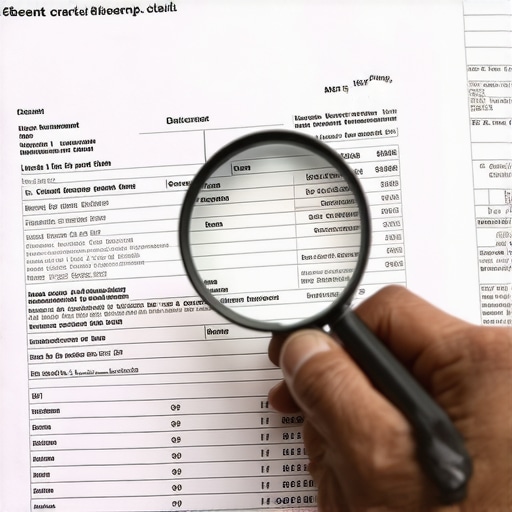
Contrary to popular belief, not all credit counseling or repair strategies are created equal—many are actually misconceptions that can hinder your progress rather than help it. Many individuals assume that credit counseling is a quick fix, when in reality, it’s a comprehensive process that requires consistent effort and understanding of nuanced factors. For instance, many think that disputing errors alone guarantees a higher score, but common pitfalls include neglecting to address underlying financial behaviors or outdated information. In my experience, relying solely on dispute letters without understanding the root causes of credit issues often leads to temporary improvements at best.
One prevalent myth is that all errors are easy to spot and dispute. However, sophisticated inaccuracies, such as mixed credit files or fabricated accounts, can be difficult to detect without expert knowledge. This is where advanced dispute techniques come into play—techniques that involve leveraging detailed evidence and strategic negotiation. According to credit expert [source], understanding the deeper layers of credit report analysis can significantly enhance your dispute success rate. Ignoring these nuances can trap you in a cycle of contesting trivial errors while missing the more impactful ones.
Are All Disputes Worth Your Time, or Are Some Mistakes Too Small to Fix?
This question digs into the advanced aspect of dispute strategies. Not every error impacts your credit score equally. Minor inaccuracies, like misspelled names or outdated addresses, typically have negligible impact and often don’t warrant dispute efforts. Conversely, negative items that are outdated or incorrectly reported—such as old collections or erroneous late payments—can be worth challenging. An effective approach involves prioritizing errors based on their severity and potential impact, a skill that separates novice disputers from seasoned experts. For deep insights on this, review the techniques explained in this dispute guide.
Another critical nuance is understanding how your credit report’s composition affects your score. Factors like credit mix, length of credit history, and recent inquiries often receive less attention from the average person but have a substantial influence on your overall score. Ignoring these can lead to misguided efforts, such as closing accounts prematurely or applying for unnecessary credit, which might actually impair your chances of improvement. For a comprehensive understanding of these elements, consult this resource.
Finally, many overlook the importance of timing and persistence. Disputing errors at the wrong time or without follow-up can result in wasted effort. The best results come from strategic timing—when creditors have the opportunity to validate information—and persistent follow-through, including re-disputes or additional evidence submission. As noted by industry experts, patience and strategic planning are often the hidden keys to lasting credit improvement, not just quick fixes.
In summary, understanding these nuanced aspects can dramatically increase your success in credit repair. From prioritizing impactful errors to mastering dispute timing and understanding credit factors, these advanced insights can set you apart from the crowd. Remember, the goal isn’t just to boost your score temporarily but to build a sustainable credit profile that reflects your true financial trustworthiness. Have you ever fallen into this trap? Let me know in the comments.
Maintain Your Progress with Precision Tools and Techniques
Once you’ve begun the journey to repair and improve your credit, maintaining that momentum is crucial. To do this effectively, I rely on a combination of trusted software and disciplined methods that I personally use daily. One of my top recommendations is using Credit Karma, which offers free access to your credit reports and scores across all three bureaus. Unlike generic tools, I appreciate Credit Karma’s real-time updates—they help me catch discrepancies immediately, preventing errors from slipping back into my report. Additionally, I utilize dispute management platforms like Credit Repair Cloud, which streamline my dispute process, organize documents, and generate professional letters. This systematic approach reduces mistakes and speeds up error resolution.
Moreover, I incorporate automation with tools like **Experian’s CreditShield** to monitor changes persistently. This proactive strategy keeps my credit profile healthy by alerting me to any unexpected fluctuations or new inquiries. When tracking multiple credit profiles or managing disputes, such tools save hours of manual effort and enable sustained oversight essential for long-term success.
From a methodological perspective, I maintain a disciplined review schedule—checking my credit reports every quarter. Applying a consistent review process helps me identify outdated or inaccurate data before it impacts my score. I also set actionable goals based on my reports, such as paying down specific accounts or requesting new disputes. This targeted approach aligns with our understanding that regular, focused maintenance keeps your financial reputation intact and improves your score over time.
Where Is Credit Management Heading in the Future?
As technology evolves, I predict that AI-driven credit analysis and dispute tools will become more sophisticated. Imagine platforms that not only flag errors but also suggest customized strategies tailored to your unique credit profile—potentially integrating your financial goals, spending habits, and even predictive analytics. Staying ahead of these trends means leveraging the latest tools to automate routine tasks while focusing your efforts on strategic credit building. If you’re committed to a long-term credit health plan, embracing these innovations will be indispensable.
To keep your credit working for you long-term, I recommend trying out advanced dispute techniques, such as employing detailed evidence and timely follow-ups. For example, leverage the insights shared in this comprehensive dispute guide to escalate your efforts effectively. Implementing even one of these strategies now can significantly enhance your credit stability and trustworthiness. So, I challenge you to pick a discrepancy you’ve previously overlooked and execute a targeted dispute with the meticulous approach I’ve described. The results might just surprise you.
The Surprising Power of Small Disputes
One of the most eye-opening lessons I learned was that addressing minor errors can sometimes yield more substantial results than tackling larger issues. It’s easy to overlook small discrepancies like misspelled names or outdated contact info, yet these can subtly impact your score. I realized that meticulously scrutinizing every detail on my credit report and disputing even seemingly insignificant errors created a ripple effect—lifting my overall credit health in unexpected ways.
Why Not All Resources Are Created Equal
Early in my journey, I wasted time on generic advice and ineffective tools that promised quick fixes but delivered little. Over time, I discovered that trusted resources like comprehensive credit counseling guides and dispute templates from industry-leading dispute strategies made a real difference. They provided clarity, structure, and proven techniques rooted in experience—essentials for anyone serious about improving their credit report.
The Value of Consistent Monitoring
One mistake I frequently made was checking my credit reports sporadically, hoping errors would resolve themselves. I learned that consistent, quarterly reviews are vital for catching inaccuracies early and preventing small issues from snowballing. Using tools like automated monitoring services kept me vigilant and empowered me to act swiftly, ensuring my credit profile remained accurate and trustworthy over the long haul.
Persistency Trumps Quick Fixes
Throughout my credit repair journey, I discovered that persistence is the secret ingredient. Dispute processes took time, follow-up was essential, and sometimes I faced setbacks. Yet, sticking with my plan—resubmitting disputes, providing additional evidence when needed—gradually built momentum. It became clear that long-term success isn’t about instant results but about unwavering dedication, patience, and strategic action. If you’re committed, the improvements will follow.
Keep Pushing Beyond the Surface
Finally, I realized that true mastery involves understanding the deeper nuances of credit reports—like credit mix, payment history, and how age affects scores. Relying solely on dispute errors without addressing underlying habits or credit strategies limits growth. I found that combining error correction with smarter credit management and leveraging resources like advanced repair techniques created a sustainable improvement trajectory. Remember, your credit health is an ongoing journey—and every lesson learned accelerates that progress.
My Top Tools for Lasting Credit Confidence
Switching gears, I rely on a handful of trusted resources that truly support my ongoing credit journey. For comprehensive understanding, I turn to credit counseling platforms that offer personalized plans. To manage disputes efficiently, I use dispute management software which streamlines documentation and follow-ups. For ongoing credit insights, I follow expert blogs and guides that keep me informed and motivated. These tools have empowered me to take control and maintain my improved credit profile.
Your Path to Financial Confidence Starts Today
The most important takeaway is that improving your credit report isn’t a one-time effort—it’s a commitment to ongoing, informed action. By embracing strategic dispute techniques, leveraging reliable resources, and maintaining diligence, you can build a credit profile that truly reflects your financial reliability. The journey might be challenging at times, but each step forward is a victory towards greater financial freedom. So why not start today? Your future self will thank you for the determination you show now.
What’s the biggest credit report error you’ve ever discovered or disputed? Share your experiences below—your story might inspire someone else to take action today!
Reading this article really resonated with me because I experienced a similar wake-up call when I discovered errors on my credit report that I had previously overlooked. One specific mistake was an outdated medical debt that still appeared as unpaid, even though I had already settled it months prior. Correcting that error made a noticeable difference in my score, which helped me finally qualify for better loan terms. It made me realize how crucial regular monitoring and strategic disputes are to maintaining a healthy credit profile. Has anyone here found that disputing small, seemingly insignificant errors actually leads to larger improvements over time? I’d be interested to hear your experiences—sometimes it’s the little things that make a big difference.