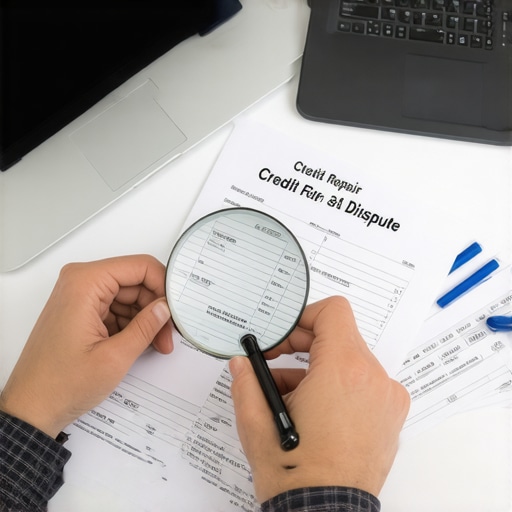
Credit Score Boost: Effective Repair & Dispute Tips for Lasting Results
Ever stared at your credit report and felt a sinking feeling because of those pesky errors or outdated information? I’ve been there, too. I remember the moment I realized that a single mistaken late payment on my report was dragging my score down more than I thought possible. It felt like trying to climb a mountain with a weight strapped to my ankle. That lightbulb moment—knowing that fixing these errors could be the game-changer—set me on a journey to learn how to repair my credit effectively.
Why Your Credit Score Holds the Key to Your Financial Future
Here’s the truth: your credit score isn’t just a number. It’s your financial reputation, influencing everything from getting approved for a loan to landing a competitive job. A higher score can unlock better interest rates, saving you thousands over time. But what if your score is holding you back? That’s where effective repair and dispute strategies come into play. And trust me, it’s not just about fixing errors—it’s about building lasting trust in your financial profile.
Is Disputing Credit Errors Worth the Hassle?
I used to think disputing errors was a waste of time, a myth that most mistakes were too minor to matter. My early attempt? I ignored a small, outdated collection account, thinking it wouldn’t make a difference. Big mistake. That oversight cost me dearly. Later, I learned that many errors are surprisingly common—some studies suggest up to 20% of credit reports contain inaccuracies. Disputing errors with the right techniques can be straightforward and incredibly effective. Want to see how you can do it the right way? Check out this step-by-step guide to mastering credit disputes.
So, today, I’ll walk you through proven methods to boost your credit score—techniques that have helped many rebuild their financial trust. We’ll cover how to identify errors, dispute them swiftly, and maintain a healthy credit profile for the long haul. Ready to take control? Let’s dive into the practical steps that can turn your credit report into a powerful asset rather than a hurdle.
Identify Mistakes on Your Credit Report
The first step to repairing your credit is to obtain a copy of your credit report from all three major bureaus—Equifax, Experian, and TransUnion. Review each report carefully, looking for inaccuracies such as outdated accounts, incorrect balances, or wrongly reported late payments. I remember sitting down with my printed reports one Saturday morning, marking errors with a red pen. It was messy, but that clarity helped me see exactly what needed fixing.
Gather Evidence to Support Your Dispute
Once you spot an error, collect supporting documents—credit card statements, payment receipts, or court documents—that prove your case. These will be your evidence when disputing the item. Think of it like building a case in court; every piece of proof strengthens your argument. This preparation made my dispute process smoother and more convincing when I contacted the bureaus.
Dispute Errors Swiftly and Securely
Next, submit your dispute online, by mail, or via phone. For most, the fastest method is to use the online portals on the bureaus’ websites. When I disputed a mistaken collection account, I used the online dispute form and attached scanned copies of my evidence. Remember, keep copies of everything and send your disputes via certified mail for tracking. This ensures your dispute is handled securely and efficiently. For detailed guidance, check out the dispute process.
Follow Up and Confirm Changes
After submitting your disputes, monitor your email and credit reports for updates. bureaus typically have 30 days to investigate and respond. If they find the error, they will update or remove the incorrect info. I once had to follow up twice with Experian after a dispute, which delayed the correction by a few weeks, but persistence paid off. Confirm the corrections once the bureau notifies you, and then check your credit report to ensure the error is resolved.
Maintain a Healthy Credit Profile
Disputing errors is a critical step, but ongoing management is essential. Pay your bills on time, reduce your debt load, and avoid opening unnecessary new accounts. Building trust in your credit report is like tending a garden—consistent care yields the best results. For further tips on establishing good credit habits, explore the effective repair strategies.
Consider Professional Credit Counseling
If you find yourself overwhelmed or unsure about the process, professional credit counseling can help. Experts can guide you through dispute procedures and help develop a long-term plan to boost your score. It’s like hiring a coach to improve your financial game. Learn more about how credit counseling can transform your financial future at this resource.
Many people approach credit repair with misconceptions that can hinder their progress. Let’s challenge some of the most prevalent myths and reveal hidden nuances that even seasoned borrowers often overlook. Understanding these can make your credit journey more effective and less frustrating.
Myth: Fixing Errors Guarantees a Higher Score
While correcting inaccuracies is crucial, it’s not a magic bullet. The impact of a dispute depends on the nature of the error and your overall credit profile. For instance, removing a minor late payment might boost your score temporarily, but consistent positive behavior has a more lasting effect. According to a study by FICO, the most significant factors are payment history and credit utilization, which means fixing errors is just part of the larger puzzle. Focusing solely on disputes without managing your debt and payment habits can be a costly mistake.
The Overlooked Power of Long-Term Habits
Many believe credit repair is all about quick fixes. In reality, the most sustainable strategy involves cultivating good financial habits—paying bills on time, reducing debt, and maintaining low credit utilization ratios. These factors are often underestimated by beginners, but they are the pillars of a strong credit profile. Professional credit counseling can help you develop these habits effectively, ensuring your scores improve steadily over time. Discover more about effective credit counseling strategies.
Beware of the Dispute Trap
One common mistake is to dispute every negative item without understanding the consequences. Not all errors are worth disputing, especially if the correction could harm your credit history or if the dispute process is lengthy and uncertain. Moreover, frequent disputes can sometimes flag your account for review, possibly affecting your score negatively. Instead, prioritize disputes that are clear-cut errors backed by solid evidence. For complex or disputed accounts, consulting with a credit expert can save you time and frustration.
Can Disputing Errors Hurt Your Credit?
This is a question that confuses many. Disputing errors, when done correctly, should not harm your credit. However, if you submit disputes frivolously or with false information, it could lead to investigations that might temporarily lower your score or flag your report for review. Always ensure your claims are legitimate and supported by documentation. For detailed steps, refer to this guide on dispute processes.
Finally, remember that credit repair is a marathon, not a sprint. Patience, consistency, and strategic actions—like understanding the nuances of credit scoring—are your best tools. Have you ever fallen into this trap? Let me know in the comments.
Maintaining a strong credit score over time requires more than just initial repair efforts; it demands the right tools and consistent habits. Personally, I rely heavily on specialized software and detailed tracking methods to ensure my credit profile stays in top shape. One tool I swear by is Credit Karma—it offers free, real-time updates on my credit scores and reports from all three bureaus. This constant visibility allows me to spot any anomalies early, preventing small issues from snowballing into larger problems.
For more detailed insights, I also use trusted dispute strategies to stay prepared for any discrepancies. When I notice a change that seems suspicious, I use the bureau-specific portals, like Experian’s online dispute system, to quickly address errors with the backing of my documented evidence. This proactive approach keeps my report accurate and trustworthy, which is vital for long-term credibility.
Beyond software, setting up automated bill payments has been a game changer. I use the banking app’s automatic payment feature to ensure I never miss a due date. This simple habit, combined with my regular credit report reviews, helps me sustain a positive payment history—a cornerstone of good credit scores. Experts predict that as technology advances, AI-driven tools will become even more integral to credit management, offering personalized advice and instant alerts to anomalies, further simplifying the process.
How do I maintain my credit health over time?
Consistency is key. I keep a close eye on my credit utilization, aiming to keep it below 30%, and regularly pay down debts. Additionally, I schedule quarterly reviews of my credit report to catch errors early. For those seeking more advanced techniques, I recommend exploring effective repair strategies that go beyond just fixing errors—like optimizing your credit mix and reducing new credit inquiries. Incorporating these strategies into your routine can dramatically boost your score and build lasting trust in your financial profile.
Looking ahead, I believe AI and machine learning will revolutionize how we manage credit. Future tools might predict potential score dips before they happen, offering preemptive advice. To stay ahead, I encourage you to try integrating automated monitoring with personalized action plans—it’s the best way to keep your credit score resilient and thriving.

The Hardest Lesson I Learned About Credit Repair
One of the toughest realizations was that disputing errors alone won’t guarantee a higher score. It’s easy to focus on fixing mistakes, but without managing your overall credit habits, those corrections won’t stick long-term. I once spent weeks disputing minor errors, only to see my score stagnate because I hadn’t addressed my debt levels or payment history. This taught me that comprehensive credit health is about balance, not just correction.
Why Overlooking Long-Term Habits Costs You
I used to believe quick fixes were the way to go. But I learned that building lasting trust in your credit profile requires consistent habits—like paying bills on time and keeping utilization low. It’s these everyday actions that influence your score far more than occasional disputes. Focusing on the big picture transformed my approach from reactive to proactive, leading to steady improvements over time.
What I Wish I Knew About Credit Disputes Early On
Many people, including myself, underestimate the importance of supporting evidence. Submitting disputes without proof is like going to court unprepared. I found that gathering statements, receipts, and legal documents made my disputes more convincing and increased my success rate. This lesson underscores that preparation and documentation are your best allies in credit repair.
The Power of Patience and Consistency
Finally, I realized that impatience can sabotage your progress. Credit repair is a marathon, not a sprint. Small, consistent steps—like monitoring your report regularly and avoiding unnecessary credit inquiries—compound over time. Embracing patience and persistence has been key to maintaining my credit health and building a resilient financial foundation.
Reading this post really resonated with me, especially the part about maintaining good credit habits in the long run. I learned the hard way that fixing errors on my report was only part of the puzzle. For me, consistent on-time payments and keeping my credit utilization low made a bigger difference over time. It’s easy to focus on disputes and corrections, but if you neglect your daily habits, progress can stall. I also found that setting up automatic bill payments helped me avoid accidental late payments, which is crucial for building that lasting trust in my credit profile.
One challenge I’ve faced is balancing the desire for quick fixes with the need for patience. How do others manage staying motivated through the slow but steady process of credit improvement? Are there effective strategies or tools that have helped you stay committed to these habits even when results seem slow? I’d love to hear different approaches—sometimes, sharing tips makes it easier to stay on track.