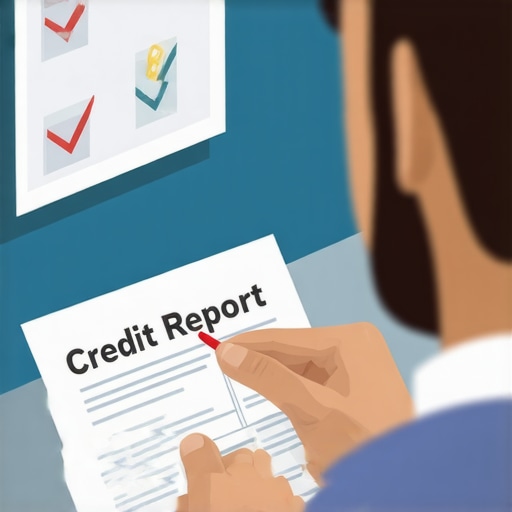
Credit Repair & Dispute Errors: Effective Strategies for Lasting Results
It was a rainy Tuesday afternoon when I finally faced the harsh reality: my credit report was a mess, and I had no idea how to fix it. I remember staring at the screen, feeling overwhelmed and frustrated, wondering why my efforts to improve my financial situation seemed to go nowhere. That lightbulb moment—realizing that errors on my credit report were sabotaging my progress—changed everything.
Why Your Credit Report Holds the Key to Your Financial Freedom
Let me be honest: I used to think that paying bills on time was enough, but I was painfully mistaken. The truth is, your credit report and score influence nearly every big financial decision you make, from buying a home to securing a loan or even getting a new job. According to a 2023 report from the Consumer Financial Protection Bureau, a significant percentage of credit reports contain errors, and those mistakes can lower your score unfairly, costing you thousands over time. If you’re feeling stuck or unsure where to start, you’re not alone. Many people, myself included, have made early mistakes that delayed our progress.
The good news is, correcting those errors and understanding how to dispute them effectively can unlock your credit score potential faster than you might think. My journey from frustration to financial control began with just one step: learning the *effective strategies for dispute errors* that actually work. If you’ve faced similar hurdles—unexpected drops in your score, confusing credit reports, or simply feeling lost on how to proceed—know that there are proven methods to turn things around.
So, what’s next? We’re going to explore the practical, step-by-step approach to identifying, disputing, and correcting errors on your credit report, paving the way for lasting results. Want to learn how to dispute errors like a pro? Keep reading, because your credit transformation starts here and now.
Is Disputing Errors Really Worth the Effort?
Early on, I made the mistake of thinking I could ignore some minor discrepancies on my report, assuming they wouldn’t affect my score much. Spoiler alert: that was a costly mistake. Small inaccuracies can compound over time, preventing you from reaching your financial goals. Disputing errors swiftly and securely — like the strategies outlined in these expert dispute tips — can significantly boost your credit report and overall score. trust me, investing the effort into cleaning your report is one of the smartest moves you can make.
Responding proactively to inaccuracies not only improves your credit health but also sets a solid foundation for future financial success. Ready to take control? The next section will dive into the specific steps I used to dispute errors effectively and build lasting trust in my credit report.
Identify and Gather Your Credit Report
Start by requesting a free copy of your credit report from the major bureaus—Experian, TransUnion, and Equifax. Use each bureau’s official website to avoid scams. Review each report carefully, highlighting any inaccurate or outdated information. Think of this step as a detective collecting clues before solving a case—meticulous review ensures you don’t miss errors that could hold back your score.
Spot Common Errors That Can Cost You
Errors often include incorrect personal details, outdated accounts, duplicate entries, or wrong account statuses. For instance, I once found an account listed as delinquent that was actually paid in full months earlier. These mistakes can be like a leak in your financial ship—if left unpatched, they can sink your credit score. Recognize these inaccuracies to prioritize disputes that matter most.
Prepare Your Dispute Evidence and Documentation
Once you’ve identified errors, gather supporting documents—bank statements, paid invoices, or letters—that prove your case. Think of this as building your case in court; solid evidence makes your dispute more convincing. For example, I uploaded copies of paid-off credit card statements to challenge a wrongly reported charge that was still listed as unpaid.
Dispute Errors with the Credit Bureaus
Use each bureau’s dispute process—online, mail, or phone. Online is typically faster and provides tracking. Clearly explain the error, referencing the specific account and details, and attach supporting evidence. Remember, your aim is to simplify the correction process, making it easy for the bureau to verify and update your report. In my case, I used the online portal to dispute a transient error, which took about two weeks to resolve after I uploaded my documents.

Follow Up and Monitor Results
Track your disputes regularly. After the bureau responds, review the updates carefully. If the error persists, follow the dispute process again, providing additional evidence if necessary. Staying persistent is like being a watchdog—your vigilance ensures the errors are corrected and your credit report accurately reflects your financial history.
Tips for Faster Success and Better Scores
Act swiftly; the sooner errors are disputed, the quicker your score benefits. Use tools and guides available at these expert dispute tips to streamline your process. Remember, correcting even small errors can lead to significant improvements, much like fixing tiny leaks to keep your boat afloat—small fixes yield big results. And if you find yourself overwhelmed, credit counseling services like these secrets can help you master the repair process.When it comes to credit repair and counseling, many assume that fixing errors or seeking professional help is a straightforward task. However, beneath the surface lies a critical nuance that often goes unnoticed: the false belief that all credit issues can be fixed quickly or through a one-size-fits-all approach. In reality, credit systems are complex, with subtle factors influencing your score—factors that are frequently misunderstood or oversimplified by common advice. For instance, many think disputing errors alone guarantees a perfect score, but they overlook that the *timing* and *nature* of these errors matter immensely. Disputes are effective only when errors are genuine and recent; challenging outdated or minor inaccuracies may yield minimal results and waste valuable time.
A prevalent myth is that paying down debt automatically lifts your credit score. While reducing debt is beneficial, *how* you manage that debt—like maintaining low credit utilization and avoiding new credit inquiries—plays a bigger role. Moreover, some erroneously believe that credit counseling simply means debt consolidation, but reputable counseling delves into behavioral and strategic financial education, improving long-term credit health. Failing to recognize this can lead you to seek quick fixes rather than sustainable solutions.
One common trap is the overreliance on credit repair companies promising rapid results. Many folks fall prey to these services, which often use aggressive tactics that can harm your credit report or violate laws, especially if they encourage you to dispute legitimate negative items or create fake documents. According to the Federal Trade Commission, such unethical practices can result in more damage than good—and in some cases, legal trouble. The real expertise lies in understanding how disputes work, what errors are worth challenging, and how to build your credit profile responsibly. For a step-by-step on what to watch out for and how to navigate this landscape, check out these dispute strategies.
Now, a question that often stumps even seasoned experts: *How can I distinguish between credit factors I can influence directly and those I cannot?* The answer is crucial; it helps you prioritize your efforts effectively. While you can directly impact payment history and credit utilization, other factors like the age of your credit accounts or the types of credit you hold are less controllable and evolve over time. Understanding this balance allows you to focus on actions that drive real, measurable improvements. For an in-depth analysis of what affects your credit and how to optimize the most impactful elements, visit this guide to credit score factors.
Making assumptions about credit repair that ignore these subtle nuances can lead to frustration and disillusionment. It’s tempting to believe that quick fixes or generic advice will suffice, but in reality, tailored strategies based on a thorough understanding of your unique credit profile are most effective. This involves recognizing the differences between temporary setbacks and systemic issues—each requires a different approach. For instance, persistent late payments on an old account may warrant a strategic dispute or goodwill letter, whereas recent inquiries or high utilization call for adjusting your ongoing financial behaviors.
In summary, mastering credit health isn’t just about tackling errors or seeking quick fixes. It’s about understanding the *hidden intricacies*—the advanced factors, timing, and nature of your credit report—that determine your true financial potential. If you’re serious about boosting your score, avoid superficial solutions and invest in a comprehensive, nuanced approach. Want to learn more about how to craft personalized credit strategies? Check out these expert tips for lasting results.
Have you ever fallen into this trap? Let me know in the comments.Maintaining your improved credit report after disputes and corrections requires the right toolkit and disciplined habits. One effective method I personally rely on is using credit monitoring services like credit monitoring tools. These platforms provide real-time updates on your credit reports from Experian, TransUnion, and Equifax, allowing you to quickly spot any unauthorized changes or new inquiries that could impact your score. I prefer services that offer alerts for new accounts or suspicious activity because they act as an early warning system—saving you from potential fraud or erroneous entries that could undo your hard work.
Achieving long-term stability isn’t just about monitoring; it also involves adopting consistent financial routines. For instance, setting recurring reminders to verify your balances and payment histories can prevent slips that affect your credit. I personally schedule monthly reviews of my credit report using my monitoring app—it’s a simple habit, but it keeps me proactive.
The future of credit maintenance is leaning toward automation. Emerging AI-driven tools are beginning to analyze your spending patterns, recommending personalized strategies to improve financial health. According to credit experts, integrating these technologies can help identify subtle issues and optimize your credit profile with minimal effort.
So, how do I maintain my credit over time? The key is consistency and leveraging the right tools. Regularly reviewing your reports, setting up alerts for any suspicious activity, and staying informed about the latest advancements in credit management are all essential steps. For a detailed overview of how to implement these strategies effectively, check out these expert techniques.
Ready to elevate your credit maintenance routine? Try setting up a comprehensive monitoring system today, and make it a monthly habit. This small investment in time can save you from costly errors and help you enjoy the stability of a solid credit report for years to come. If you’re unsure how to start, reach out through our contact page for personalized guidance.
The Lessons I Wish I Was Told About Credit Repair,Dispute Errors,And Building Trust
- One of my biggest lightbulb moments was realizing that not all errors are worth disputing; focusing on mistakes that genuinely impact your score saves time and effort. I learned this the hard way by wasting weeks on minor inaccuracies that didn’t move the needle.
- Another insight was understanding that credit score factors are interconnected. Improving payment habits without addressing your utilization or credit mix can limit your progress. Embracing a holistic approach made the difference.
- Lastly, I discovered that sustained monitoring and proactive engagement are vital. Regularly reviewing your report and responding promptly to discrepancies keeps your credit report accurate and helps build long-term trust, rather than chasing quick fixes.
Tools and Resources That Truly Made a Difference
- My go-to resource has been the comprehensive guides at Mastering Credit Disputes; they break down dispute processes in an understandable way and helped me dispute errors confidently.
- For ongoing credit monitoring and alerts, I trust these monitoring tools; they keep me informed about changes and potential issues before they escalate.
- The educational content on credit repair strategies provided me with the latest expert-approved techniques for lasting improvement, which I still revisit for motivation and clarity.
Seize Your Power and Make Your Move
The path to a strong credit report is not reserved for the experts—it’s accessible to everyone willing to take consistent action and stay informed. Remember, every small step—disputing an error, paying on time, monitoring your report—is a building block toward your financial independence. Don’t wait for perfect conditions; start now, stay committed, and trust that your efforts will pay off. Your credit story is in your hands, and the best time to take control is today.
What was the most surprising thing you learned during your credit repair process? Share your insights below and let’s grow together!
}#}#}]/>}**}#}#}**}#}**}**}#}**}#}**}#}**}#}**}#}**}#}**}#}**}#}**}#}**}#}**}#}**}#}**}#}**}#}**}#}**}#}**}#}**}#}**}#}**}#}**}#}**}#}**}#}**}#}**}#}**}#}**}#}**}#}**}#}**}#}**}#}**}#}**}#}**}#}**}#}**}#}**}#}**}#}**}#}**}#}**}#}**}#}**}#}**}#}**}#}**}#}**}#}**}#}**}#}**}#}**}#}**}#}**}#}**}#}**}#}**}#}**}#}**}#}**}#}**}#}**}#}**}#}**}#}**}#}**}#}**}#}**}#}**}#}**}#}**}#}**}#}**}#}**}#}**}#}**}#}**}#}**}#}**}#}**}#}**}#}**}#}**}#}**}#}**}#}**}#}**}#}**}#}**}#}**}#}**}#}**}#}**}#}**}#}**}#}**}#}**}#}**}#}**}#}**}#}**}#}**}#}**}#}**}#}**}#}**}#}**}#}**}#}**}#}**}#}**}#}**}#}**}#}**}#}**}#}**}#}**}#}**}#}**}#}**}#}**}#}**}#}**}#}**}#}**}#}**}#}**}#}**}#}**}#}**}#}**}#}**}#}**}#}**}#}**}#}**}#}**}#}**}#}**}#}**}#}**}#}**}#}**}#}**}#}**}#}**}#}**}#}**}#}**}#}**}#}**}#}**}#}**}#}**}#}**}#}**}#}**}#}**}#}**}#}**}#}**}#}**}#}**}#}**}#}**}#}**}#}**}#}**}#}**}#}**}#}**}#}**}#}**}#}**}#}**}#}**}#}**}#}**}#}**}#}**}#}**}#}**}#}**}#}**}#}**}#}**}#}**}#}**}#}**}#}**}#}**}#}**}#}**}#}**}#}**}#}**}#}**}#}**}#}**}#}**}#}**}#}**}#}**}#}**}#}**}#}**}#}**}#}**}#}**}#}**}#}**}#}**}#}**}#}**}#}**}#}**}#}**}#}**}#}**}#}**}#}**}#}**}#}**}#}**}#}**}#}**}#}**}#}**}#}**}#}**}#}**}#}**}#}**}#}**}#}**}#}**}#}**}#}**}#}**}#}**}#}**}#}**}#}**}#}**}#}**}#}**}#}**}#}**}#}**}#}**}#}**}#}**}#}**}#}**}#}**}#}**}#}**}#}**}#}**}#}**}#}**}#}**}#}**}#}**}#}**}#}**}#}**}#}**}#}**}#}**}#}**}#}**}#}**}#}**}#}**}#}**}#}**}#}**}#}**}#}**}#}**}#}**}#}**}#}**}#}**}#}**}#}**}#}**}#}**}#}**}#}**}#}**}#}**}#}**}#}**}#}**}#}**}#}**}#}**}#}**}#}**}#}**}#}**}#}**}#}**}#}**}#}**}#}**}#}**}#}**}#}**}#}**}#}**}#}**}#}**}#}**}#}**}#}**}#}**}#}**}#}**}#}**}#}**}#}**}#}**}#}**}#}**}#}**}#}**}#}**}#}**}#}**}#}**}#}**}#}**}#}**}#}**}#}**}#}**}#}**}#}**}#}**}#}**}#}**}#}**}#}**}#}**}#}**}#}**}#}**}#}**}#}**}#}**}#}**}#}**}#}**}#}**}#}**}#}**}#}**}#}**}#}**}#}**}#}**}#}**}#}**}#}**}#}**}#}**}#}**}#}**}#}**}#}**}#}**}#}**}#}**}#}**}#}**}#}**}#}**}#}**}#}**}#}**}#}**}#}**}#}**}#}**}#}**}#}**}#}**}#}**}#}**}#}**}#}**}#}**}#}**}#}**}#}**}#}**}#}**}#}**}#}**}#}**}#}**}#}**}#}**}#}**}#}**}#}**}#}**}#}**}#}**}#}**}#}**}#}**}#}**}#}**}#}**}#}**}#}**}#}**}#}**}#}**}#}**}#}**}#}**}#}**}#}**}#}**}#}**}#}**}#}**}#}**}#}**}#}**}#}**}#}**}#}**}#}**}#}**}#}**}#}**}#}**}#}**}#}**}#}**}#}**}#}**}#}**}#}**}#}**}#}**}#}**}#}**}#}**}#}**}#}**}#}**}#}**}#}**}#}**}#}**}#}**}#}**}#}**}#}**}#}**}#}**}#}**}#}**}#}**}#}**}#}**}#}**}#}**}#}**}#}**}#}**}#}**}#}**}#}**}#}**}#}**}#}**}#}**}#}**}#}**}#}**}#}**}#}**}#}**}#}**}#}**}#}**}#}**}#}**}#}**}#}**}#}**}#}**}#}**}#}**}#}**}#}**}#}**}#}**}#}**}#}**}#}**}#}**}#}**}#}**}#}**}#}**}#}**}#}**}#}**}#}**}#}**}#}**}#}**}#}**}#}**}#}**}#}**}#}**}#}**}#}**}#}**}#}**}#}**}#}**}#}**}#}**}#}**}#}**}#}**}#}**}#}**}#}**}#}**}#}**}#}**}#}**}#}**}#}**}#}**}#}**}#}**}#}**}#}**}#}**}#}**}#}**}#}**}#}**}#}**}#}**}#}**}#}**}#}**}#}**}#}**}#}**}#}**}#}**}#}**}#}**}#}**}#}**}#}**}#}**}#}**}#}**}#}**}#}**}#}**}#}**}#}**}#}**}#}**}#}**}#}**}#}**}#}**}#}**}#}**}#}**}#}**}#}**}#}**}#}**}#}**}#}**}#}**}#}**}#}**}#}**}#}**}#}**}#}**}#}**}#}**}#}**}#}**}#}**}#}**}#}**}#}**}#}**}#}**}#}**}#}**}#}**}#}**}#}**}#}**}#}**}#}**}#}**}#}**}#}**}#}**}#}**}#}**}#}**}#}**}#}**}#}**}#}**}#}**}#}**}#}**}#}**}#}**}#}**}#}**}#}**}#}**}#}**}#}**}#}**}#}**}#}**}#}**}#}**}#}**}#}**}#}**}#}**}#}**}#}**}#}**}#}**}#}**}#}**}#}**}#}**}#}**}#}**}#}**}#}**}#}**}#}**}#}**}#}**}#}**}#}**}#}**}#}**}#}**}#}**}#}**}#}**}#}**}#}**}#}**}#}**}#}**}#}**}#}**}#}**}#}**}#}**}#}**}#}**}#}**}#}**}#}**}#}**}#}**}#}**}#}**}#}**}#}**}#}**}#}**}#}**}#}**}#}**}#}**}#}**}#}**}#}**}#}**}#}**}#}**}#}**}#}**}#}**}#}**}#}**}#}**}#}**}#}**}#}**}#}**}#}**}#}**}#}**}#}**}#}**}#}**}#}**}#}**}#}**}#}**}#}**}#}**}#}**}#}**}#}**}#}**}#}**}#}**}#}**}#}**}#}**}#}**}#}**}#}**}#}**}#}**}#}**}#}**}#}**}#}**}#}**}#}**}#}**}#}**}#}**}#}**}#}**}#}**}#}**}#}**}#}**}#}**}#}**}#}**}#}**}#}**}#}**}#}**}#}**}#}**}#}**}#}**}#}**}#}**}#}**}#}**}#}**}#}**}#}**}#}**}#}**}#}**}#}**}#}**}#}**}#}**}#}**}#}**}#}**}#}**}#}**}#}**}#}**}#}**}#}**}#}**}#}**}#}**}#}**}#}**}#}**}#}**}#}**}#}**}#}**}#}**}#}**}#}**}#}**}#}**}#}**}#}**}#}**}#}**}#}**}#}**}#}**}#}**}#}**}#}**}#}**}#}**}#}**}#}**}#}**}#}**}#}**}#}**}#}**}#}**}#}**}#}**}#}**}#}**}#}**}#}**}#}**}#}**}#}**}#}**}#}**}#}**}#}**}#}**}#}**}#}**}#}**}#}**}#}**}#}**}#}**}#}**}#}**}#}**}#}**}#}**}#}**}#}**}#}**}#}**}#}**}#}**}#}**}#}**}#}**}#}**}#}**}#}**}#}**}#}**}#}**}#}**}#}**}#}**}#}**}#}**}#}**}#}**}#}**}#}**}#}**}#}**}#}**}#}**}#}**}#}**}#}**}#}**}#}**}#}**}#}**}#}**}#}**}#}**}#}**}#}**}#}**}#}**}#}**}#}**}#}**}#}**}#}**}#}**}#}**}#}**}#}**}#}**}#}**}#}**}#}**}#}**}#}**}#}**}#}**}#}**}#}**}#}**}#}**}#}**}#}**}#}**}#}**}#}**}#}**}#}**}#}**}#}**}#}**}#}**}#}**}#}**}#}**}#}**}#}**}#}**}#}**}#}**}#}**}#}**}#}**}#}**}#}**}#}**}#}**}#}**}#}**}#}**}#}**}#}**}#}**}#}**}#}**}#}**}#}**}#}**}#}**}#}**}#}**}#}**}#}**}#}**}#}**}#}**}#}**}#}**}#}**}#}**}#}**}#}**}#}**}#}**}#}**}#}**}#}**}#}**}#}**}#}**}#}**}#}**}#}**}#}**}#}**}#}**}#}**}#}**}#}**}#}**}#}**}#}**}#}**}#}**}#}**}#}**}#}**}#}**}#}**}#}**}#}**}#}**}#}**}#}**}#}**}#}**}#}**}#}**}#}**}#}**}#}**}#}**}#}**}#}**}#}**}#}**}#}**}#}**}#}**}#}**}#}**}#}**}#}**}#}**}#}**}#}**}#}**}#}**}#}**}#}**}#}**}#}**}#}**}#}**}#}**}#}**}#}**}#}**}#}**}#}**}#}**}#}**}#}**}#}**}#}**}#}**}#}**}#}**}#}**}#}**}#}**}#}**}#}**}#}**}#}**}#}**}#}**}#}**}#}**}#}**}#}**}#}**}#}**}#}**}#}**}#}**}#}**}#}**}#}**}#}**}#}**}#}**}#}**}#}**}#}**}#}**}#}**}#}**}#}**}#}**}#}**}#}**}#}**}#}**}#}**}#}**}#}**}#}**}#}**}#}**}#}**}#}**}#}**}#}**}#}**}#}**}#}**}#}**}#}**}#}**}#}**}#}**}#}**}#}**}#}**}#}**}#}**}#}**}#}**}#}**}#}**}#}**}#}**}#}**}#}**}#}**}#}**}#}**}#}**}#}**}#}**}#}**}#}**}#}**}#}**}#}**}#}**}#}**}#}**}#}**}#}**}#}**}#}**}#}**}#}**}#}**}#}**}#}**}#}**}#}**}#}**}#}**}#}**}#}**}#}**}#}**}#}**}#}**}#}**}#}**}#}**}#}**}#}**}#}**}#}**}#}**}#}**}#}**}#}**}#}**}#}**}#}**}#}**}#}**}#}**}#}**}#}**}#}**}#}**}#}**}#}**}#}**}#}**}#}**}#}**}#}**}#}**}#}**}#}**}#}**}#}**}#}**}#}**}#}**}#}**}#}**}#}**}#}**}#}**}#}**}#}**}#}**}#}**}#}**}#}**}#}**}#}**}#}**}#}**}#}**}#}**}#}**}#}**}#}**}#}**}#}**}#}**}#}**}#}**}#}**}#}**}#}**}#}**}#}**}#}**}#}**}#}**}#}**}#}**}#}**}#}**}#}**}#}**}#}**}#}**}#}**}#}**}#}**}#}**}#}**}#}**}#}**}#}**}#}**}#}**}#}**}#}**}#}**}#}**}#}**}#}**}#}**}#}**}#}**}#}**}#}**}#}**}#}**}#}**}#}**}#}**}#}**}#}**}#}**}#}**}#}**}#}**}#}**}#}**}#}**}#}**}#}**}#}**}#}**}#}**}#}**}#}**}#}**}#}**}#}**}#}**}#}**}#}**}#}**}#}**}#}**}#}**}#}**}#}**}#}**}#}**}#}**}#}**}#}**}#}**}#}**}#}**}#}**}#}**}#}**}#}**}#}**}#}**}#}**}#}**}#}**}#}**}#}**}#}**}#}**}#}**}#}**}#}**}#}**}#}**}#}**}#}**}#}**}#}**}#}**}#}**}#}**}#}**}#}**}#}**}#}**}#}**}#}**}#}**}#}**}#}**}#}**}#}**}#}**}#}**}#}**}#}**}#}**}#}**}#}**}#}**}#}**}#}**}#}**}#}**}#}**}#}**}#}**}#}**}#}**}#}**}#}**}#}**}#}**}#}**}#}**}#}**}#}**}#}**}#}**}#}**}#}**}#}**}#}**}#}**}#}**}#}**}#}**}#}**}#}**}#}**}#}**}#}**}#}**}#}**}#}**}#}**}#}**}#}**}#}**}#}**}#}**}#}**}#}**}#}**}#}**}#}**}#}**}#}**}#}**}#}**}#}**}#}**}#}**}#}**}#}**}#}**}#}**}#}**}#}**}#}**}#}**}#}**}#}**}#}**}#}**}#}**}#}**}#}**}#}**}#}**}#}**}#}**}#}**}#}**}#}**}#}**}#}**}#}**}#}**}#}**}#}**}#}**}#}**}#}**}#}**}#}**}#}**}#}**}#}**}#}**}#}**}#}**}#}**}#}**}#}**}#}**}#}**}#}**}#}**}#}**}#}**}#}**}#}**}#}**}#}**}#}**}#}**}#}**}#}**}#}**}#}**}#}**}#}**}#}**}#}**}#}**}#}**}#}**}#}**}#}**}#}**}#}**}#}**}#}**}#}**}#}**}#}**}#}**}#}**}#}**}#}**}#}**}#}**}#}**}#}**}#}**}#}**}#}**}#}**}#}**}#}**}#}**}#}**}#}**}#}**}#}**}#}**}#}**}#}**}#}**}#}**}#}**}#}**}#}**}#}**}#}**}#}**}#}**}#}**}#}**}#}**}#}**}#}**}#}**}#}**}#}**}#}**}#}**}#}**}#}**}#}**}#}**}#}**}#}**}#}**}#}**}#}**}#}**}#}**}#}**}#}**}#}**}#}**}#}**}#}**}#}**}#}**}#}**}#}**}#}**}#}**}#}**}#}**}#}**}#}**}#}**}#}**}#}**}#}**}#}**}#}**}#}**}#}**}#}**}#}**}#}**}#}**}#}**}#}**}#}**}#}**}#}**}#}**}#}**}#}**}#}**}#}**}#}**}#}**}#}**}#}**}#}**}#}**}#}**}#}**}#}**}#}**}#}**}#}**}#}**}#}**}#}**}#}**}#}**}#}**}#}**}#}**}#}**}#}**}#}**}#}**}#}**}#}**}#}**}#}**}#}**}#}**}#}**}#}**}#}**}#}**}#}**}#}**}#}**}#}**}#}**}#}**}#}**}#}**}#}**}#}**}#}**}#}**}#}**}#}**}#}**}#}**}#}**}#}**}#}**}#}**}#}**}#}**}#}**}#}**}#}**}#}**}#}**}#}**}#}**}#}**}#}**}#}**}#}**}#}**}#}**}#}**}#}**}#}**}#}**}#}**}#}**}#}**}#}**}#}**}#}**}#}**}#}**}#}**}#}**}#}**}#}**}#}**}#}**}#}**}#}**}#}**}#}**}#}**}#}**}#}**}#}**}#}**}#}**}#}**}#}**}#}**}#}**}#}**}#}**}#}**}#}**}#}**}#}**}#}**}#}**}#}**}#}**}#}**}#}**}#}**}#}**}#}**}#}**}#}**}#}**}#}**}#}**}#}**}#}**}#}**}#}**}#}**}#}**}#}**}#}**}#}**}#}**}#}**}#}**}#}**}#}**}#}**}#}**}#}**}#}**}#}**}#}**}#}**}#}**}#}**}#}**}#}**}#}**}#}**}#}**}#}**}#}**}#}**}#}**}#}**}#}**}#}**}#}**}#}**}#}**}#}**}#}**}#}**}#}**}#}**}#}**}#}**}#}**}#}**}#}**}#}**}#}**}#}**}#}**}#}**}#}**}#}**}#}**}#}**}#}**}#}**}#}**}#}**}#}**}#}**}#}**}#}**}#}**}#}**}#}**}#}**}#}**}#}**}#}**}#}**}#}**}#}**}#}**}#}**}#}**}#}**}#}**}#}**}#}**}#}**}#}**}#}**}#}**}#}**}#}**}#}**}#}**}#}**}#}**}#}**}#}**}#}**}#}**}#}**}#}**}#}**}#}**}#}**}#}**}#}**}#}**}#}**}#}**}#}**}#}**}#}**}#}**}#}**}#}**}#}**}#}**}#}**}#}**}#}**}#}**}#}**}#}**}#}**}#}**}#}**}#}**}#}**}#}**}#}**}#}**}#}**}#}**}#}**}#}**}#}**}#}**}#}**}#}**}#}**}#}**}#}**}#}**}#}**}#}**}#}**}#}**}#}**}#}**}#}**}#}**}#}**}#}**}#}**}#}**}#}**}#}**}#}**}#}**}#}**}#}**}#}**}#}**}#}**}#}**}#}**}#}**}#}**}#}**}#}**}#}**}#}**}#}**}#}**}#}**}#}**}#}**}#}**}#}**}#}**}#}**}#}**}#}**}#}**}#}**}#}**}#}**}#}**}#}**}#}**}#}**}#}**}#}**}#}**}#}**}#}**}#}**}#}**}#}**}#}**}#}**}#}**}#}**}#}**}#}**}#}**}#}**}#}**}#}**}#}**}#}**}#}**}#}**}#}**}#}**}#}**}#}**}#}**}#}**}#}**}#}**}#}**}#}**}#}**}#}**}#}**}#}**}#}**}#}**}#}**}#}**}#}**}#}**}#}**}#}**}#}**}#}**}#}**}#}**}#}**}#}**}#}**}#}**}#}**}#}**}#}**}#}**}#}**}#}**}#}**}#}**}#}**}#}**}#}**}#}**}#}**}#}**}#}**}#}**}#}**}#}**}#}**}#}**}#}**}#}**}#}**}#}**}#}**}#}**}#}**}#}**}#}**}#}**}#}**}#}**}#}**}#}**}#}**}#}**}#}**}#}**}#}**}#}**}#}**}#}**}#}**}#}**}#}**}#}**}#}**}#}**}#}**}#}**}#}**}#}**}#}**}#}**}#}**}#}**}#}**}#}**}#}**}#}**}#}**}#}**}#}**}#}**}#}**}#}**}#}**}#}**}#}**}#}**}#}**}#}**}#}**}#}**}#}**}#}**}#}**}#}**}#}**}#}**}#}**}#}**}#}**}#}**}#}**}#}**}#}**}#}**}#}**}#}**}#}**}#}**}#}**}#}**}#}**}#}**}#}**}#}**}#}**}#}**}#}**}#}**}#}**}#}**}#}**}#}**}#}**}#}**}#}**}#}**}#}**}#}**}#}**}#}**}#}**}#}**}#}**}#}**}#}**}#}**}#}**}#}**}#}**}#}**}#}**}#}**}#}**}#}**}#}**}#}**}#}**}#}**}#}**}#}**}#}**}#}**}#}**}#}**}#}**}#}**}#}**}#}**}#}**}#}**}#}**}#}**}#}**}#}**}#}**}#}**}#}**}#}**}#}**}#}**}#}**}#}**}#}**}#}**}#}**}#}**}#}**}#}**}#}**}#}**}#}**}#}**}#}**}#}**}#}**}#}**}#}**}#}**}#}**}#}**}#}**}#}**}#}**}#}**}#}**}#}**}#}**}#}**}#}**}#}**}#}**}#}**}#}**}#}**}#}**}#}**}#}**}#}**}#}**}#}**}#}**}#}**}#}**}#}**}#}**}#}**}#}**}#}**}#}**}#}**}#}**}#}**}#}**}#}**}#}**}#}**}#}**}#}**}#}**}#}**}#}**}#}**}#}**}#}**}#}**}#}**}#}**}#}**}#}**}#}**}#}**}#}**}#}**}#}**}#}**}#}**}#}**}#}**}#}**}#}**}#}**}#}**}#}**}#}**}#}**}#}**}#}**}#}**}#}**}#}**}#}**}#}**}#}**}#}**}#}**}#}**}#}**}#}**}#}**}#}**}#}**}#}**}#}**}#}**}#}**}#}**}#}**}#}**}#}**}#}**}#}**}#}**}#}**}#}**}#}**}#}**}#}**}#}**}#}**}#}**}#}**}#}**}#}**}#}**}#}**}#}**}#}**}#}**}#}**}#}**}#}**}#}**}#}**}#}**}#}**}#}**}#}**}#}**}#}**}#}**}#}**}#}**}#}**}#}**}#}**}#}**}#}**}#}**}#}**}#}**}#}**}#}**}#}**}#}**}#}**}#}**}#}**}#}**}#}**}#}**}#}**}#}**}#}**}#}**}#}**}#}**}#}**}#}**}#}**}#}**}#}**}#}**}#}**}#}**}#}**}#}**}#}**}#}**}#}**}#}**}#}**}#}**}#}**}#}**}#}**}#}**}#}**}#}**}#}**}#}**}#}**}#}**}#}**}#}**}#}**}#}**}#}**}#}**}#}**}#}**}#}**}#}**}#}**}#}**}#}**}#}**}#}**}#}**}#}**}#}**}#}**}#}**}#}**}#}**}#}**}#}**}#}**}#}**}#}**}#}**}#}**}#}**}#}**}#}**}#}**}#}**}#}**}#}**}#}**}#}**}#}**}#}**}#}**}#}**}#}**}#}**}#}**}#}**}#}**}#}**}#}**}#}**}#}**}#}**}#}**}#}**}#}**}#}**}#}**}#}**}#}**}#}**}#}**}#}**}#}**}#}**}#}**}#}**}#}**}#}**}#}**}#}**}#}**}#}**}#}**}#}**}#}**}#}**}#}**}#}**}#}**}#}**}#}**}#}**}#}**}#}**}#}**}#}**}#}**}#}**}#}**}#}**}#}**}#}**}#}**}#}**}#}**}#}**}#}**}#}**}#}**}#}**}#}**}#}**}#}**}#}**}#}**}#}**}#}**}#}**}#}**}#}**}#}**}#}**}#}**}#}**}#}**}#}**}#}**}#}**}#}**}#}**}#}**}#}**}#}**}#}**}#}**}#}**}#}**}#}**}#}**}#}**}#}**}#}**}#}**}#}**}#}**}#}**}#}**}#}**}#}**}#}**}#}**}#}**}#}**}#}**}#}**}#}**}#}**}#}**}#}**}#}**}#}**}#}**}#}**}#}**}#}**}#}**}#}**}#}**}#}**}#}**}#}**}#}**}#}**}#}**}#}**}#}**}#}**}#}**}#}**}#}**}#}**}#}**}#}**}#}**}#}**}#}**}#}**}#}**}#}**}#}**}#}**}#}**}#}**}#}**}#}**}#}**}#}**}#}**}#}**}#}**}#}**}#}**}#}**}#}**}#}**}#}**}#}**}#}**}#}**}#}**}#}**}#}**}#}**}#}**}#}**}#}**}#}**}#}**}#}**}#}**}#}**}#}**}#}**}#}**}#}**}#}**}#}**}#}**}#}**}#}**}#}**}#}**}#}**}#}**}#}**}#}**}#}**}#}**}#}**}#}**}#}**}#}**}#}**}#}**}#}**}#}**}#}**}#}**}#}**}#}**}#}**}#}**}#}**}#}**}#}**}#}**}#}**}#}**}#}**}#}**}#}**}#}**}#}**}#}**}#}**}#}**}#}**}#}**}#}**}#}**}#}**}#}**}#}**}#}**}#}**}#}**}#}**}#}**}#}**}#}**}#}**}#}**}#}**}#}**}#}**}#}**}#}**}#}**}#}**}#}**}#}**}#}**}#}**}#}**}#}**}#}**}#}**}#}**}#}**}#}**}#}**}#}**}#}**}#}**}#}**}#}**}#}**}#}**}#}**}#}**}#}**}#}**}#}**}#}**}#}**}#}**}
Reading this article really resonated with me because I’ve been down the same road trying to clean up my credit report. The part about spotting common errors and gathering solid evidence is so crucial— I learned that the hard way by not being prepared and losing valuable time. Disputing mistakes always seemed intimidating at first, but once I used the online portals and kept detailed records, the process became much more straightforward.
One thing I’d add is the importance of patience. Sometimes, errors take longer to resolve than expected, and it can be frustrating. I’ve found that setting reminders to check on disputes and monitor my credit report regularly helps stay on top of things. Also, I’m curious—how do others stay motivated when disputes linger or if errors seem minor but could add up over time? Do you think dedicating a specific day each month for reviewing your report helps maintain consistency? I’d love to hear about your routines or tips, as it’s a constantly evolving process that demands discipline and perseverance.
Reading this post really hits home for me because I’ve struggled with the same overwhelming feelings when facing a messy credit report. What stood out to me is how meticulous review and gathering supporting documents make such a difference. I remember a time I ignored minor errors, thinking they’d be inconsequential, only to find they added up and slowed my progress significantly. It’s fascinating how small inaccuracies can have a large impact over time.
One thing I’ve found helpful is setting aside a specific day each month dedicated solely to checking my credit report and disputes. It keeps the process manageable and ensures I don’t overlook anything. Patience, as you mentioned, is crucial—dispute results can take weeks, and staying persistent is challenging but necessary.
I wonder how others cope with the frustration of prolonged disputes, especially for minor errors. Do you think that celebrating small wins during this process helps keep motivation high? I’m curious how everyone stays committed over the long haul. It’s a journey that demands consistency, but the payoff is worth it when you’re finally in control of your financial future.