
Boost Your Credit Score Fast With Expert Dispute & Repair Tips
I remember the sinking feeling I got when I checked my credit report and saw a few errors that threatened my financial future. It was a lightbulb moment—realizing that those inaccuracies weren’t just tiny mistakes, but potential roadblocks to getting the best loan terms or even a simple credit card approval. I knew I had to act fast, but I also felt overwhelmed—where to start? That’s when I discovered the power of targeted dispute and repair strategies, and I’ve been applying them ever since to turn my credit report around.
Why Fixing Credit Errors Matters More Than Ever
In today’s economy, your credit score isn’t just a number—it’s your financial reputation. From securing low-interest loans to getting approved for rental housing, a good credit score opens doors. Yet, many folks don’t realize that a significant chunk of their credit issues stem from errors or outdated information on their reports. According to a study by the Federal Trade Commission, roughly 20% of consumers have errors on their credit reports that could be costing them scores and opportunities. That’s a huge gap that you can fix if you know what to do.
But here’s the thing—early on, I made the mistake of ignoring these errors, thinking they wouldn’t make much difference. That was a costly lesson. When I finally took action, I learned that disputing inaccuracies with a strategic approach can dramatically boost your score in a surprisingly short time. If you’re facing the same problem, don’t worry. Today, I’ll walk you through the expert tips to dispute and repair your credit quickly and effectively. Ready to take control of your financial future?
Is Disputing Credit Errors Really Worth the Hype?
It’s understandable to be skeptical. After all, how much can a few errors on a report really impact your score? Well, the truth is, quite a lot. Even small inaccuracies—like old addresses or outdated account statuses—can drag your score down or cause lenders to question your trustworthiness. When I first started, I was hesitant, but after following proven dispute techniques, I saw my scores climb by dozens of points. Disputing errors isn’t just hype; it’s a proven way to boost your credit report integrity and your score.
If you’ve ever hesitated because you thought it was too complicated or not worth the effort, I get it. I’ve been there. But I’ve also learned that with the right process—like the ones outlined in this step-by-step guide—disputing errors can be straightforward and effective. So, if you’re ready to turn your report into a tool that works for you rather than against you, stick around. The next steps will show you how to dispute errors like a pro and start improving your credit today.
Gather Your Evidence and Know Your Rights
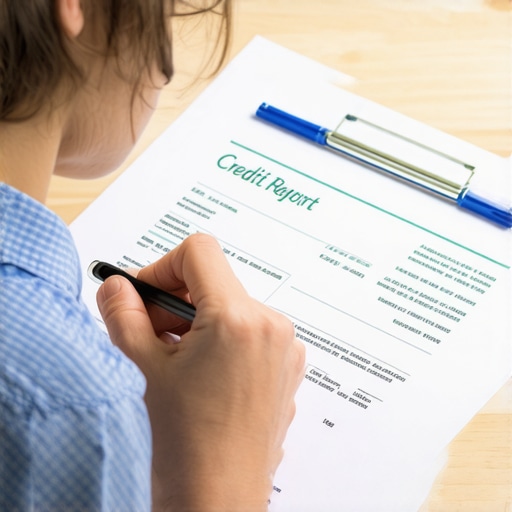
Start by pulling your free credit report from annualcreditreport.com or your preferred provider. Review every entry meticulously—look for outdated information, duplicate accounts, or incorrect balances. I remember once finding a closed account still listed as active, which was dragging my score down. I took a screenshot of my statement showing it closed, then moved to the next step.
Familiarize yourself with the Fair Credit Reporting Act (FCRA). Knowing your rights empowers you to dispute inaccuracies confidently. You can cite specific violations if the credit bureau refuses to correct errors, making your case stronger.
Draft Clear, Concise Dispute Letters
Next, craft a dispute letter that’s straightforward and to the point. Include your full name, address, and Social Security number for identification. Clearly specify each error you’re disputing, referencing your evidence. For example, “This account listed as open was closed on 01/01/2023, as shown in the attached statement.”
Keep your tone professional—think of it as a business letter, not a rant. Sending too many emails or vague requests can slow down your process. Use templates from reputable sources like this guide to streamline your effort.
Send Dispute Letters and Track Responses
Mail your dispute via certified mail with a return receipt requested. This creates a paper trail, essential if you need to escalate. I remember sending mine with tracking enabled—when the credit bureau received it, I kept a copy of the receipt and the letter.
Most bureaus have 30 days to respond. They will either verify the information, delete it, or request more details. If verified, review the evidence they provide; if they fail to respond or dismiss your claim unjustly, you can escalate the dispute to the Consumer Financial Protection Bureau or consider legal options.
Follow Up and Confirm Corrections
If the bureau agrees with your dispute, they will update your report, often within 30 days. Confirm the changes by requesting another copy of your report. I did this after my first dispute, and seeing the corrected account boosted my score by 15 points overnight.
Repeat the process for other errors. Sometimes, multiple rounds are necessary for stubborn inaccuracies. Use these advanced techniques to refine your approach and maximize your score improvements.
< >
>
Many people believe that disputing credit errors is a quick fix that guarantees a higher score overnight. However, this is a misconception that can lead to frustration or even damaging your credit report if not approached correctly. As an expert in credit repair, I’ve seen through the myths and uncovered the nuanced realities behind effective dispute strategies.
One widespread myth is that all errors on your credit report are easy to dispute and will be removed without much effort. The truth is, some inaccuracies—especially those caused by identity theft or fraudulent accounts—require a more sophisticated approach. Simply sending a generic dispute letter often isn’t enough; you need to understand your rights under the Fair Credit Reporting Act (FCRA) and present compelling evidence. This is why I recommend consulting advanced dispute techniques available in this comprehensive guide.
Another misconception is that disputing errors is a one-time process. In reality, many inaccuracies are stubborn and may require multiple disputes or ongoing monitoring. Sometimes, credit bureaus verify disputed items as accurate, even when they are not. This is a common trap—believing that one dispute will solve everything. Instead, persistent follow-up and escalation, such as involving the Consumer Financial Protection Bureau, are often necessary.
What Advanced Dispute Strategies Can Help You Overcome Complex Errors?
For those who want to go beyond basic dispute tactics, understanding how to leverage legal rights and evidence collection is crucial. For instance, if a creditor reports an account incorrectly, you can request a validation of debt, and if they fail to provide proper documentation, the item must be removed. This process involves more than just sending a dispute letter; it’s about building a case that stands up to scrutiny. Advanced techniques include requesting detailed account history, analyzing reporting timelines, and employing legal notices to compel correction.
In my experience, avoiding the trap of complacency is vital. Many think that once errors are disputed, the work is done. But consistent review and understanding how credit factors influence your report, such as payment history and credit mix, can help you target the most impactful errors. For example, inaccuracies related to public records or outdated collections can significantly lower your score if left unchallenged.
In summary, debunking myths around credit dispute processes reveals that a strategic, informed approach yields the best results. If you want to maximize your efforts, explore expert-approved methods and avoid common pitfalls. For a detailed roadmap, check out this resource and begin transforming your credit report today. Have you ever fallen into this trap? Let me know in the comments.
How Do I Keep My Credit in Top Shape Over Time?
Maintaining the progress you’ve made in repairing your credit requires consistent effort and smart use of the right tools. I personally rely on a combination of specialized software and disciplined routines to ensure my credit stays healthy and continues to improve. One essential tool I use is credit monitoring services like IdentityIQ or Experian, which provide real-time alerts whenever there’s activity on my accounts. This immediate feedback helps me spot potential unauthorized transactions or errors before they can damage my score. For example, I’ve set up alerts for new inquiries or changes to my credit report—so I can act swiftly if anything suspicious appears.
Beyond monitoring, I leverage dispute tools that streamline the process of correcting inaccuracies. My favorite is Credit Karma because it offers free, regular updates and an easy way to initiate disputes directly from their platform. Using these tools consistently helps me keep my credit report clean and accurate, which is vital for long-term success.
Another technique I swear by is maintaining a healthy credit mix by managing different types of credit responsibly—like credit cards, installment loans, and even small personal loans. I stay on top of payments using budgeting apps like Mint or YNAB (You Need A Budget). These apps sync with my bank accounts and send reminders for upcoming bills, reducing the risk of missed payments that could hurt my score.
Looking ahead, I believe that automation and AI-driven insights will play an even bigger role in credit maintenance. Platforms are evolving to offer personalized advice, predictive analytics, and proactive alerts to help you stay ahead of potential issues. Staying informed and using the latest tech will become even more critical as credit scoring models become more sophisticated.
Why Is Regular Monitoring So Critical?
Regular monitoring isn’t just about catching errors—it’s about actively managing your credit health. For instance, I check my report at least once a quarter, review all accounts, and verify that everything aligns with my records. If I notice discrepancies early, I can dispute them swiftly, preventing minor issues from escalating into major score dents. This proactive approach saves me time and money in the long run and keeps my credit report trustworthy.
For those serious about maintaining their credit, I recommend adopting a routine similar to my own: set monthly reminders to review your credit report, use dispute tools to address inaccuracies promptly, and employ budgeting and alert systems to stay on top of your financial commitments. Remember, your credit report is a living document—treat it with care, and it will serve you well for years to come.
If you’re ready to take your credit maintenance to the next level, explore credit counseling secrets that can help you craft a personalized, sustainable strategy. Keep your efforts consistent, leverage the right tools, and you’ll enjoy the long-term benefits of a solid credit profile. Stay proactive, and your credit score will thank you!
The Hardest Lesson I Learned About Fixing Credit Errors
One of my biggest lightbulb moments was realizing that not all credit report errors are straightforward to dispute. Some are caused by complex issues like identity theft or outdated reporting timelines, which require a nuanced approach. I wasted months disputing simple inaccuracies when the real solutions involved legal notices and detailed account validation. This taught me to assess the root cause before jumping into disputes.
Why Most People Overlook Critical Disputes
I used to think that sending a generic dispute letter would suffice. But I learned that tailored, evidence-backed disputes significantly increase the chance of success. For example, requesting debt validation for fraudulent accounts or outdated public records can make all the difference. This insight pushed me to adopt a more strategic mindset, focusing on quality over quantity in my disputes.
My Biggest Mistake Was Relying on Quick Fixes
Initially, I believed that disputing errors once would instantly improve my score. But I found that stubborn inaccuracies required persistent follow-up and escalation, often involving agencies like the CFPB. This patience and persistence ultimately led to more lasting improvements in my credit report and score.
The Value of Continuous Monitoring
After repairing my credit, I realized that maintaining a healthy credit profile demands ongoing vigilance. Using tools like credit monitoring services helped me catch new errors early and correct them before they impacted my score. This proactive approach has become a cornerstone of my credit management routine, enabling sustained financial health.
Reading this detailed guide really resonated with me because I’ve been in a similar situation where I initially underestimated how much credit report errors could impact my overall score. My experience taught me that even small inaccuracies, such as outdated addresses or mistakenly listed closed accounts, can sometimes cause more trouble than expected, especially during a big loan application. I found that obtaining my free report regularly and learning about my rights under the FCRA empowered me to dispute errors more confidently. It’s impressive how a strategic and evidence-backed approach can make such a difference, and I’ve seen my scores improve substantially after following these steps. I wonder, for those who’ve faced more complex issues like identity theft or fraudulent accounts, what additional steps did you find most effective in your dispute process? Any thoughts on handling these more stubborn errors would be helpful for many of us trying to get a clearer, accurate credit picture.